
10 Popular Styles & Settings for Diamond Jewelry
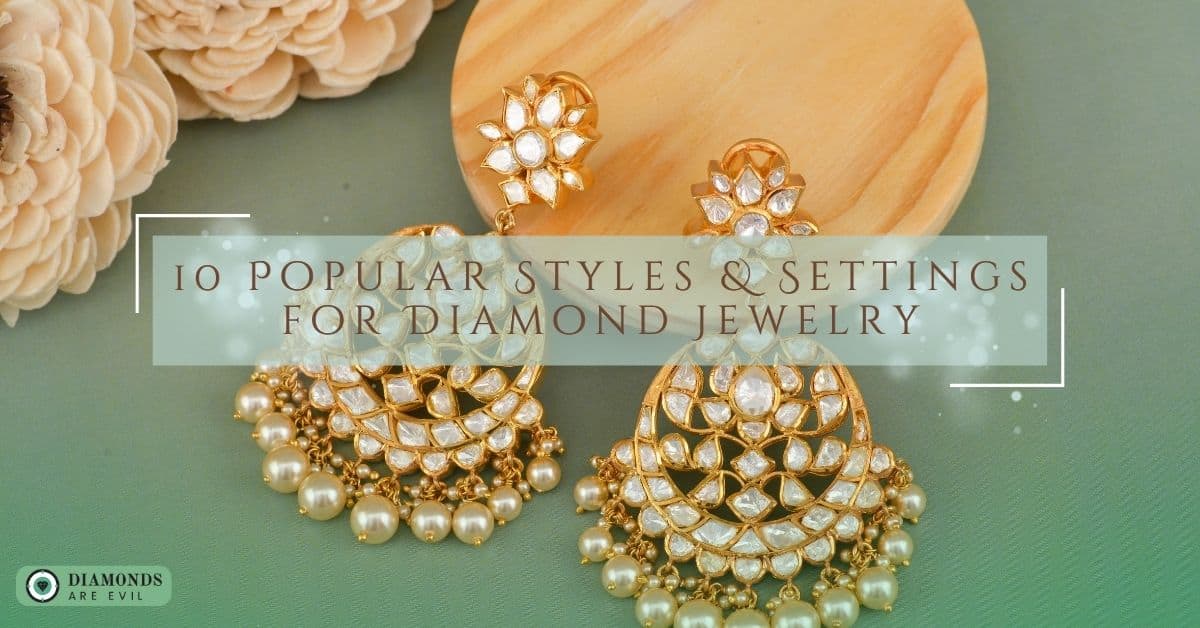
Diamonds are often seen as a timeless and elegant symbol of love and commitment, but there’s more to consider when choosing the perfect diamond jewelry piece than just its appearance.
The type of setting chosen for a diamond plays an important role in enhancing or detracting from its beauty, so it is essential to make sure you’ve chosen the right one. From prong to tension, three-stone and cluster settings, each has its own advantages and disadvantages, making it important to do your research before committing to a particular style.
Whether you’re looking for something special for yourself or as a gift, this guide explores popular styles and settings of diamond jewelry so you can find the perfect piece. Let’s take a look at 10 of the most popular styles and settings for diamond jewelry.
Different Styles and Settings for Diamond Jewelry
Diamond jewelry comes in all shapes, sizes, and settings. Whether you are looking for something timeless and traditional or a more contemporary look, there is something out there to suit any style.
Classic styles
Classic styles of diamond jewelry include solitaire settings, three-stone settings, and halo settings. Solitaire settings feature a single diamond while three-stone settings feature three diamonds in a metal band to symbolize the past, present, and future. Halo settings feature a center diamond surrounded by smaller diamonds in an intricate setting.
Trendier styles
Trendier styles of diamond jewelry include cluster settings, art deco settings, and bar set settings. Cluster settings involve multiple stones clustered together for a bold statement piece.
Art deco designs feature elegant geometric shapes and symmetrical patterns made from diamonds in white or yellow gold settings for a subtly sophisticated look. Bar set styles have diamonds set in bar patterns across the band of the ring or pendant necklace creating an interesting visual effect.
No matter what style you choose, diamond jewelry will always be timeless and make a beautiful addition to any outfit!
10 Popular Styles & Settings for Diamond Jewelry
Solitaire
Solitaire is a type of card game usually played by one person. It involves laying out cards in different patterns and rearranging them to create solvable patterns. The goal is to create a complete sequence of cards from the shuffled deck. Solitaire comes in many iterations and varieties, each with its own rules, components, and strategies.
Advantages and Disadvantages of Solitaire Setting
Solitaire offers several advantages for players that other types of games don’t have.
- First, there are no opponents and no chance for arguments or cheating.
- Second, the game is relatively easy to learn as it revolves around basic principles such as arranging numbers or suits in order from lowest to highest or vice versa.
- Third, solitaire can be played anywhere at any time providing a great stress reliever after a long day at work.
On the flip side, playing solitaire can become very repetitive for some people which can lead to boredom and disinterest over time. Additionally, since there are no opponents, players may not feel any sense of accomplishment when they win a game or become frustrated when they lose many in succession playing solo.
Examples of Popular Solitaire Jewelry
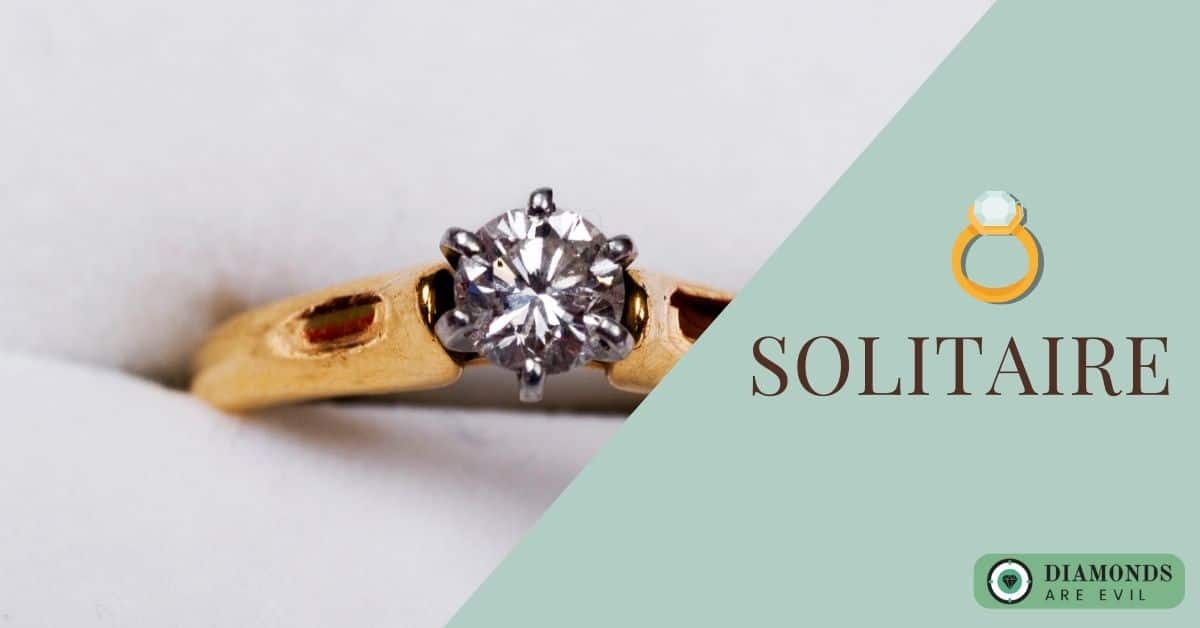
Engagement Rings: A classic symbol of commitment and love, engagement rings often feature a single central stone surrounded by diamonds or other accents set in delicate prongs on the band setting – an example of the traditional Solitaire setting!
Stud Earrings: The most popular style of earrings today, studs come in many styles but often feature a single diamond set into the design – another example of Solitaire jewelry!
Pave
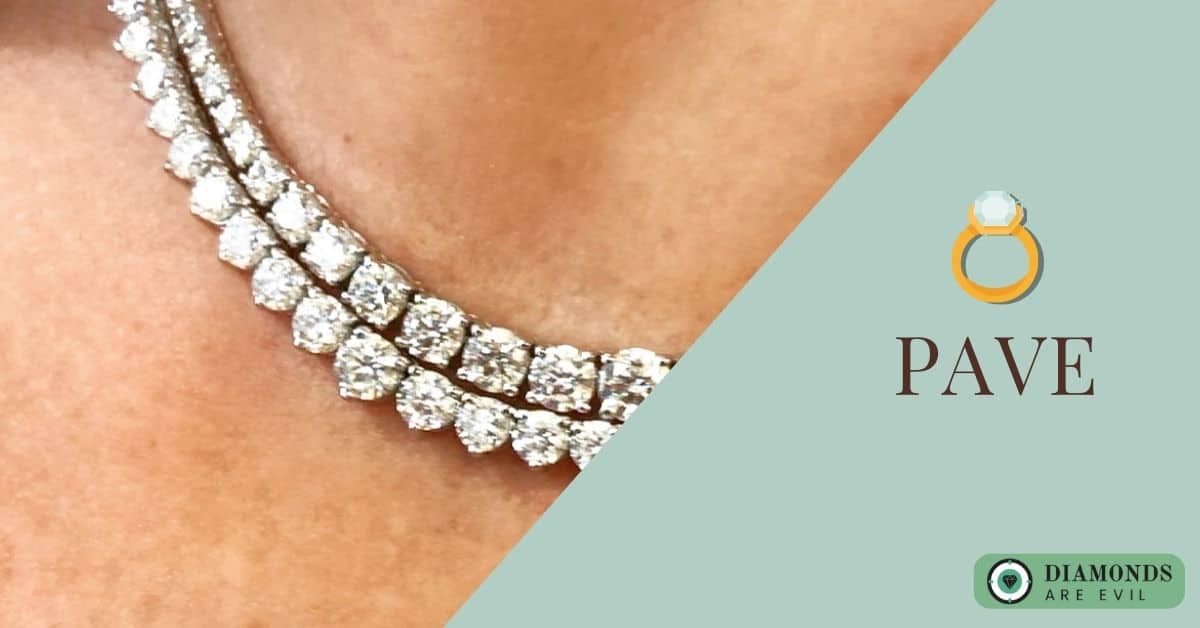
Pave is a technique of setting diamonds or other jewels closely together. This creates a very smooth and sparkly surface. It usually involves setting small stones into grooves of a metal band or setting that has been cut precisely to hold the stones in place securely. The goals of this technique are to enhance the brilliance, dazzle, and sparkle of the diamonds or gemstones.
Advantages and Disadvantages of Pave Setting
The advantages of pave settings are numerous. A pave setting can be used to showcase a diamond’s color, clarity, and fire more effectively than many other settings.
Additionally, since pave settings involve multiple small diamonds (instead of one big stone), it is more affordable for those on tight budgets looking for beautiful jewelry pieces. Furthermore, due to its intricate design, it offers extra security which minimizes the chances of losing any stones, making it very durable as well.
Unfortunately with all these benefits come some drawbacks.
- First, the cost per carat with pave settings is typically much higher than other settings due to the labor-intensive nature of creating them.
- Second, because the stones are so close together they may need to be professionally cleaned more frequently in order to keep them in pristine condition.
- Finally, when wearing pave jewelry you need to take extra care not to snag clothing or get tangled in hair as this may loosen the stones and damage them further over time
Examples of Popular Pave Jewelry
Bracelets: Delicate bracelets featuring small diamonds set closely together are incredibly popular today thanks largely to their luxurious look without breaking your budget!
Necklaces: Whether you’re looking for something subtle or an attention-grabbing statement necklace that stands out from the crowd – pave necklaces will check all the boxes!
Halo
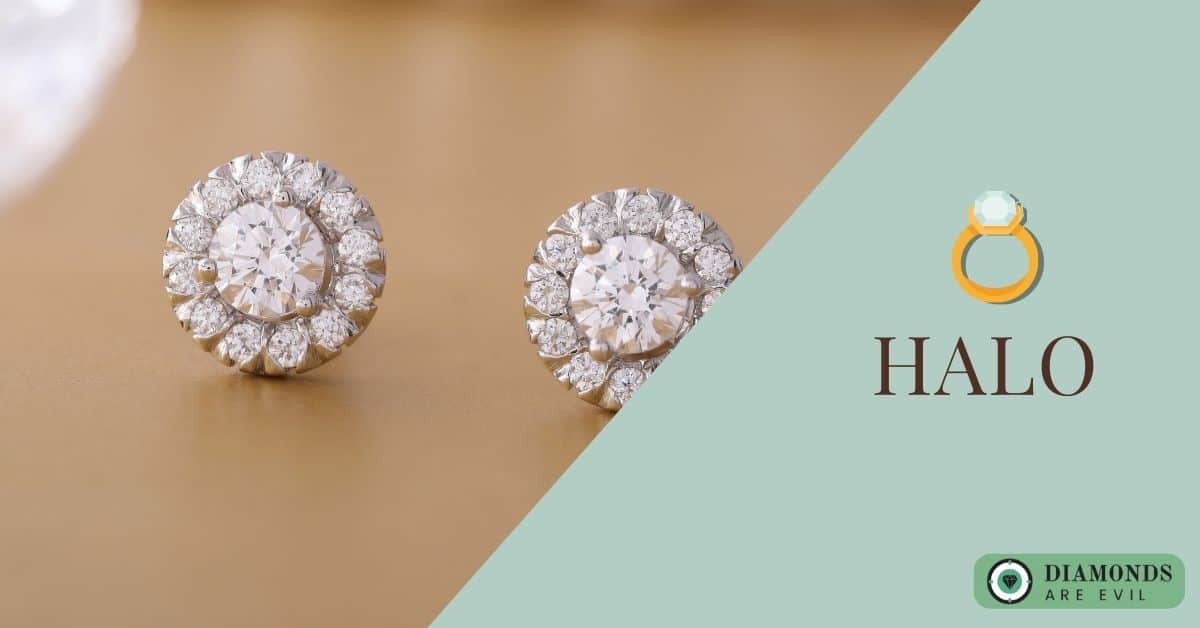
Halo is a type of diamond setting that features a single center stone surrounded by many smaller stones, creating an appearance of a halo or ring around the main diamond. This creates extra sparkle and dazzle which adds more brilliance to any piece of jewelry with this setting.
The individual stones used in a Halo setting are often cut in the shape of brilliant round diamonds but other shapes such as princess, cushion cuts and others may be included as well.
Advantages and Disadvantages of Halo Setting
The primary benefit of using this type of setting is its ability to make any diamond look larger than it is. It also gives additional depth, color, and sparkle to the piece without having to use large diamonds.
Additionally, a halo setting is usually less expensive than buying many individual stones separately due to reduced labor costs when compared with other types of settings.
On the flip side, one disadvantage with halo settings is that since there are so many smaller diamonds involved it can be difficult for professionals to inspect each one for quality assurance purposes.
Another potential drawback is that since these settings involve multiple items being held together in one place there may be more chance for some pieces to shift out of alignment or get damaged over time if not properly protected.
Examples Of Popular Halo Jewelry
Engagement Rings: A timeless symbol of love and commitment, engagement rings featuring a single center stone surrounded by small diamonds in a Halo setting are some of the most popular pieces today!
Earrings: Whether you’re looking for studs or dangling earrings – incorporating several small stones held together in a circular pattern with a Halo design will create beautiful pieces worthy of any formal event!
Bezel
Bezel setting is a method of holding a gemstone, usually diamonds, in place by encircling it with a metal band which is then formed to fit comfortably and securely against the gemstone.
This type of setting does not involve any claws or prongs. Instead, the metal band completely surrounds the diamond or other stone like a frame and is held in place using pressure and glue.
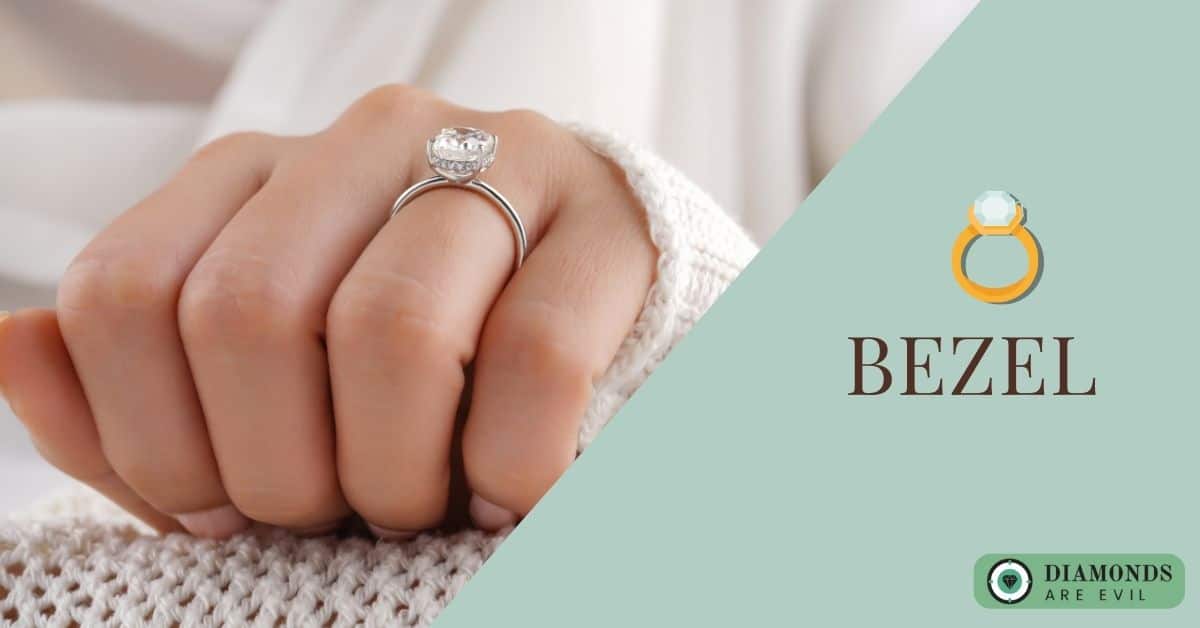
Advantages and Disadvantages of Bezel Setting
One advantage of this type of setting is that since the stone is completely enclosed there’s no risk of it being damaged from everyday wear such as collisions or scratches. Furthermore, this also eliminates any chance for dirt or debris to accumulate underneath the stone and make it appear dirty over time.
Additionally, bezel settings provide an interesting visual effect with stones appearing to ‘float’ within their frames.
However, one disadvantage associated with bezel settings is that they can significantly reduce sparkle when compared to other types of settings due to the lack of light coming through onto the stone itself.
Additionally, if not done correctly they can restrict the movement of the diamond which will reduce its brilliance further still. Also, because they need to be custom made they tend to be quite expensive as well!
Examples Of Popular Bezel Jewelry
Engagement Rings: If you want your engagement ring to stand out then opt for one featuring a single large diamond surrounded by smaller diamonds set into a glossy metal band using a bezel design!
Earrings: Whether you’re looking for studs or drop earrings – incorporating several tiny gems into an intricate frame will create beautiful pieces worthy of any special occasion!
Channel
A channel setting is a type of jewelry setting in which a number of small diamonds or other gemstones are set side by side, with metal partitions or walls, called channels, separating them. This type of setting creates a continuous line of sparkle, and it can be used in a variety of jewelry types.
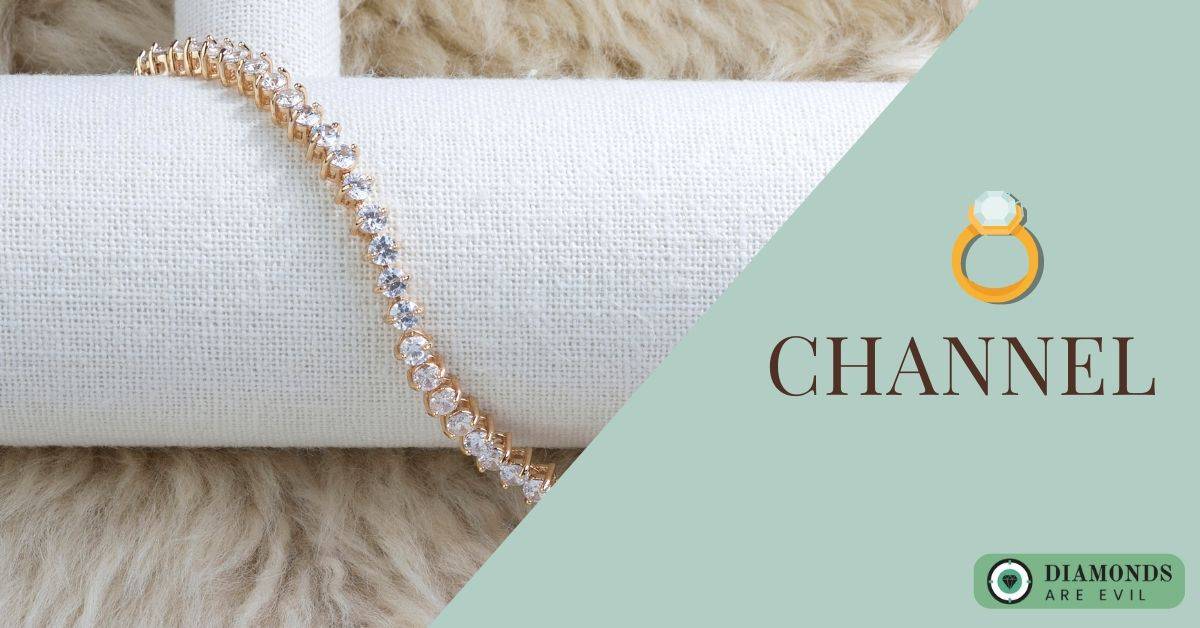
Advantages and Disadvantages of Channel Setting
- One of the main advantages of the channel setting is that it provides a sleek, continuous line of sparkle, which can be very visually appealing.
- Additionally, the channel setting can be used to create a more substantial look with a smaller number of diamonds, making it a cost-effective option.
- The channel setting can also provide extra protection to the diamonds or gemstones, as the metal walls of the channel can help prevent them from falling out.
- The main disadvantage of the channel setting is that it can be difficult to clean and maintain, as dirt and grime can accumulate in the channels.
- Additionally, if one of the diamonds or gemstones falls out, it can be difficult to replace it without disrupting the continuity of the channel.
Examples Of Popular Channel Jewelry
Wedding bands: Channel-set wedding bands are popular because they provide a continuous line of sparkle that can complement the engagement ring.
Bracelets: Channel-set bracelets are a popular choice because they provide a subtle sparkle that can be worn with a variety of outfits.
Tension
Tension setting is a type of jewelry setting in which a diamond or other gemstone is held in place by the pressure of the metal band or shank. This creates the illusion that the diamond is suspended in the air, giving it a unique and modern look. It’s called tension setting because the metal band or shank is under tension to hold the gemstone in place.
Advantages and Disadvantages of Tension Setting
- One of the main advantages of the tension setting is that it provides a very modern and unique look, as the diamond appears to be suspended in the air.
- Additionally, the tension setting can provide an illusion of a larger diamond, as the diamond is typically exposed on all sides.
- Tension setting also provides a secure hold for the diamond, as the pressure of the metal band or shank keeps the diamond in place.
- The main disadvantage of the tension setting is that it can be more delicate than other settings, as the diamond is held in place by the pressure of the metal band or shank.
- Additionally, tension setting may be more expensive than other settings, as it requires a special technique to create.
Examples Of Popular Tension Jewelry
Rings: Tension-set rings are a popular choice for engagement rings and anniversary rings as they provide a modern and unique look.
Earrings: Tension-set earrings are also popular, as they provide an illusion of the diamond being suspended in the air.
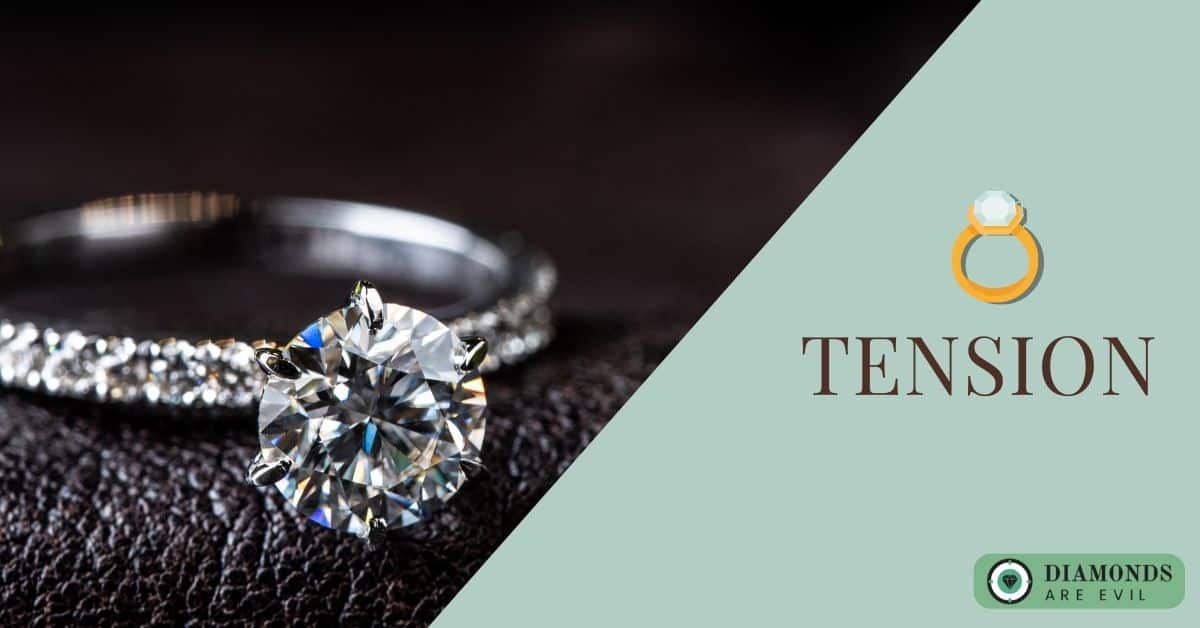
Prong
A prong setting is a type of jewelry setting in which a diamond or other gemstone is held in place by several metal prongs that grip the stone at its edges. This type of setting allows for maximum light to enter the diamond or gemstone, which can enhance its brilliance and sparkle.
The prong setting is one of the most popular and traditional settings for diamond jewelry.
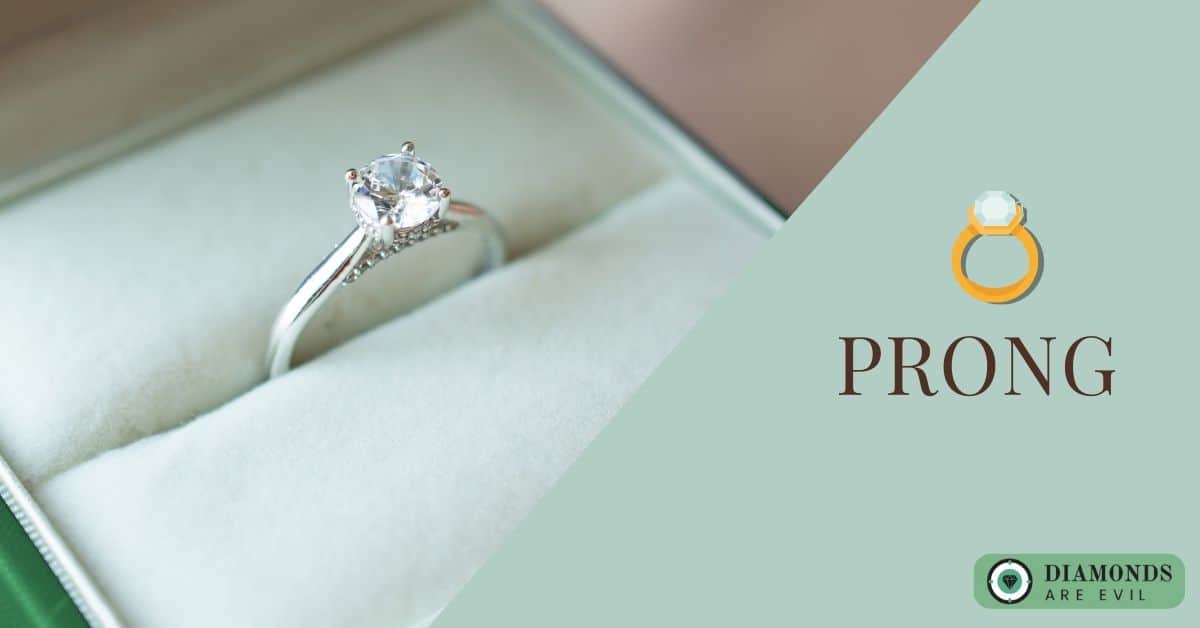
Advantages and Disadvantages of Prong Setting
- One of the main advantages of the prong setting is that it allows for maximum light to enter the diamond or gemstone, which can enhance its brilliance and sparkle.
- Additionally, the prong setting allows for a larger diamond or gemstone to be used, as it takes up less space than other settings.
- Prong setting also allows for easy cleaning and maintenance, as the diamond or gemstone is easily accessible.
- The main disadvantage of the prong setting is that the prongs can be delicate and may need to be repaired or replaced over time.
- Additionally, prongs can catch on clothing or other objects, which can cause damage to the diamond or gemstone.
Examples Of Popular Prong Jewelry
Engagement rings: Prong-set engagement rings are a popular choice, as they allow for a large diamond or gemstone to be used while providing maximum light and brilliance.
Pendants: Prong-set pendants are also popular, as they provide a classic and elegant look.
Bar
A bar style in jewelry refers to a design where the centerpiece of the piece is a straight, elongated bar. This style can be found in a variety of jewelry types, including necklaces, bracelets, and earrings.
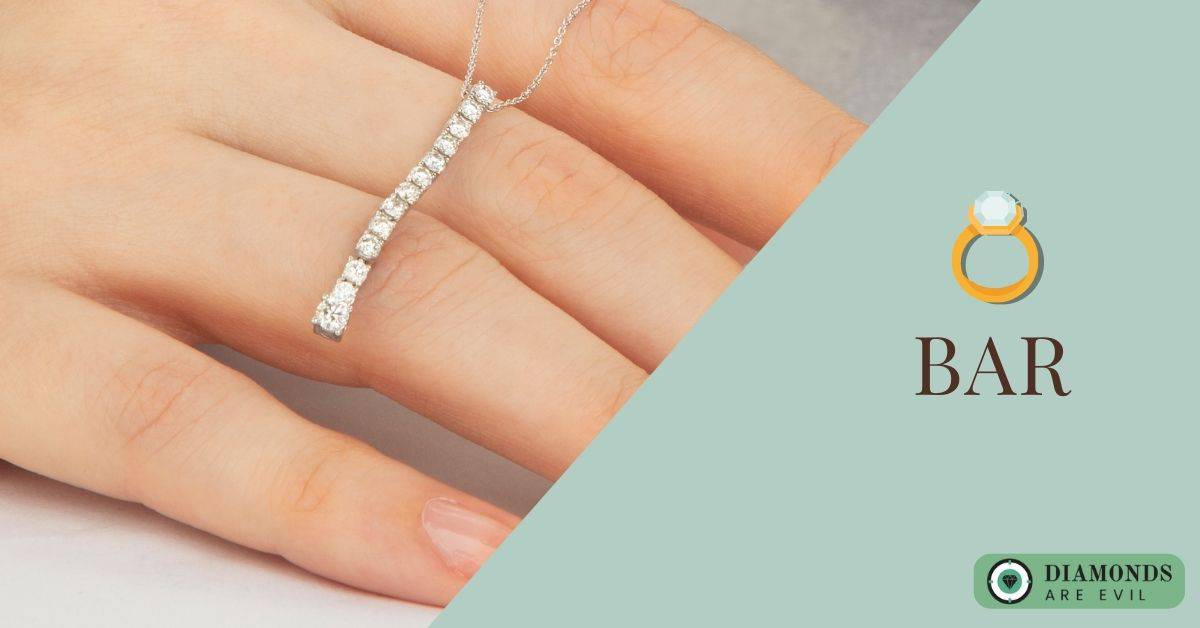
Advantages and Disadvantages of Bar Setting
The advantages of a bar setting include that it can be very versatile and can be worn with many different types of clothing. It’s also a simple and elegant design that can be easily dressed up or down.
Disadvantages include that it can be less secure than other types of settings, and the bar can be more prone to bending or breaking if it is not made from a durable material.
Examples Of Popular Bar Jewelry
Bar necklaces: These can be worn alone or layered with other necklaces. They often feature a single bar or multiple bars of different lengths.
Bar bracelets: These can be made from metal or leather. They are often adjustable, allowing for a customized fit.
Bar earrings: which can be stud or dangle style. They can be simple or adorned with gemstones or other embellishments.
Cluster
A cluster setting is a type of jewelry setting in which a group of small diamonds or other gemstones are set closely together to create the appearance of a larger, singular diamond. This style is characterized by the clustered appearance of diamonds or gemstones, and it is often used in earrings, brooches, and other types of jewelry.
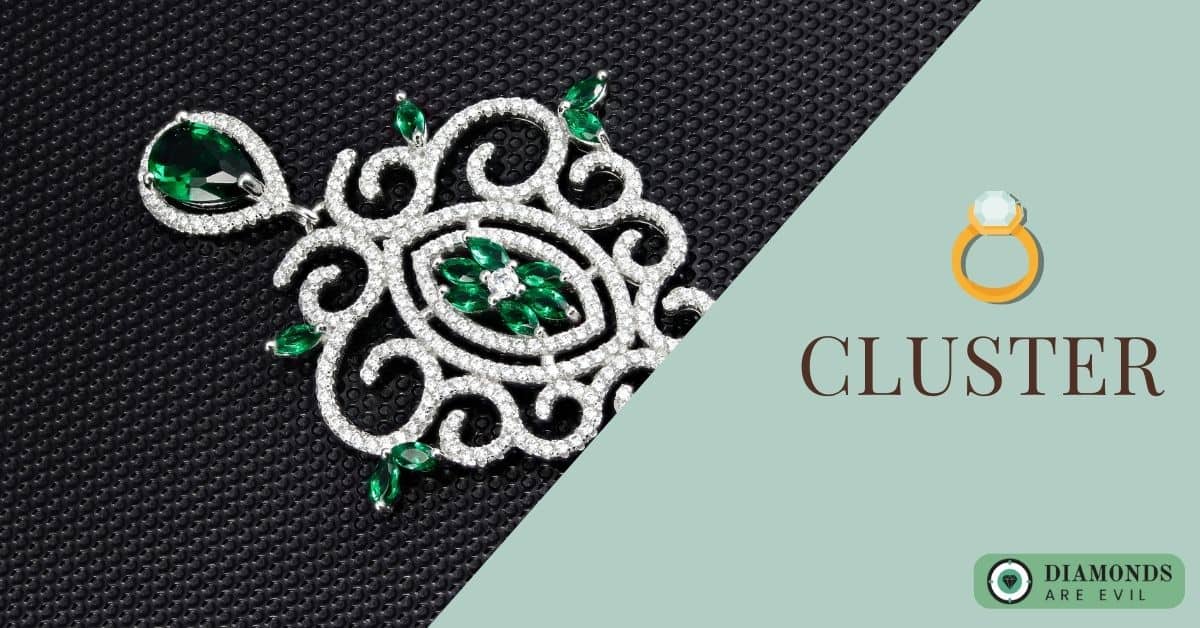
Advantages and Disadvantages of Cluster Setting
- One of the main advantages of the cluster setting is that it can create the appearance of a larger, singular diamond, making it a cost-effective option.
- Additionally, the cluster setting can provide a unique and eye-catching look, as the clustered appearance of the diamonds or gemstones can be very visually appealing.
- A cluster setting is also versatile, it can be used to create different designs and shapes.
- The main disadvantage of the cluster setting is that it can be difficult to clean and maintain, as dirt and grime can accumulate in the crevices between the diamonds or gemstones.
- Additionally, if one of the diamonds or gemstones falls out, it can be difficult to replace it without disrupting the overall appearance of the cluster.
Examples Of Popular Cluster Jewelry
Earrings: Cluster-set earrings are a popular choice, as they provide a unique and eye-catching look, and they can be used to create different designs and shapes.
Brooches: Cluster-set brooches are also popular, as they provide a unique and eye-catching look, and they can be used to create different designs and shapes.
Three-stone
Three-stone is a diamond setting featuring three separate stones, the center stone is slightly larger than the two side stones. This setting is often used in engagement rings as it symbolizes the past, present, and future of a relationship. It also creates a unique look that stands out from your typical single or double halo settings.
The individual stones in this style can be set using various types of settings such as prong, bezel, channel, pave, and more.
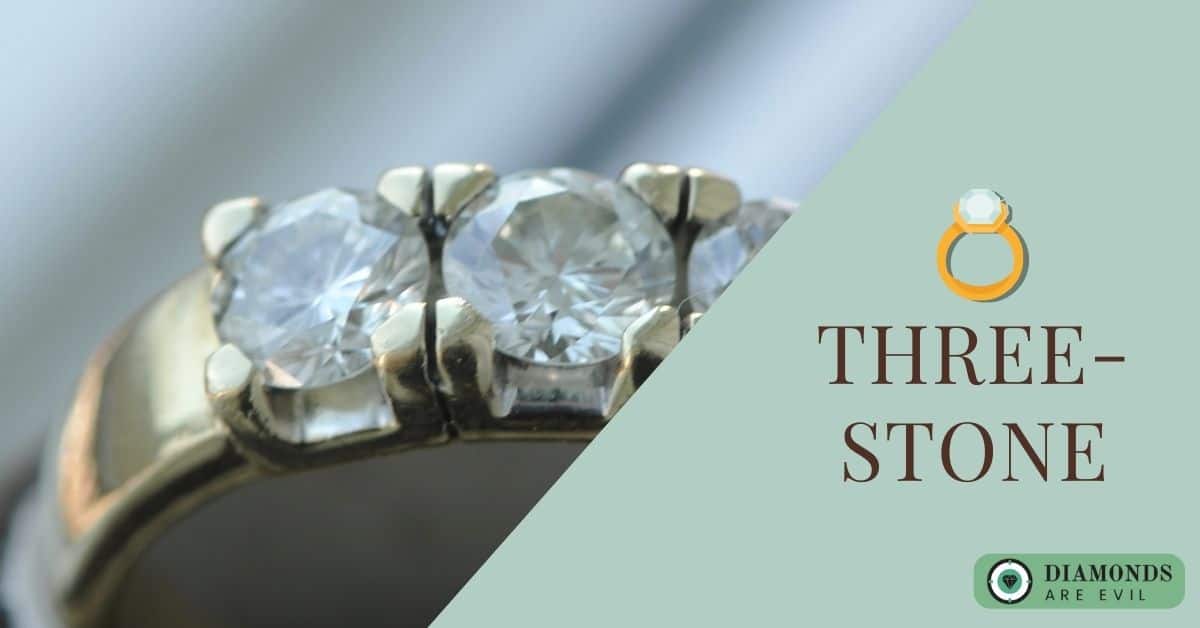
Advantages and Disadvantages of Three-Stone Setting
The primary benefit of using this type of setting is that it adds extra sparkle to the piece due to having multiple diamonds instead of just one. Additionally, since we’re talking about three separate gems there are usually more options when it comes to selecting the sizes, shapes, and quality of each stone making it easier to work within most budgets!
However, because three diamonds are involved in the process it can lead to more expenses due to higher labor costs associated with setting multiple stones into one piece. Additionally, there may also be an increased risk for some pieces to shift out of alignment or get damaged over time if not properly secured as well.
Examples Of Popular Three-Stone Jewelry
Rings: Three-stone rings are timeless symbols of love and commitment – featuring a single larger diamond encircled by two smaller ones for an elegant and unique look!
Pendants: If you want to add some extra shine and sparkle to any outfit then opt for a pendant featuring three gorgeous gems held together with a secure setting in perfect harmony!
Importance of Choosing The Right Style and Setting for a Diamond Piece
Choosing the right style and setting for a diamond piece is important as it can enhance the beauty of the gemstone. The right style should be chosen to reflect one’s personality and taste, while also complementing the shape of the diamond.
The setting can greatly affect the appearance of a diamond piece and should be chosen carefully in order to bring out its beauty. For example:
- a timeless classic like a solitaire setting may be more suited to someone who is looking for something simple and elegant
- while a halo setting with its extra sparkle would be better suited to someone who wants to make a statement
Choosing a unique and trendy style such as an art deco or bar set could add an edge to any look.
No matter what style or setting you choose, the most important thing is that it reflects your taste and personality!
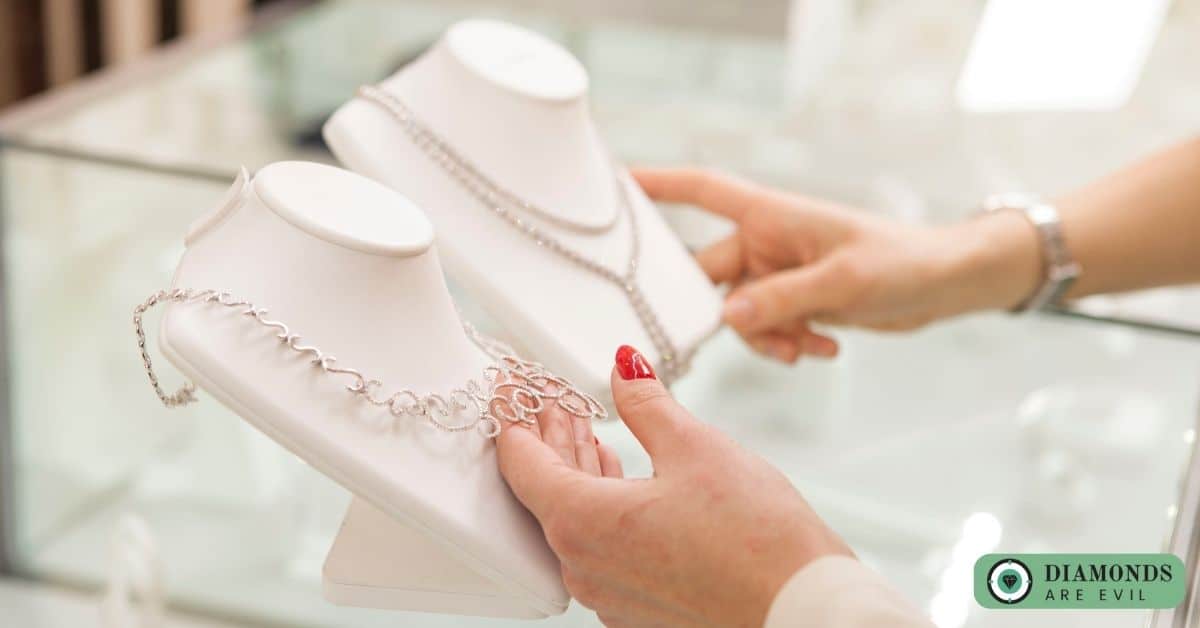
Tips for Choosing the Right Style and Setting for a Diamond Piece
When it comes to choosing the right style and setting for a diamond piece, there is no one size fits all approach. It’s important to find something that resonates with your personal style, while also taking into account budget, occasion, stone shape, and size. Here are some tips that might help you make a perfect choice:
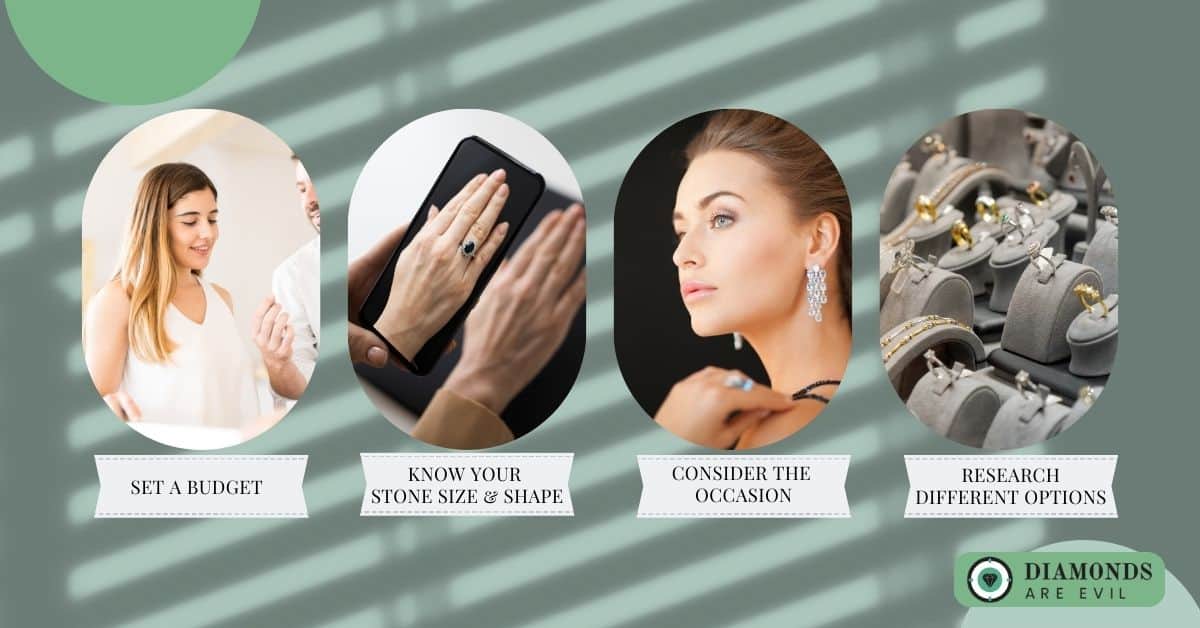
Set a budget
This should be done before you even begin the process of looking at different styles and settings. Keep in mind that no matter how much you are willing to spend on the piece, quality should always come first!
Know your stone size & shape
It’s important to take into consideration what size and shape of the diamond will look best based on your chosen setting. For example, princess cut diamonds tend to work better with prong settings while round stones can work well with any type of setting.
Consider the occasion
Think about where or when you’re likely to wear the piece – if it’s going to be an everyday accessory then something simpler like a three-stone ring may be more suitable than an intricate halo design.
Research different options
Before committing to anything do your research! There are plenty of beautiful designs out there so make sure to explore all your options before making any decisions.
In conclusion
Selecting the right style and setting for a diamond piece is an important decision that should be made carefully. It’s essential to find something that reflects your personal taste, while also taking into account budget, occasion, stone shape, and size.
Taking the time to research different options can help ensure you select the right one for you. Ultimately, the most important thing to remember is that no matter what style or setting you to choose, it should reflect your unique personality and taste!