
Mild, Moderate or Severe? How Long Your Baby Needs to Wear a Pigeon-Toe Brace
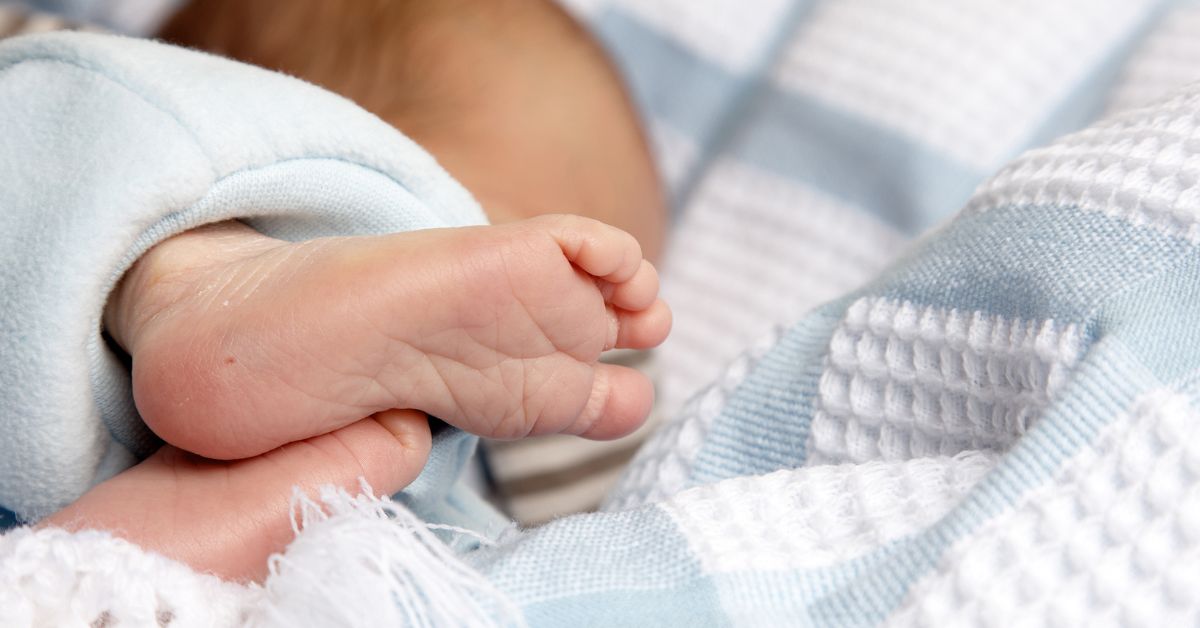
When a baby has pigeon-toed feet, one of the first questions parents ask is how long treatment will take. The answer depends on the cause of the inward foot position, the baby’s age, how flexible the foot is, and whether the condition is mild, moderate, or severe.
Some babies only need observation and follow-up. Others may need a corrective brace for several weeks or months. Understanding the difference between mild, moderate, and severe cases can help parents know what to expect before starting treatment.
What Does Pigeon-Toed Mean in Babies?
Pigeon-toed feet, also called intoeing, happen when the feet point inward instead of straight ahead. In babies, this may be caused by metatarsus adductus, where the front part of the foot curves inward while the heel stays closer to normal alignment.
The condition may affect one foot or both feet. Some cases are flexible and mild, while others are more rigid and need closer medical attention.
Parents looking into 2 are usually trying to understand whether early correction can help and how long their baby may need support.
Why Severity Affects Treatment Time
The more flexible and mild the foot position is, the shorter and simpler treatment may be. The more rigid or severe the condition is, the longer treatment may take.
Doctors usually consider:
- The baby’s age
- Foot flexibility
- Degree of inward curve
- Whether one or both feet are affected
- Whether the condition is improving naturally
- Whether walking development may be affected later
Braces for pigeon toes in babies is not usually prescribed based on appearance alone. A professional evaluation helps determine whether the foot needs guided correction or simple monitoring.
Mild Pigeon-Toed Cases
Mild cases usually involve a small inward curve that can be gently moved into a straighter position. The baby’s foot may look slightly curved, but it does not feel stiff or fixed.
Signs of a mild case may include:
- Slight inward foot position
- Foot can be gently straightened
- No discomfort during movement
- Both feet move freely
- The curve appears to improve over time
For mild cases, a doctor may recommend observation first. If a brace is used, the treatment period may be shorter and focused on guiding the foot during early growth.
In some mild cases, parents may be advised to monitor the foot during routine checkups rather than start brace treatment immediately.
Moderate Pigeon-Toed Cases
Moderate cases are more noticeable. The foot may curve inward clearly, but it may still have some flexibility. A doctor may recommend bracing if the condition is not improving or if the foot needs consistent guidance.
Signs of a moderate case may include:
- Clear inward curve
- Foot is partially flexible
- One foot may be more affected than the other
- The curve remains noticeable over time
- Early movement or positioning appears uneven
Moderate cases may require a longer period of brace use than mild cases. The goal is to guide the foot gradually and prevent the inward position from becoming more fixed.
Parents should expect follow-up visits so the provider can check progress, fit, and whether the wearing schedule should change.
Severe Pigeon-Toed Cases
Severe cases usually involve a strong inward curve, stiffness, or a foot that cannot be easily moved into a straighter position. These cases need careful evaluation because bracing alone may not always be enough.
Signs of a severe case may include:
- Deep or obvious inward curve
- Foot feels stiff or rigid
- Foot cannot be gently corrected by hand
- A deep crease appears along the inner side of the foot
- One foot looks much more affected
- Standing or walking later may be affected
Severe cases may need longer brace use or a more structured treatment plan. In some situations, a doctor may recommend serial casting before or instead of bracing.
Typical Brace-Wearing Phases
Although each baby’s plan should be personalized, brace treatment often follows phases.
Full-Time Correction Phase
During the first phase, the brace may be worn for most of the day. This stage focuses on guiding the foot into better alignment while the baby’s tissues are still adaptable.
The length of this phase depends on severity. Mild cases may need less time, while moderate or severe cases may need a longer correction period.
Nighttime Maintenance Phase
After improvement is seen, the doctor may reduce the schedule to nighttime wear. This stage helps maintain correction while the baby continues growing.
Parents should not stop brace use early unless the provider says it is safe to do so. Ending treatment too soon may allow the foot to return to its inward position.
How Long Does Treatment Usually Take?
Treatment time varies, but many brace plans involve several weeks of consistent use followed by a maintenance period. Mild cases may require a shorter schedule, while moderate and severe cases may need more time.
A general expectation may look like this:
- Mild: shorter monitoring or limited brace use if needed
- Moderate: several weeks of regular brace wear
- Severe: longer wear schedule and possible additional treatment
The exact timeline should come from the treating provider. The baby’s progress matters more than a fixed number of weeks.
Why Consistency Matters
A brace only works if it is used correctly and consistently. Skipping too many hours or stopping early may reduce the effectiveness of treatment.
Parents can support consistency by:
- Following the wearing schedule
- Using the correct socks if recommended
- Checking the skin daily
- Keeping follow-up appointments
- Making sure the brace fits properly
- Asking questions if the baby seems uncomfortable
The goal is gentle correction, not forced positioning.
What Can Make Treatment Longer?
Several factors may extend the treatment timeline.
These include:
- Starting treatment later
- A more rigid foot
- Severe inward curve
- Inconsistent brace use
- Poor brace fit
- Growth requiring size adjustment
- Missed follow-up visits
If treatment seems slow, parents should not adjust the brace or schedule on their own. A healthcare provider can check whether the plan needs changes.
What Can Make Treatment Shorter?
Treatment may be shorter when the condition is caught early and the foot is still flexible.
Helpful factors include:
- Early evaluation
- Mild or moderate flexibility
- Correct brace sizing
- Consistent wearing schedule
- Good skin tolerance
- Regular progress checks
- Clear parent instructions
Early treatment does not guarantee a short timeline, but it may give the baby the best chance for easier correction.
How Doctors Know When to Reduce Wear Time
Doctors may reduce brace wear when the foot shows enough improvement and remains in better alignment without constant support.
They may check:
- Foot shape
- Flexibility
- Whether the curve returns quickly
- Skin condition
- Baby comfort
- Whether one or both feet still need support
The transition from full-time wear to nighttime wear should be guided by progress, not guesswork.
Signs the Brace Needs Adjustment
Parents should monitor the brace closely during treatment. A brace that fit well at the beginning may become too tight as the baby grows.
Contact the provider if you notice:
- Red marks that do not fade
- Swelling
- Skin irritation
- Toes changing color
- Excessive crying during wear
- The brace slipping repeatedly
- The foot not sitting correctly inside the brace
These signs may mean the brace needs adjustment, resizing, or a review of the wearing schedule.
What Parents Should Avoid
Parents should avoid making independent changes without medical advice.
Do not:
- Stop treatment early because the foot “looks better”
- Tighten the brace forcefully
- Use the brace without socks if socks are recommended
- Continue use despite skin irritation
- Buy random corrective shoes without evaluation
- Compare your baby’s timeline to another child’s
Every baby’s condition is different. The right timeline depends on individual progress.
Questions to Ask Before Starting Brace Treatment
Before using a brace, parents can ask the doctor:
- Is my baby’s case mild, moderate, or severe?
- Is the foot flexible or rigid?
- How many hours per day should the brace be worn?
- How long is the full-time phase?
- Will there be a nighttime phase?
- How often should we follow up?
- What skin signs should I watch for?
- When will we know treatment is working?
Clear instructions make treatment easier to follow at home.
Final Thoughts
How long a baby needs to wear a pigeon-toe brace depends on severity, flexibility, age, and progress. Mild cases may need only monitoring or shorter brace use. Moderate cases may require several weeks of consistent correction. Severe or rigid cases may need longer treatment and sometimes additional care such as casting.
The most important step is proper evaluation. With the right diagnosis, correct brace fit, and consistent follow-up, parents can support healthier foot alignment while giving their baby the best chance for gentle and effective correction.
Related articles
- Cracking the Code: How DNA Analysis is Revolutionizing Personalized Nutrition Today
- What Makes UNFO the Top-Rated Brace for Metatarsus Adductus in 2026?
- Looking for Judaica Art? Here’s How to Choose the Perfect Piece for Your Home
- Tiny Toes, Big Decisions: Choosing the Right Fix for Metatarsus Adductus in Babies