
Tiny Toes, Big Decisions: Choosing the Right Fix for Metatarsus Adductus in Babies
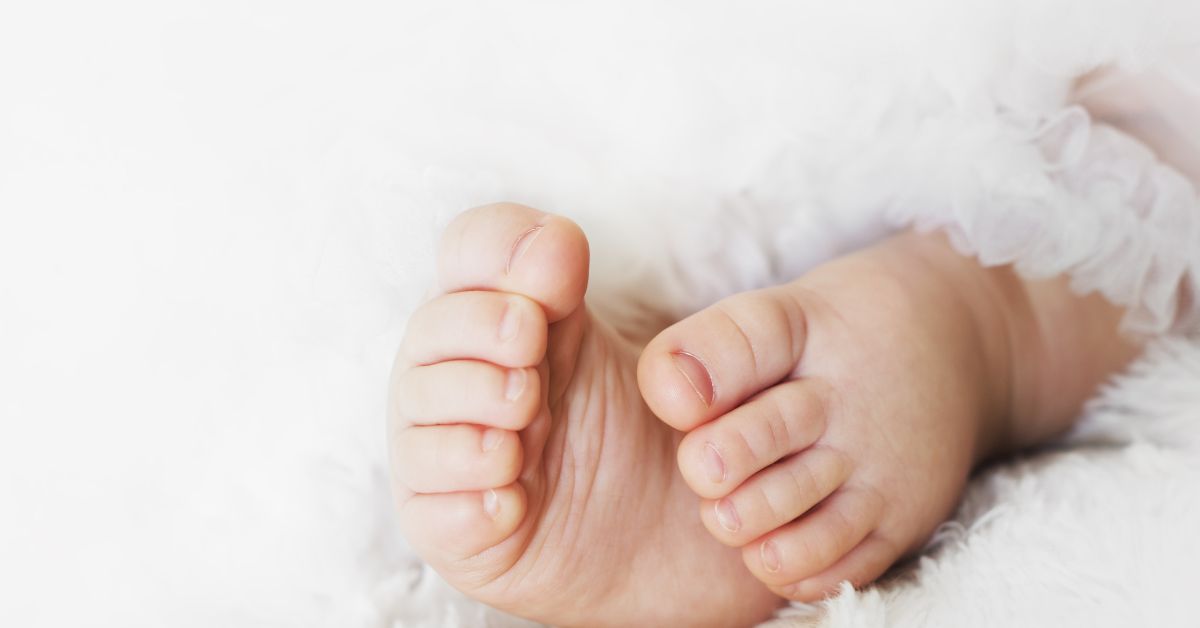
When a baby’s feet curl inward like a gentle C, parents often notice it during those sweet diaper changes or first stretches of the day. The term is metatarsus adductus, and it sounds serious, but many cases are surprisingly mild and improve as little legs and feet grow. The big question is how to pick the right path-watchful waiting, home exercises, or something more structured-without overdoing it. With a clear plan and steady check-ins, the choice becomes far less stressful and a lot more confident.
Spotting the Signs Early: What Metatarsus Adductus Looks Like
Metatarsus adductus typically shows up as a forefoot that curves inward while the heel stays straight, creating that memorable C-shape. Parents might first see toes pointing toward each other or shoes that seem to angle inward on tiny feet. Pediatricians look for how easily the foot moves back to midline and whether the heel points straight, which helps separate this condition from others. Early recognition matters because it guides whether simple reassurance is enough or if a structured plan is worth starting.
A key visual clue is the heel-bisector line, an imaginary line drawn through the heel that should pass between the second and third toes. In mild metatarsus adductus, that line might shift toward the third toe; in more pronounced cases, it can bisect the fourth or even the fifth toe. Caregivers may also notice the outer border of the foot looks convex rather than straight. None of this automatically means treatment is urgent, but it frames the conversation.
Movement testing adds another layer. If the forefoot can be gently corrected to a straight position without resistance, clinicians usually call it flexible. If that movement stops short or feels firm, it leans toward semi-rigid or rigid. That single distinction-flexible versus rigid-often determines whether time will heal or whether guided care will speed things along.
Flexible or Rigid? Why the Type Changes Everything
Flexible metatarsus adductus often follows a simple arc: steady growth, natural loosening of soft tissues, and gradual straightening as months tick by. Many flexible cases improve noticeably by six months and continue to settle by the first birthday. Semi-rigid cases can also improve, but they may benefit from positioning guidance or short bursts of structured stretching. Rigid cases are the small slice that tend to need casting or bracing to nudge alignment in the right direction.
Age also plays into the plan. In the first few months, bones are still largely cartilaginous and ligaments are forgiving, which makes gentle correction more achievable. As a child becomes more mobile, gait patterns and shoe wear can start to matter, especially if inward angling lingers. That is why a clear baseline exam and periodic reviews can make decisions feel less like guesswork and more like a steady staircase.
Severity matters too, usually described by heel-bisector grade or by how easily the foot can be brought to neutral. A mildly curved foot that springs straight with a light touch rarely needs anything beyond time and occasional positioning. A foot that resists correction, however, could benefit from short series casts or a well-fitted orthosis. The right label-flexible, semi-rigid, or rigid-keeps treatment proportional and avoids doing too much or too little.
When Home Care Is Enough-and How to Do It Safely
Here’s a friendly rule of thumb: for flexible feet, think “guide, don’t force.” Gentle stretches during diaper changes can help the forefoot find midline, but comfort is the ceiling-no pushing through resistance or pain. Positioning tricks, like encouraging time with the feet pointing outward during play, can reinforce neutral alignment. Over a few months, those tiny, consistent cues can add up to visible changes, especially in flexible cases.
- Use gentle, slow movements, holding a mild stretch for a few breaths without bouncing.
- Pair stretch moments with routines already in place, like post-bath snuggles or morning changes.
- Caregivers can watch for red flags: persistent fussiness during stretches, skin irritation, or a foot that seems stiffer over time.
Comfort is a reliable compass. If a baby relaxes during gentle forefoot sweeps toward straight, that’s a good sign the approach is right-sized. If the foot snaps back or feels stiff, pause and share that detail at the next check-in. Consistency beats intensity, and tiny daily nudges often outperform occasional, intense efforts.
Some families like simple footwear with a straight outer border once cruising starts, but shoe choice is secondary to fit and comfort. Soft, flexible soles let the foot move and strengthen naturally. Bulky or overly corrective shoes may look helpful but can be unnecessary for flexible cases. If uncertainty lingers, a quick chat with a pediatric clinician can help refine the plan without overcomplicating it.
Casting, Bracing, and Shoes: Understanding Clinic-Based Options
When feet feel semi-rigid or rigid, short-term casting can gently persuade alignment, often in series over a few weeks. A molded brace or specialized shoe may then hold the gains while tissues remodel and adapt. Follow-up is key, since babies grow fast and any device must keep pace with changing size and shape. Well-timed clinic care aims to do just enough, for just long enough, to set the foot up for easy walking later.
Families often skim resources to compare options, and one practical explainer on metatarsus adductus treatment for babies outlines how flexible versus rigid feet tend to guide care, from monitoring to bracing. That kind of overview helps decode the jargon and spotlights what questions to ask during visits. It also clarifies that early action doesn’t always mean aggressive action; many plans remain light-touch and adaptive. With a grounded understanding, decisions feel more collaborative and less rushed.
Timing truly matters. Starting gentle casting during peak flexibility windows can reduce the total number of casts and shorten brace time. Similarly, brace-wear schedules that match family routines-naps, nights, and predictable windows-tend to stick better. The best device is the one that fits well, is worn as prescribed, and keeps a baby comfortable enough to keep moving.
What to Ask at the Appointment: Making Sense of Assessment Results
Clarity starts with a shared measurement language. Families can ask which grading system is used, how flexible the foot felt on exam, and what a realistic timeline looks like for the specific type. To see the differences more clearly, here’s a table showing typical presentations by age, common next steps, and follow-up rhythm.
| Age range | Typical presentation | Common next step | Follow-up rhythm | Notes |
|---|---|---|---|---|
| 0-3 months | Mostly flexible; mild C-shape | Reassurance, positioning, gentle stretches | Recheck in 4-8 weeks | High likelihood of spontaneous improvement |
| 3-6 months | Flexible to semi-rigid | Continue home care; consider brief casting if stiff | Monthly until clear progress | Early casting often needs fewer total casts |
| 6-12 months | Semi-rigid to rigid in a subset | Serial casting; brace or corrective shoe afterward | Every 2-6 weeks during treatment | Brace wear helps maintain gains |
| 12-18 months | Residual or persistent curve in fewer cases | Targeted bracing/shoes; gait monitoring | Every 2-3 months | Escalation considered only if function is limited |
This snapshot shows how flexibility and age shape the “lightest effective” plan, keeping treatment proportional to need. It also highlights how follow-up timing anchors the process, so small course corrections can happen early. Families can ask for the goal of each step-what success looks like in two, four, or eight weeks-to keep everyone aligned. A simple, shared timeline reduces anxiety and makes progress easier to spot.
It helps to confirm what would trigger a change in strategy. For instance, if flexibility stalls or a heel-bisector grade doesn’t shift after an agreed window, switching from home care to brief casting can be discussed. The reverse is true as well: once a foot straightens and holds gains, device time can taper. Clear criteria make choices feel less like leaps and more like well-marked steps.
Realistic Timelines, Life Logistics, and What “Progress” Really Looks Like
Here’s a simple game plan families can track without spreadsheets. Progress in flexible cases often looks like easier midline positioning, a straighter outer border, and less visible inward angling on photos over a few weeks. With casting or bracing, progress shows up as steady gains that hold between visits. Photos at the same angle, plus quick notes on how the foot feels to move, create a helpful mini-journal.
- Set a start point: photos from front and sole, plus a comfort check.
- Note one or two goals: easier correction, straighter border, better shoe fit.
- Log check-ins every 2-4 weeks and adjust only if goals stall.
Life still happens, so treatment needs to be practical. If naps are unpredictable, nighttime brace wear may be the anchor; if nights are choppy, short daytime windows can carry the load. Care teams usually prefer consistent partial wear to perfect plans that fall apart. Comfort, fit, and family rhythm are not side notes-they are the engine of follow-through.
Costs vary by region and device type, but early clarity helps avoid surprises. Asking about expected duration, replacement schedules as a baby grows, and what follow-ups include can keep budgets realistic. Many clinics share tips for cleaning and quick-fit checks so devices stay comfy between visits. When expectations are right-sized, adherence rises and stress drops.
Choosing Metatarsus Adductus Treatment for Babies: Calm, Clear Next Steps
The most reliable path pairs the foot’s type-flexible, semi-rigid, or rigid-with the lightest effective plan, then checks in on a steady rhythm. Gentle home care often carries flexible feet, while short, well-timed casting and bracing help stiffer cases unlock alignment and keep it. By asking clear questions, watching comfort closely, and adjusting only when landmarks stall, families turn a confusing diagnosis into a manageable, stepwise journey. In short, metatarsus adductus treatment for babies works best when it is measured, comfortable, and tailored to those tiny, fast-growing feet.
Related articles
- Cracking the Code: How DNA Analysis is Revolutionizing Personalized Nutrition Today
- Mild, Moderate or Severe? How Long Your Baby Needs to Wear a Pigeon-Toe Brace
- What Makes UNFO the Top-Rated Brace for Metatarsus Adductus in 2026?
- Looking for Judaica Art? Here’s How to Choose the Perfect Piece for Your Home