
17 Differences Between Real & Fake Diamonds
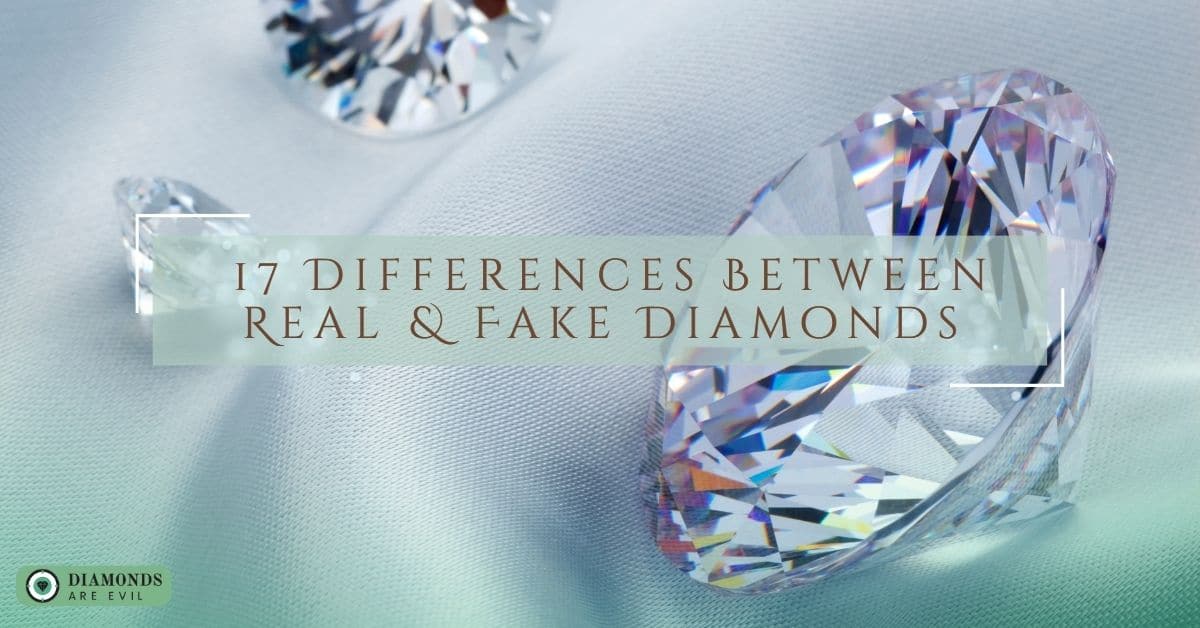
The value and beauty of a diamond are unparalleled, so it’s important to know how to distinguish between real and fake diamonds. With the right knowledge, you can avoid being duped by an imitation stone. The differences between real and fake diamonds are in cut, clarity, color, weight, harness, reflection, and many more.
In this article, we will tackle 17 differences between real and fake diamonds that will help you make an informed decision when shopping for a diamond.
1. Cut
When it comes to distinguishing between real and fake diamonds, the cut of the diamond can be an important factor to consider. The facets, angles, and other elements are all designed with precision and exact specifications in a quality-cut diamond – whether it be round brilliant, princess, cushion, or otherwise.
Fake diamonds often lack this kind of craftsmanship which is why it’s usually hard to replicate the sparkle and brilliance of a genuine diamond. Despite being created from natural elements such as carbon, the structure of a fake diamond will not have been formed by Mother Nature, meaning that flaws in the cut are common. Quality cuts create clearer light reflections than their poor counterparts making them easier to identify for experts.
|
Types of Diamond Cuts |
Definition |
| Round Brilliant Cut | The most popular and classic diamond cut, designed to maximize its brilliance and sparkle. |
| Princess Cut | A square-shaped cut with four beveled sides, also known as a modified brilliant cut. |
| Marquise Cut | An elongated diamond shape, with pointed tips at both ends. |
| Emerald Cut | Characterized by its rectangular step-cut facets and long lines that create a unique look. |
| Radiant Cut | A combination of the emerald cut and the round brilliant cut, creating a unique shape with 70 facets. |
| Oval Cut | A modified brilliant cut that is oval-shaped and elongated. |
| Cushion Cut | An antique cut with rounded corners, giving it a pillow-like appearance. |
| Pear Cut
|
Also known as the teardrop shape. |
| Asscher or Octagonal Cut | A classic square-shaped cut with cropped corners, giving it an octagonal look. |
| Heart Cut | Perfectly shaped like a heart, designed to be the ultimate symbol of love and romance. |
2. Clarity
Clarity is one of the key distinctions between real and fake diamonds. Genuine diamonds are graded on their cuts, color, carat weight, and clarity; each gemstone contains unique characteristics that make them stand out from its synthetic counterparts. Clarity is determined by the presence of any inclusions, blemishes, or impurities visible under 10x magnification.
A real diamond should appear smooth, whereas phony versions of the same stones may contain noticeable abnormalities in the form of flecks, smudges, and air bubbles. Clarity plays an important role in authenticating a natural diamond, so it’s worth taking time to look at different diamonds up close and personal before making your purchase decision.
3. Color
Color is one of the best ways to distinguish real and fake diamonds. Real diamonds have an unmatchable sparkle throughout their entire body, regardless of what color diamond you are looking at; commonly, a colored diamond will appear somewhere on the yellow-green-brownish side of the spectrum.
Fake diamonds, however, tend to have one or more of the twenty key differences in coloring that help them stand out from real ones. Color clarity in a real diamond will also be purer than in a fake diamond and if you turn it over and illuminate it from behind, it will give off a strong rainbow effect whereas a fake will not. 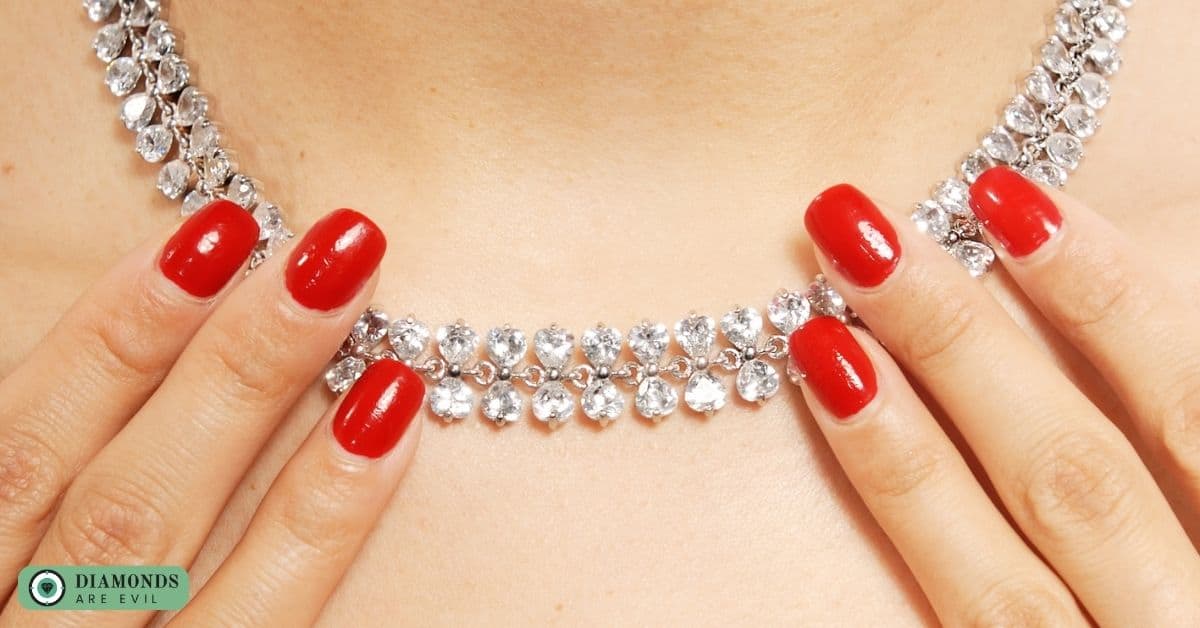
4. Weight
Generally speaking, real diamonds measure approximately 10% heavier than those that are fake. The variability of the weight is attributed to its cut, size, and carat weight which all contribute to a diamond’s overall heaviness. Weight therefore can be used with other characteristics such as luster, clarity, reflectivity, and refraction, to accurately distinguish between real and fake diamonds.
5. Hardness
Diamonds are the hardest natural substance known to man and have a higher level of hardness than any other mineral. Hardness ratings for diamonds range from 10 on the Mohs Hardness Scale which is the absolute highest rating given to any material.
The lower the hardness rating, the softer the material, and that’s why it’s important to consider this as one of several indicators when discerning between real and fake diamonds. Anything below 8 would likely alert you that it isn’t a real diamond and doesn’t belong in your jewelry collection.
6. Reflection
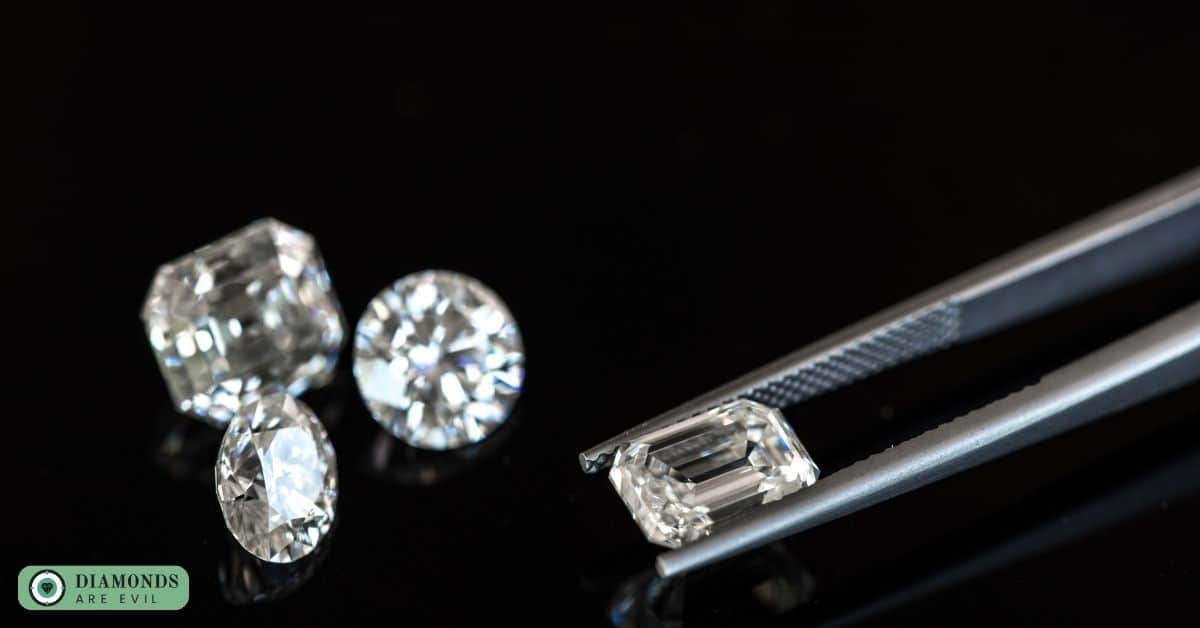
The reflection behavior of real diamonds demonstrates high brilliance, which is not seen in imitation stones such as cubic zirconia. Reflected light from diamonds has the unique ability to disperse the different colors of its spectrum in a very distinct way, and this rainbow of light is not visible in any other type of gemstone.
Refraction is one of the most important differences between a true diamond and an imitation: genuine diamonds have more pearlescence (flashes of light), whereas fakes have none. It’s also important to note that real diamonds will absorb much less light than fakes will when illuminated with a UV lamp, another marker for authentication. Reflection patterns and other differences between real and fake gems play a crucial role in helping professionals distinguish them from one another.
7. Cost
Real diamonds can be incredibly expensive, with prices increasing exponentially depending on the quality and size of the stone. Fake diamonds, on the other hand, mildly differ in cost despite having similar characteristics. With fake diamonds costing a fraction of real ones, discerning customers are increasingly opting for faux gems as affordable yet gorgeous alternatives.
| Real Diamond | Fake Diamond (Cubic Zirconia | Fake Diamond (Moissanite) |
| 0.5 Carat: $1,000 – $3,000 | 0.5 Carat: $10 – $20 | 0.5 Carat: $100 – $200 |
| 1 Carat: $4,000 – $12,000 | 1 Carat: $20 – $50 | 1 Carat: $300 – $600 |
| 2 Carat: $20,000 – $50,000 | 2 Carat: $100 – $200 | 2 Carat: $1,000 – $2,000 |
It’s important to note that these prices are approximate and can vary depending on the specific diamond and the market conditions. Also, it’s important to note that a real diamond with lower-quality characteristics can also be less expensive than a high-quality fake diamond.
8. Certification
Certification of diamonds is a crucial process that assists buyers in verifying the authenticity of their purchase. A real diamond from a reputable source can be certified as such by either an independent gemologist or a recognized laboratory. Fake diamonds, however, cannot be certified.
9. Origin
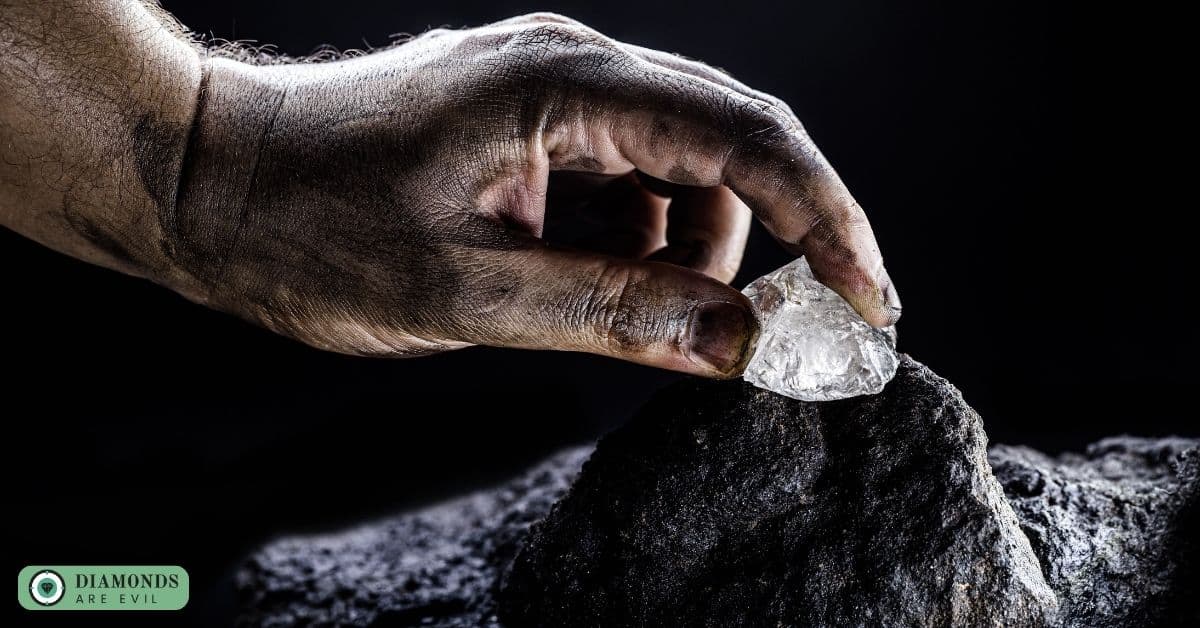
Origin is an important factor to consider when examining diamonds – real and fake. Real diamonds come from the ground and have a unique origin story that can typically be traced back to where they were mined. Fake diamonds are usually created in a lab with synthetic materials.
10. Treatment
Treatment is a process that diamonds are sometimes put through to improve their appearance. It can take many forms, including reducing or removing inclusions, altering color and clarity, irradiating substances such as boron, and coating the diamond with oil to make it sparkle more brightly.
It’s important to note that genuine diamonds have the potential to be treated like this, while fake diamonds do not; they aren’t able to accept treatment in the same way. Treatment should always be disclosed by any reputable diamond dealer so buyers can be fully informed about their purchase.
11. Heat
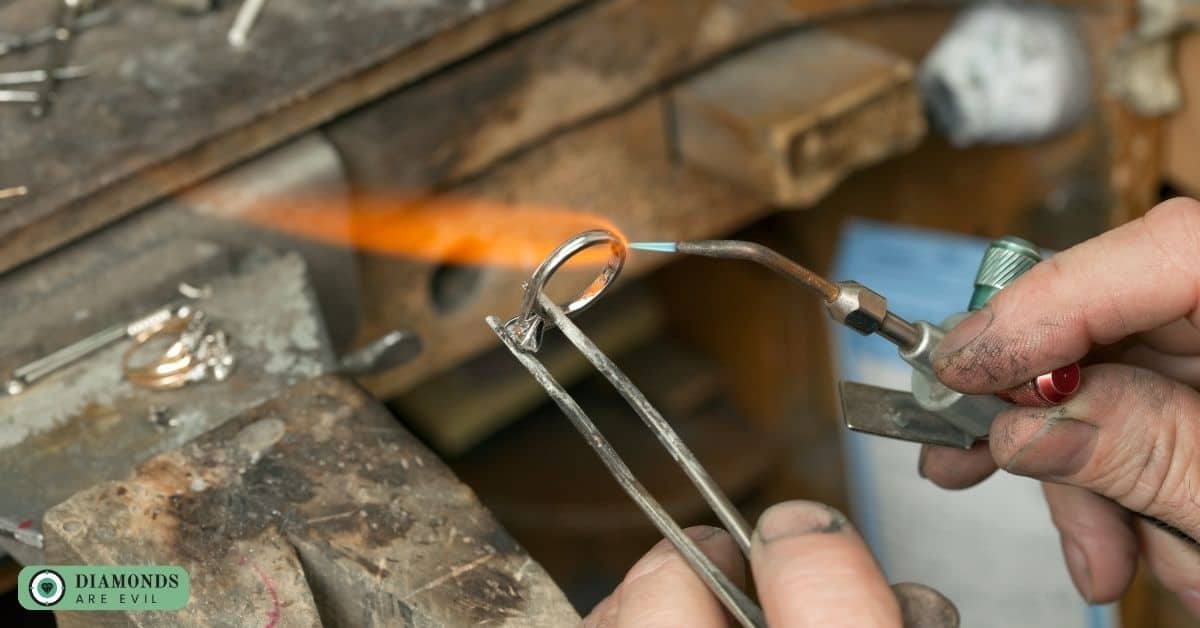
Real diamonds can withstand extremely high temperatures and will not melt in a fire, it alters the appearance of a diamond and causes it to change in color, clarity, and shape. While fake diamonds will usually degrade and discolor when exposed to heat.
12. Ultrasonic Cleaning
With ultrasonic cleaning, diamonds can completely restore the original sparkle and shine to their precious stones. Real diamonds are safe to clean with an ultrasonic cleaner, while fake diamonds can be damaged or even disintegrate when exposed to ultrasonic vibrations.
13. Transparency
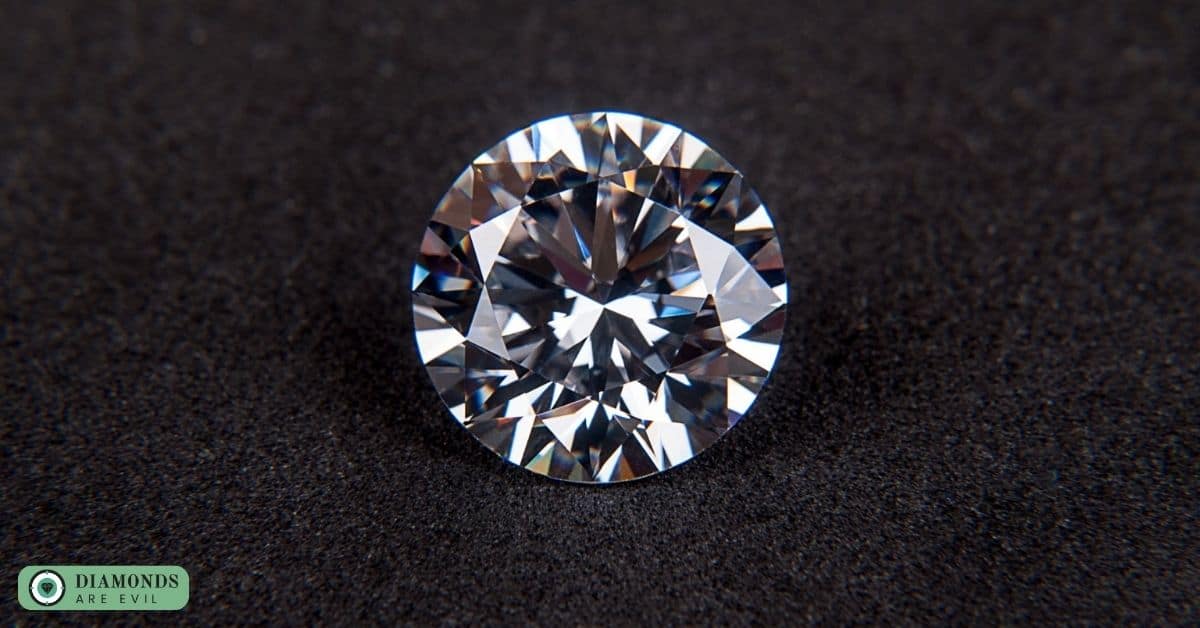
Real diamonds are almost completely transparent, while fake diamonds may have yellow or other hues visible in them.
14. Fluorescence
Fluorescence refers to the glow a diamond gives off when exposed to ultraviolet light, caused by nitrogen atoms present in the diamond. Fluorescent diamonds can appear to be up to two shades brighter than they naturally are, while non-fluorescent diamonds remain the same shade under UV light. Real diamonds may fluoresce in any of eight different colors, whereas artificial or simulated diamonds do not usually display this property.
15. Value
Authentic diamonds have proven value that increases over time, a fake diamond has no intrinsic value, making it a generally poor investment of both time and money
16. Durability
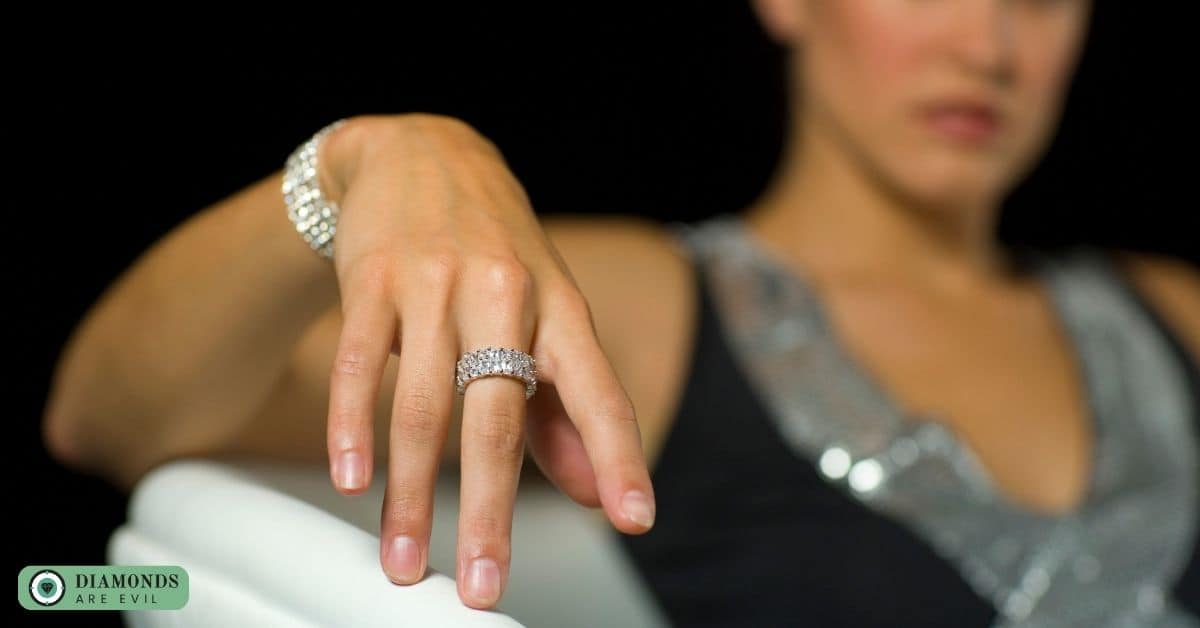
Real diamonds are extremely strong, durable stones that can withstand year after year of use and still maintain their brightness and sparkle. Fake diamonds, on the other hand, are usually made from cheaper materials that don’t stand up to wear and tear as well as imitations made with superior metals.
17. Feel
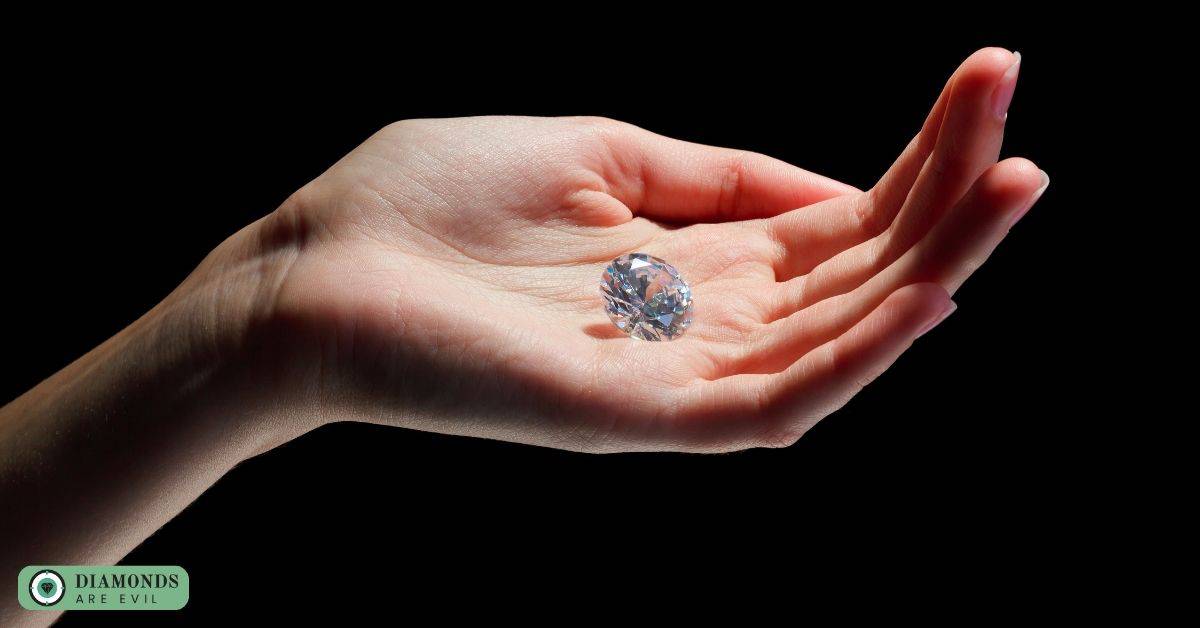
It can be difficult to tell the difference between a real and fake diamond at first glance; however, when put into someone’s hand there is a vastly different feel. While a real diamond will feel icy, almost electric in its coldness, a fake diamond will tend to have more of an oily and heavy feel due to the man-made materials being composed of entirely different substances than that of the former.
In conclusion
There are many differences between real and fake diamonds that should be taken into account when purchasing a diamond. Genuine diamonds have higher clarity, color, weight, hardness, reflection, origin, and value than their synthetic counterparts.
It’s important to take the time to get informed on these 18 distinctions between real and fake diamonds in order to make an informed, educated decision when investing in a diamond. Make sure to always seek out reputable sources and certified diamonds if you want to keep your jewelry collection sparkling with genuine gems!