
5 Quick Tests to Determine if Your Jewelry is a Real Diamond
Determining if your jewelry is a real diamond can be tricky, but there are five quick tests you can perform to identify the real thing. These tests include the fog test, weight test, water test, heat test, and magnification test. While these tests can provide a good indication, it’s always best to consult a professional appraiser for an accurate assessment.
In this blog post, we’ll cover 5 quick tests you can do to determine if your jewelry is a real diamond. Read on to learn more and become an expert in gemstone identification.
Importance of Identifying Real Diamonds
Identifying real diamonds is crucial when purchasing jewelry or investing in precious stones. A genuine diamond has a unique and remarkable beauty that cannot be matched by synthetic stones.
It is a symbol of true luxury, wealth, and class, and owning one is a dream for many. However, identifying real diamonds can be challenging, especially for those without any prior knowledge of gemology.
Spotting a fake stone is important to avoid being fooled by unscrupulous diamond sellers. Therefore, it is crucial to know the characteristics that distinguish natural diamonds from their synthetic counterparts. This knowledge will help buyers choose a genuine stone that will last a lifetime and preserve its value over time.
Test 1: The Fog Test
The fog test is one of the most popular and easily accessible methods out there. Essentially, the fog test involves breathing on a diamond (or a diamond-like stone) and observing its reaction to your breath. If the stone remains clear and fog-free, then it is most likely a real diamond.
However, if it fogs up for a few seconds, it may be a cubic zirconia or another type of imitation stone. Keep in mind, however, that this test is not foolproof and should always be followed up with more thorough assessments from a professional gemologist.
Steps to perform the test
The fog test is one of the most straightforward ways to identify a real diamond. This test takes advantage of the unique heat-conducting properties of a diamond to differentiate it from other materials that may look similar. Here are the steps to perform the fog test:
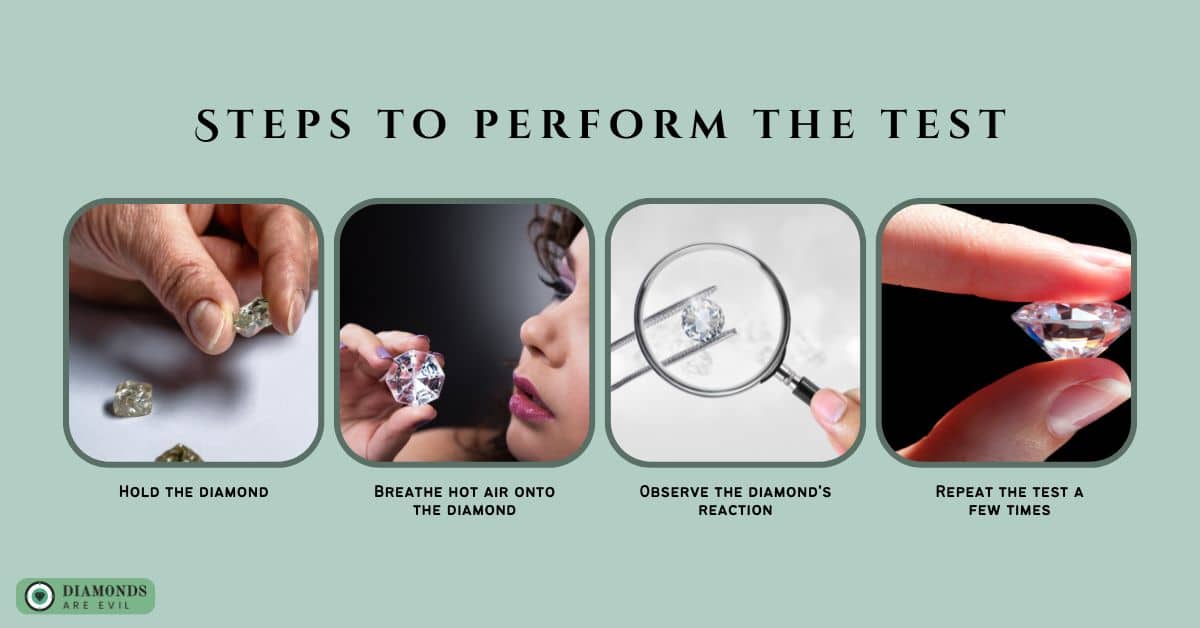
- Hold the diamond or diamond-containing jewelry between two fingers.
- Breathe hot air onto the diamond, as if you were trying to fog up a mirror.
- Observe the diamond’s reaction. If it clears up immediately, it’s likely a real diamond. If it stays fogged for a few seconds, it’s likely a fake diamond.
- Repeat the test a few times to confirm the results.
Limitations of the test
Fog Test has been a popular method for years. However, it’s important to understand the limitations of this test. The Fog Test involves breathing onto a diamond and observing the way the moisture disperses. While a real diamond will disperse the moisture quickly, a fake diamond may take longer or leave a film on the stone.
While this may seem like a foolproof method, it’s important to note that there are certain materials, such as moissanite, that may pass the Fog Test and be mistaken for a real diamond. It’s important to combine multiple testing methods to ensure the authenticity of a diamond.

Test 2: The Weight Test
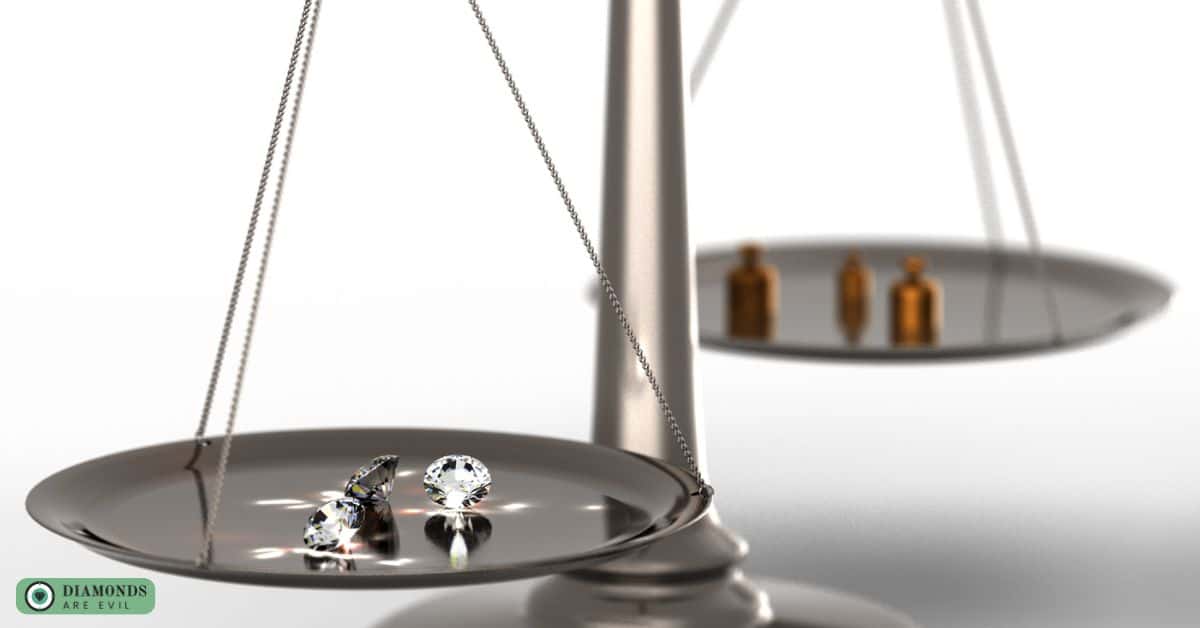
Another simple and helpful test is the weight test. This involves weighing a stone on a calibrated balance scale to determine its specific gravity. Generally speaking, real diamonds are heavier than imitation stones with the same dimensions because they have a denser molecular structure.
Steps to perform the test
The weight test is an easy yet effective method to identify real diamonds. Here are the steps to perform this test:
- Place the diamond on a calibrated balance scale.
- Compare the weight of the stone to its dimensions (length, width, and depth).
- If the diamond is heavier than expected for its size, it’s likely a real diamond.
Limitations of the Test
Although this test is often effective in identifying real diamonds, it does have some limitations. Factors such as the type of settings and other materials used can affect the weight of a diamond, making it inaccurate at times.
In addition, certain artificial stones, such as moissanite, may be heavier than synthetic diamonds but still pass a visual assessment. Therefore, it’s important to combine this test with other methods for accurate identification.
Test 3: The Water Test
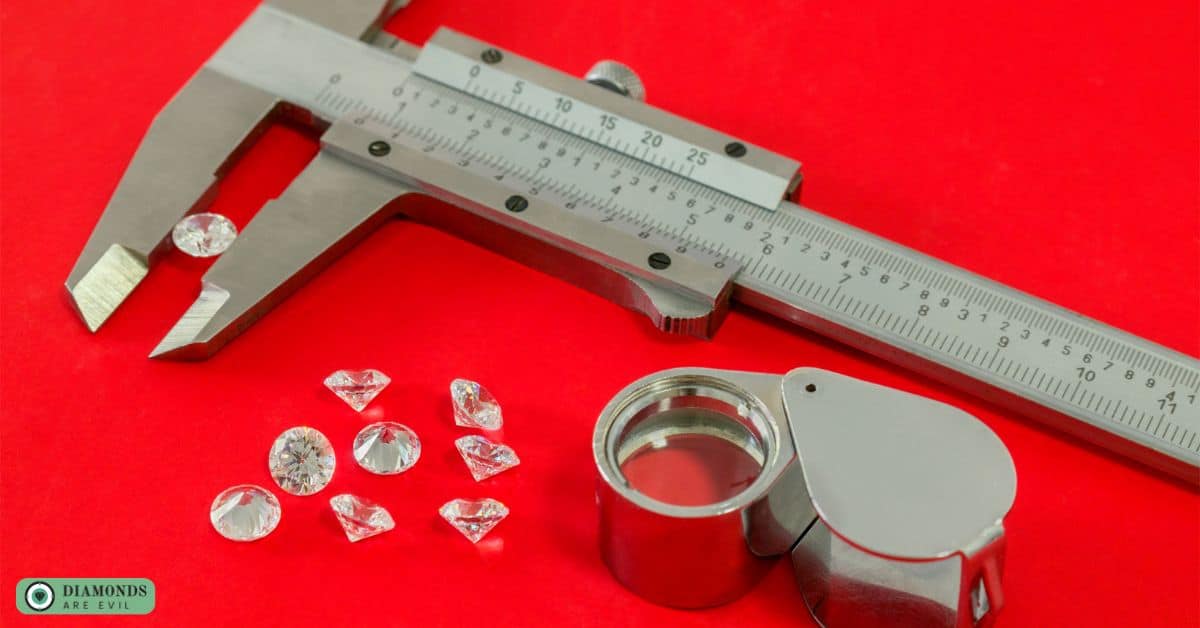
The Water Test is another popular way to identify real diamonds. This test involves dropping a diamond into a glass of water and observing its reaction. Real diamonds are composed of molecules that are denser than water, which makes them sink faster than lighter materials such as cubic zirconia or glass.

Steps to perform the test
Here are the steps to perform the Water Test:
- Fill a glass with water and use a pipette to drop the diamond into it.
- Observe how quickly or slowly the stone sinks to the bottom of the glass.
- If it sinks immediately, it’s likely a real diamond. If it takes longer than expected, then it could be an imitation stone.
Limitations of the Test
The Water Test can be an effective way to identify real diamonds, but it is not foolproof. The weight and size of a diamond can influence its density and thus affect how quickly it sinks in the water. As with other tests, it’s important to combine the Water Test with more thorough assessments from a professional gemologist to ensure accuracy.
Test 4: The Heat Test
The heat test is one of the most reliable ways to identify real diamonds. This test takes advantage of a diamond’s unique properties and its ability to conduct heat faster than other materials such as glass or cubic zirconia.
Steps to perform the Test
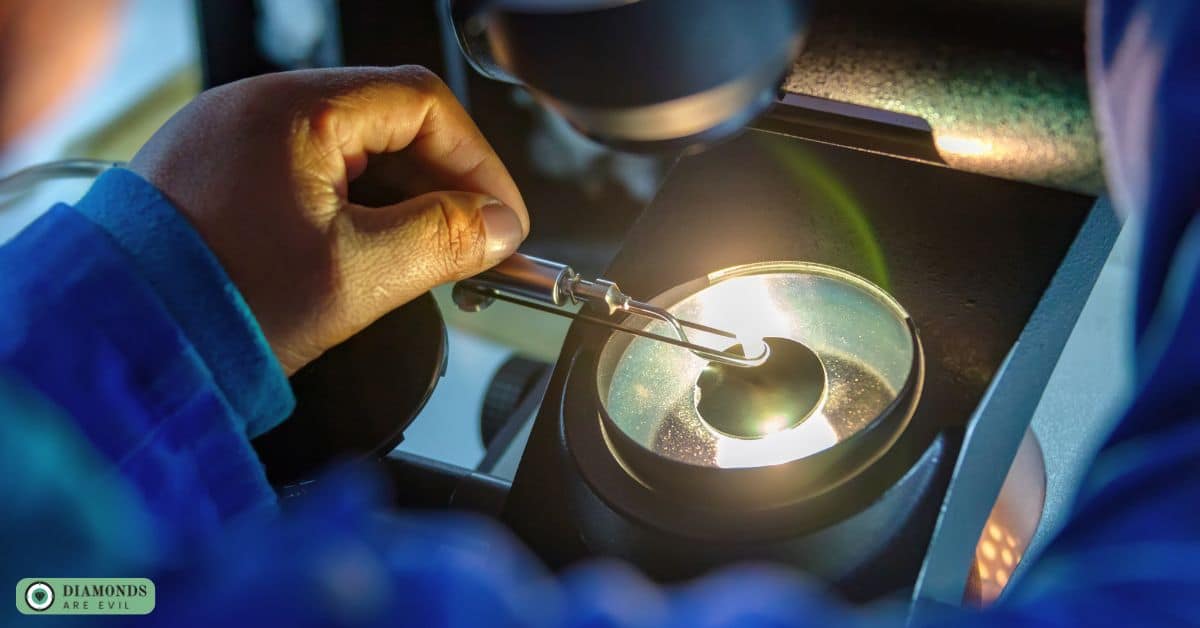
Here are the steps to perform the Heat Test:
- Heat up a needle or a pin until it is hot to the touch.
- Press the needle against one of the sides of the diamond.
- Observe how quickly the diamond disperses the heat. If it dissipates very quickly, then it’s likely a real diamond.
Limitations of the Test
The Heat Test is an accurate way to identify real diamonds, but it does have some limitations. This test should not be confused with a diamond’s reaction to extreme heat, which can cause the stone to crack or fracture.
Additionally, certain materials such as moissanite may pass this test but still be mistaken for a real diamond. It’s important to use other testing methods in combination with the Heat Test for accurate identification.
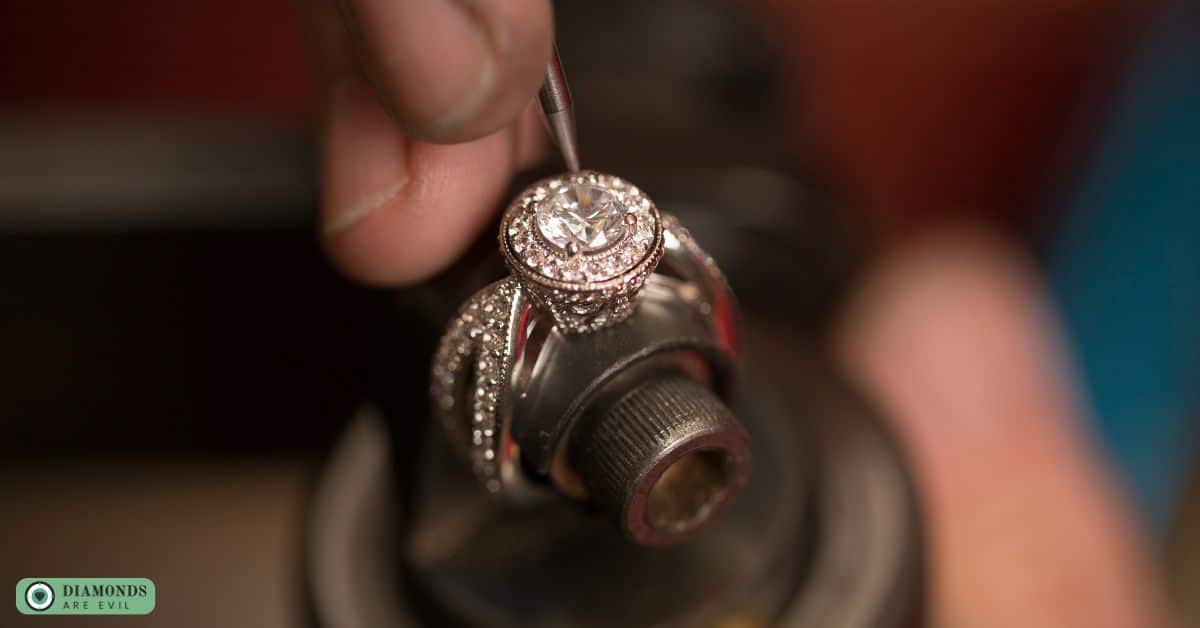
Test 5: The Magnification Test
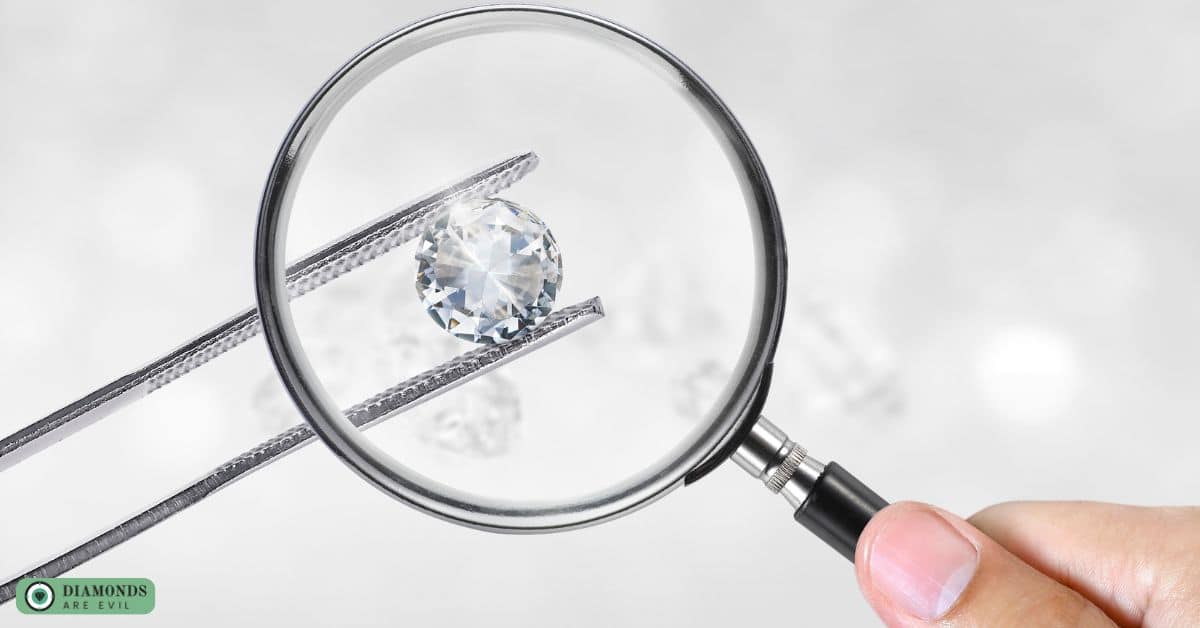
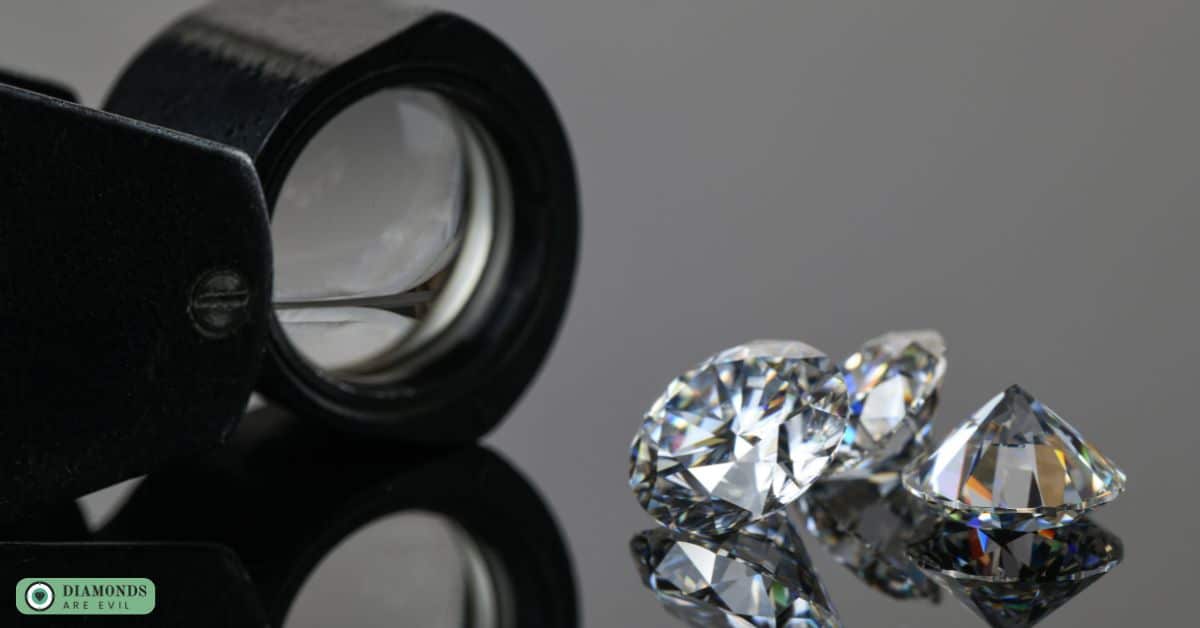
The Magnification Test is another reliable way to identify real diamonds. This test takes advantage of the unique geological characteristics of diamonds, such as their facets and inclusions. By closely inspecting a diamond under magnification, it’s possible to detect subtle differences that can help distinguish real stones from fakes.
Steps to perform the Test
To perform the Magnification Test, you will need a 10x magnifying glass. Here are the steps to follow:
- Look closely at the diamond under a magnifying glass and pay attention to its facets, inclusions, and blemishes.
- Real diamonds have unique characteristics that can be seen through magnification, such as tiny sparkles or clouds inside the stone.
- Compare the diamond against a picture of a real diamond under magnification to verify its authenticity.
Limitations of the Test
The Magnification Test is an accurate way to identify real diamonds, but it requires practice and knowledge of diamond anatomy. It can be difficult for novices to distinguish between genuine stones and fakes without any prior knowledge.
Additionally, certain materials such as moissanite may appear similar to real diamonds at 10x magnification and still be mistaken for a genuine stone. Combining this test with other methods is essential for accurate identification.
In Conclusion
Identifying real diamonds can be a difficult task, but it is important to learn how to spot a fake stone in order to protect yourself from unscrupulous sellers. With the right knowledge and testing methods, you can ensure that your investment will last for generations.
The five quick tests outlined above are easy and effective ways to identify real diamonds. However, it’s important to combine these tests with more thorough evaluations from a professional gemologist for accurate identification. By using the right testing methods, you can be sure that your diamond is genuine and will remain a symbol of true luxury and beauty.