
Are Diamonds Rare Enough to Justify Their High Prices?
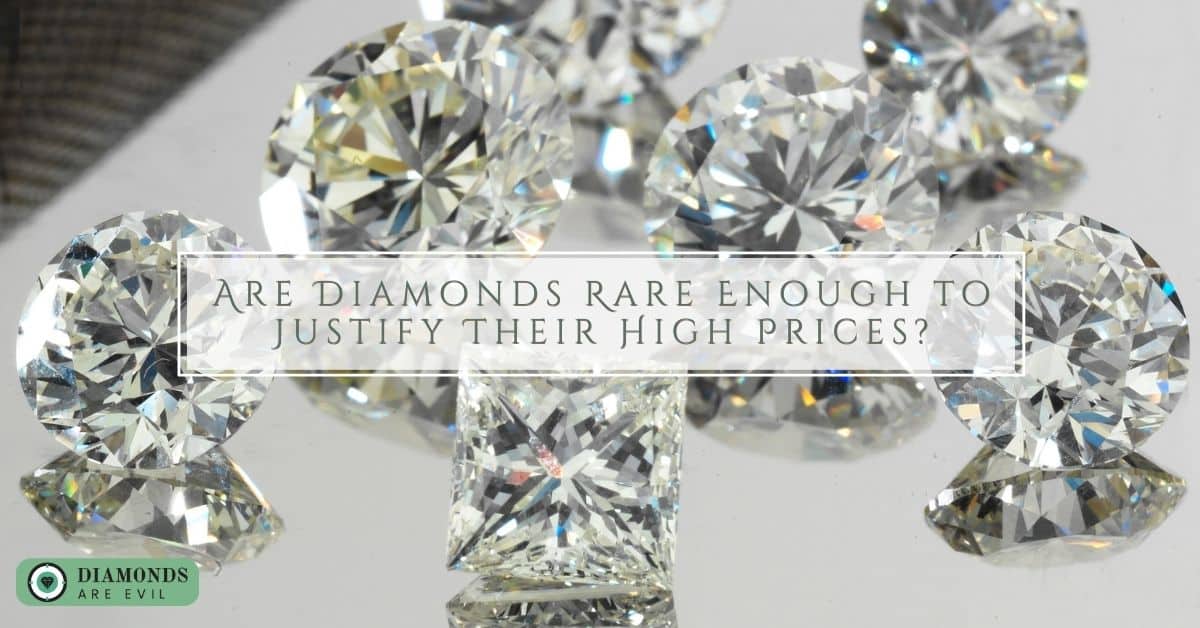
Diamonds are popular due to their beauty and symbolism, but their high prices are controversial. The rarity of gem-quality diamonds and the diamond industry’s involvement contribute to the cost. Other factors such as marketing and ethical considerations also affect diamond prices, and the worth of diamonds is a subjective decision.
Are diamonds a girl’s best friend? With their stunning sparkle, luxurious beauty, and seemingly high price tag, diamonds are often seen as a symbol of love, commitment, and wealth. But just how rare are they? In this blog post, we’ll take a look at the diamond industry to answer that question and examine whether or not diamonds are worth their high prices.
Diamond Rarity: Supply and Demand
Diamonds are considered one of the most valuable and sought-after gemstones in the world. However, their rarity only adds to their prestige and value. The supply of diamonds is closely controlled by a few major players in the industry. This means that the availability of diamonds is not limitless, and as demand grows, so too does their price.
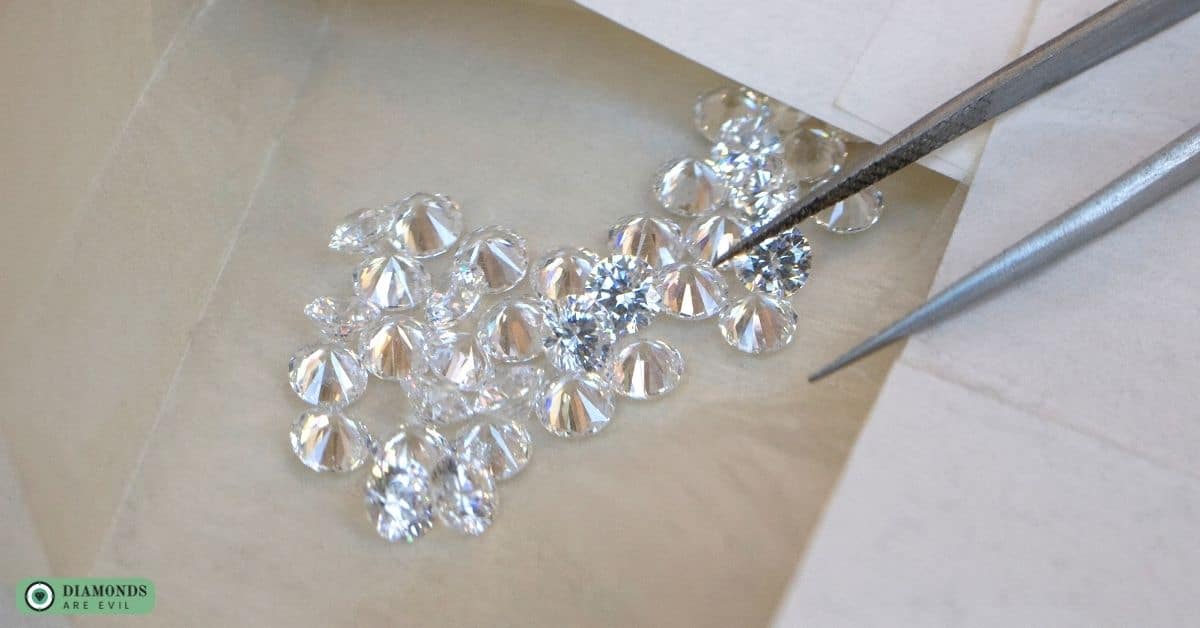
One aspect that makes this gemstone so rare is that they take millions of years to form. They are found in underground mines and are only discovered after extensive exploration. Once diamonds are mined, they are carefully sorted and distributed around the world to become part of the supply chain.
The demand for diamonds comes from all over the world. Despite their high price, the demand for diamonds remains strong due to their beauty, symbolism, and reputation. The soaring demand for diamonds that took place over the past decades has raised their value, leading to a competitive and lucrative market for those who own or mine them.
The Diamond Industry’s Impact on Prices
The diamond industry has a significant impact on the pricing of diamonds. The industry is highly concentrated, with only a few companies controlling the majority of the global diamond supply. This concentration of power allows them to control the supply side of the market, which has a direct effect on prices.
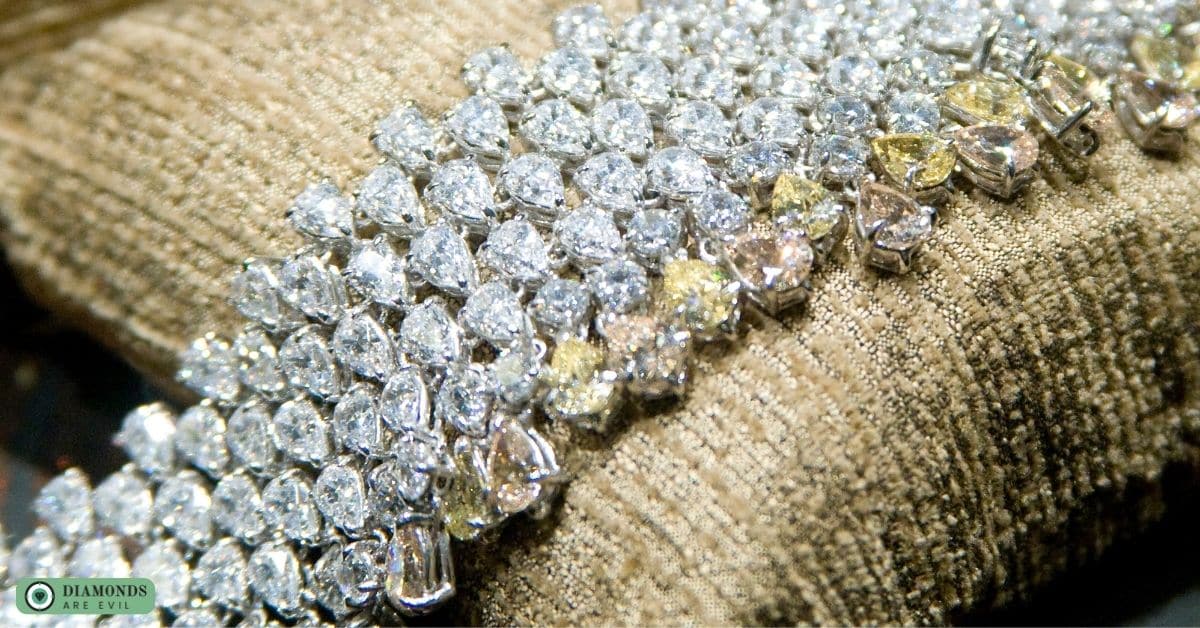
Diamonds are priced based on their quality and rarity, with rare diamonds fetching a higher price. Large diamond companies have a significant influence on the availability of rare diamonds, as they control the majority of the supply. This control allows them to manipulate the market by strategically releasing or withholding diamonds from the market, which directly affects prices.
Additionally, the diamond industry invests heavily in marketing and advertising campaigns to create and maintain demand for diamonds. These campaigns create an emotional connection to the diamond as a symbol of love and commitment, which further drives up prices by increasing demand.
Marketing and the High Cost of Diamonds
Marketing plays a significant role in the high cost of diamonds. The diamond industry invests heavily in advertising campaigns, which have successfully created a strong emotional connection between diamonds and love, commitment, and prestige. These emotions often drive consumers to pay high prices for diamonds.
The diamond industry has also carefully cultivated the perception that larger diamonds are more valuable, leading consumers to seek out bigger and more expensive stones. However, the reality is that a diamond’s value is based on its rarity, color, clarity, and cut, rather than its carat weight.
Furthermore, the diamond industry has created a monopoly-like system that inflates prices. Only a handful of major companies control the majority of diamond production and supply, giving them the power to tightly control prices.
| Diamond Cut | Carat Weight | Color | Clarity | Price Range |
|---|---|---|---|---|
| Round | 1.00 ct | D | IF | $10,000 – $15,000 |
| Princess | 0.50 ct | F | VS1 | $3,500 – $5,000 |
| Cushion | 2.00 ct | G | SI2 | $15,000 – $20,000 |
| Oval | 1.50 ct | E | VVS2 | $12,000 – $17,000 |
| Emerald | 1.20 ct | H | VS2 | $8,000 – $12,000 |
Alternatives to Diamonds: Other Gemstones
Alternative gemstones to diamonds offer a unique and often more affordable option for those looking for an engagement ring or piece of jewelry. Here are some of the most popular alternatives to diamonds:
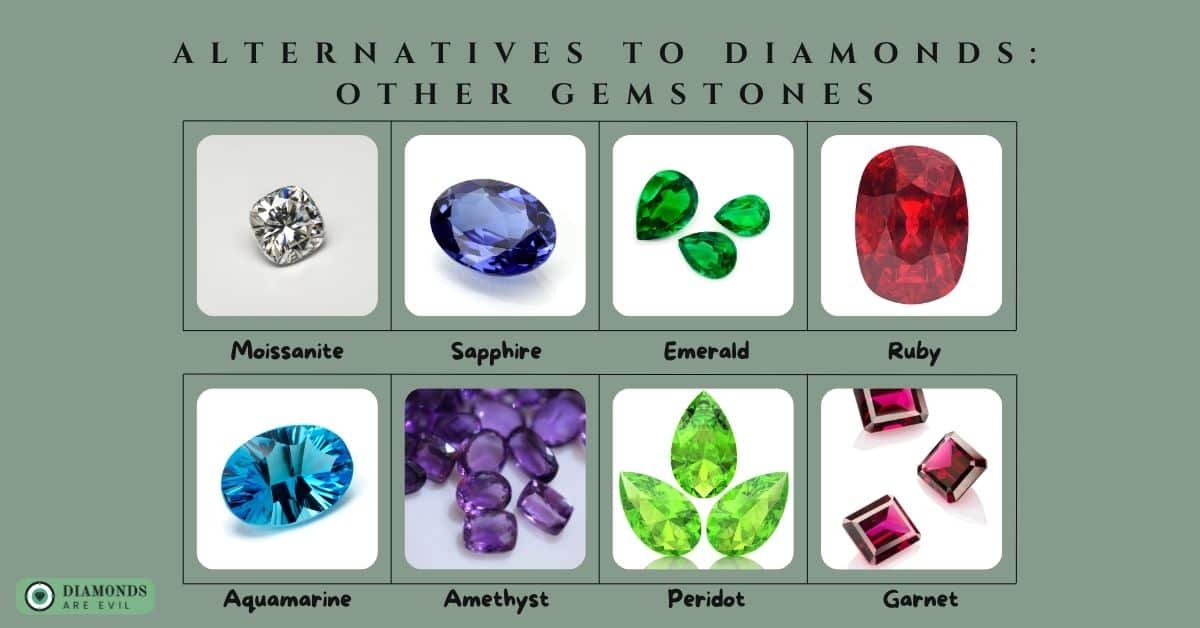
Moissanite
A lab-created gemstone that looks similar to a diamond but is more affordable.
Sapphire
A beautiful blue gemstone that comes in varying shades, including pink, yellow, and green.
Emerald
A green gemstone known for its stunning color and is often used as the center stone in engagement rings.
Ruby
A red gemstone that has long been considered a symbol of passion and love.
Aquamarine
A beautiful blue gemstone that is often used as a more affordable alternative to diamond engagement rings.
Amethyst
A purple gemstone that is known for its beautiful color and affordability.
Peridot
A bright green gemstone that is often used in jewelry designs, but also can serve as an affordable engagement ring option.
Garnet
A dark red gemstone that is often used in vintage-style pieces.
Overall, there are many beautiful alternatives to diamonds that can be used in engagement rings and other pieces of jewelry. These gemstones offer unique beauty and often more affordable prices, making them a great choice for those looking for something special without breaking the bank.
Ethics of Diamond Production and Mining
The ethics of diamond production and mining have been the subject of much controversy in recent years. Some of the main issues include worker exploitation, environmental damage, and the use of blood diamonds to fund wars in Africa.
Many diamond mines are located in developing countries where labor laws are lax, and workers face hazardous working conditions, low wages, and other abuses. Additionally, mining can have a devastating impact on the environment, including soil erosion, deforestation, and pollution of water sources.
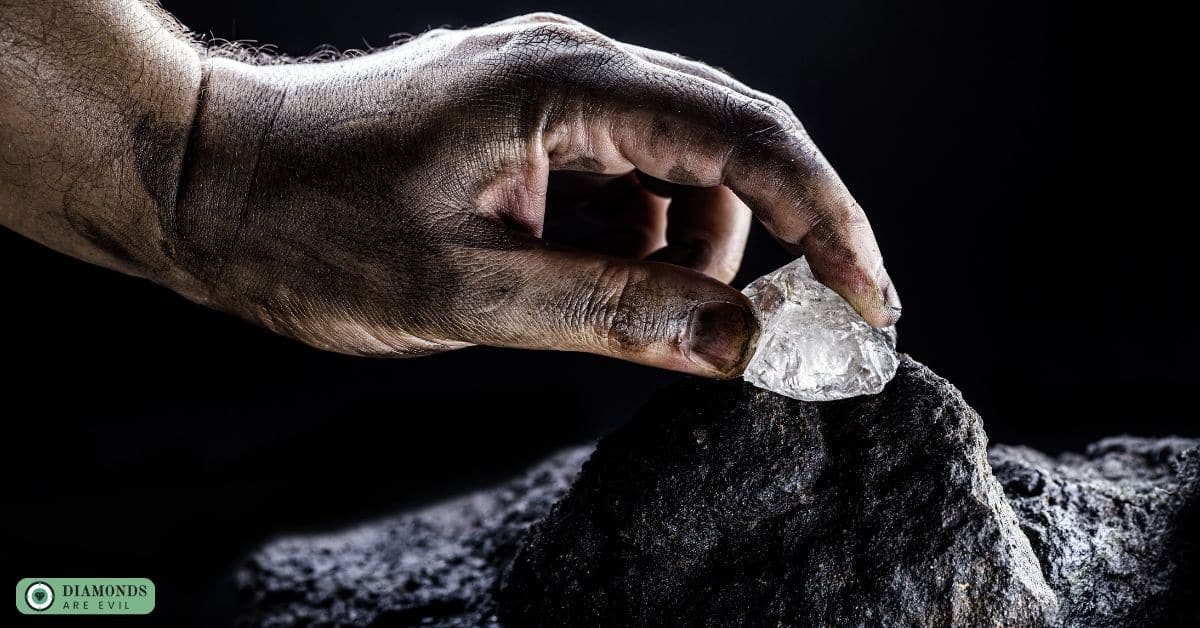
The issue of blood diamonds, also known as conflict diamonds, has also come to the forefront of ethical concerns in the diamond industry. Rebels in war-torn countries have been known to mine diamonds and sell them on the black market to fund their conflicts, resulting in human rights abuses and other atrocities.
To address these issues, various organizations have been established to promote ethical diamond production and mining practices. These include industry initiatives such as the Kimberley Process Certification Scheme for diamonds and the Responsible Jewellery Council.
In conclusion
Diamonds are popular and valuable due to their rarity and symbolism. The diamond industry’s involvement in controlling supply and demand contributes to the high prices of diamonds. As well as marketing campaigns that create an emotional connection with the stone.
Ultimately, the worth of diamonds is a subjective decision that every consumer must make for themselves. Whether you decide to invest in diamonds or opt for an alternative gemstone, the important thing is that you find the perfect piece of jewelry for your special occasion.