
Are Diamonds Rare in Nature?
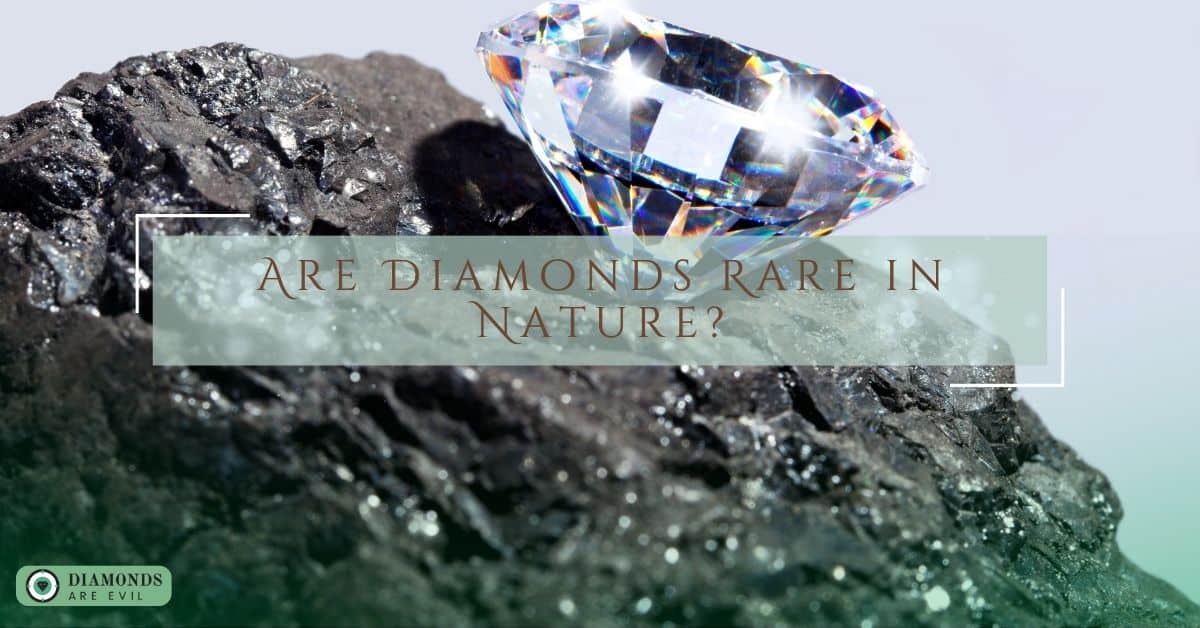
Diamonds have long been associated with wealth, power, and beauty. But are diamonds really rare in nature?
The answer lies in the geological processes that form natural diamonds deep within the Earth’s mantle, as well as their limited distribution and occurrence around the world. Mining for diamonds also has its own set of challenges and environmental impacts. Further complicating the matter are lab-grown and synthetic diamonds, as well as concerns over sustainability and the future of diamond mining.
In this article, we will explore the rarity of natural diamonds, the geological processes behind their formation, the challenges of mining for them, and how this affects their supply and demand in today’s market.
Formation of Natural Diamonds
Natural diamonds form deep within the Earth, under extreme heat and pressure. They are formed when carbon molecules bond together in a lattice structure due to intense pressure and high temperatures found up to 200 kilometers below the Earth’s surface. Natural diamonds take millions of years to form as they slowly migrate toward the Earth’s surface through volcanic eruptions.
Throughout their formation, diamonds are exposed to extreme temperatures and pressures that help give them their unique properties such as color, clarity, and strength. Natural diamonds are rare treasures that have been admired for centuries by people all around the globe.
The Rarity of Natural Diamonds
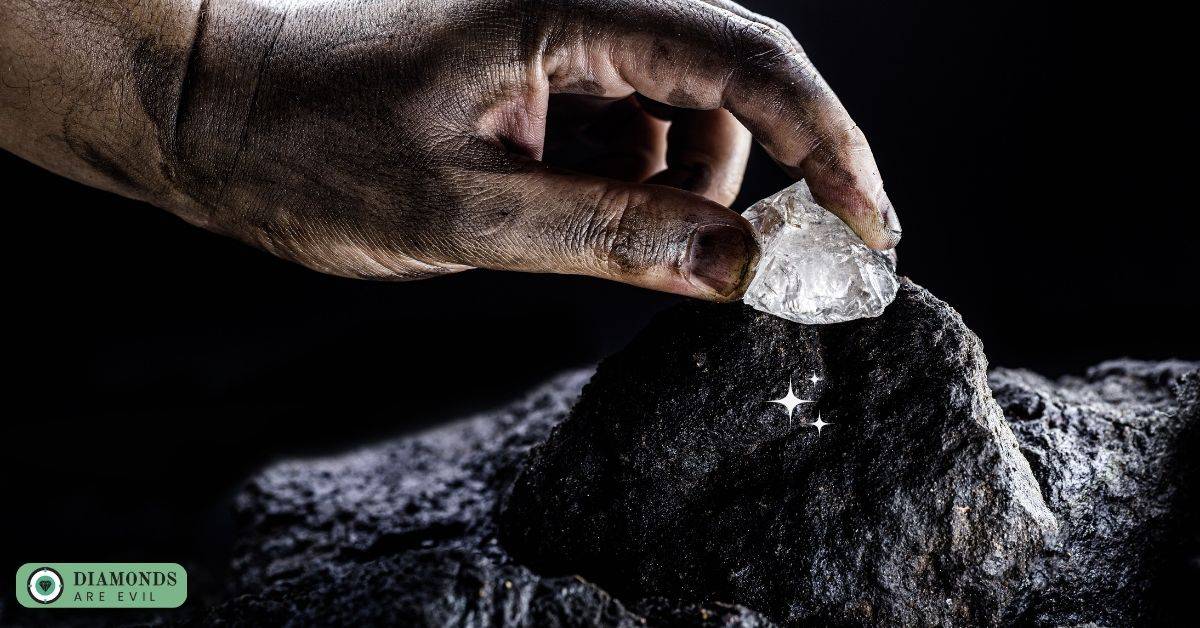
The rarity of natural diamonds is a major factor in their value and desirability. Diamond deposits are found in a limited number of locations around the world, and only a small fraction of these deposits are economically viable to mine due to the challenges involved in extraction. Understanding the distribution and occurrence of diamond deposits is key to understanding the rarity of natural diamonds.
Variations in Diamond Quality
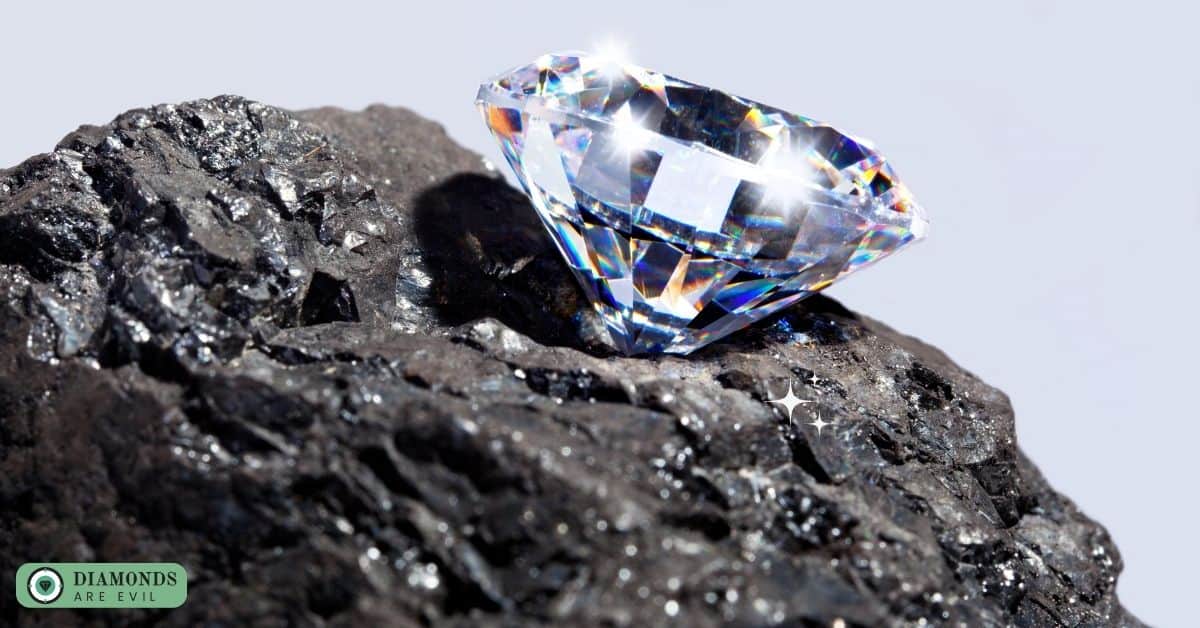
Diamonds are treasured for their beauty and value, but the quality of a diamond can vary depending on its origin, clarity, size, and other characteristics. Natural diamonds are graded by the 4C’s – cut, color, carat, and clarity – while synthetic diamonds are created using advanced technology to produce identical characteristics as natural ones. Regardless of their source, understanding variations in diamond quality will help you pick the perfect one for your special occasion.
Geological Factors That Affect Diamond Quality
Geological factors play a crucial role in determining the quality of natural diamonds. The following are some of the geological factors that can affect diamond quality:
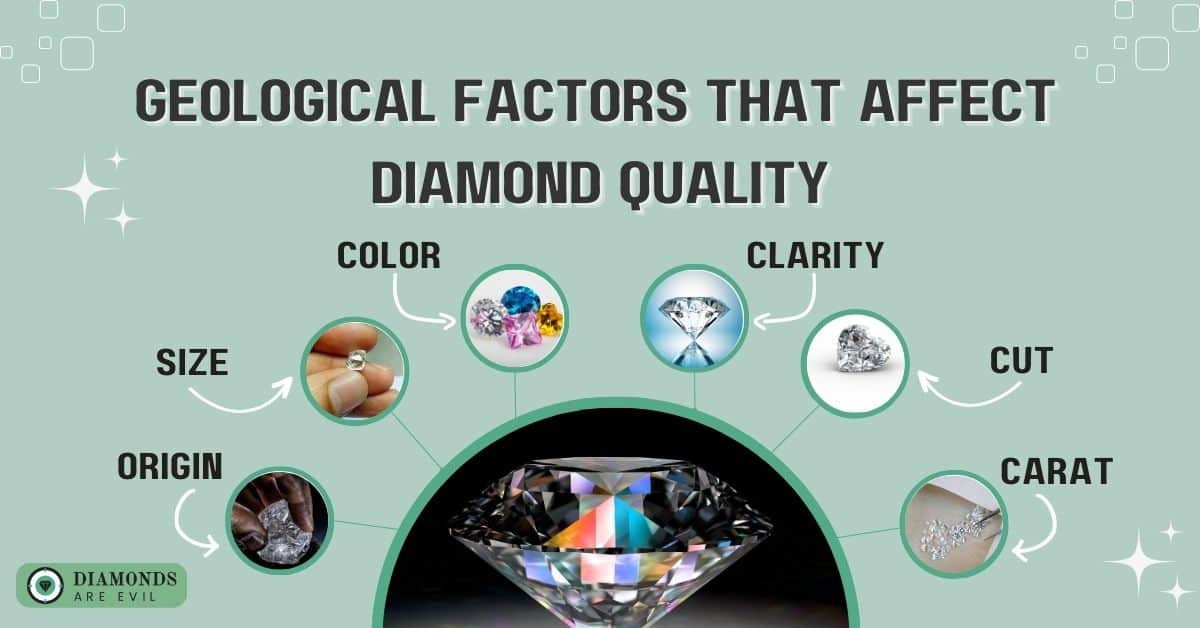
Origin: The geological environment in which a diamond is formed can significantly impact its quality. Diamonds that are formed in certain types of rocks, such as eclogite, are known to have higher quality than those formed in other types of rocks.
Size: The size of a diamond can affect its quality, as larger diamonds are generally considered to be more valuable. However, larger diamonds are also rarer and more difficult to find, which can impact their availability and price.
Color: The color of a diamond is determined by the presence of trace elements or structural defects in the crystal lattice. Colorless diamonds are the most valuable, while colored diamonds are valued based on their rarity and the intensity of their color.
Clarity: The clarity of a diamond refers to the number and type of inclusions, or imperfections, that are present within the crystal. Diamonds with fewer inclusions are considered to be of higher quality and are more valuable.
Cut: The cut of a diamond refers to the way in which it has been shaped and polished. A well-cut diamond will reflect light in a way that maximizes its brilliance, fire, and scintillation, making it more desirable and valuable.
Carat: It is a unit of measurement used to describe the weight of a diamond, which can range from 0.2 carats to 2 carats and beyond. The larger the carat weight, the higher price the diamond will command.
Synthetic Diamonds
Synthetic diamonds are man-made diamonds that are produced using advanced technology in a laboratory setting. They have the same physical and chemical properties as natural diamonds, but they are typically less expensive and less ethically or environmentally sound. Synthetic diamonds are created using either high-pressure, high-temperature, or chemical vapor deposition methods.
They are often used in industrial applications, such as cutting and polishing tools, due to their durability and hardness. Although they are also used in high-end jewelry, natural diamonds are still highly valued in the jewelry market due to their rarity and uniqueness.
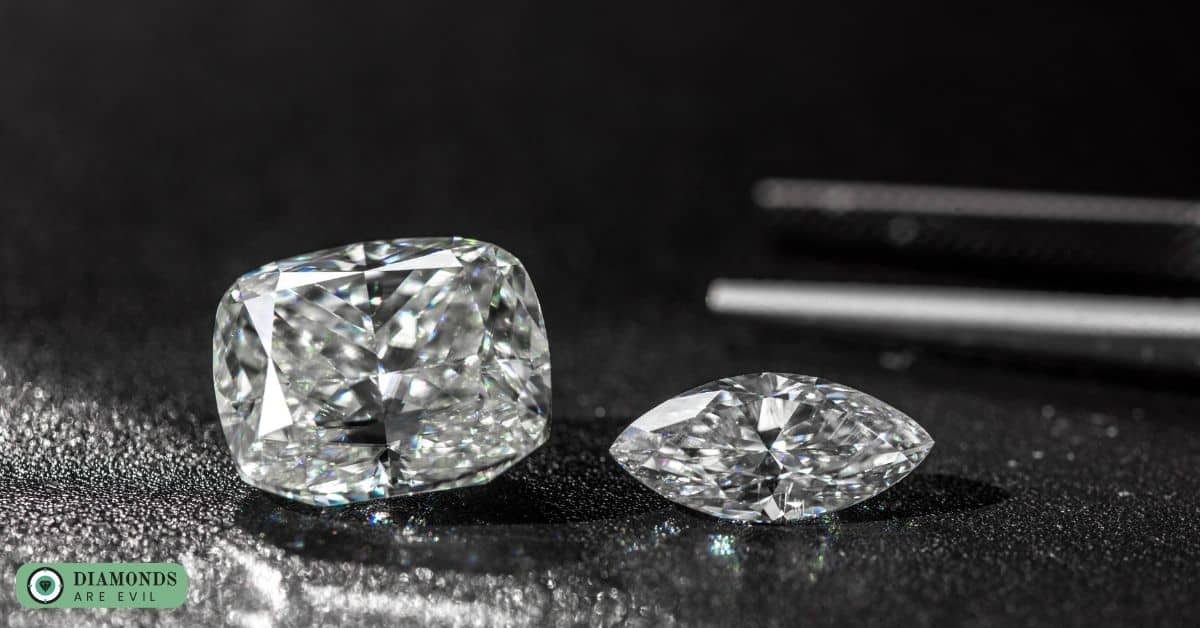
Comparison Between Natural and Synthetic Diamonds
Here is a table comparing natural and synthetic diamonds:
| Comparison | Natural Diamonds | Synthetic Diamonds |
|---|---|---|
| Formation | Formed naturally deep in the earth’s mantle over millions of years through intense heat and pressure.
|
Grown in a lab using advanced technology that mimics the natural process, but at an accelerated rate. |
| Rarity | Rare and valuable due to limited supply and high demand.
|
More abundant and less expensive than natural diamonds. |
| Quality | Natural diamonds can vary in quality, with factors such as size, cut, color, and clarity affecting their value. | Synthetic diamonds can be produced in a controlled environment with consistent quality and fewer imperfections. |
| Environmental Impact | Diamond mining can have significant environmental impacts, such as soil erosion, deforestation, and water pollution. | Synthetic diamond production requires energy and resources, but has a lower environmental impact compared to diamond mining. |
| Ethics | Diamond mining can have negative social impacts, such as human rights violations and exploitation of local communities. | Synthetic diamond production can be more ethical and transparent, as it avoids the potential human rights and environmental issues associated with mining. |
| Market | Natural diamonds dominate the high-end jewelry market due to their rarity and prestige. | Synthetic diamonds are gaining popularity in the jewelry industry due to their affordability and quality. |
Pros and Cons of Synthetic Diamonds
Here is a table outlining the pros and cons of synthetic diamonds:
| Pros of Synthetic Diamonds | Cons of Synthetic Diamonds |
|---|---|
| Less expensive than natural diamonds
|
Less valuable and rare than natural diamonds |
| Have the same physical and chemical properties as natural diamonds | Can be seen as less ethically or environmentally sound |
| Can be produced more quickly than natural diamonds | May have a negative impact on the natural diamond industry |
| Widely available and accessible
|
Limited market demand in high-end jewelry |
| Can be used in industrial applications due to their durability and hardness | May be seen as less sentimental or romantic than natural diamonds |
| Have a consistent quality and clarity | May not have the same emotional or historical significance as natural diamonds |
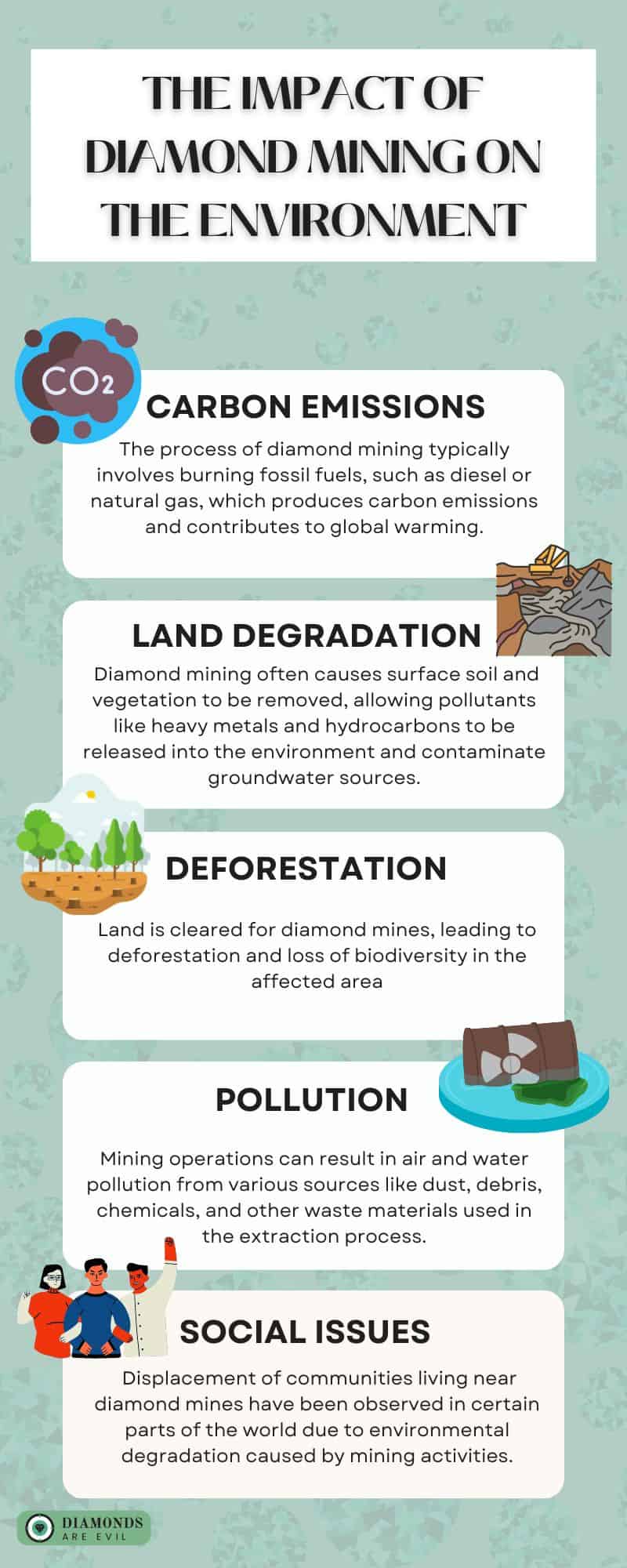
The Impact of Diamond Mining on the Environment
Diamond mining can have significant environmental and social impacts, including soil erosion, deforestation, water pollution, and human rights violations. As a result, many companies are implementing sustainable and ethical practices in their mining operations, such as using renewable energy, minimizing waste, and providing fair labor practices.
. Here are some of the most notable consequences of this activity:
In conclusion
Natural diamonds are rare and valuable due to their limited availability, formation process, and unique characteristics. Mining for diamonds carries its own set of environmental impacts and ethical considerations. Synthetic diamonds offer an affordable alternative that still has some advantages over natural ones, but they have yet to match the desirability of the real thing. Ultimately, it is up to the consumer to decide which type of diamond is right for them. No matter the choice, diamonds will continue to be a treasured symbol of wealth, power, and beauty.