
Are Lab-Created Diamonds Ethical?
Lab-created diamonds are gaining popularity as a sustainable and cost-effective alternative to natural diamonds, but the ethical implications vary depending on the company producing them. It is important to choose a reputable company that prioritizes sustainability and ethical labor practices.
Are you in the market for an engagement ring, but find yourself wondering which type of diamond is the most ethical? If you’re torn between traditionally mined diamonds and lab-created diamonds, this blog post will help you understand both options and make a more informed decision.
We’ll cover topics like the environmental impact of diamond mining, ethical concerns surrounding mined diamonds, what lab-created diamonds are and how they’re made, the ethics of lab-grown diamonds compared to traditionally mined diamonds, and whether lab-created diamonds can become the ethical alternative consumers are looking for. Read on to find out more!
What Are Lab-Created Diamonds, and How Are They Made?
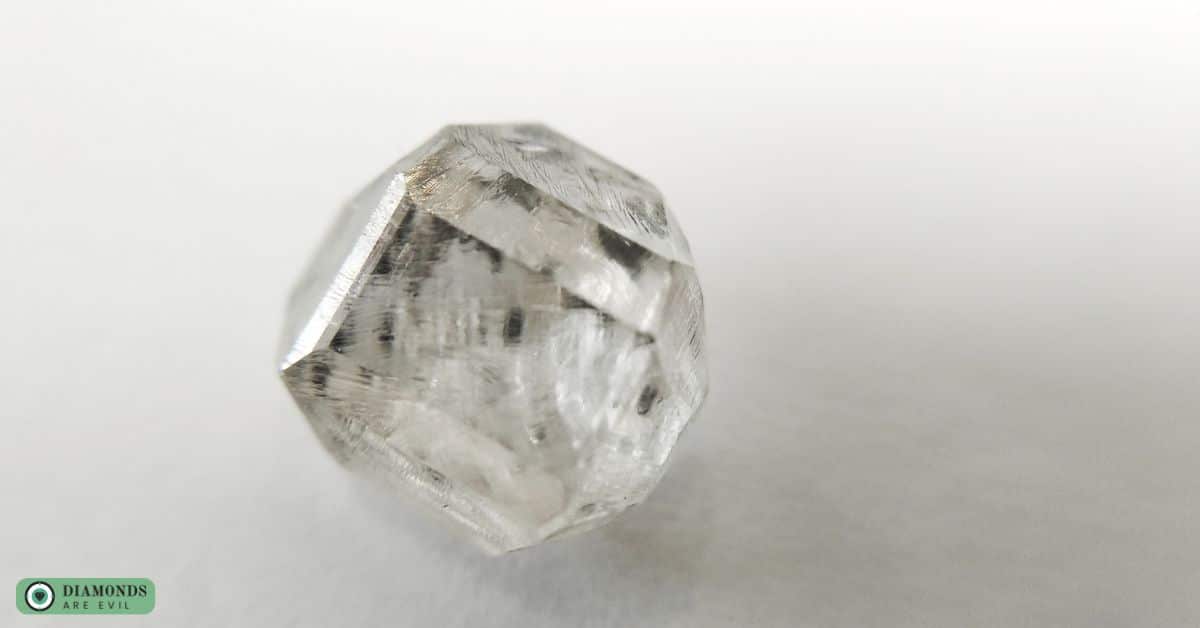
Lab-created diamonds, also known as synthetic diamonds, are man-made diamonds that are created in a laboratory. They have the same physical, chemical, and optical properties as natural diamonds, but are grown in a controlled environment using advanced technological processes.
To make a lab-created diamond, a seed crystal is placed in an environment that mimics the extreme heat and pressure that occurs deep within the Earth’s mantle. The process involves subjecting the seed crystal to high temperatures and pressures and introducing carbon-rich gases that deposit carbon atoms onto the seed crystal, causing it to grow layers of diamond crystals.
There are two main methods used to create lab-grown diamonds:
High-Pressure High Temperature (HPHT) and Chemical Vapor Deposition (CVD).
HPHT process involves applying high pressure and high temperatures to a small diamond seed inside a growth cell. This method mimics the natural process of diamond formation, which commonly occurs 100 miles beneath the earth’s surface.
Meanwhile, CVD entails placing a diamond seed in a sealed chamber filled with carbon-rich gas. The gas is heated and ionized, creating a plasma that allows the carbon atoms to bond together to form a diamond layer on the seed.
Lab-created diamonds have several advantages over natural diamonds. They are less expensive than natural diamonds and offer a more environmentally-friendly alternative to diamond mining. They are also considered more ethical as they do not have the same ethical concerns surrounding conflict diamonds.
The Environmental Impact of Diamond Mining
Diamond mining has a significant environmental impact, with the potential to cause severe harm to local ecosystems. The process of diamond mining involves removing large amounts of soil, rock, and vegetation from the earth’s surface and creating deep pits and open-pit mines that can extend for miles.
Mining activities can cause soil erosion, deforestation, loss of biodiversity, and contamination of local water sources. It also produces large amounts of waste materials such as rock, soil, and other debris, which can pollute nearby rivers and streams.

Furthermore, diamond mining has also been linked to social and human rights issues, including the exploitation of local communities, child labor, and conflict. In some parts of Africa, diamond mining has financed wars and funded violent conflicts.
While efforts have been made to mitigate the environmental impact of diamond mining, much still needs to be done to ensure the responsible and sustainable extraction of this valuable resource.
The Ethical Concerns Surrounding Mined Diamonds
The diamond industry is not without its ethical concerns, particularly surrounding diamonds mined in certain areas of the world. Conflict diamonds, also known as blood diamonds, are diamonds that have been mined in war zones and sold to finance armed conflict, often in Africa. These diamonds have been linked to human rights abuses, including forced labor and child labor.
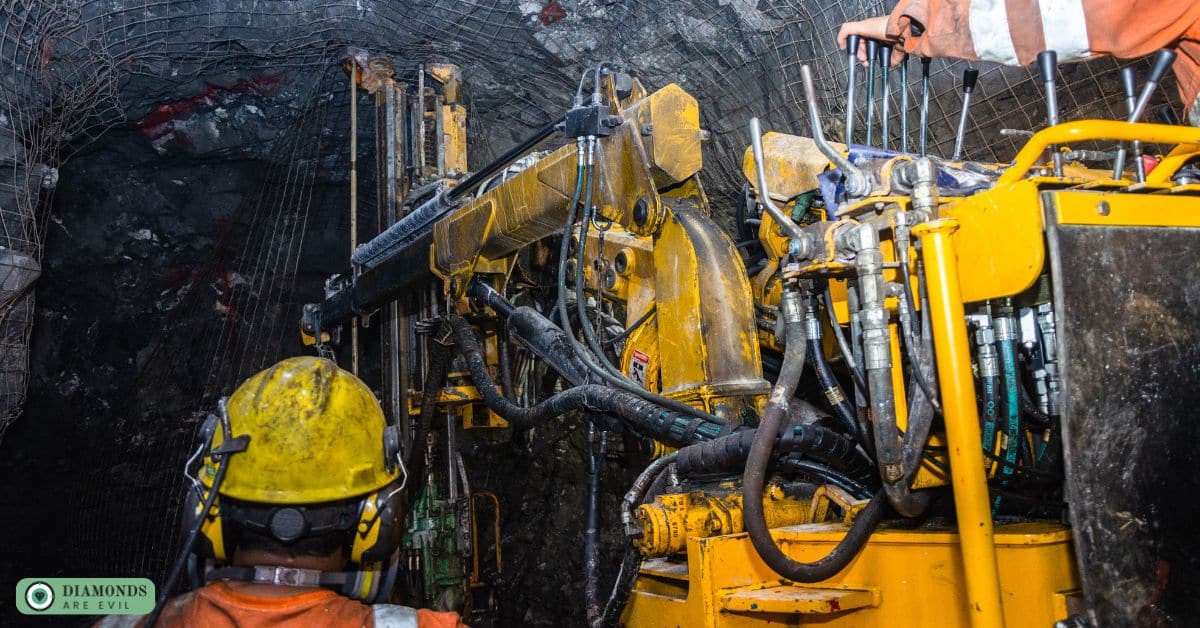
Even diamonds that are not sourced from conflict areas may still have ethical implications. Mining diamonds can displace communities and damage the environment. Diamond mining has also been linked to forced evictions, land grabs, and environmental destruction. Additionally, the conditions in diamond mines can often be hazardous for workers, who may be exposed to unsafe working conditions, long hours, and low wages.
Efforts have been made to address these ethical concerns, such as the development of the Kimberley Process Certification Scheme, which aims to ensure that diamonds are conflict-free. However, the effectiveness of the system has been debated, and there are concerns that it does not go far enough in addressing other ethical concerns surrounding diamond mining.
The Ethics of Lab-Grown Diamonds: A Comparison to Traditional Mined Diamonds
The increasing popularity of lab-grown diamonds has raised questions about the ethical implications of traditional diamond mining. When it comes to ethics, there are some notable differences between lab-grown diamonds and traditionally mined diamonds.
Firstly, lab-grown diamonds are not associated with the same ethical concerns as mined diamonds, such as child labor, conflict financing, or exploitation of communities. This is because they are grown in a laboratory and do not require the same trade routes or labor networks associated with mined diamonds. As such, consumers concerned about the ethical issues surrounding the diamond industry may feel more comfortable purchasing lab-grown diamonds.

Secondly, lab-grown diamonds have a smaller environmental impact compared to traditional diamond mining. Mining is an environmentally-destructive process that can lead to deforestation, soil erosion, and chemical contamination of water sources. Conversely, lab-created diamonds are much more sustainable and require fewer resources to produce, leading to a lower carbon footprint.
Lastly, lab-grown diamonds are generally less expensive than traditionally mined diamonds. This can make them an attractive option for consumers who want the diamond look without having to pay the high prices associated with mined diamonds.
Can Lab-Created Diamonds Become the Ethical Alternative Consumers Are Looking For?
Lab-created diamonds offer consumers a more ethical and sustainable alternative to traditionally mined diamonds. With the same characteristics as mined diamonds, they can provide consumers concerned about the ethics of the diamond industry with an eco-friendly and socially responsible alternative.
But can lab-created diamonds become the ethical alternative that consumers are looking for? Given the growing interest in eco-friendly and sustainable products, it is likely that lab-created diamonds will continue to gain popularity. This trend has already been demonstrated by the increasing number of jewelry designers who have started incorporating lab-created diamonds into their collections.

In addition to their ethical benefits, lab-created diamonds also have other advantages. They are less expensive than natural diamonds, and they offer more variety in terms of shape, color, and clarity. They can also be produced in larger sizes than natural diamonds, allowing consumers to purchase larger stones at more affordable prices.
The lab-grown diamond industry is expected to continue its growth, with projections that it could account for 10% of the diamond market by 2030. However, the industry still faces some challenges. There is still a lack of awareness about lab-grown diamonds among consumers, and some may be hesitant to purchase these diamonds due to concerns about their legitimacy and value.
In conclusion
Lab-created diamonds offer a more ethical and sustainable alternative to traditionally mined diamonds. They are associated with fewer ethical concerns such as conflict financing and exploitation of local communities, have a less environmental impact, and are generally more affordable.
As awareness about the benefits of lab-grown diamonds continues to grow, it is likely that they will become an increasingly attractive option for consumers who are looking for a more ethical choice when it comes to buying diamonds.