
Are Lab-Grown Diamonds as Durable as Natural Diamonds?
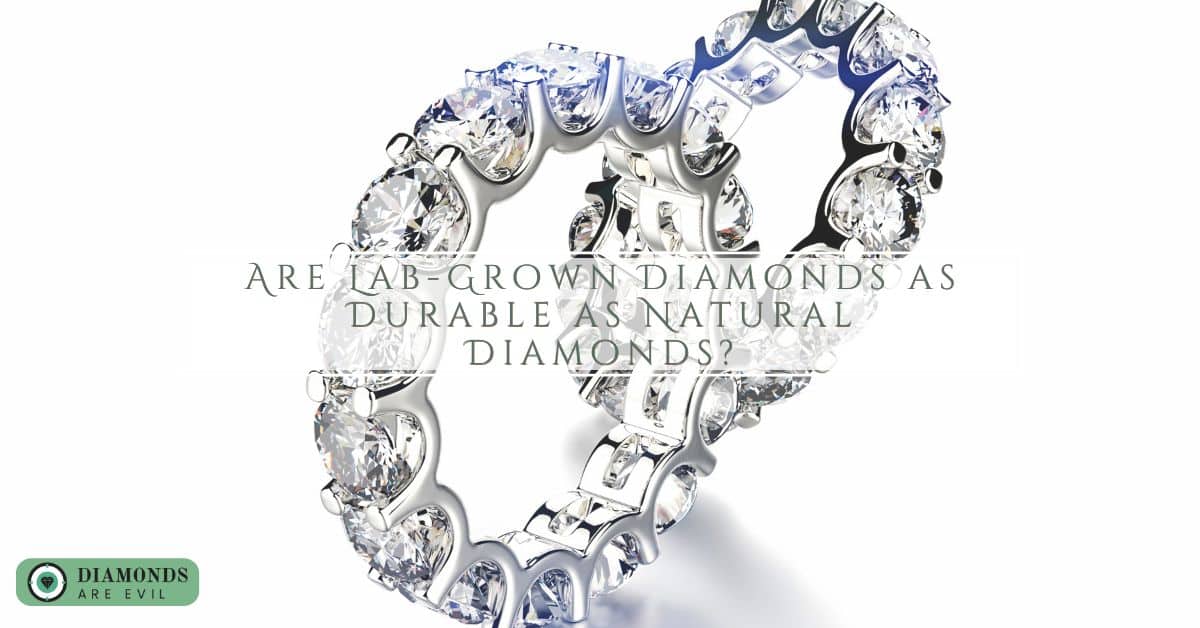
Lab-grown diamonds are just as durable as natural diamonds. This is because they have the same chemical and physical properties as natural diamonds. Both lab-grown and natural diamonds are made of pure carbon and have a hardness of 10 on the Mohs scale, making them the hardest mineral on earth.
The answer to this question has important implications for the diamond industry and consumers alike. In this article, we will explore the durability of lab-grown and natural diamonds and compare them to determine if there are any differences in their strength and resilience.
Importance of durability in diamonds
The importance of durability in diamond is highly significant. A diamond’s durability is an important characteristic which ensures that your diamond will last a lifetime and be resistant to scratches, cracks, and other damages.
Durability of diamonds can be gauged by its hardness, toughness, and cleavage. Hardness measures how easily the diamond can be scratched or impacted; it is measured on the Mohs scale with a rating of 10 being the highest.
Toughness is an indication of how resistant the diamond is to breaking; diamonds that are highly tough will not easily break even when subjected to pressure. Lastly, cleavage determines how likely it is that the diamond can be split along its natural planes when struck. Knowing these characteristics can help you select a diamond that is strong and durable enough to survive daily wear.
Differences between Lab-grown and Natural Diamonds
Diamonds are one of the most highly valued and sought-after gemstones in the world. While natural diamonds have been around for billions of years, lab-grown diamonds are a relatively new addition to the diamond industry.
There are several differences between lab-grown and natural diamonds, including the formation process, physical and chemical composition, and crystal structure. Understanding these differences is important for consumers and industry professionals alike, as it can affect the value, quality, and overall perception of diamonds.
Physical and chemical composition
Lab-grown diamonds and natural diamonds have significant differences in their physical and chemical composition. These differences can impact the properties and characteristics of the diamonds. In this table, we will compare the physical and chemical composition of lab-grown and natural diamonds.
| Property | Lab-grown Diamonds | Natural Diamonds |
|---|---|---|
| Formation Process | Chemical Vapor Deposition | Natural geological process |
| Chemical Composition | Same as Natural Diamonds | Same as Lab-grown Diamonds |
| Crystal Structure | Grown using a cubic crystal structure | Grown using multiple crystal structures |
| Inclusions | Fewer inclusions due to controlled growth environment | May have inclusions due to natural formation |
| Color | Can be produced with controlled color | May have natural color variations |
Differences in crystal structure
The crystal structure of diamonds is an essential factor that affects their physical and chemical properties. Lab-grown and natural diamonds differ in their crystal structure, which can impact their optical and mechanical characteristics. In this table, we will explore the differences in crystal structure between lab-grown and natural diamonds.
| Crystal Structure Differences | Lab-Grown Diamonds | Natural Diamonds |
|---|---|---|
| Formation Process | Chemical Vapor Deposition (CVD) or High Pressure-High Temperature (HPHT) | Crystallization in the Earth’s mantle |
| Dislocations | Higher dislocation density due to faster crystal growth | Lower dislocation density due to slower crystal growth |
| Inclusions | Fewer inclusions due to controlled growth conditions | More inclusions due to natural growth process |
| Grain Size | Larger grain size due to faster crystal growth | Smaller grain size due to slower crystal growth |
| Optical Properties | Less variation in optical properties due to consistent growth conditions | More variation in optical properties due to natural growth conditions |
Durability of Lab-grown Diamonds
The durability of lab-grown diamonds is comparable to that of natural diamonds. Lab-grown diamonds are grown in highly controlled environments, meaning they can have a higher level of purity and consistency than natural diamonds.
This makes them more resistant to scratches, cracks, and other damages. Additionally, since the formation process of lab-grown diamonds is much faster than that of natural diamonds, they tend to have fewer imperfections and blemishes which makes them more durable.
Mohs hardness scale
The Mohs hardness scale is a system used to measure the durability of gemstones. It ranks minerals on a scale from 1-10, with 10 being the hardest and most scratch resistant material. Lab-grown diamonds have a rating of 10 on the Mohs hardness scale, making them one of the most durable materials available. This makes them ideal for everyday wear and tear, as they will not easily scratch or break.
Scratch resistance
The scratch resistance of lab-grown diamonds is similar to that of natural diamonds. Lab-grown diamonds are resistant to scratching and other damages due to their high level of purity and homogenized structure.
They also tend to have fewer imperfections and blemishes, further increasing their durability. This makes them suitable for everyday wear, as they will not easily scratch or break.
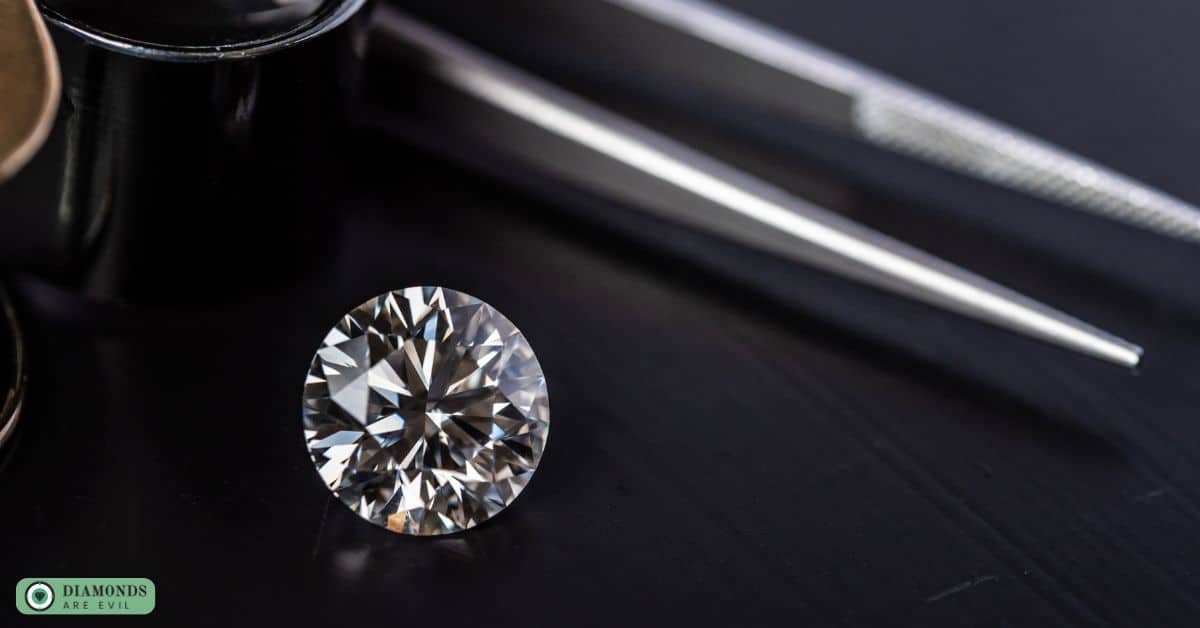
Impact resistance
When it comes to impact resistance, lab-grown diamonds are comparable to natural diamonds. Lab-grown diamonds are more resistant to impacts due to their homogenized structure and higher purity levels.
Additionally, since the formation process of lab-grown diamonds is much faster than that of natural diamonds, they tend to have fewer flaws or inclusions which make them more resistant to impacts. This makes lab-grown diamonds a great option for everyday wear, as they will not easily break or chip when knocked against hard surfaces.
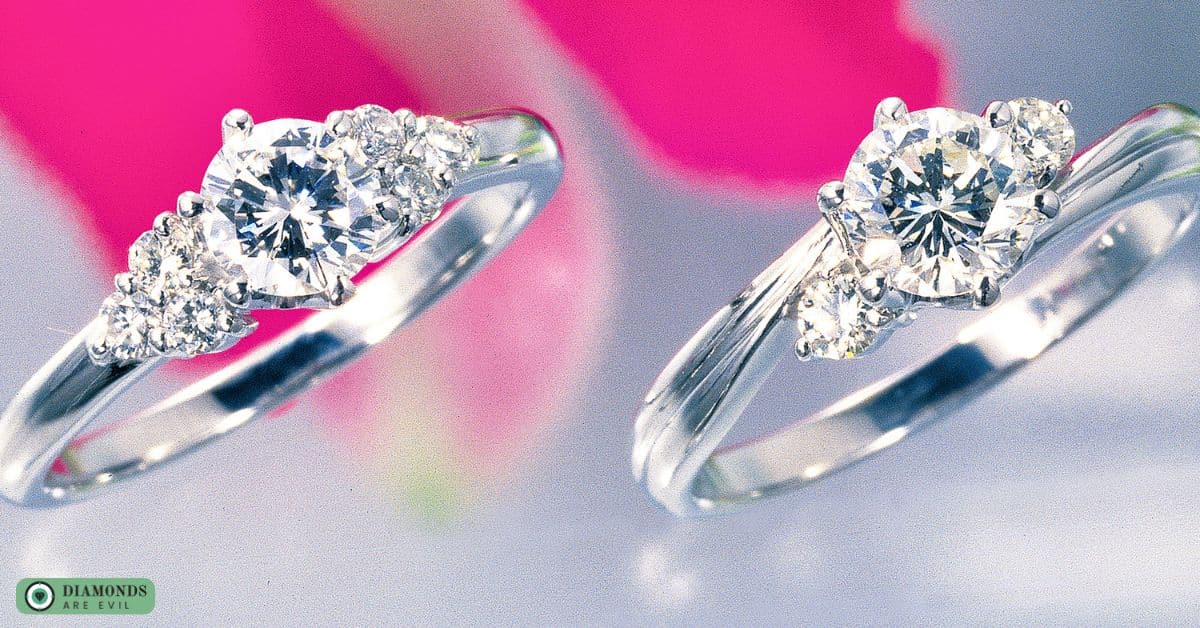
Heat resistance
The heat resistance of lab-grown diamonds is comparable to that of natural diamonds. Lab-grown diamonds are highly resistant to high temperatures due to their homogenized structure and higher purity levels, making them a great option for jewelry that may be exposed to extreme temperatures.
Additionally, since the formation process of lab-grown diamonds is much faster than that of natural diamonds, they tend to have fewer flaws or inclusions which make them more resistant to heat. This makes lab-grown diamonds a great choice for those who want durable and long lasting jewelry that can withstand high temperatures.
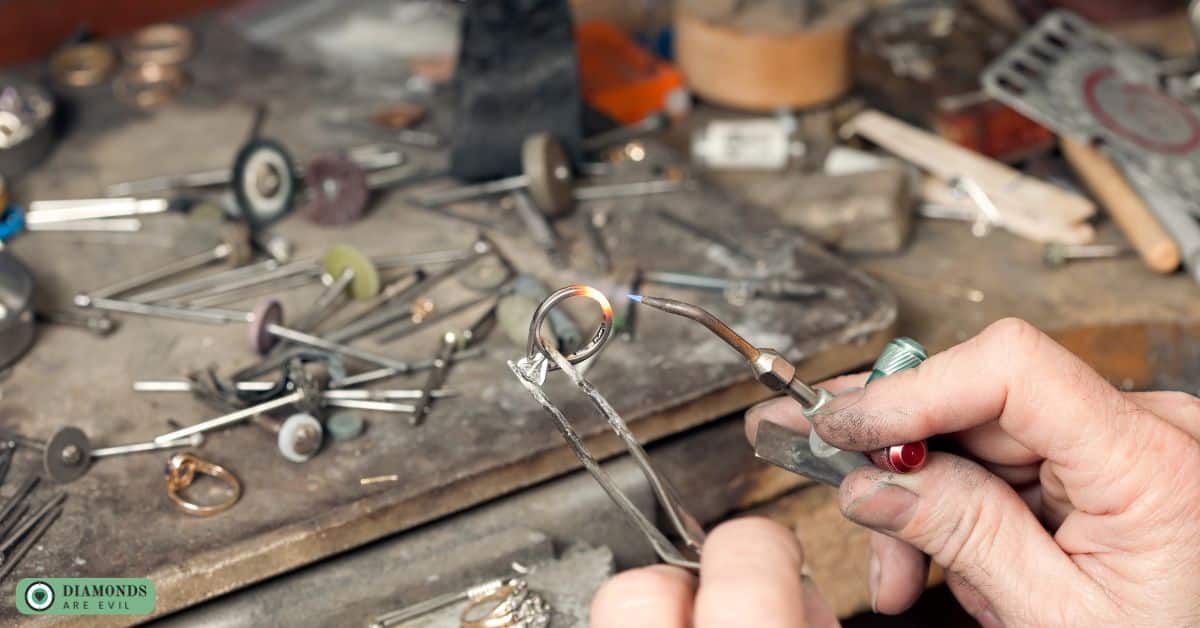
Durability of Natural Diamonds
The durability of natural diamonds is highly significant. Natural diamonds have been formed over billions of years, resulting in a higher level of purity and consistency than lab-grown diamonds. This makes them resistant to scratches, cracks, and other damages. Additionally, natural diamonds tend to be less likely to chip or break when subjected to impacts due to their harder surface and fewer imperfections.
Mohs hardness scale
The Mohs hardness scale is used to measure the durability of gemstones. Natural diamonds have a rating of 10 on the Mohs hardness scale, making them one of the hardest and most scratch resistant materials available. This makes them ideal for everyday wear, as they will not easily scratch or break.
Scratch resistance
The scratch resistance of natural diamonds is superior to that of lab-grown diamonds. Natural diamonds are highly resistant to scratches due to their higher level of purity and consistency.
Additionally, since the formation process of natural diamonds is much slower than that of lab-grown ones, they tend to have fewer flaws or inclusions which make them more resistant to scratches. This makes natural diamonds a great choice for those who want durable and long lasting jewelry that can withstand everyday wear and tear.
Impact resistance
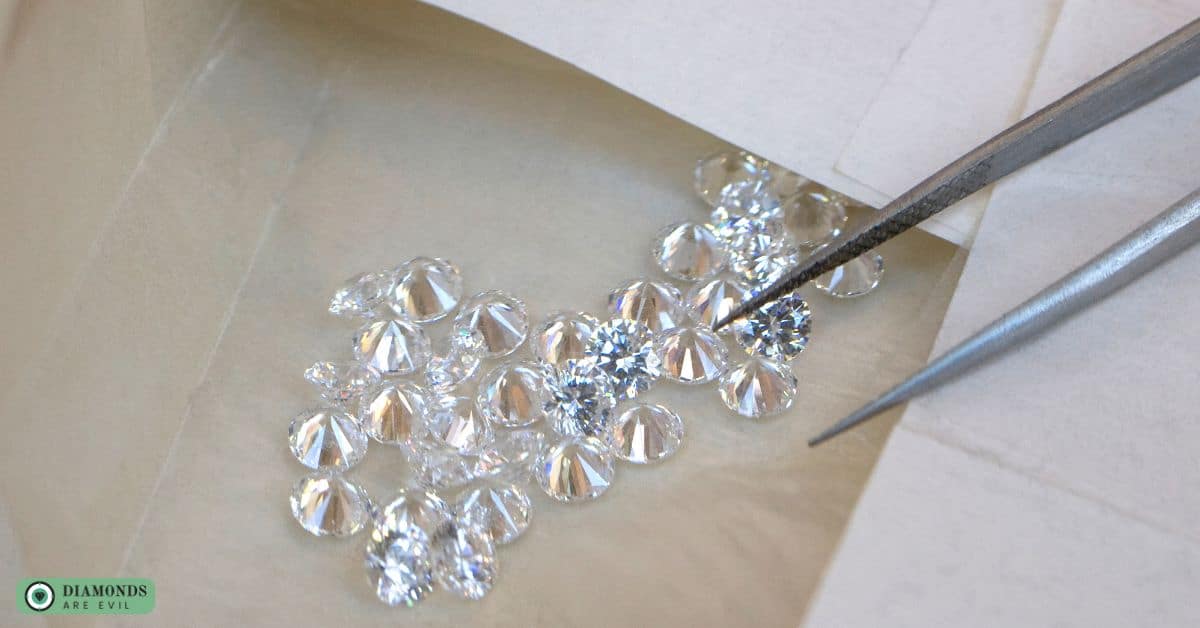
When it comes to impact resistance, natural diamonds are superior to lab-grown diamonds. Natural diamonds are more resistant to impacts due to their harder surfaces and fewer imperfections.
Since the formation process of natural diamonds is much slower than that of lab-grown diamonds, they tend to have fewer flaws or inclusions which make them more resistant to impacts. This makes natural diamonds a great option for everyday wear, as they will not easily break or chip when knocked against hard surfaces.
Heat resistance
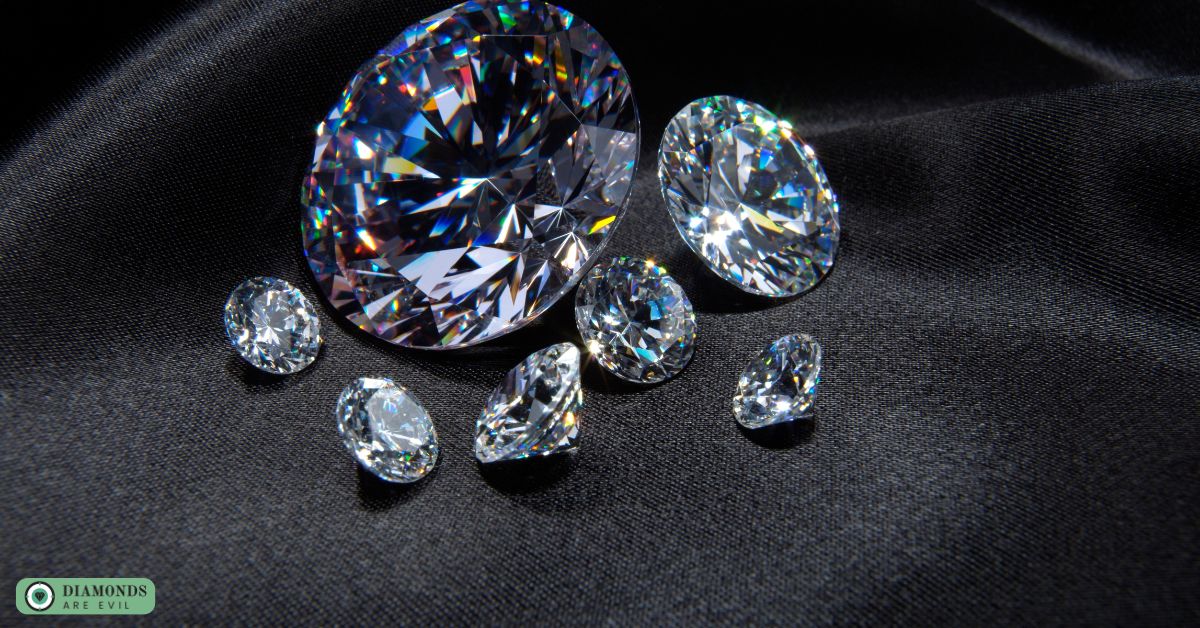
The heat resistance of natural diamonds is superior to that of lab-grown diamonds. Natural diamonds are highly resistant to high temperatures due to their higher purity levels and homogenized structure, making them ideal for jewelry that may be exposed to extreme temperatures.
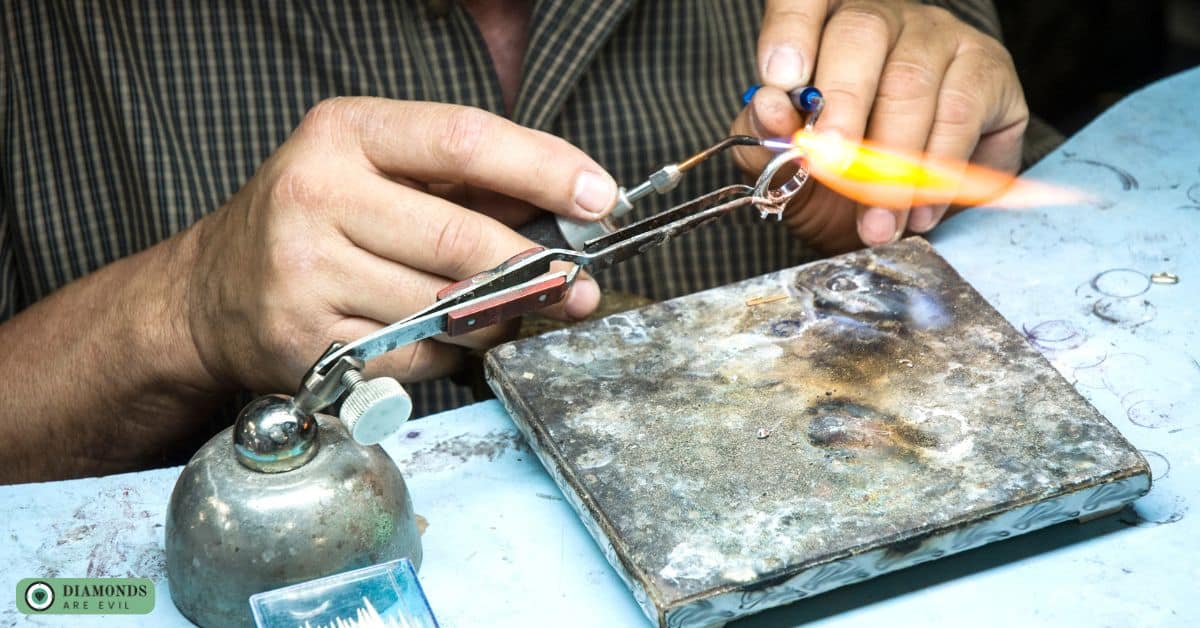
The formation process of natural diamonds is much slower than that of lab-grown ones, they tend to have fewer flaws or inclusions which make them more resistant to heat. This makes natural diamonds a great choice for those who want durable and long lasting jewelry that can withstand high temperatures.
In Conclusion
The durability of lab-grown diamonds is comparable to that of natural diamonds. Both are highly resistant to scratches and impacts, and have a rating of 10 on the Mohs hardness scale.
Lab-grown diamonds tend to have fewer imperfections, making them more resistant to heat while natural diamonds are slightly more scratch and impact-resistant due to their higher purity levels and homogenized structure. Ultimately, both lab-grown and natural diamonds are excellent options for those who want durable and long lasting jewelry that can withstand everyday wear and tear.