
Beyond the 4 Cs: Understanding Diamond Rarity and Value
The value of a diamond depends on the 4 Cs, as well as other factors such as origin, natural color, inclusions, and cut. Understanding these influences is crucial for informed purchases and investments, maximizing value, and appreciating the rarity and beauty of diamonds.
Are you looking to buy or invest in diamonds? Understanding diamond rarity and value is essential, but the 4 Cs of diamond grading – cut, color, clarity, and carat weight – don’t tell the whole story.
In this blog post, we’ll explore how to assess a diamond’s true value and rarity beyond the 4 Cs. You’ll learn about other factors that affect value, strategies for maximizing your investment, and how to evaluate a diamond’s cut – arguably the most important factor when it comes to beauty and brilliance. Read on to gain deeper insight into diamonds and valuable advice for your purchase or investment!
The Limitations of the 4 Cs in Assessing Diamond Rarity and Value
The four Cs (carat weight, color, clarity, and cut) are frequently used to estimate a diamond’s worth, although they have some drawbacks. An indication of a diamond’s weight, not necessarily its worth, is its carat weight.
Similar to cut, color, and clarity might differ depending on who is evaluating the diamond. The most important factor and arguably the one that determines a diamond’s beauty and light performance is its cut. Although even this is not always easy to judge because different grading systems have different standards.
Additionally, other elements like fluorescence, symmetry, and polish that influence a diamond’s rarity and worth are not taken into account by the 4 Cs. As a result, using just the 4 Cs to assess a diamond’s value might not give a true picture of its worth. When buying or investing in diamonds, purchasers can make more educated judgments if they are aware of these restrictions and take other aspects into account.
Other Factors that Affect Diamond Rarity and Value
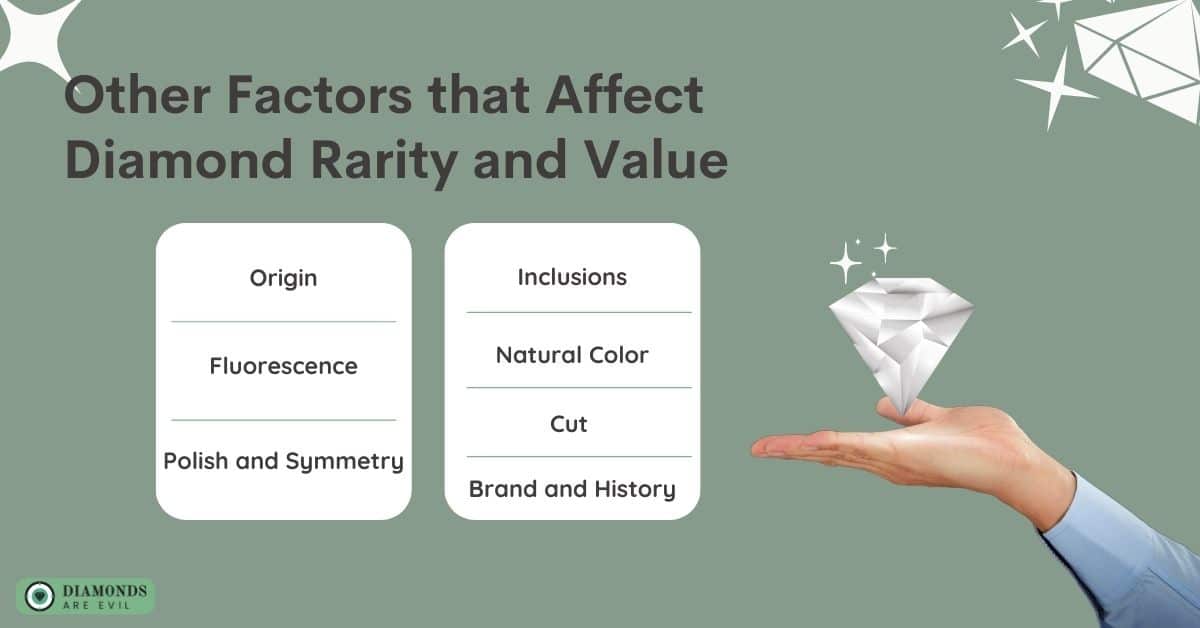
A diamond’s rarity and worth can vary greatly depending on its origin, fluorescence, symmetry, polish, inclusions, natural color, cut, brand, and history, in addition to the four Cs. Buyers should take into account these elements when making a diamond investment or purchase as they can reveal the stone’s true value. These include:
Origin
Some diamonds, like pink diamonds from the Argyle mine in Australia, are rarer and more expensive because of their origin.
Fluorescence
When exposed to UV light, some diamonds display fluorescence, which can affect their hue and worth.
Polish and Symmetry
A diamond with excellent polish and symmetry will reflect more light, improving both its beauty and value.
Inclusions
Some inclusions can enhance the character and distinctiveness of a diamond, while others might lower its value.
Natural Color
Colored diamonds, such as yellow or pink, are rare and more expensive than colorless diamonds.
Cut
A well-cut diamond increases its ability to reflect light and enhances its beauty, increasing its value.
Brand and History
Due to their prestige and scarcity, diamonds that have a long history or are linked to well-known brands like Cartier or Tiffany & Co. may be worth more.
Given that they have a considerable impact on the rarity and value of the stones, taking these aspects into account might assist purchasers in making educated selections when buying or investing in diamonds.
Understanding Diamond Cut: The Most Important Factor for Beauty and Brilliance
The cut of a diamond is often considered the most crucial factor in determining its beauty and brilliance. A well-cut diamond will reflect and refract light in a way that maximizes its sparkle and brilliance, while a poorly-cut diamond will appear dull and lifeless.
Diamond cut is not to be confused with a diamond shape, which refers to the physical appearance of the stone. Cut refers to the diamond’s proportions, symmetry, and polish, which directly impact how the stone interacts with light.
The cut of a diamond is typically graded on a scale ranging from “Excellent” to “Poor.” An excellent-cut diamond will have precise proportions that allow for maximum light performance and beauty, while a poor-cut diamond will have uneven proportions that result in less sparkle and brilliance.
Evaluating Diamond Rarity: Rarity Grades and Certification
Diamonds are rare and valuable, so it is important to accurately assess their worth. To do this, purchasers should look at the diamond’s rarity grade as well as its certificate. Rarity grades range from S1 (the most common) to S10 (the rarest).
Additionally, reputable certifications can help buyers determine a diamond’s authenticity. Certification acts as a record of a diamond’s distinctive qualities and background, including its carat weight, color, clarity, cut, and any possible treatments.
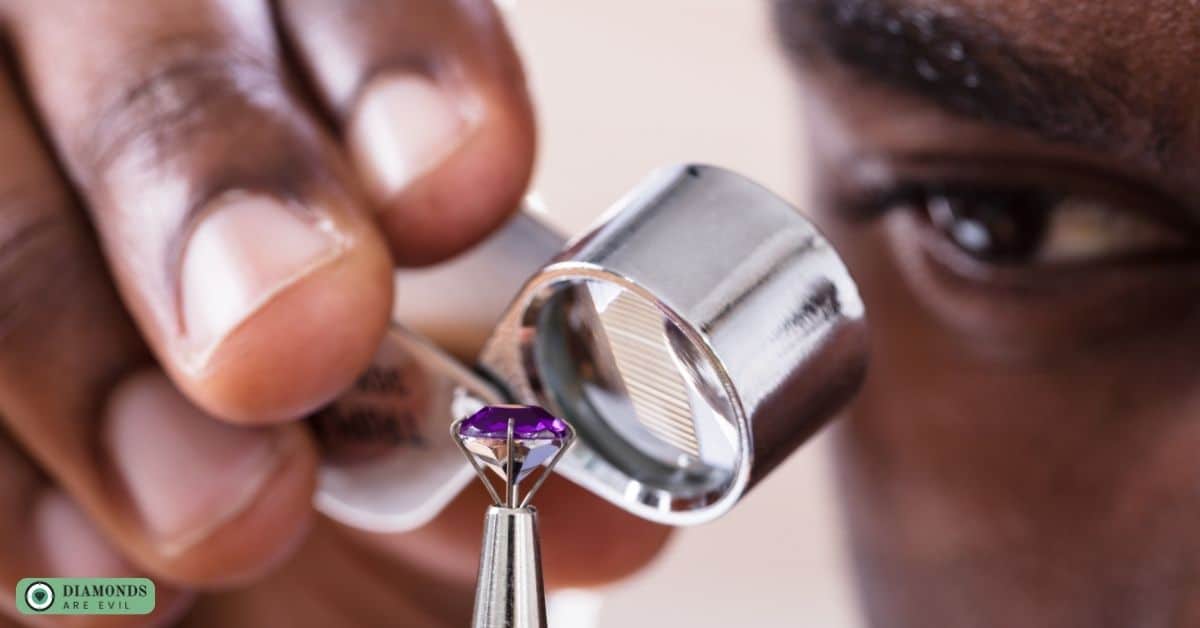
If the diamond has a noteworthy history or provenance, this documentation may help to identify it in the event that it is ever lost or stolen and may also increase the diamond’s value. Certifications from the Gemological Institute of America (GIA) and other organizations are a reliable way to assess a diamond’s worth as they provide detailed information about its characteristics.
Strategies for Maximizing Diamond Value in Purchases and Investments
To maximize the value of diamond purchases and investments, buyers should consider several strategies.
- Evaluate the diamond’s cut carefully to ensure it has high beauty and value
- Seek out certified diamonds with high rarity grades to ensure authenticity and quality
- Purchase diamonds during periods of lower demand to potentially get better prices
- Explore alternative diamond options, such as lab-grown diamonds or diamonds with unique shapes, to potentially get more value for the price
- Educate yourself on diamond pricing and market trends to make informed decisions and negotiate prices.
In conclusion
Although the 4 Cs (carat weight, color, clarity, and cut) are helpful in evaluating diamonds, they don’t take into account all factors that impact a diamond’s rarity and value. Other factors such as origin, fluorescence, symmetry, polish, inclusions, natural color, and brand history should be considered when buying or investing in diamonds.
It’s also important to understand diamond cut, as it plays a significant role in the stone’s beauty and brilliance. In addition, buyers should seek out certified diamonds with high rarity grades and use strategies to maximize their value when making purchases or investments. By considering these factors, buyers can make informed decisions about their diamond purchases and investments.