
Breaking Down the Cost Differences Between Natural and Synthetic Diamonds
Natural diamonds are more expensive than synthetic diamonds due to their rarity and the effort required to mine them. Synthetic diamonds are produced in a laboratory, are cost-effective, and can offer equal or superior quality. The choice between natural and synthetic diamonds depends on personal preference and budget.
Have you ever wondered about the differences between natural and synthetic diamonds? When it comes to selecting a special piece of jewelry, understanding the cost factors and quality differences between these two diamond types is essential.
In this blog post, we’ll explore the origins, manufacturing processes, pricing factors, and environmental/ethical considerations that determine the cost associated with natural and synthetic diamonds. Whether you’re looking for an engagement ring or a statement piece of jewelry, this information will help you make the right decision when it comes to selecting your diamond. Read on to learn more!
The Origins of Natural and Synthetic Diamonds
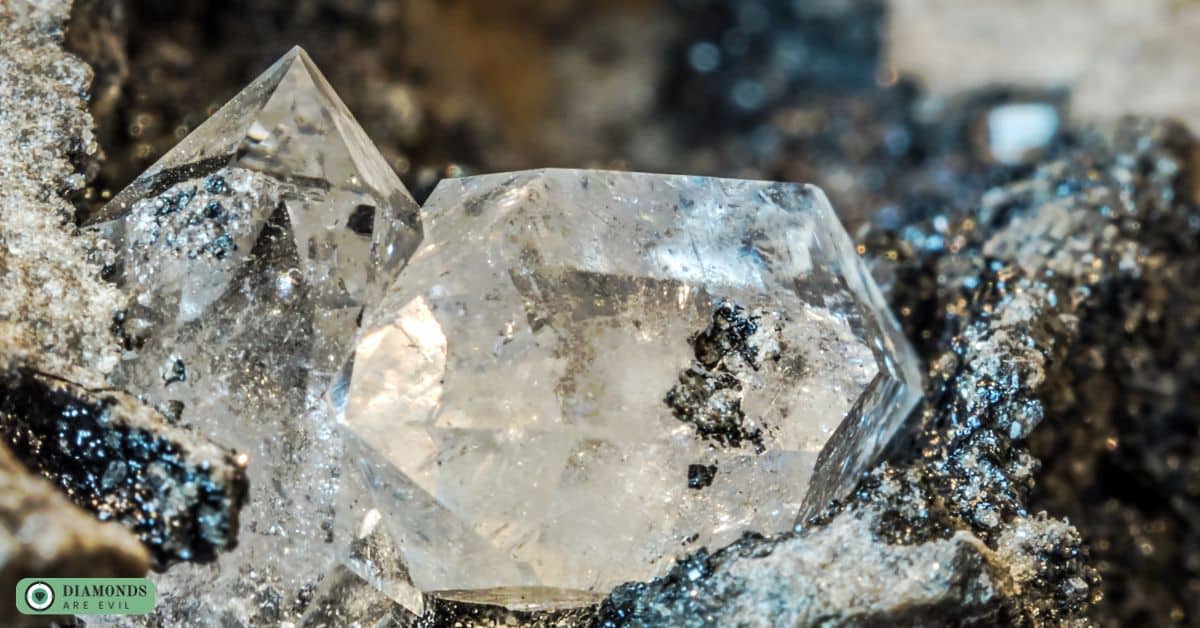
Natural diamonds are mined from deep within the earth. They have formed over billions of years, under extreme temperature and pressure conditions deep in the earth’s mantle. Diamonds are brought to the surface through volcanic eruptions, and they are then mined from the earth.
Synthetic diamonds are produced in labs they are created in high-pressure chambers that mimic the same extreme temperature and pressure conditions that form natural diamonds. These labs simulate the natural conditions for diamond formation, which allows them to produce flawless diamond crystals that are nearly identical to natural diamonds.
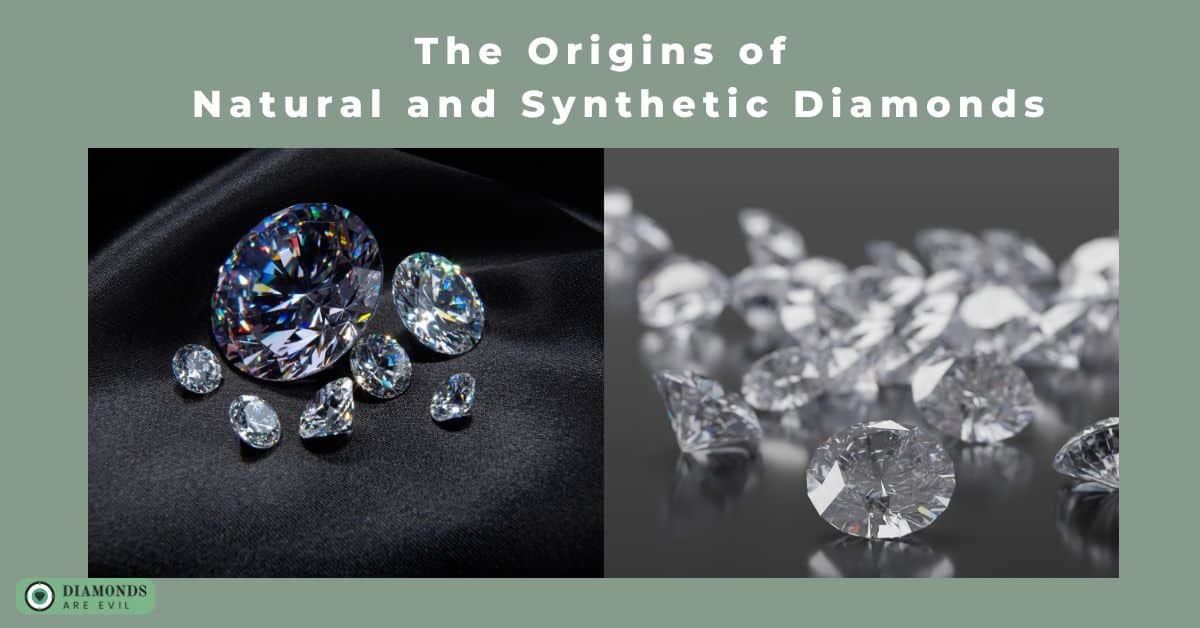
While natural diamonds have been around for millions of years, synthetic diamonds were first created in the 1950s as a byproduct of technological advances in manufacturing. Today, lab-grown diamonds are becoming increasingly popular as an alternative to natural diamonds.
They offer an environmentally-friendly, conflict-free option for diamond buyers, while also costing less than natural diamonds. However, both types of diamonds have their unique origins and characteristics that distinguish them from one another.
The Manufacturing Process and Cost Factors of Natural and Synthetic Diamonds
The manufacturing process for natural and synthetic diamonds differs significantly.
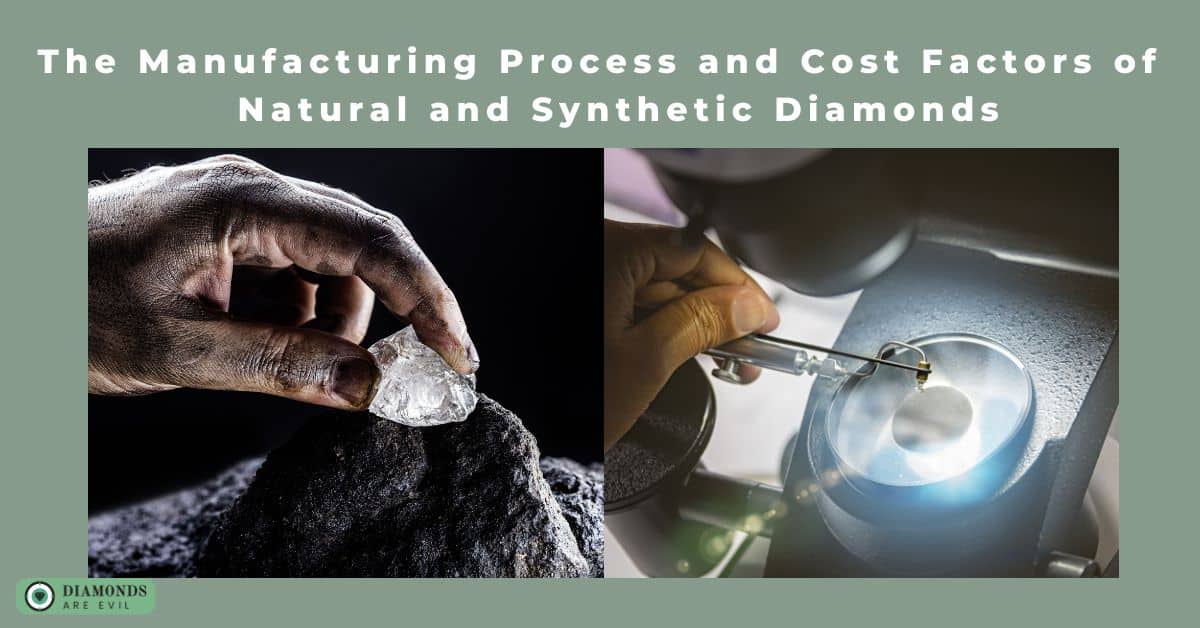
Natural diamonds undergo a rigorous mining process where they are extracted from the earth, sorted, cut, and polished. The process of mining and refining natural diamonds is intensive, and only a small amount of the mined earth makes it through the sorting process to be sold as gem-quality diamonds. Therefore, natural diamonds tend to be more expensive due to their rarity.
The process of manufacturing synthetic diamonds, on the other hand, is much more streamlined. Diamonds are grown in a lab and can be produced in large quantities under controlled conditions. This allows for a more predictable outcome, and the process waste is significantly less.
There are a number of factors that affect the final price of both natural and synthetic diamonds.
For natural diamonds, factors such as rarity, purity, and size of the diamond all play a role in determining the final sale price.
Synthetic diamonds, on the other hand, are priced based on a combination of their cut, clarity, and color.
In addition to these factors, ethical considerations and environmental sustainability impact the cost of diamonds.
The cost of natural diamonds may also include a premium for the assurance that they are mined ethically and that the environment around the diamond mine is not harmed.
The cost of synthetic diamonds, on the other hand, may be significantly lower than natural diamonds due to the lack of a mining process that can have negative environmental and social impacts.
Quality and Value Differences between Natural and Synthetic Diamonds
Natural diamonds and synthetic diamonds differ in terms of quality, value, and overall appearance. Natural diamonds are highly sought-after for their rarity and beauty, while synthetic diamonds are known for their consistent quality and affordability.
| Quality and Value | Natural Diamonds | Synthetic Diamonds |
|---|---|---|
| Formation | Formed over billions of years under immense pressure and heat in the earth’s mantle | Formed in a laboratory under controlled conditions that imitate natural diamond formation |
| Rarity | Rare and finite | Can be produced in large quantities and are less rare |
| Clarity | Contain imperfections, cloudiness or inclusions | Can be created to be virtually flawless |
| Cut | Cut quality for natural diamonds vary | Cut quality for synthetic diamonds is often very good to excellent |
| Color | Comes in a range of colors from clear to yellow, pink and blue | Can be created in a variety of colors |
| Price | Expensive due to their rarity and the high cost of mining, cutting, and polishing | Be significantly less expensive than natural diamonds |
| Ethical and Environmental Impact | Have ethical and environmental considerations when mined from conflict zones or countries with weak labor protections | Often conflict-free and have a much lower environmental impact due to a lack of mining process |
Environmental and Ethical Considerations in Diamond Production
Environmental and ethical considerations play a significant role in diamond production. Traditional diamond mining practices can result in significant soil erosion and water pollution, which can have environmental consequences such as habitat destruction and soil degradation.
Ethical considerations surrounding diamond mining include the exploitation of workers and vulnerable communities in diamond-mining areas, as well as the potential for diamonds to be used to fund wars and conflicts in certain countries. These concerns have created a push for more transparent and ethical diamond production processes.
In contrast, lab-grown diamonds offer a more eco-friendly and ethical alternative to traditionally mined diamonds. By using a controlled setting in the lab, the environmental impact of diamond production can be minimized, and workers can be treated fairly with safe working conditions and living wages.
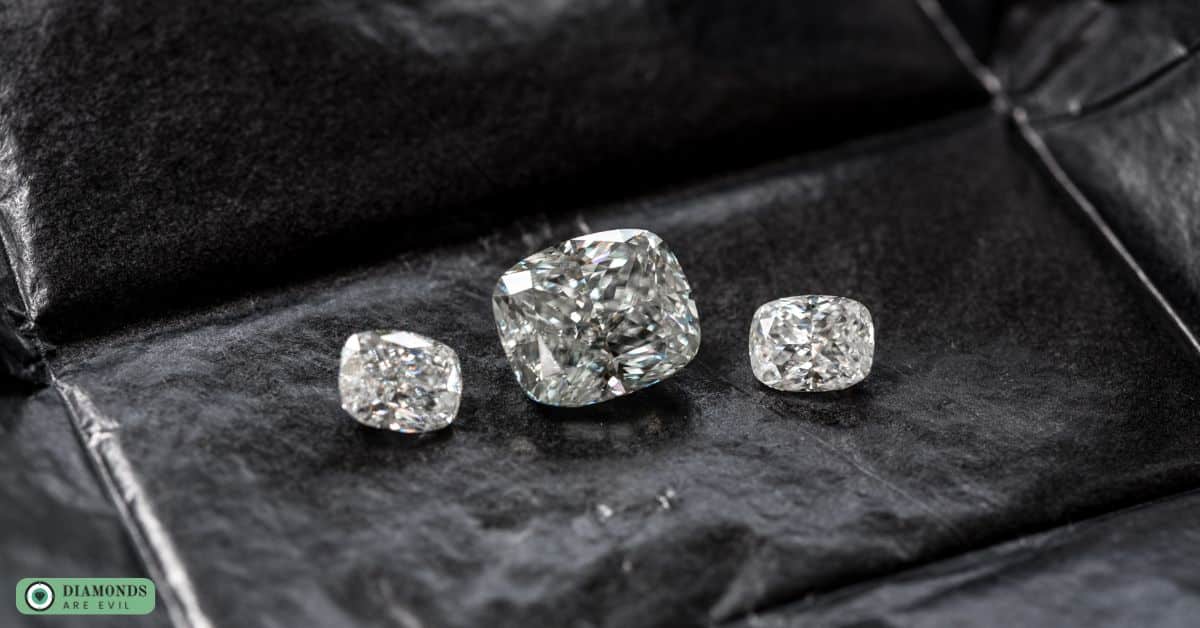
Furthermore, the production of synthetic diamonds is not associated with conflict financing, as the production process does not fund war or exploitation. This makes synthetic diamonds an appealing choice for many consumers looking for an eco-friendly and ethical alternative to natural diamonds.
While the choice between natural and synthetic diamonds ultimately comes down to personal preference, it’s essential for consumers to be aware of the potential environmental and ethical impacts of their purchases. By choosing ethically sourced or lab-grown diamonds, consumers can help minimize their impact on the planet and support more transparent and ethical production processes.
Pricing Factors for Natural and Synthetic Diamonds
Pricing for natural and synthetic diamonds can be influenced by various factors. Natural diamonds can be considerably more expensive than synthetic diamonds, primarily due to their rarity and the labor-intensive mining process. On the other hand, synthetic diamonds can be produced in a controlled lab setting, so they tend to cost less than natural diamonds.
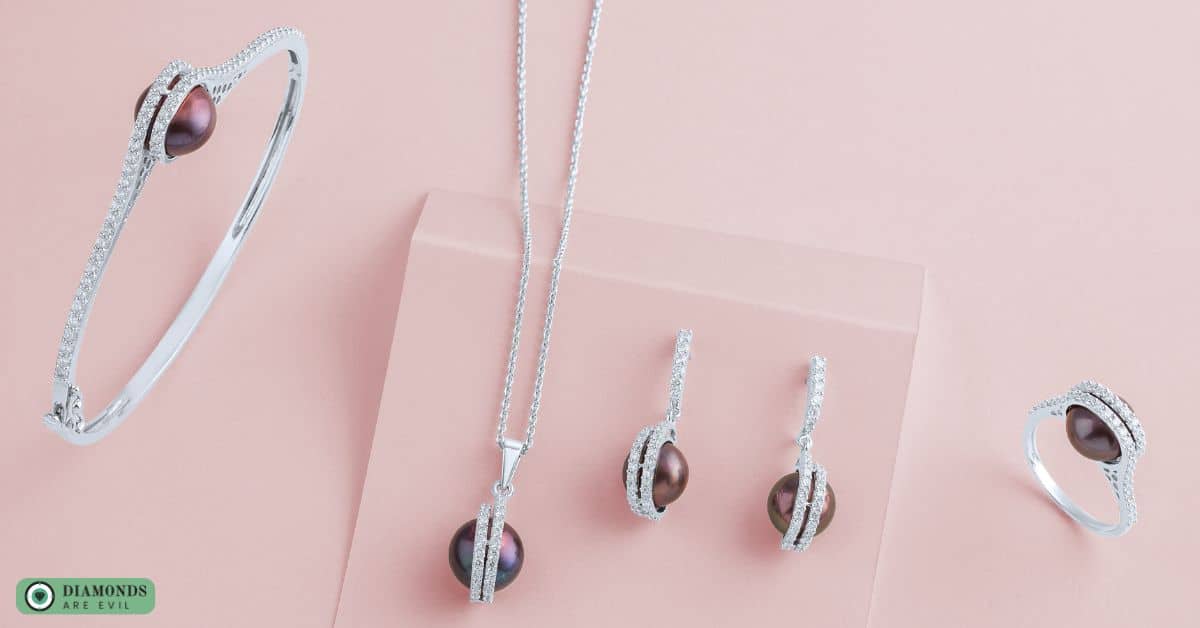
Here are some of the key pricing factors that affect natural and synthetic diamonds:
Natural Diamonds:
- Rarity: Natural diamonds are rare, making them more expensive due to supply and demand.
- Color: Natural diamonds come in a range of colors, and the more vivid the color, the higher the price.
- Clarity: The fewer inclusions and blemishes a diamond has, the more valuable it is considered.
- Carat weight: Larger diamonds are more expensive than smaller diamonds of the same quality.
- Cut: A well-cut diamond is more expensive than a poorly cut diamond.
- Certification: Diamonds that come with a recognized diamond grading report and certification are typically more expensive.
Synthetic Diamonds:
- Production costs: Synthetic diamonds are less expensive to produce than natural diamonds, making them less expensive to buy.
- Cut: The quality of the cut can influence the price of a synthetic diamond.
- Certification: Synthetic diamonds can come with a lab report and certification, which can impact their price based on the quality of the certification.
Overall, natural diamonds tend to be more expensive due to their rarity and production process, while synthetic diamonds are typically less expensive due to their lab-controlled production and lower environmental impact.
Making the Decision: Which Diamond is Right for You?
Choosing between natural and synthetic diamonds is a personal decision, and both options have their unique characteristics and advantages. Consider the following factors to make an informed decision on which diamond is right for you:
- Budget: If you have a limited budget, a lab-grown diamond may be a better option as they tend to be less expensive than natural diamonds.
- Environmental impact: If you are environmentally conscious, a synthetic diamond would be the best choice as they are produced in an eco-friendly way with minimal environmental impact.
- Rarity: If rarity is essential to you, a natural diamond may be the best choice since they are rare and therefore have a higher value in the market.
- Ethics: If you are concerned about ethical issues associated with diamond mining, consider choosing a lab-grown diamond that is conflict-free and produced without exploiting workers.
- Personal preference: Ultimately, the decision comes down to personal preference, and you should choose the diamond that best aligns with your values and aesthetic preferences.

Whichever type of diamond you choose, you should ensure that it is of good quality, certified, and comes from a reliable source. By considering all these factors, you can make the right choice and purchase a diamond that you will cherish.
In conclusion
Choosing between natural and synthetic diamonds depends on a variety of factors such as budget, environmental impact, rarity, ethics, and personal preference. Regardless of which type you choose, make sure to purchase from a reliable source and check for certification.
Natural diamonds may be rarer and cost more due to their labor-intensive production process, while synthetic diamonds tend to be more affordable and produced in an eco-friendly way. Both types of diamonds offer unique qualities that make them special, so take the time to consider all the factors before deciding which one is right for you. With a little research, you can find the perfect diamond that meets your needs and lasts a lifetime!