
Can You Break a Diamond?
Diamonds are one of the most sought-after and highly valued gems in the world. They are renowned for their strength and durability, but can a diamond be broken?
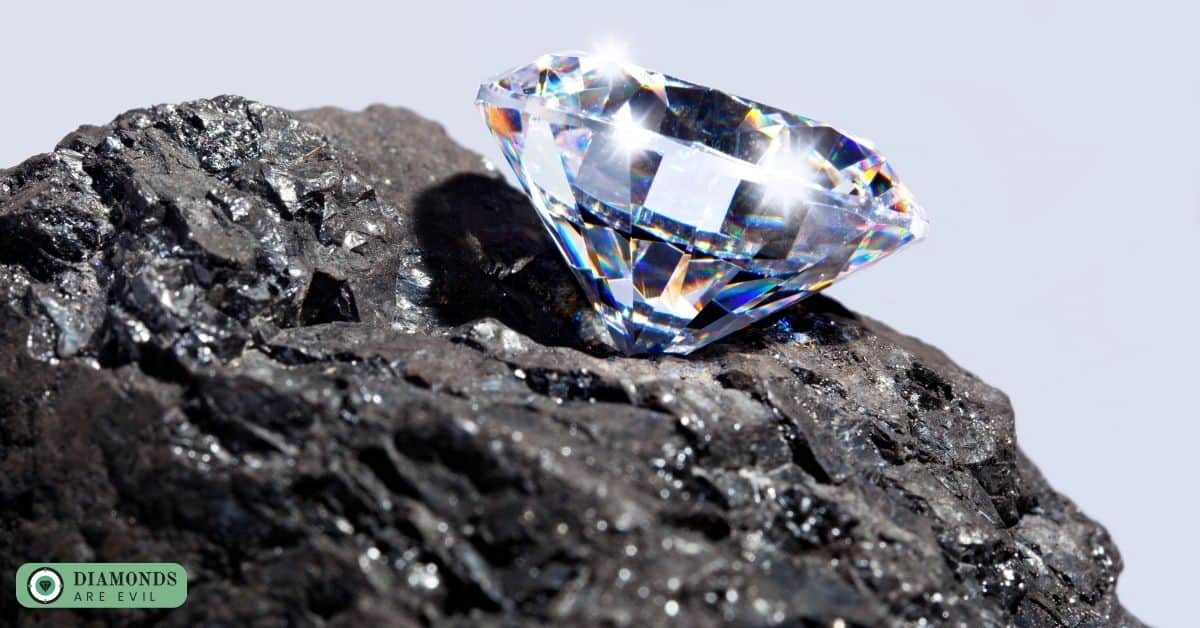
Diamonds are the hardest known material, but they are not indestructible. While it is very difficult to break a diamond, it can be damaged or shattered if struck with enough force or at the right angle.
This article will explore the structure of diamonds, factors that can cause damage, methods used to cut and shape them, and proper care techniques. By understanding the science behind these precious gems, you can learn how to best protect them and ensure they last a lifetime.
The Hardness of Diamonds
Diamonds are one of the hardest materials on Earth. They have a rating of 10 on the Mohs hardness scale, making them second only to diamonds in terms of hardness. The hardness and crystal structure of diamonds make them ideal for use in jewelry, as they can withstand extreme amounts of wear and tear.
Furthermore, diamond is incredibly durable due to their strength and resistance to scratches, chips, and other damage. Diamonds are also immune to chemical reactions that could damage softer gems like emeralds or amethyst.
Understanding the Structure of Diamonds
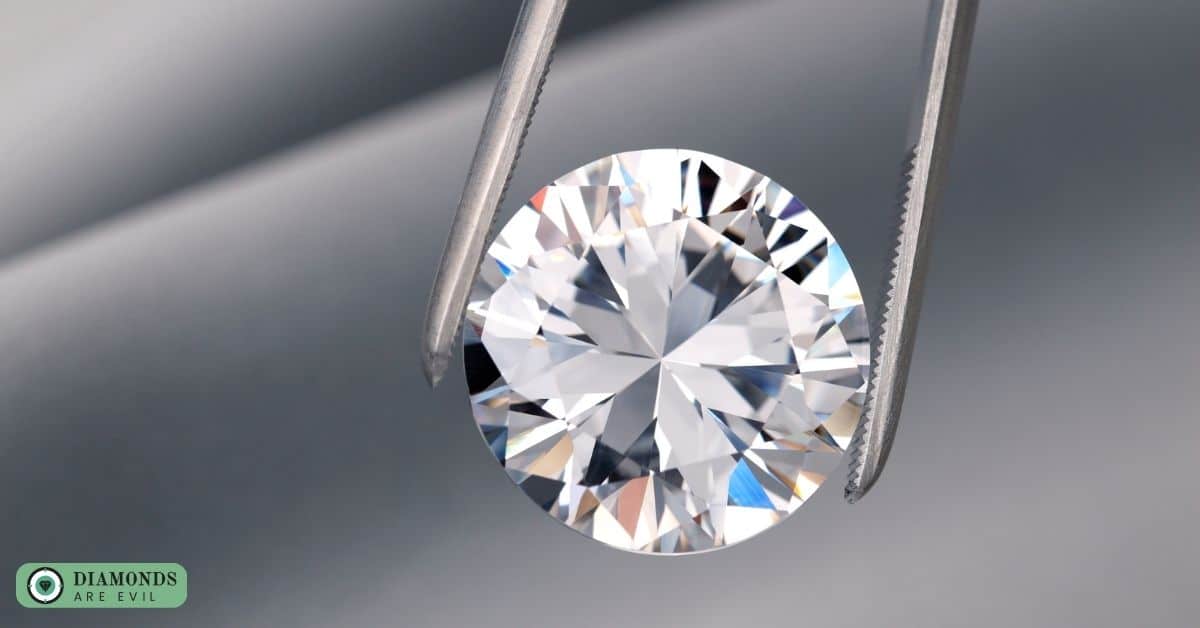
Diamonds are made up of pure carbon atoms that are arranged in a unique crystal lattice structure. Each carbon atom is bonded to four neighboring carbon atoms, forming a tetrahedron shape. This strong covalent bond gives diamonds exceptional hardness and durability.
The crystal lattice structure of diamonds also affects their optical properties. The way that light interacts with the diamond lattice structure is what gives diamonds their brilliant sparkle and fire.
Understanding the structure of diamonds is crucial for their use in various industries, including jewelry, electronics, and cutting tools. It allows for the precise cutting and shaping of diamonds to optimize their unique properties.
Factors That Can Cause Diamond Damage
Diamonds are some of the most valuable and beautiful gems in the world, but they can become damaged if not taken care of properly. Here are some of the factors that can cause damage to a diamond:
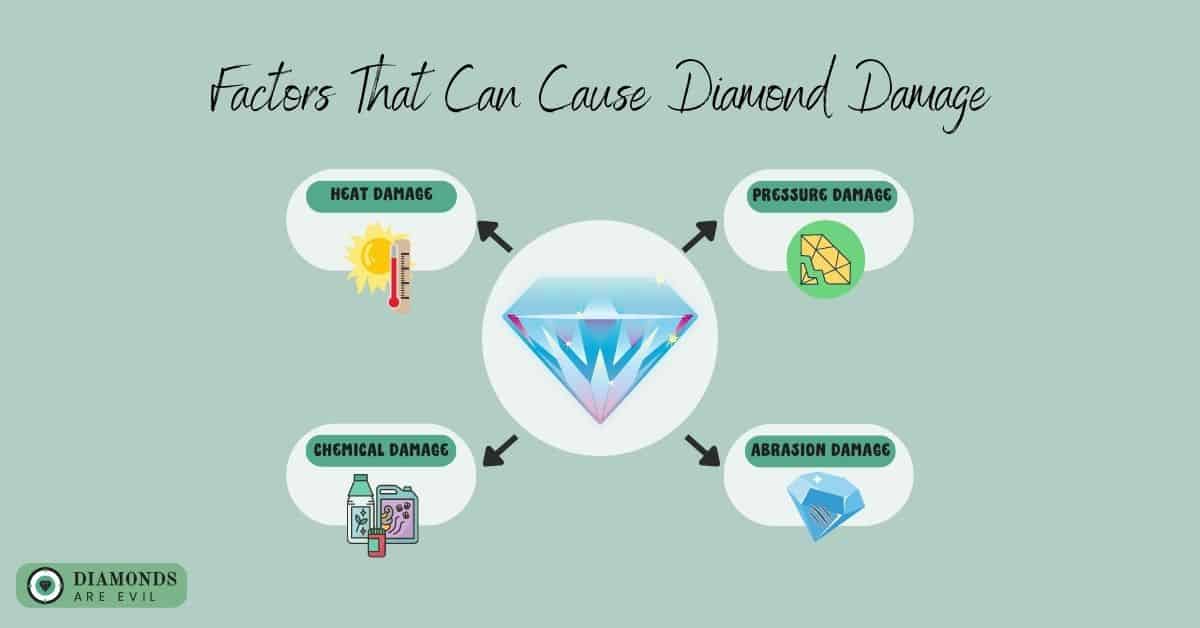
Heat Damage: Exposing a diamond to high temperatures can cause it to discolor or fracture. It is important to store diamonds in a cool, dry place away from direct sunlight or sources of heat.
Chemical Damage: Chemicals like chlorine and nail polish remover can wreak havoc on a diamond’s luster and clarity when exposed. It’s best to avoid contact with these kinds of chemicals when wearing diamonds.
Pressure Damage: Applying too much pressure on a diamond can also cause damage, including scratches or chipping. This is why diamonds should not be set too tightly into jewelry settings and should be treated with great care during repair work.
Abrasion Damage: Normal wear and tear such as frequent brushing against skin or solid surfaces can chip away at the surface of your diamond over time, diminishing its beauty and value. Keeping it tucked away in good old-fashioned velvet is always wise!
Can Diamonds Be Shattered or Broken?
While diamonds are known for their extreme hardness, they can still be shattered or broken under certain circumstances. This is because while diamonds are hard, they are also brittle. If a diamond is struck at the right angle or with enough force, it can cause the crystal lattice structure to fracture, leading to damage or even shattering.
However, it is important to note that it is not easy to break a diamond. It would require a considerable amount of force or an impact at a particular angle to cause damage. In addition, the diamond’s cut and quality can also affect its durability. With proper care and handling, diamonds can last for generations.
Methods Used to Cut and Shape Diamonds
Diamonds are some of the most valuable and sought-after gemstones in the world, prized for their unique properties and dazzling beauty. But to transform a rough diamond into a stunning piece of jewelry, it must first be cut and shaped. Here are some of the methods used to cut and shape diamonds:
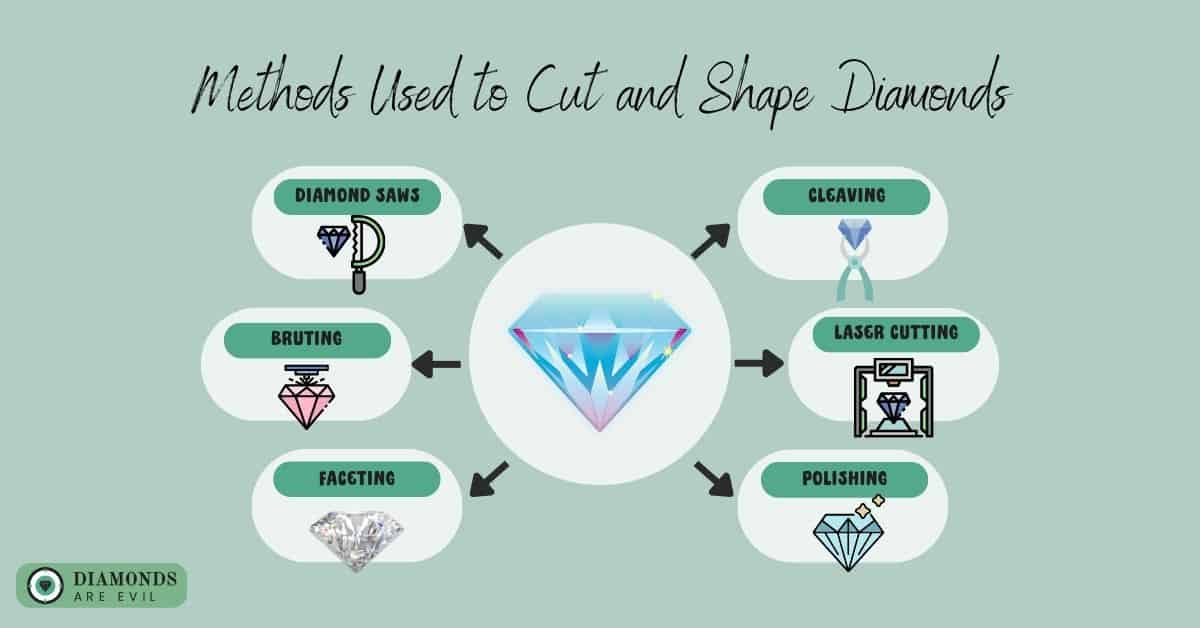
Diamond saws: This is the most common method for cutting diamonds, using a high-speed blade coated with diamond particles to cut through the stone.
Bruting: This process involves grinding the diamond against another diamond to create a round shape.
Faceting: This method involves cutting tiny, flat surfaces (facets) onto the diamond to enhance its sparkle and brilliance.
Cleaving: This involves splitting the diamond along its natural cleavage planes to create multiple smaller pieces.
Laser cutting: This method uses high-powered lasers to cut through the diamond, offering greater precision and flexibility in shaping.
Polishing: After cutting and shaping, the diamond is polished to remove any scratches or imperfections and enhance its shine.
Each of these methods requires skill and precision to achieve the optimal balance of beauty and durability in a diamond.
The Importance of Proper Diamond Care
Diamonds are some of the most durable and valuable gemstones in the world. However, even diamonds require proper care and maintenance to retain their luster and shine. Here are some important reasons why proper diamond care is crucial:
Protects the diamond from damage: Diamonds are susceptible to damage from harsh chemicals, extreme temperatures, and impact. Proper care and storage can help prevent these types of damage.
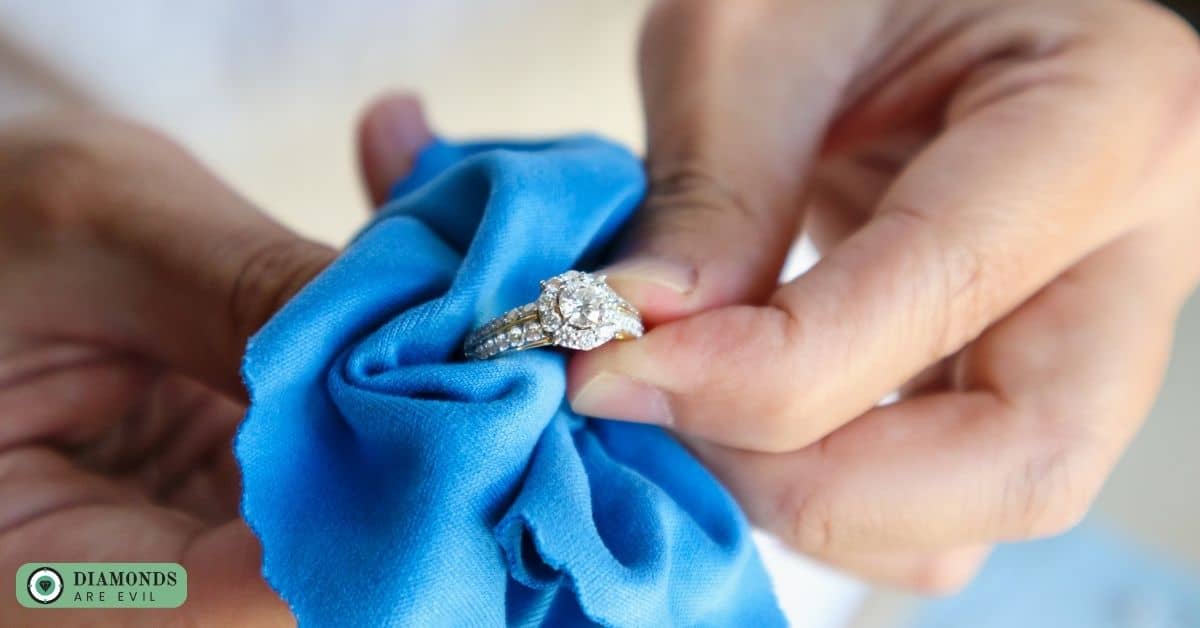
Maintains the diamond’s beauty: Over time, dirt, oil, and other substances can dull the diamond’s sparkle and brilliance. Regular cleaning and maintenance can help maintain the diamond’s beauty.
Extends the diamond’s lifespan: Proper care and maintenance can help extend the lifespan of a diamond, allowing it to be passed down as an heirloom or enjoyed for years to come.
Preserves the diamond’s value: A well-maintained diamond retains its value better than a damaged or poorly cared for diamond.
Ensures proper function of diamond settings: Proper care can help ensure that the diamond is securely set in its setting, preventing the risk of the stone falling out or becoming lost.
In conclusion
Diamonds are known for their extreme hardness and durability. While it is difficult to break a diamond, it can become damaged if not taken care of properly. It is important to understand the structure of diamonds, factors that can cause damage, methods used to cut and shape them, and proper care techniques in order to protect these precious gems and ensure they last a lifetime. With the right precautions and care, diamonds can be treasured for generations to come.