
Comparing Diamond Clarity: Which Ring is Best for You?
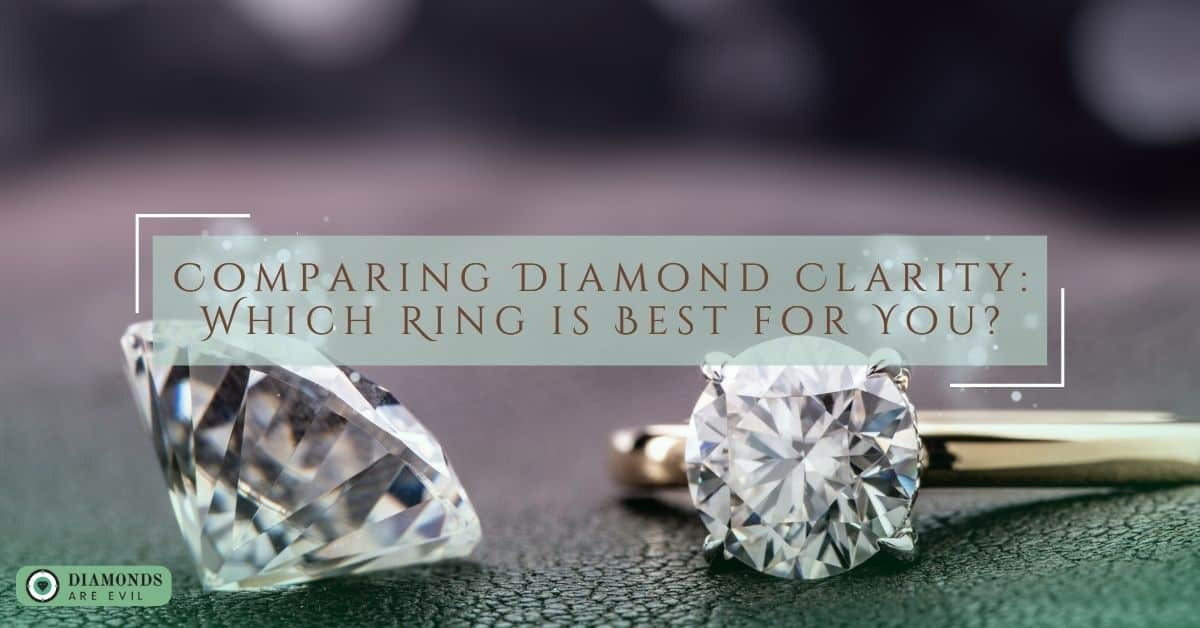
Diamonds have been sought after for centuries, and their beauty and durability make them a popular choice for engagement rings. When shopping for a diamond ring, one of the most important factors to consider is the clarity of the stone.
Clarity can affect both the appearance and value of the diamond, so it’s essential to understand what it means and how it affects the overall quality of the ring. The best diamond ring for you depends on your budget, style, and personal preferences. Understanding the 4Cs of diamond quality, including clarity, is essential for making an informed decision.
This article will provide an overview of diamond clarity, what to look for when buying a diamond ring, and tips for finding the best option for your budget and style.
Understanding Diamond Clarity
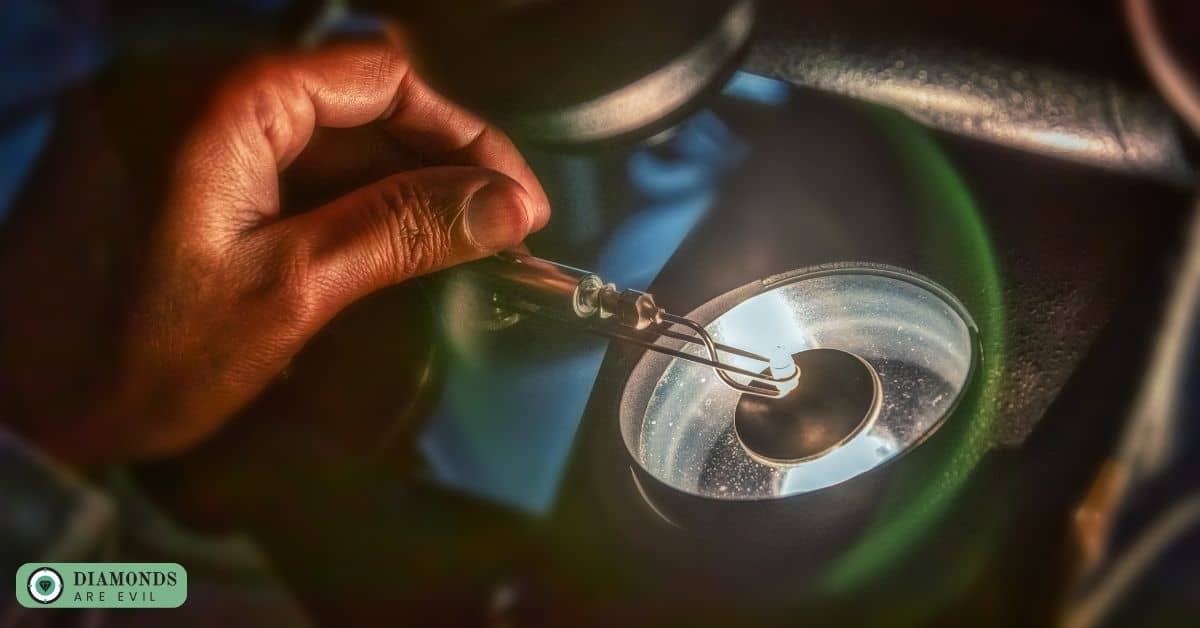
Understanding diamond clarity is a fundamental part of making an informed decision about your diamond purchase. Although no diamond is truly flawless, each diamond has its own unique characteristics that are visible when examined under a 10x power microscope by a trained gemologist. The gemologist evaluates the stone’s surface characteristics known as inclusions and assigns a clarity grade based on bullet points such as size, number, and opinions.
Inclusion can be practically any type of imperfection, both internal or external, and may include things like air bubbles, mineral deposits, or fractures. Knowing the clarity grade allows a buyer to make an educated decision when purchasing diamonds based on value and quality guidelines established by the Gemological Institute of America.
The 4Cs of Diamond Quality
The 4Cs of Diamond Quality is a term used to describe the four key factors that affect the beauty and cost of diamonds: cut, carat weight, color, and clarity. Each of these features has a significant influence on how valuable and attractive the diamond will be.
Cut
Refers to the way in which a diamond is shaped and faceted. A diamond with an excellent cut will reflect light beautifully, making it more sparkly and vibrant.
Carat weight
Affects both the size and price of a diamond; larger diamonds are often more expensive but not necessarily more beautiful.
Color
This is another important factor that affects the quality of a diamond; while some diamonds are completely colorless (the most valuable type), others may have slightly yellow hues that reduce their value slightly.
Clarity
Measures how many natural imperfections or inclusions exist within a diamond; fewer flaws generally result in higher prices.
What to Look for in a Diamond Ring
When shopping for a diamond ring, there are several factors to consider to ensure you get the best value for your investment. Here are some essential things to look for in a diamond ring:
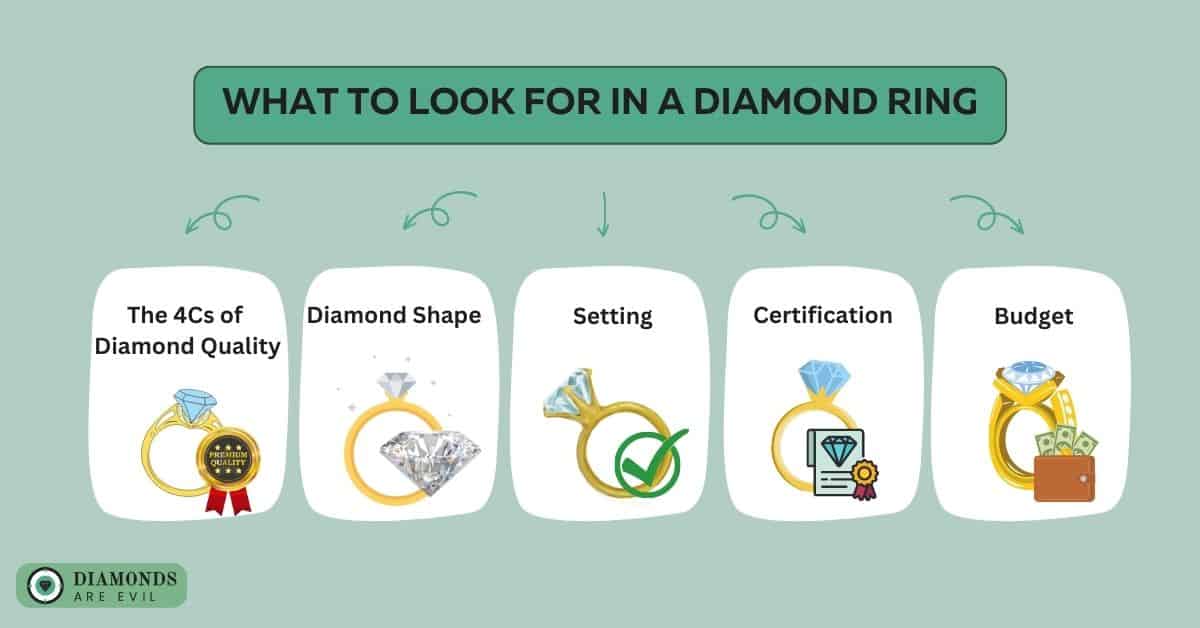
The 4Cs of Diamond Quality: Consider the cut, color, carat weight, and clarity of the diamond to determine its overall quality and value.
Diamond Shape: Diamonds come in various shapes, such as round, princess, emerald, and oval. Choose a shape that fits your personal style and preferences.
Setting: The setting is the metal frame that holds the diamond in place. Choose a setting that enhances the diamond’s appearance and offers durability and security.
Certification: Make sure the diamond is certified by a reputable gemological organization, such as the Gemological Institute of America (GIA), to ensure its quality and authenticity.
Budget: Determine your budget before shopping for a diamond ring and choose a diamond that fits within your budget while meeting your quality and style preferences.
How Diamond Clarity Affects Appearance and Value
Diamond clarity refers to the presence or absence of internal and external flaws or inclusions in a diamond. These inclusions can affect both the appearance and value of a diamond. Here are some ways diamond clarity affects a diamond’s appearance and value:
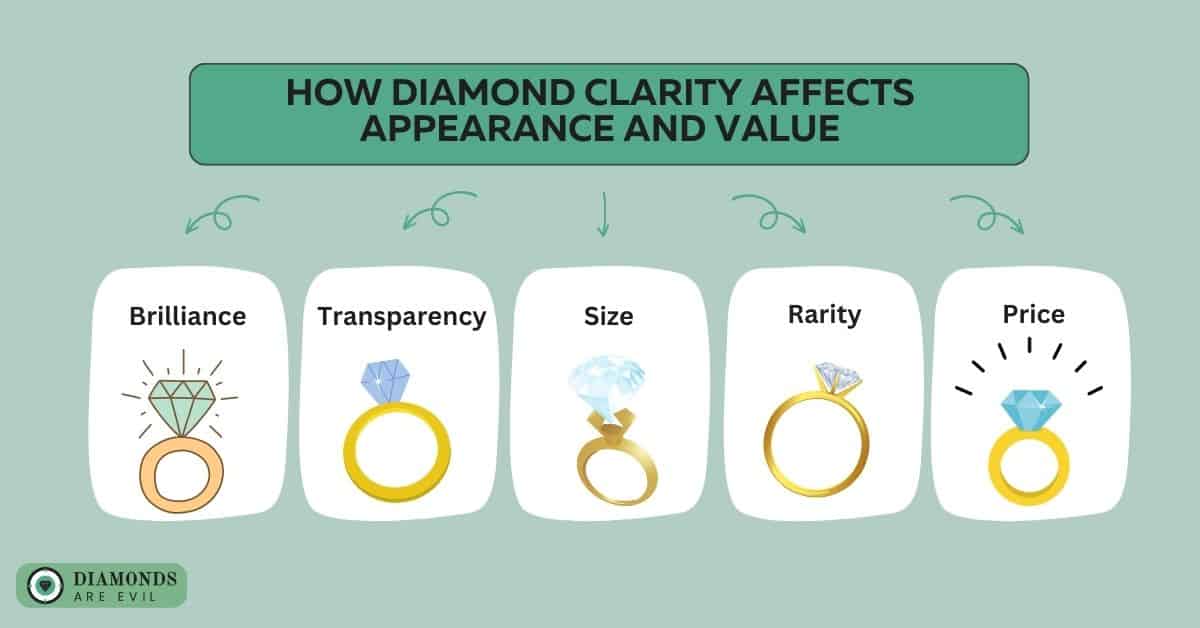
Brilliance: Inclusions can block the flow of light through the diamond, reducing its brilliance and fire.
Transparency: Diamonds with fewer inclusions tend to be more transparent, giving them a more desirable appearance.
Size: Larger inclusions can be visible to the naked eye, affecting the overall size and appearance of the diamond.
Rarity: Diamonds with higher clarity grades are rarer and, therefore, more valuable.
Price: Diamonds with higher clarity grades tend to be more expensive, reflecting their rarity and superior quality.
Comparing Different Diamond Clarity Grades
Diamond clarity is graded on a scale that ranges from Flawless (FL) to Included (I). Understanding the different clarity grades can help you compare diamonds and choose the best one for your needs and budget. Here are the different diamond clarity grades:
Here’s a table comparing the different diamond clarity grades:
| Clarity Grade | Description | Visible Inclusions |
|---|---|---|
| Flawless (FL) | No internal or external inclusions visible under 10x magnification | None |
| Internally Flawless (IF) | No internal inclusions visible under 10x magnification, but some surface blemishes may be present | None |
| Very, Very Slightly Included (VVS1 and VVS2) | Inclusions are difficult to see under 10x magnification | Very difficult to see |
| Very Slightly Included (VS1 and VS2) | Inclusions are visible under 10x magnification but not visible to the naked eye | Difficult to see |
| Slightly Included (SI1 and SI2) | Inclusions are visible under 10x magnification and may be visible to the naked eye | Slightly visible |
| Included (I1, I2, and I3) | Inclusions are visible to the naked eye and may affect the diamond’s overall appearance and durability | Visible |
Tips for Buying a High-Quality Diamond Ring
If you are in the market for a high-quality diamond ring, it is important to do your research and be aware of some basic guidelines before embarking on your purchase. Here are some tips to help you make the right choice when buying a diamond:
Make sure the Four C’s are considered: Carat, Cut, Clarity, and Color. Each factor affects the look of the diamond and its overall value.
Look for certification: A reputable jeweler should provide certification from a reliable gemological laboratory with each diamond offering. This documents the specific characteristics of your diamond and authenticates its worth.
Consider style: The shape or cut can enhance or detract from the beauty of a stone, so consider what styles flatter your hand best before choosing a setting that suits you best.
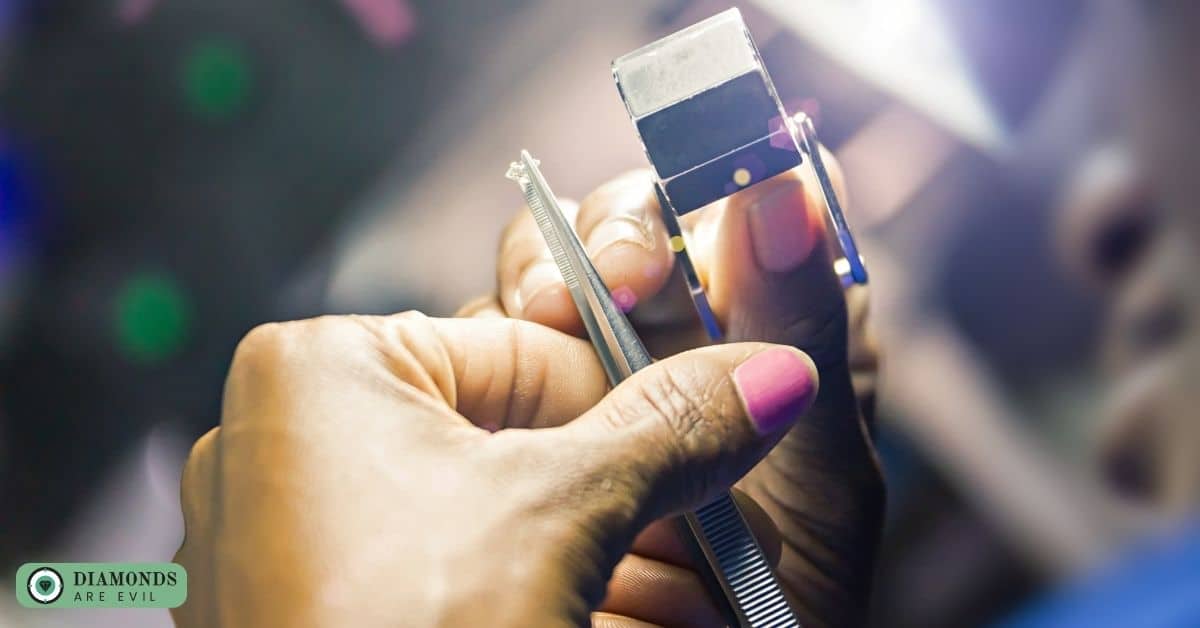
Examine under magnification: Experts recommend looking at each individual diamond under 10-power magnification in order to detect flaws or optical “bleaches” that might diminish its quality and value.
Get an opinion: If purchasing an expensive piece of jewelry, it is always wise to get a professional opinion as well – check with independent appraisers who specialize in diamonds to ensure you are getting exactly what you want at the price expected.
Importance of Certification and Grading Reports
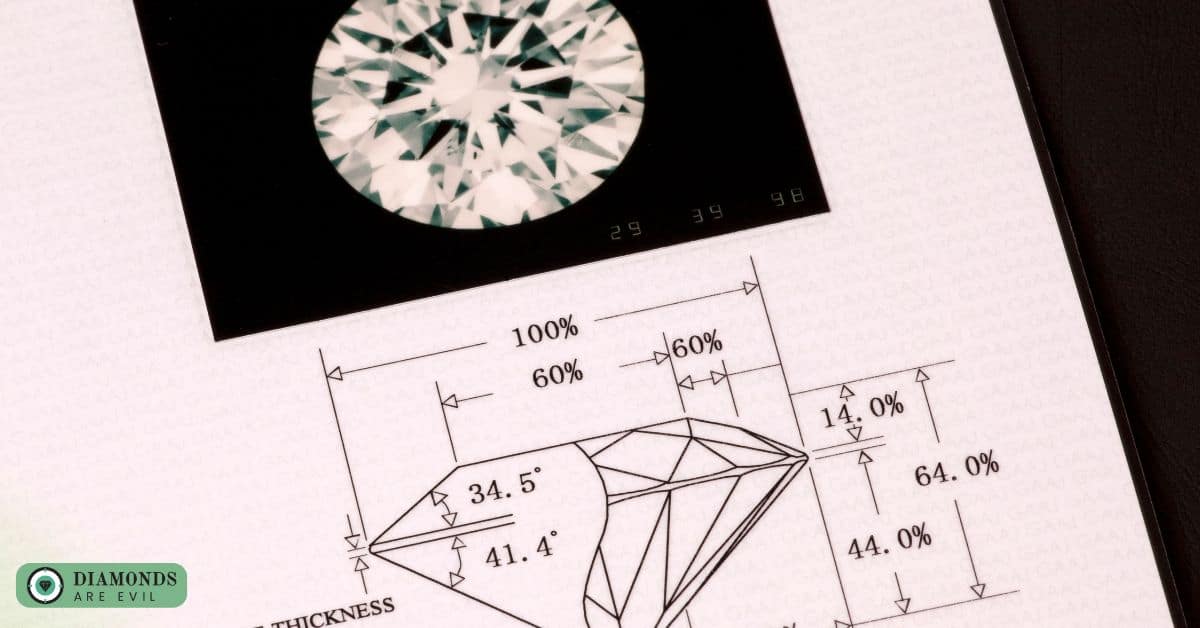
Certification and grading reports are crucial when purchasing a diamond because they provide an unbiased assessment of a diamond’s quality and characteristics. Here are some reasons why certification and grading reports are essential:
Quality Assurance: A certification or grading report assures buyers that the diamond they are purchasing is genuine and accurately represented. It guarantees that the diamond has undergone rigorous testing and evaluation by an independent third-party laboratory.
Objective Evaluation: Certification and grading reports provide an objective evaluation of a diamond’s quality, including its cut, color, clarity, and carat weight. This information is essential in determining the diamond’s value and ensures that buyers get what they pay for.
Comparison Shopping: Grading reports allow buyers to compare diamonds of the same quality and characteristics accurately. This information is particularly helpful when purchasing a diamond online or from a seller who may not have a physical store.
Resale Value: Having a certification or grading report for a diamond can help maintain its value and make it easier to sell in the future.
In conclusion
When shopping for a diamond ring, it is important to understand the 4Cs of diamond quality and how they affect the appearance and value of the diamond. Knowing the clarity grade is essential for making an informed decision. Additionally, certification and grading reports are vital to ensure buyers get what they pay for. By considering all these factors, you can find the perfect diamond ring for your budget and style.