
Diamond Clarity: What It Is and How It’s Rated
Diamond clarity affects value and beauty. Inclusions affect the rating, ranging from flawless to included. Higher ratings result in fewer visible blemishes and greater value. Clarity should be considered when selecting diamonds, along with other factors.
In this blog post, we will explore diamond clarity, what it means, and how it affects the pricing of a diamond. We’ll also discuss the criteria used to rate diamonds in terms of their clarity, as well as some factors to consider when selecting a diamond based on clarity ratings. Read on for more information about this important aspect of buying a diamond.
Learning the Value of Diamond Clarity
A diamond’s clarity plays a significant role in defining its worth and look. The better the clarity grading, the more expensive and brilliant the diamond will be since there are fewer inclusions. A scale from flawless to included was created by the Gemological Institute of America (GIA) to measure diamond clarity.
When buying a diamond, it is essential to comprehend diamond clarity because it has a big impact on the stone’s worth and appeal. A diamond with a higher clarity grade will be more bright and sparkly. Making an informed choice when choosing a diamond for purchase requires taking the time to learn about diamond clarity grading and its impact on look and value.
Exploring the Criteria Used to Rate Diamond Clarity
A diamond’s clarity, which is defined as the absence or presence of imperfections or flaws within the stone, plays a significant role in deciding the stone’s price. The size, location, and visibility of the inclusions are taken into account when determining a diamond’s clarity according to a set of standards developed by the Gemological Institute of America (GIA).
The GIA evaluates diamonds under a 10x magnification loupe and assigns a clarity score based on the following standards:
- Size: The inclusion or blemish’s size can range from very little to quite huge.
- Location: Refers to the spot where the inclusion or flaw is located within the diamond, whether it is close to the surface or buried deep inside.
- Number: The number of flaws or imperfections that a diamond has.
- Nature: The kind of imperfection, such as a crystal, feather, or cloud.
- Relief: The difference in appearance between an inclusion or flaw and the diamond around it.
The GIA created a clear grading scale based on these standards, ranging from flawless (FL) to include. (I3). While included diamonds have obvious inclusions that impair their appearance and value, flawless or internally flawless diamonds do not have any visible flaws or imperfections.
Understanding the Diamond Clarity Scale
The diamond clarity scale is a system developed by the Gemological Institute of America (GIA) to grade the clarity of diamonds based on the presence of inclusions or blemishes. The scale ranges from Flawless (FL) to Included (I3), with each grade reflecting the number, size, and location of the inclusions. The full scale is as follows:
| Diamond Clarity Grade | Description |
|---|---|
| Flawless (FL) | No inclusions or blemishes visible under 10x magnification. The rarest and most expensive clarity grade. |
| Internally Flawless (IF) | No inclusions visible, but minor blemishes may be present. Nearly as rare and valuable as FL diamonds. |
| Very Very Slightly Included (VVS1, VVS2) | Inclusions are difficult to see under 10x magnification, even for trained professionals. Highly valuable and visually stunning. |
| Very Slightly Included (VS1, VS2) | Inclusions are visible under 10x magnification but not visible to the naked eye. A great balance between value and appearance. |
| Slightly Included (SI1, SI2) | Inclusions are visible under 10x magnification and may be visible to the naked eye. A more affordable option but may have slight visible flaws. |
| Included (I1, I2, I3) | Inclusions are visible to the naked eye and may impact the diamond’s overall appearance and durability. The least valuable clarity grade. |
Understanding the diamond clarity scale is essential when selecting a diamond as it can significantly impact its value and appearance. By considering the clarity grade alongside other factors like cut, color, and carat weight, you can select the perfect diamond that meets your budget and aesthetic preferences.

How Clarity Affects Diamond Pricing
The clarity of a diamond is an important factor in determining its value, with higher clarity grades being more expensive due to fewer imperfections. VVS1-SI2 diamonds are generally considered to have excellent clarity and are often eye-clean.
Diamonds with lower clarity grades, such as I1 or I2, will have visible inclusions and may be less expensive options. It’s important to consider the four C’s (cut, color, clarity,, and carat weight) when shopping for a diamond and to purchase from a reputable store with certified diamonds.
Research and understanding the different aspects of diamond clarity can help make an informed purchasing decision.
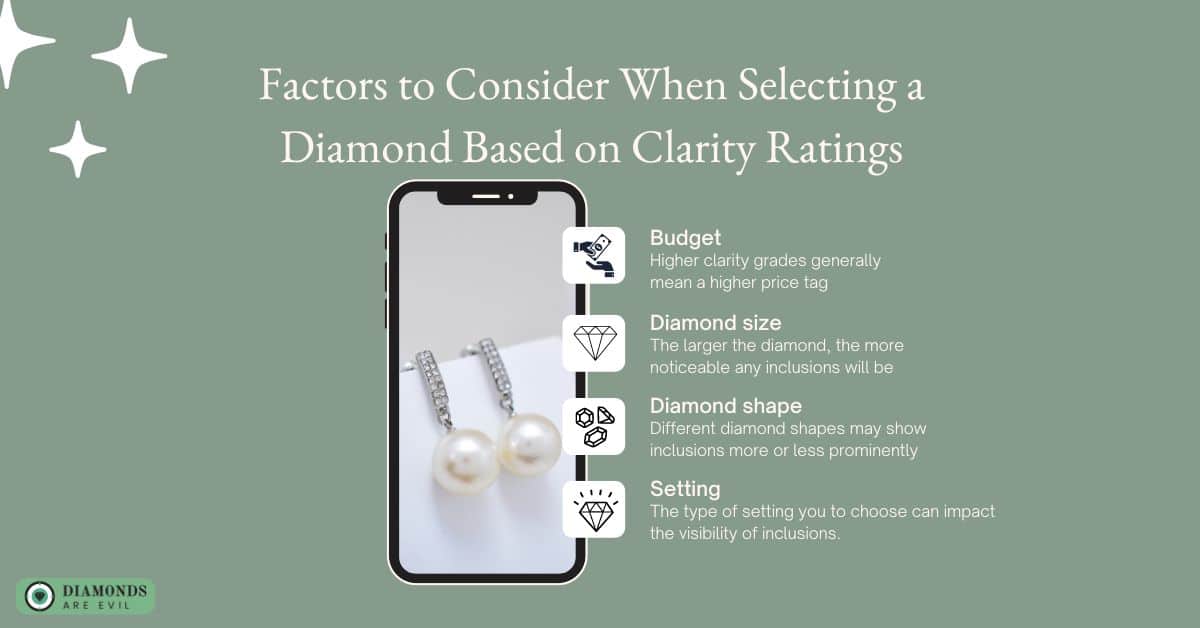
Factors to Consider When Selecting a Diamond Based on Clarity Ratings
When selecting a diamond based on clarity ratings, there are several factors to consider. Here are a few key ones to keep in mind:
Personal preference
The level of clarity you prefer is a matter of personal preference. Some people prefer a diamond with no visible inclusions or blemishes, while others may not mind some slight inclusions as long as they don’t impact the overall beauty of the stone.
Budget
Higher clarity grades generally mean a higher price tag. Determine your budget before you start shopping and be prepared to make trade-offs between clarity and other factors such as carat weight or cut.
Diamond size
The larger the diamond, the more noticeable any inclusions will be. If you’re looking for a larger diamond, you may need to consider a higher clarity grade to ensure that any inclusions are not visible to the naked eye.
Diamond shape
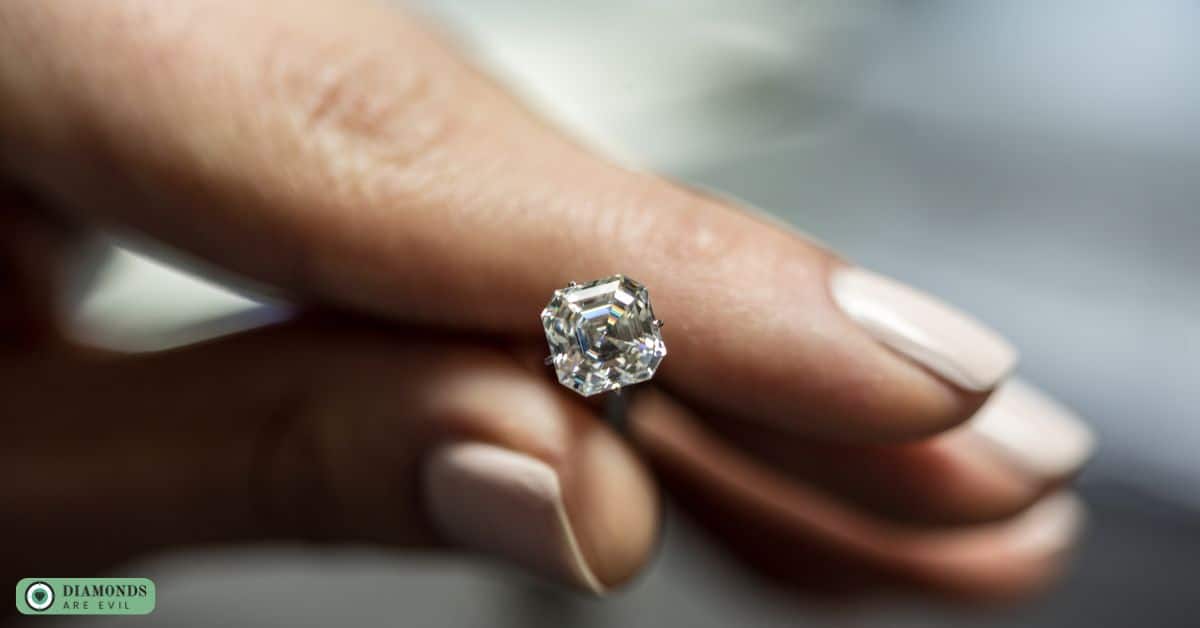
Different diamond shapes may show inclusions more or less prominently. For example, emerald-cut diamonds tend to show inclusions more prominently than round brilliant diamonds.
Setting
The type of setting you to choose can impact the visibility of inclusions. A wrong setting, for example, will allow more light to enter the diamond and can make inclusions less visible.
By taking these factors into consideration, you can select a diamond with the appropriate clarity grade that meets your needs and preferences.
In conclusion
Diamond clarity is an important factor to consider when purchasing a diamond. Knowing how the various clarity grades can affect a diamond’s value and appearance can help make selecting the perfect diamond easier.
Be sure to take into account factors such as personal preference, budget, size, shape, and setting before making your final decision. With knowledge of diamond clarity and its impact on a diamond’s beauty and worth, you can choose the perfect stone that meets your needs.