
Diamond Necklaces 101: A Beginner’s Guide to Buying
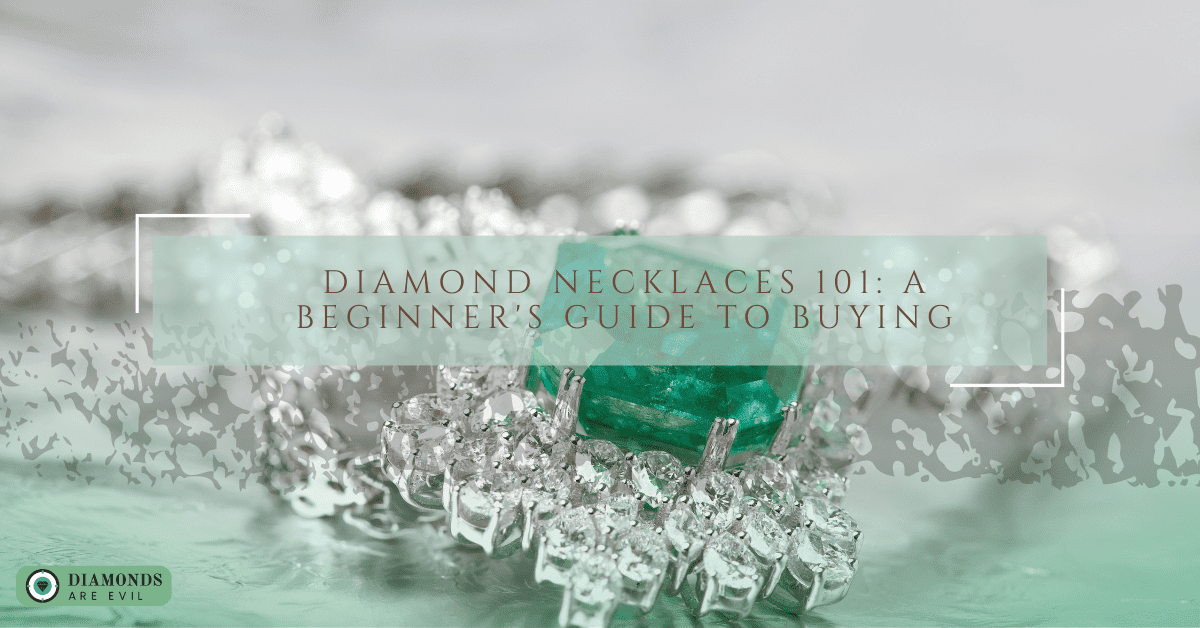
Diamond necklaces are a timeless and elegant jewelry choice that has been popular for centuries. They are typically made with a chain or cord and adorned with one or more diamonds, which can vary in size, shape, and quality. Diamond necklaces can be worn for both formal and casual occasions, and they make great gifts for loved ones.
When it comes to choosing a diamond necklace, there are several factors that you should consider. The first is size – diamonds come in various sizes, ranging from small carats to large carats. The larger the diamond, the more expensive the necklace will be. Additionally, you should also consider the quality of the diamonds used – look for excellent clarity and color to ensure that your diamond necklace is of the highest quality.
However, buying a diamond necklace can be a daunting task, especially for beginners who may not be familiar with the various styles, quality factors, and shopping considerations. This beginner’s guide to buying diamond necklaces aims to provide helpful tips and insights to make the process easier and more enjoyable.
Understanding Diamond Quality
When it comes to diamond necklaces, understanding diamond quality is essential to making an informed purchase. The 4Cs of diamond quality are carat weight, color, clarity, and cut. Here’s what you need to know about each of them:
Carat weight : This refers to the size of the diamond, and it is measured in carats. As the carat weight of a diamond increases, so does its value. However, larger diamonds are also more expensive, so it’s important to find a balance between size and budget.
Color : Diamond color is graded on a scale from D (colorless) to Z (yellow or brown). The less color a diamond has, the more valuable it is. However, some people prefer a warmer color for their diamond, so it’s important to consider personal preference when choosing a diamond color.
Clarity : This refers to the presence of inclusions or blemishes within the diamond. Clarity is graded on a scale from Flawless (no inclusions) to Included (visible inclusions). The higher the clarity grade, the more valuable the diamond. However, it’s important to note that most inclusions are not visible to the naked eye, so a slightly lower clarity grade can still result in a beautiful diamond necklace.
Cut : This refers to the diamond’s proportions, symmetry, and polish. A well-cut diamond will reflect light beautifully and appear more brilliant. The cut grade is also a significant factor in determining the diamond’s value.
When shopping for a diamond necklace, it’s important to find the right balance of diamond quality and budget. Consider which factors are most important to you and prioritize accordingly. It’s also a good idea to compare prices from different jewelers to ensure you’re getting a fair deal. Don’t be afraid to ask questions and seek advice from a trusted jeweler.
Necklace Styles
Diamond necklaces come in a variety of styles, each with its own unique look and feel. Here are some of the most common necklace styles to consider:
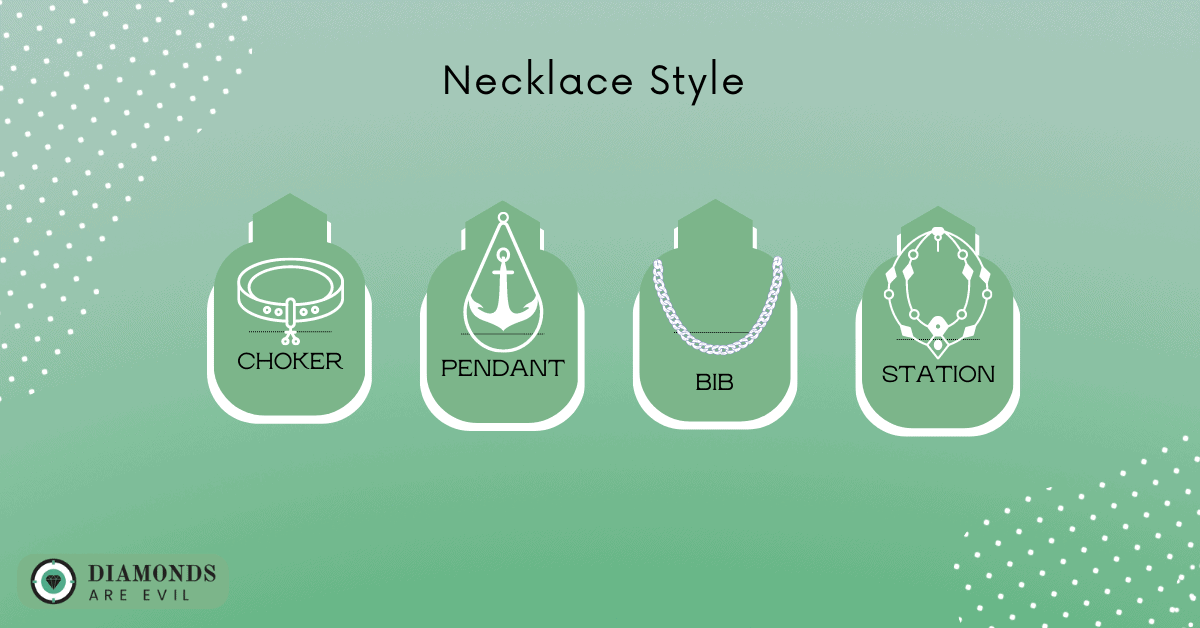
Choker: This style sits high on the neck and is typically between 14 and 16 inches long. Chokers are great for adding a touch of elegance to an outfit and can be worn alone or layered with longer necklaces.
Pendant: A pendant necklace features a single diamond or multiple diamonds set in a decorative design that hangs from a chain. Pendants come in various shapes and sizes and can be worn with casual or formal outfits.
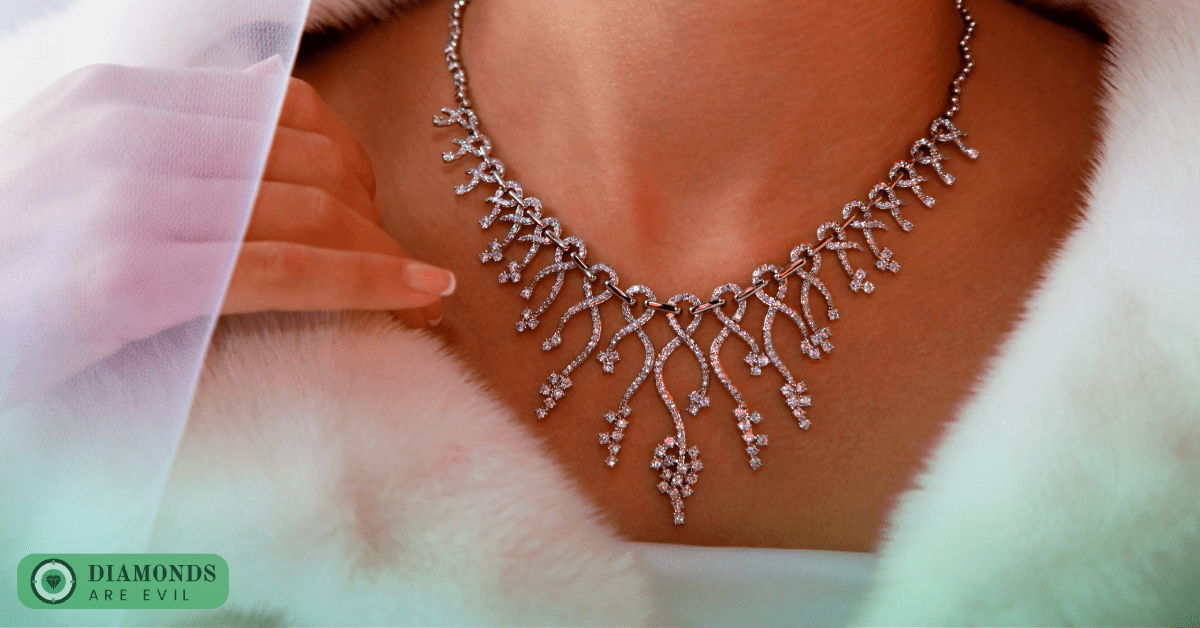
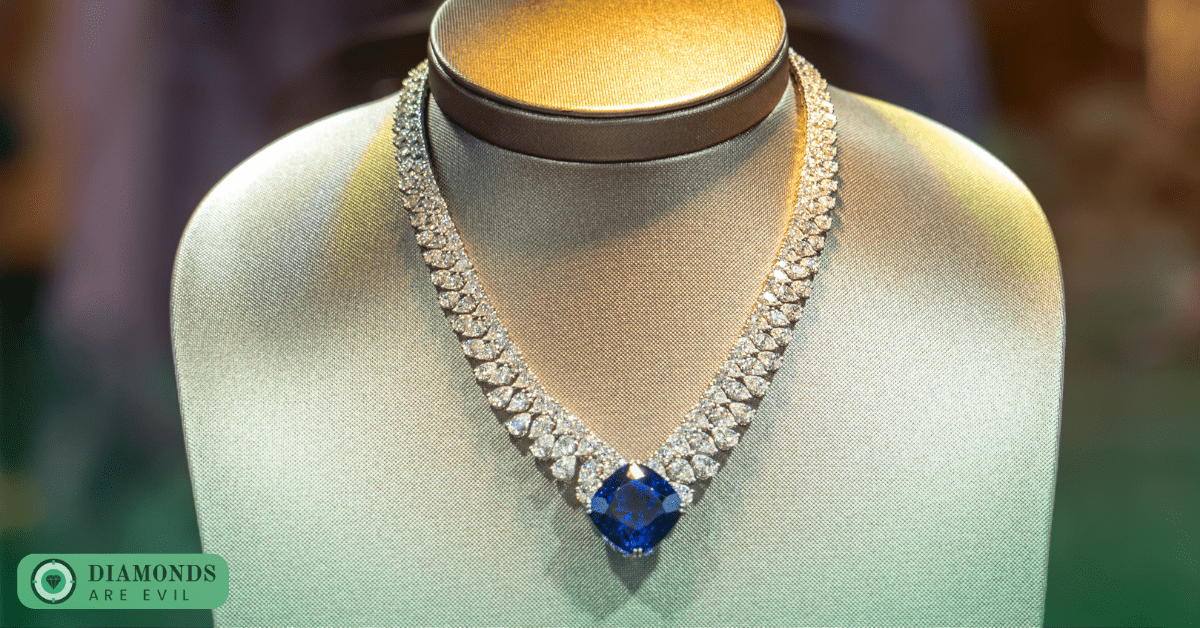
Bib: A bib necklace features a cluster of diamonds arranged in a pattern that sits at the base of the neck. This style can add a dramatic touch to a formal outfit and is best worn with a simple neckline.
Station: A station necklace features diamonds set at intervals along a chain, creating a subtle yet stunning effect. This style is versatile and can be worn with both casual and formal outfits.
When choosing a diamond necklace style, consider your personal style and the occasion you will be wearing it for. A pendant necklace is a classic and versatile choice, while a bib necklace is more dramatic and suited for formal occasions.
Metal Choices
The metal used in a diamond necklace can significantly affect the overall appearance and durability of the necklace. Here are some popular metal options for diamond necklaces and factors to consider when selecting a metal:
Gold: Gold is a popular metal option for diamond necklaces and is available in a variety of colors, including yellow, white, and rose. Gold is durable, hypoallergenic, and does not tarnish. However, it is a relatively soft metal and may scratch or bend over time.
Platinum: Platinum is a dense, strong metal that is highly durable and hypoallergenic. It is also naturally white and does not require rhodium plating like white gold. However, platinum is a more expensive metal option.
Silver: Silver is a more affordable metal option and has a bright, shiny appearance. However, it is a softer metal and may scratch or tarnish over time. Silver is also not as durable as other metals and may not be suitable for everyday wear.
When selecting a metal for your diamond necklace, consider factors such as personal preference, budget, and durability. It’s important to choose a metal that will complement the diamond and match your skin tone. For example, yellow gold can complement warmer skin tones, while white gold or platinum can complement cooler skin tones.
Shopping Considerations
When shopping for a diamond necklace, it’s important to consider several factors to ensure that you get the best value for your money. Here are some shopping considerations to keep in mind:
Finding a reputable jeweler : Look for a jeweler with a good reputation and positive reviews from previous customers. Check for certifications, such as membership in the Gemological Institute of America (GIA), which can indicate a jeweler’s commitment to quality and authenticity.
Comparing prices and getting the best value: Take the time to shop around and compare prices from different jewelers. Look for sales or promotions that may offer a discount on the diamond necklace you’re interested in.
Understanding the certification process and importance of authenticity: When purchasing a diamond necklace, make sure that it comes with a certification from a reputable organization such as the GIA or the American Gem Society (AGS). These certifications provide an objective evaluation of the diamond’s quality and authenticity.
In addition to these considerations, it’s important to think about your personal style and preferences when choosing a diamond necklace. Look for a necklace that you’ll enjoy wearing and that reflects your personality and taste.
Caring for Your Diamond Necklace
Caring for your diamond necklace is essential to ensure its longevity and beauty over time. Proper storage and cleaning techniques can help keep your necklace looking its best. Store your necklace in a soft, fabric-lined jewelry box or pouch to protect it from scratches and other damage.
Avoid storing your necklace with other jewelry items that could scratch or damage it. To clean your diamond necklace, use a soft-bristled brush and mild soap and water to gently remove any dirt or debris.
You can also use a specialized jewelry cleaning solution or take your necklace to a jeweler for professional cleaning. It’s recommended to have your diamond necklace inspected and cleaned by a professional every six months to a year to ensure that it is in good condition and to address any issues that may arise.
In conclusion
Buying a diamond necklace can be an exciting and rewarding experience, but it’s important to take the time to understand the key factors that can impact its quality, value, and appearance. By considering factors such as diamond quality, necklace style, and metal choice, you can find a necklace that complements your personal style and fits within your budget.
Shopping from a reputable jeweler and understanding the certification process can also help ensure that you get a high-quality and authentic diamond necklace. Finally, caring for your diamond necklace properly can help preserve its beauty and value over time. With these tips in mind, you can confidently shop for and enjoy a diamond necklace that adds a touch of elegance and sophistication to any outfit.