
Diamond Prices: What You Need to Know
Diamonds are an investment, so it’s important to understand the factors that affect their prices. The most important is a gemological system called the 4Cs – color, clarity, cut, and carat weight. Different grades of each of these characteristics can have a major impact on price. Additionally, the diamond shape can also influence costs.
This guide will discuss all the critical aspects of diamond prices, from the 4Cs of grading to current trends in pricing, as well as tips for getting the most out of your diamond purchase. Whether you’re buying for yourself or a loved one, understanding diamond prices will help you find the perfect stone and get it at the best price possible.
Factors Affecting Diamond Prices
Diamonds are precious stones that are highly valued for their rarity, beauty, and durability. The price of a diamond is determined by several factors that affect its quality and desirability. Here are some of the key factors that can affect diamond prices:
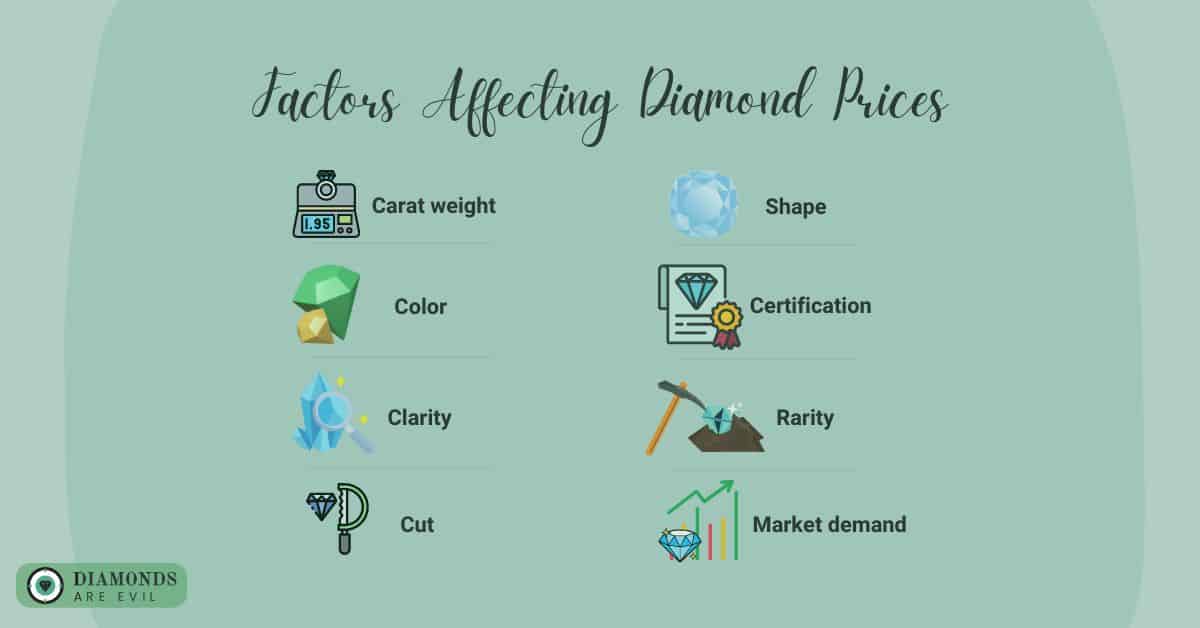
Carat weight: The size of a diamond is measured in carats, and the higher the carat weight, the more valuable the diamond is.
Color: Diamonds come in a range of colors, from colorless to yellow or brown. The more colorless a diamond is, the higher its value.
Clarity: Diamonds with fewer internal flaws or inclusions are more valuable than those with visible imperfections.
Cut: The quality of a diamond’s cut affects its brilliance and overall appearance, with well-cut diamonds commanding higher prices.
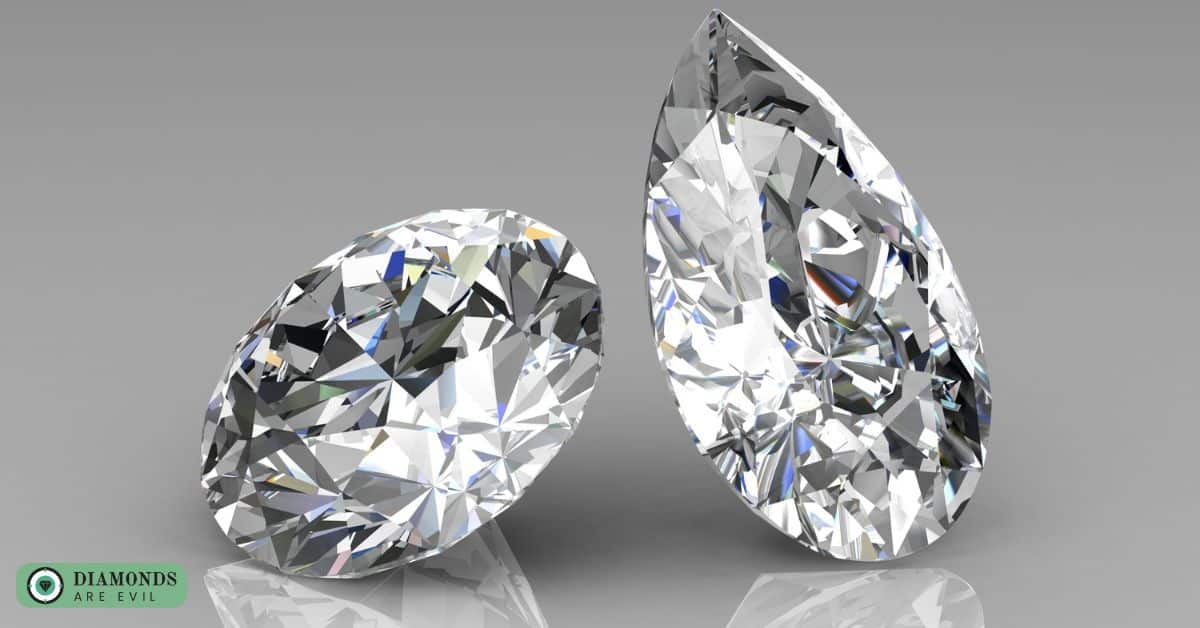
Shape: Different diamond shapes, such as round, princess, and pear, can affect the price of a diamond due to their popularity and demand.
Certification: A diamond’s certification, such as a GIA or AGS certificate, can impact its value, as certified diamonds are typically considered more trustworthy and reliable.
Rarity: The rarity of a diamond, such as certain colored diamonds or those with unique characteristics, can drive up its price.
Market demand: Current market trends and consumer demand can also affect diamond prices, with popular styles and trends often commanding higher prices.
How Diamond Shape Affects Prices
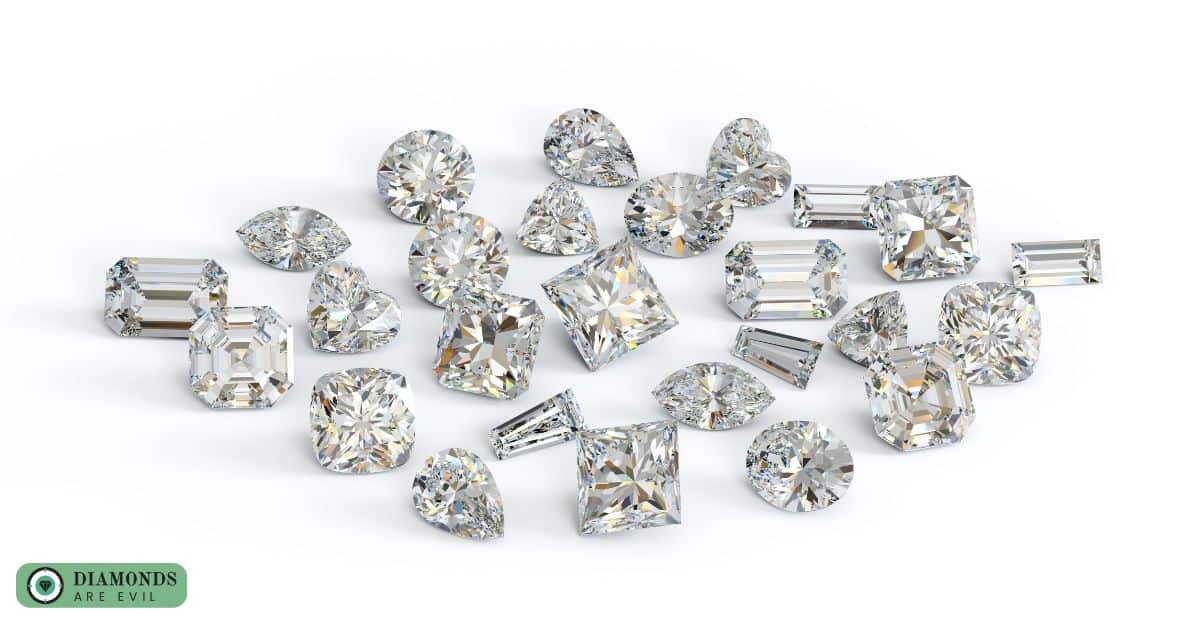
Diamonds come in a variety of shapes and sizes, each with its own unique set of characteristics. As a result, the shape of a diamond can have a significant impact on its price. The most popular shapes are round, princess, oval, marquise, and emerald cut diamonds.
Round diamonds
Are by far the most popular shape due to their timeless elegance and classic look. They offer near-perfect symmetry, creating a brilliance that is unmatched by other diamond shapes and making them more expensive than other shapes.
Princess-cut diamonds
Are square or rectangular-shaped stones with pointed corners and excellent fire and brilliance. Their popularity has grown over the last few decades due to their modern look and affordability.
Oval diamonds
Feature elongated facets that create an optical illusion of greater size when compared to similarly weighted round diamonds. While less expensive than round diamonds, they still tend to command higher prices than other diamond shapes due to their eye-catching beauty.
Marquise cut diamonds
Feature pointed ends that give the stone a boat-like shape. These stones offer maximum brilliance at minimum weight making them ideal for those who want to add visual size without adding additional cost.
Emerald cut diamonds
Have stepped sides and broad open facet planes resulting in an elegant but understated display of sparkle from both the crown and pavilion angles of the stone. These stones are relatively low-cost while still offering an undeniable level of sophistication thanks to their classic rectangular silhouettes
Understanding Diamond Certifications
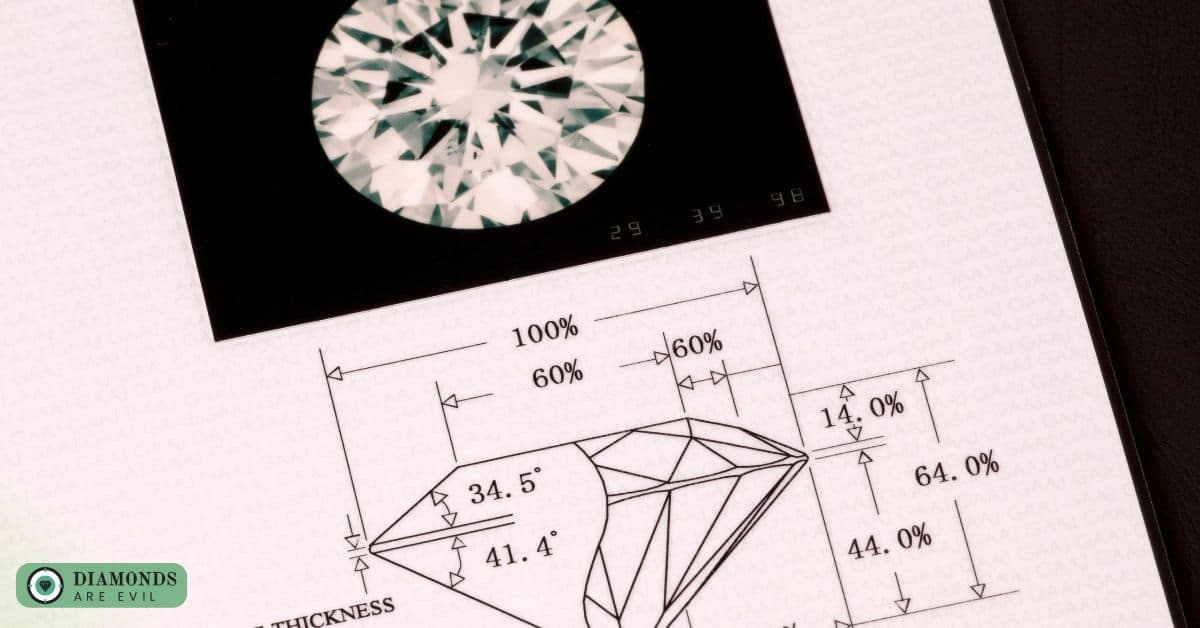
Diamond certifications provide objective information about a diamond’s quality, characteristics, and value. They are performed by independent third-party laboratories such as GIA, AGS, and IGI. A certification includes information about the diamond’s 4Cs (carat weight, color, clarity, and cut) as well as fluorescence.
It’s important to understand that certification is an objective evaluation of the diamond’s quality and characteristics but doesn’t necessarily reflect personal preferences or taste. When buying a diamond, it’s essential to work with a reputable jeweler who can help find a diamond that meets both preferences and budget.
How to Buy Diamonds Within Your Budget
Buying a diamond can be a significant investment, but it is possible to find a diamond within your budget. Here are some tips for buying diamonds within your budget:
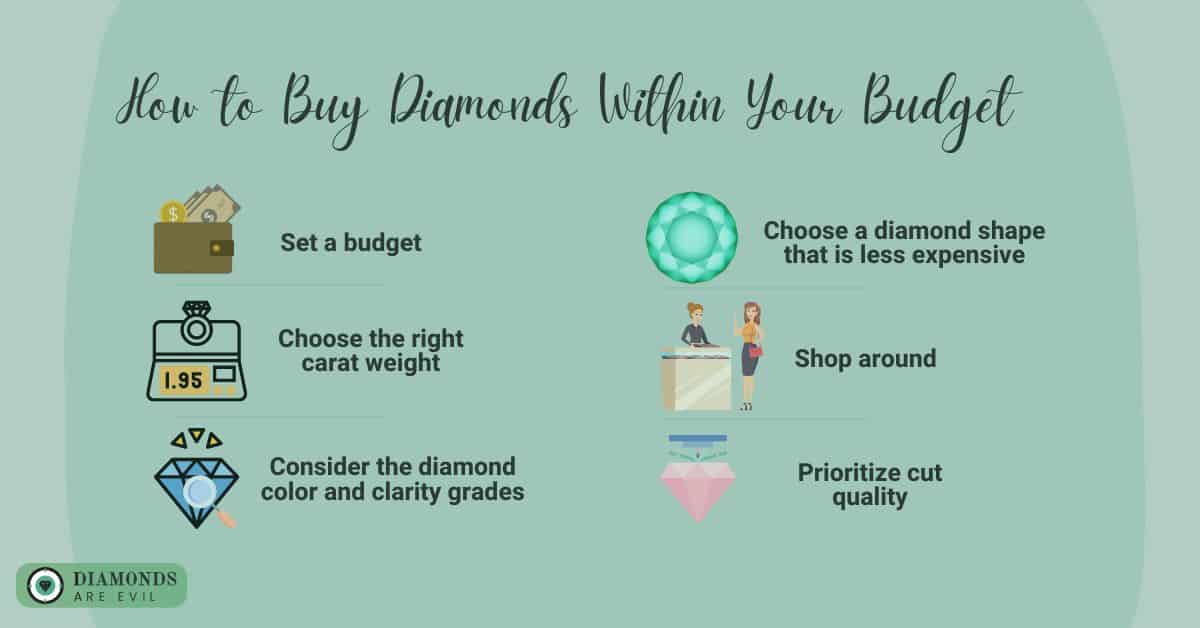
Set a budget: Determine how much you are willing to spend on a diamond and stick to it. This will help you avoid overspending and keep your search focused.
Choose the right carat weight: Diamond prices increase exponentially with carat weight, so consider a diamond just below the next carat weight to save money without sacrificing too much size.
Consider the diamond color and clarity grades: Opt for a diamond with slightly lower grades in color and clarity to save money. A slightly less perfect diamond can still be beautiful and provide good value for the price.
Choose a diamond shape that is less expensive: Round diamonds are typically the most expensive, while other shapes like princess, cushion, and pear can be less expensive while still providing a stunning look.
Shop around: Check prices from different jewelers and online retailers to find the best value for your budget.
Prioritize cut quality: A well-cut diamond can make up for slight variations in color and clarity grades, and a poorly cut diamond can make even the most perfect diamond appear dull and lifeless.
Current Diamond Price Trends
Diamond prices are constantly changing due to various factors such as supply and demand, market conditions, and consumer preferences. For those in the diamond industry or those looking to purchase diamonds, it’s important to stay up-to-date on current diamond price trends.
In this table, we will outline the current price range for diamonds based on the 4Cs (carat weight, color, clarity, and cut) to provide insights into the current diamond market.
| Carat Weight | Price Range |
|---|---|
| 0.5-1 carat | $1,000 – $12,000 |
| 1-2 carat | $4,000 – $60,000 |
| 2+ carat | $10,000 – $200,000+ |
| Color | Price Range |
|---|---|
| D-F | $2,000 – $100,000+ |
| G-I | $1,000 – $40,000 |
| J-M | $800 – $10,000 |
| Clarity | Price Range |
|---|---|
| FL-VS2 | $2,000 – $100,000+ |
| SI1-SI2 | $800 – $20,000 |
| I1-I3 | $500 – $5,000 |
| Cut | Price Range |
|---|---|
| Excellent | $2,000 – $100,000+ |
| Very Good | $1,000 – $30,000 |
| Good/Fair/Poor | $500 – $5,000 |
Please note that the prices in this table are for reference only, and actual prices can vary depending on various factors such as the diamond’s source, market conditions, and specific characteristics of the diamond.
Tips for Diamond Investment
Diamonds have been a symbol of wealth and luxury for centuries, and investing in diamonds can be a smart financial decision. However, diamond investment requires knowledge and careful consideration. In this article, we will discuss tips for diamond investment to help you make informed decisions and maximize your returns.
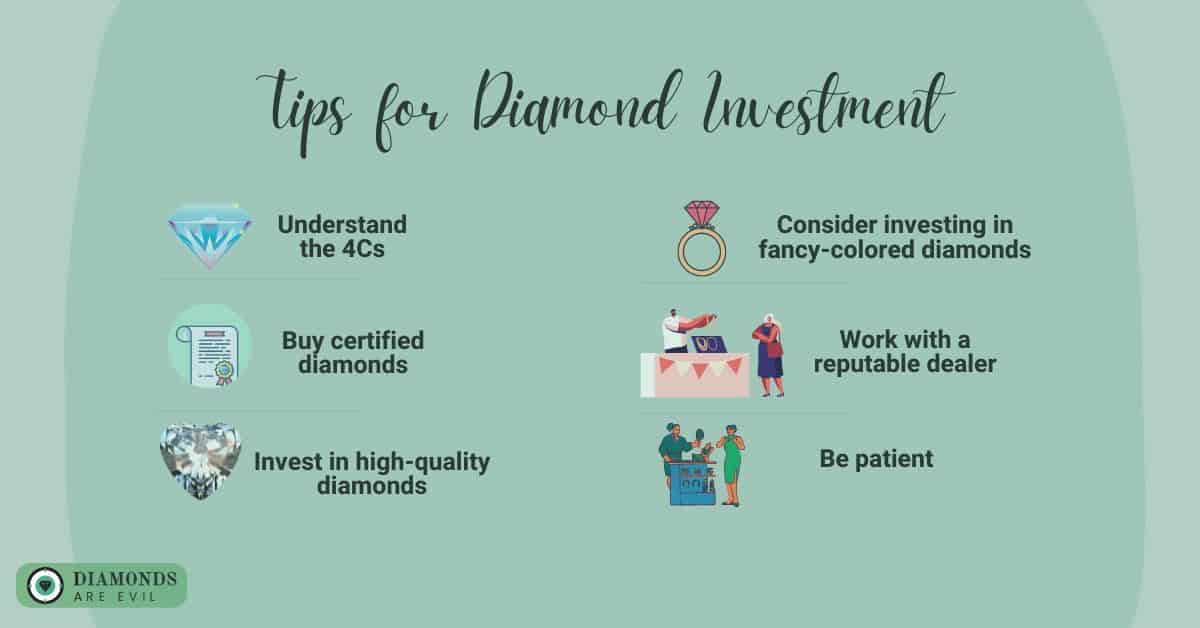
Understand the 4Cs: Carat weight, color, clarity, and cut are the four key factors that determine a diamond’s value. Understanding the 4Cs will help you determine the quality and value of a diamond, and make informed investment decisions.
Buy certified diamonds: Certified diamonds are verified by reputable organizations such as the Gemological Institute of America (GIA) or the American Gem Society (AGS). These certifications provide assurance of the diamond’s quality and can increase the diamond’s resale value.
Invest in high-quality diamonds: High-quality diamonds tend to appreciate in value over time, making them a good investment. Look for diamonds with high clarity and color grades, and excellent cut grades.
Consider investing in fancy-colored diamonds: Fancy-colored diamonds, such as pink, blue, and yellow diamonds, are rare and highly sought-after. They tend to appreciate in value over time and can be a smart investment for those looking to diversify their portfolio.
Work with a reputable dealer: When investing in diamonds, it’s important to work with a reputable dealer who has a track record of providing high-quality diamonds and fair prices. Do your research and read reviews to find a dealer with a good reputation.
Be patient: Diamond investment is a long-term investment, and it may take years for your diamond to appreciate in value. Be patient and don’t expect quick returns.
In conclusion
Diamond prices are determined by a variety of factors, from the 4Cs of diamond grading to shape and certification. It’s important to understand these factors before making a diamond purchase or investing in diamonds. By understanding the basics of diamond prices, setting a budget, and working with reputable dealers, you can be sure to buy or invest in diamonds within your budget and maximize your returns.