
Diamonds 101: The Pear Shape
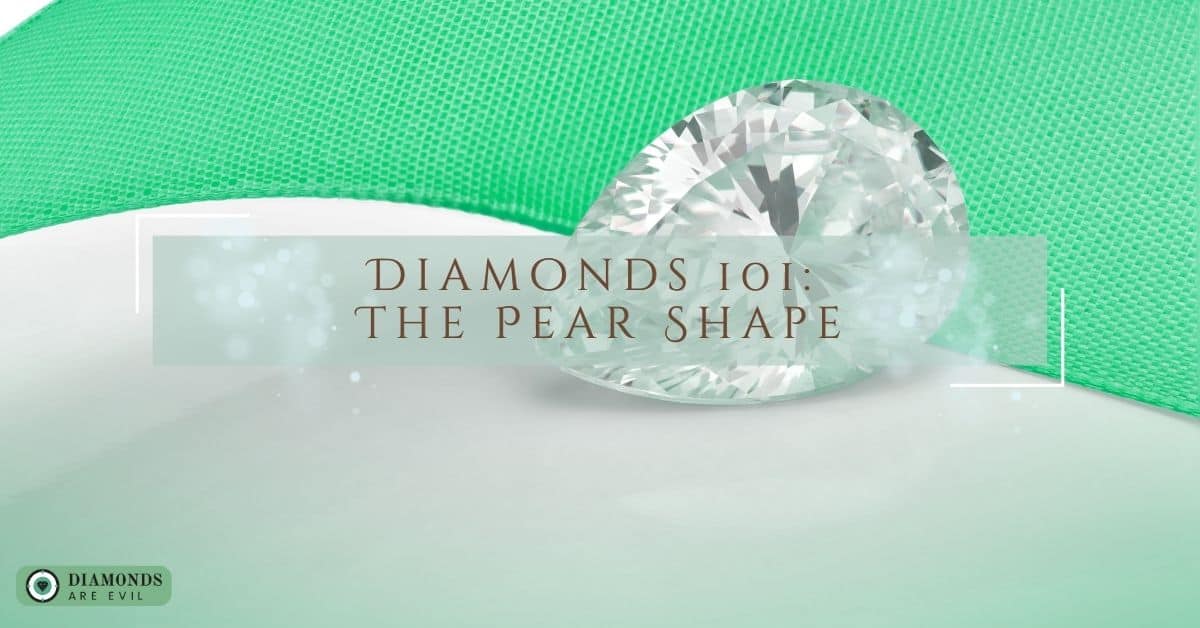
The pear shape diamond is a timeless classic that never goes out of style. Its unique features make it a great choice for any special occasion, from engagements to anniversaries. But before you commit to this gorgeous cut, make sure you know the basics about its design and characteristics.
In this blog post, we’ll go over the pear shape diamond 101, so you’re armed with the knowledge to make an informed decision on your purchase. Read on for everything you need to know about the pear shape diamond!
The Basics: What is a Pear Shape Diamond?
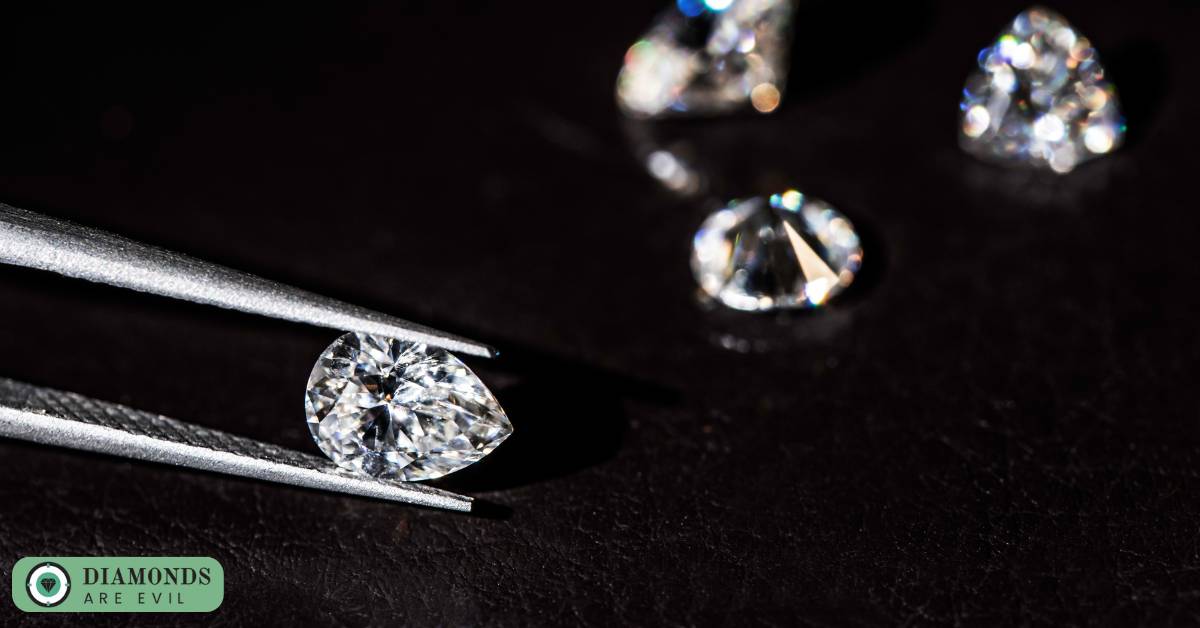
A pear shape diamond is a popular diamond cut that features a curved round top and a tapered point. This distinctive shape is also known as the teardrop cut and has been admired by people around the world for centuries.
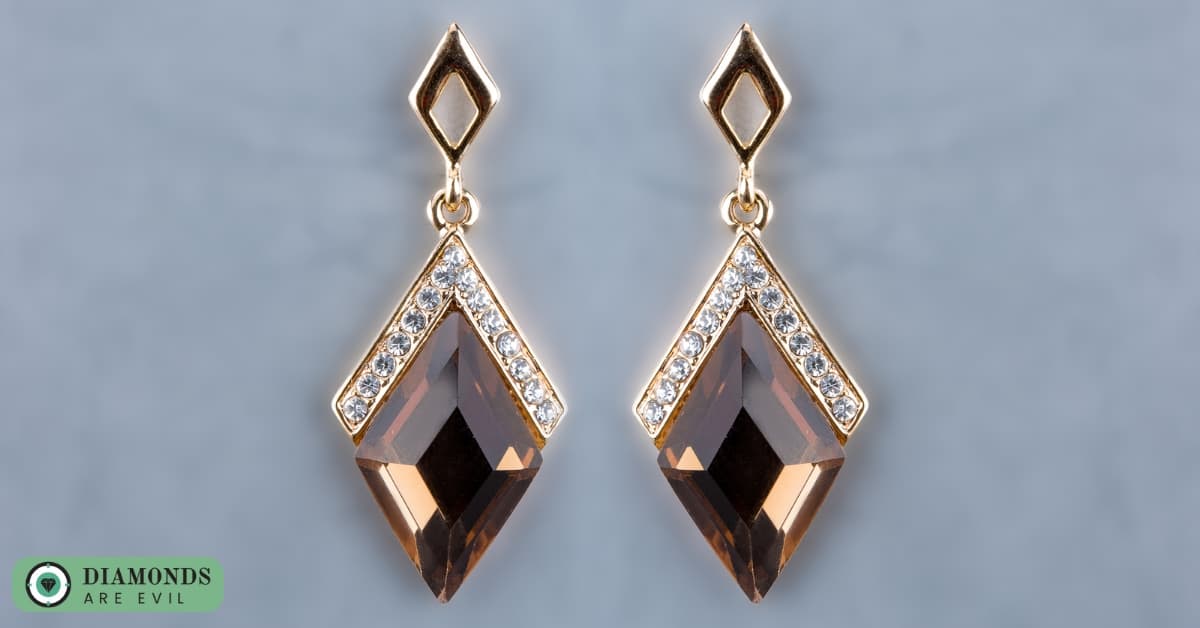
Pear-shaped diamonds are most commonly used in engagement rings, pendants, earrings, and other jewelry pieces. The shape adds an extra dimension to the stone, creating an eye-catching look that can enhance any piece of jewelry.
When choosing a pear shape diamond, it’s important to take into consideration both the size and quality of the stone. Generally speaking, larger diamonds tend to have lower clarity ratings due to additional inclusions present in the stone. However, these stones can still be quite beautiful if the inclusions are small and not too noticeable.
The main advantage of choosing a pear shape diamond over other cuts is that it has a much larger surface area than round cuts but with less carat weight – resulting in greater sparkle and shine! For this reason, they’re often chosen as centerpieces in solitaire rings and other pieces where they can stand out.
History of the Pear Shape Diamond
The pear-shaped diamond is known for its stunning beauty and timeless elegance. But did you know it has an interesting history that dates back thousands of years?
The earliest records of this diamond cut date back to the 1400s in India when it was used as a symbol of wealth and power among rulers. It wasn’t until the late 19th century, however, that the pear shape began to gain popularity in Europe and America.
In the early 20th century, famous jewelers such as Cartier and Harry Winston began to experiment with adding unique shapes to their designs. The introduction of various fancy cuts such as the pear shape helped to revolutionize the world of jewelry design.
Today, pear shape diamonds are still some of the most sought-after stones in all kinds of jewelry including engagement rings, pendants, and earrings. From delicate pieces featuring small stones to more extravagant designs, this timeless gem is sure to add a touch of class and sophistication no matter what style you choose!
Characteristics of the Pear Shape Diamond
The pear shape diamond is a popular choice for those seeking a unique and elegant engagement ring. This diamond is known for its distinctive shape that resembles a teardrop and is cut in a way that maximizes its brilliance and fire. Here are a few key characteristics of the pear shape diamond:
Unique Shape and Cut
The pear shape diamond has a rounded end and a pointed end, which creates a beautiful and elegant look. The cut of the diamond is critical to the overall look and brilliance of the stone, and it must be carefully crafted to ensure that the maximum amount of light is reflected the viewer.
The pear shape diamond is a popular diamond cut that features a curved round top and a tapered point. This distinctive shape is also known as the teardrop cut and has been admired by people around the world for centuries.
The following table outlines some of the unique shapes and cuts associated with pear shape diamonds:
| Shape | Cut |
| Round | Brilliant |
| Oval | Step |
| Marquise | Fancy |
| Heart | Rose |
Each one of these shapes and cuts gives the pear shape diamond its special character, allowing you to customize your jewelry piece to express your style. No matter which option you choose, you can be assured that your diamond will be expertly cut for maximum sparkle and shine!
Aspect Ratio and Ideal Proportions
The aspect ratio of a pear shape diamond refers to the length-to-width ratio of the stone. It plays a crucial role in determining the overall appearance of the diamond, as it affects the balance between the rounded and pointed ends. An ideal aspect ratio for a pear shape diamond is around 1.45 to 1.75, which provides the best balance between length and width.
Below is a table showing the different aspect ratios and the corresponding ideal proportions for pear shape diamonds:
| Aspect Ratio | Ideal Proportions |
| 1.45 to 1.55 | Slim and slender |
| 1.55 to 1.75 | Well-proportioned |
| 1.75 to 2.0 | Broad and round |
It is important to note that personal preferences also play a role in determining the ideal aspect ratio for a pear-shaped diamond. Some people may prefer a slimmer and more delicate look, while others may prefer a more substantial and rounded appearance. Ultimately, the ideal aspect ratio will depend on the individual’s taste and the setting in which the diamond will be placed.
Differences From Other Diamond Shapes
The Pear Shape Diamond is a unique and elegant diamond shape that stands out from other shapes with its tapered point and rounded edges. Here are some key differences between the Pear Shape Diamond and other diamond shapes:
Shape: The Pear Shape Diamond is a combination of a round and marquise diamond, with a rounded bottom and a tapered point at the top.
Facets: The Pear Shape Diamond typically has 56 facets, which create a distinctive sparkle and light reflection.
Length-to-Width Ratio: The Pear Shape Diamond has a length-to-width ratio that ranges from 1.45 to 1.75, which affects its overall appearance and proportion.
Symmetry: A Pear Shape Diamond requires precise symmetry to achieve a balanced and pleasing look, making it a bit more challenging to cut than other shapes.
Popularity: While Pear Shape Diamonds are less popular than round diamonds or princess cut diamonds, they are still a sought-after choice for engagement rings and other jewelry.
Pear Shape Diamond Cost
The cost of a Pear Shape Diamond varies based on several factors such as carat weight, color, clarity, cut, and certification. On average, a 1-carat Pear Shape Diamond can range from $1,500 to $7,000, but prices can go up to tens of thousands of dollars for larger diamonds with exceptional quality.
The exact cost of a Pear Shape Diamond depends on the specific characteristics of each diamond and can only be determined by a professional gemologist or jeweler.
Advantages of the Pear Shape Diamond
With its curved tips and generous surface area, the pear shape diamond is known for its unique beauty and versatility. This captivating cut has many advantages that make it a popular choice for all kinds of jewelry. Pear-shaped diamonds are one of the most sought-after diamond shapes, as they offer a variety of advantages that other diamond shapes cannot.
- They are extremely versatile in the different styles and settings that they can be set in. This means that no matter what style you wish for your engagement ring to have, the pear-shaped diamond can fit into it perfectly.
- This shape is great for achieving a flattering look on different hand shapes and finger lengths. As it creates an almost oval loop that tapers off at the end, it elongates and narrows the fingers which give them a delicate and graceful look.
- Narrowing the hand also serves to enhance long finger lengths even further. With its unique shape, a pear-shaped diamond adds character to any piece of jewelry and is perfect for creating an eye-catching engagement ring.
Buying Guide for Pear Shape Diamonds
Buying the perfect pear-shaped diamond can be a daunting task. To help you out, here is a step-by-step guide to ensure that you get the best quality possible:
Step 1:
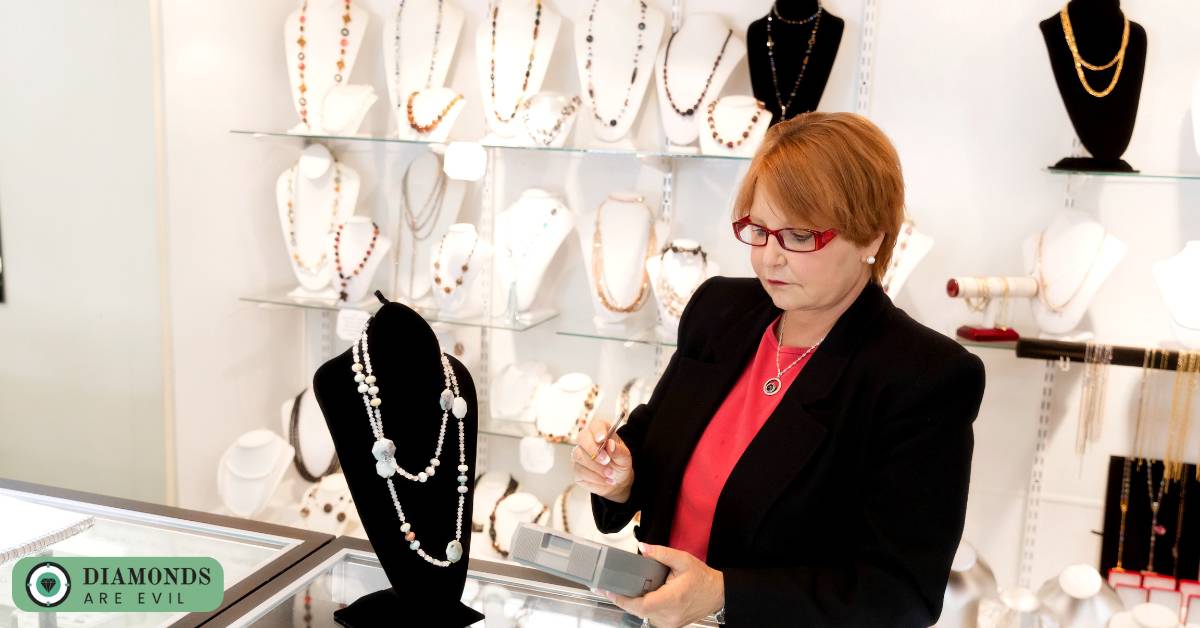
Look for diamond certification from a reputable laboratory such as GIA, which guarantees the stone’s quality and carat weight. GIA certifications also include additional details such as cut, clarity, and color, so make sure to ask your jeweler for this information before you buy.
Step 2:
Make sure you choose a carat size that balances size and sparkle. Pear-shaped diamonds usually appear larger than their actual carat size so use that when deciding on your purchase.
Step 3:
Check for good symmetry and polish of the diamond to ensure its brilliance when viewed from different angles. It’s important to look for diamonds with excellent proportions so that light is reflected evenly across each surface of the diamond.
Step 4:
Evaluate the cut quality to make sure it has excellent brilliance and sparkle. The better the cut quality, the more fire or flashes of light Are produced when viewed from different angles. A poorly cut diamond will lose its ability to produce brilliant flashes of light quickly through wear and tear over time, so it’s important to invest in one with an excellent cut grade.
Step 5:
Examine its clarity by looking closely at it under different light sources and angles. Inclusions in your diamonds can affect their overall beauty, therefore choosing one without any visible flaws should be your main priority when selecting your pear-shaped diamond ring!
Finally, don’t forget to check if there are any warranties or guarantees included with your purchase – these may come in handy should anything unexpected arise after buying your stunning new piece of jewelry!
Popular Settings for Pear Shape Diamonds
Pear-shaped diamonds are a beautiful, timeless gem that can be incorporated into various jewelry settings. They are very flattering and tend to elongate the finger when set on rings, making them a popular choice for engagement rings.
Here are some of the most popular settings for pear shape diamonds:
Solitaires
The simplest setting for pear-shaped diamonds is a solitaire style, in which the diamond is secured by metal claws, forming a prong setting. This setting helps to maximize the sparkle and brilliance of the diamond by allowing it to catch as much light as possible.
Additionally, this classic style is easy to maintain and clean, so it’s an ideal choice for busy lifestyles.
Side-stone Settings
In side-stone settings, small accent stones are arranged alongside the center stone or along its sides or shoulders. These accent stones can be small accents such as pave or bead-set diamonds, giving you added dazzle with minimal effort!
Pendant Necklaces
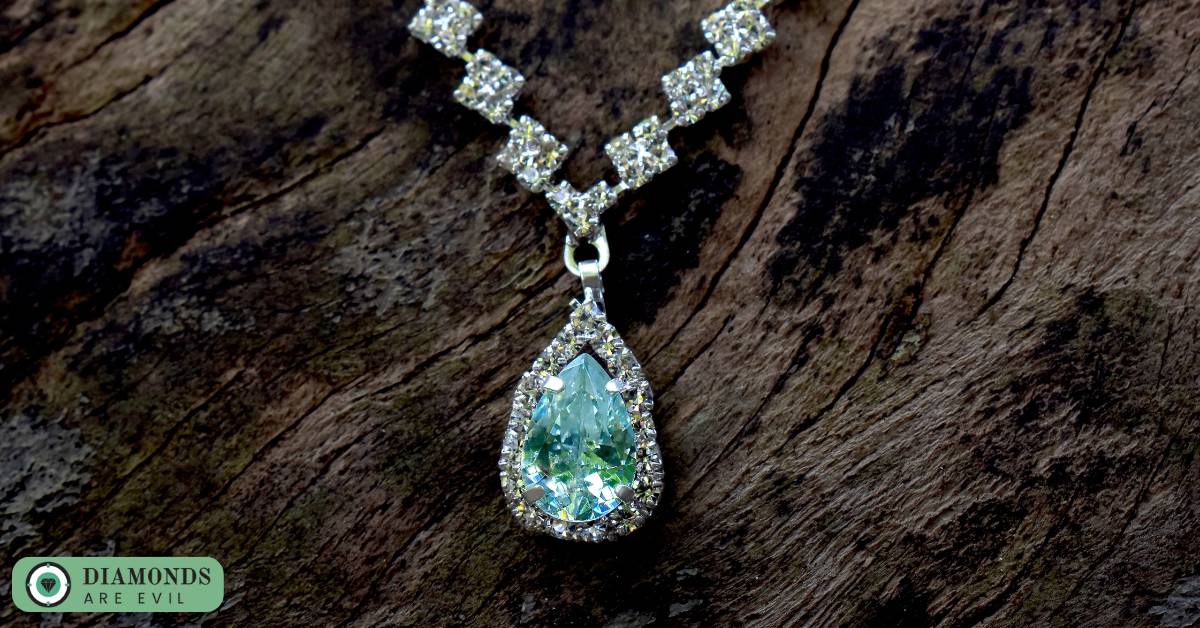
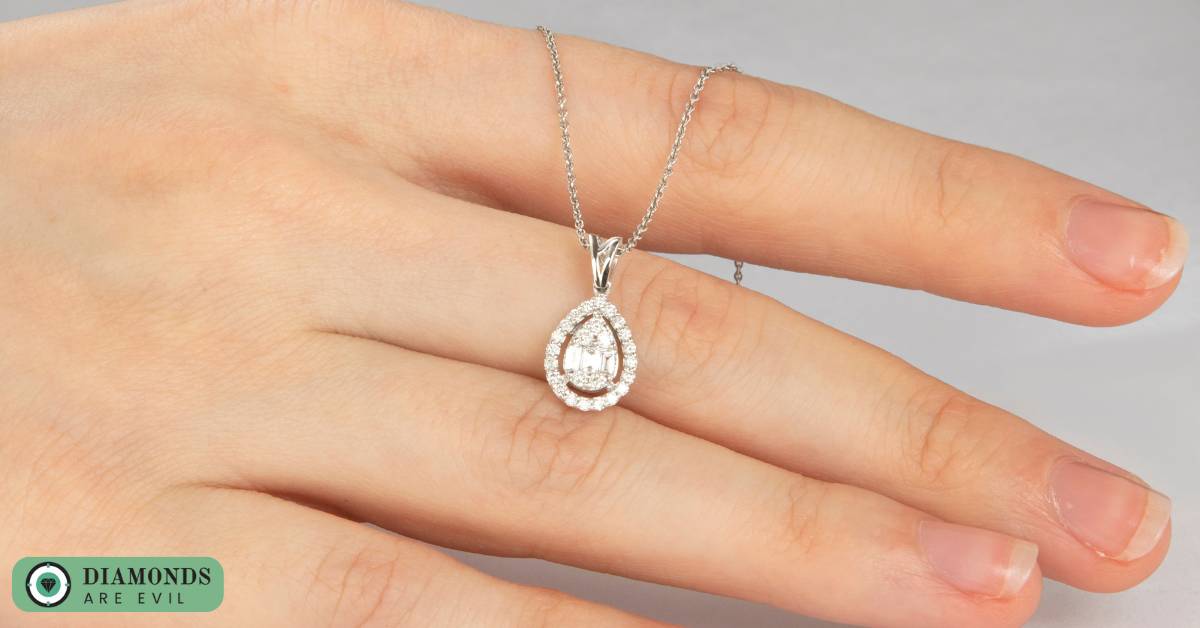
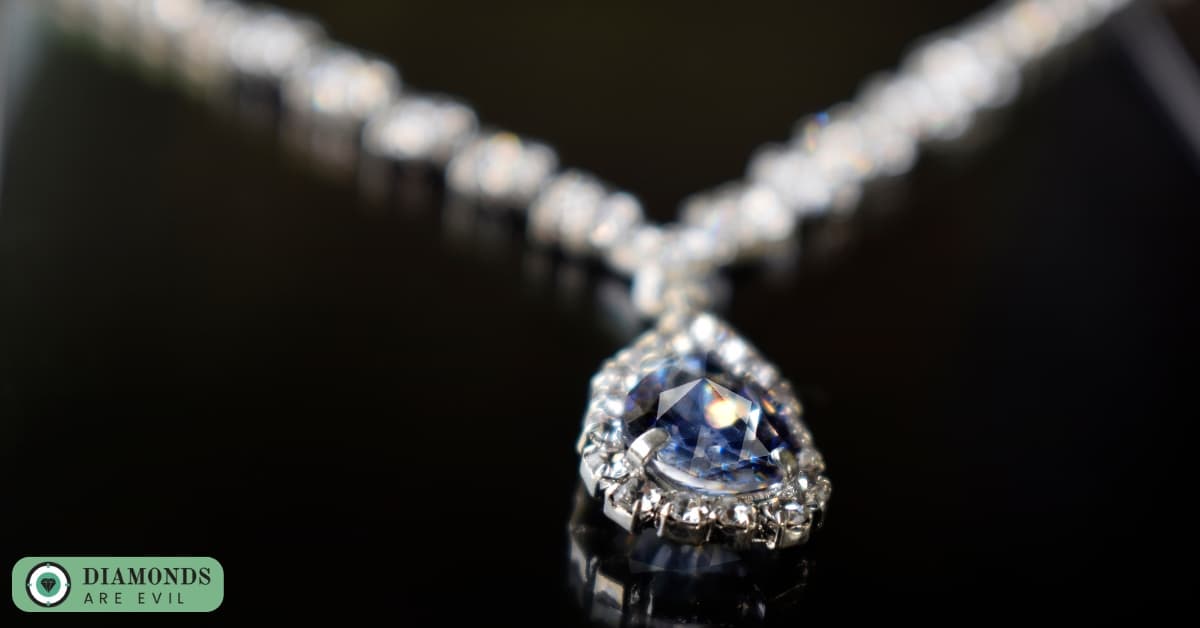
Another popular way to wear pear-shaped diamonds is by suspending them from delicate chains in pendant necklaces. This stunning look allows your diamond to hang gracefully while still catching plenty of attention and light.
Halo and Cluster Settings
Halo rings have been gaining popularity lately and they are perfect for showcasing your pear-shaped diamond in a mesmerizing display of sparkles! The halo design frames the diamond with smaller accent stones that draw attention and focus more light onto the center stone itself.
Additionally, cluster settings use multiple diamonds encircling around one larger centerpiece diamond that usually takes on a more floral look than traditional solitaire designs.
Care and Maintenance of Pear Shape Diamonds
Pear shape diamonds are beautiful and timeless gemstones, but for them to remain as sparkling and brilliant as the day that you bought them, it is important to take proper care of them. Follow these tips for keeping your diamond looking its absolute best:
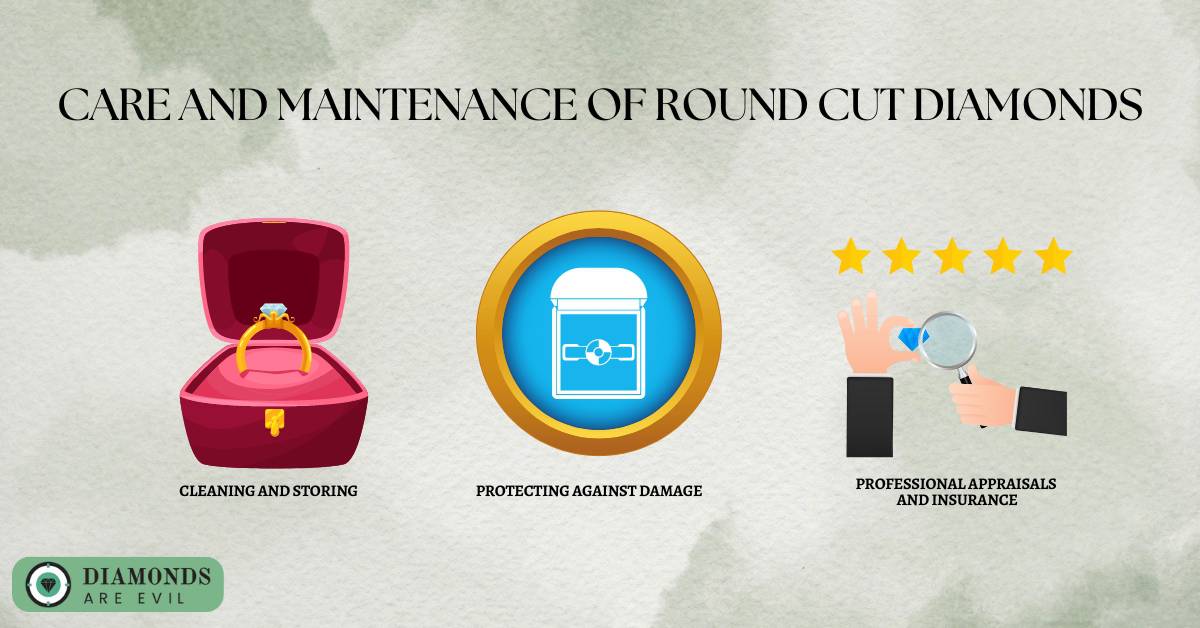
Cleaning and Storing
Diamonds should be cleaned regularly to keep them looking sharp. A good quality jewelry cleaning cloth or solution can be used to clean your diamond without damaging the metal setting.
In addition to regular cleaning, it is also important to store your diamond properly when not in use – store it in an airtight container away from other jewelry items to protect it from scratches or damage.
Protecting Against Damage
It’s very important to protect pear-shaped diamonds from harsh knocks or impacts, as they can easily chip or shatter if subjected to too much force. When wearing rings that contain pear-shaped diamonds, take extra care when doing activities such as gym workouts and housework.
In addition, remove your rings when swimming or showering – chlorine can cause a buildup of grime on the stone surface which can eventually dull their sparkle over time.
Professional Appraisals and Insurance
Pear shape diamonds tend to have a higher value than other diamond shapes, so getting a professional appraisal before purchasing is highly recommended. Additionally, it may be wise to consider getting insurance for your ring so that you are covered if anything were to happen unexpectedly (e.g., theft/loss).
Professional appraisals usually come with certificates attesting to the authenticity of the diamond along with its worth in terms of a carat weight and color grade.
Overall, taking proper care of your pear shape diamond will ensure that it remains a beautiful symbol of love and commitment for years to come!
In conclusion
A pear shape diamond is a timeless and exquisite choice for any piece of jewelry, from engagement rings to pendants. With its unique shape and cut, the pear shape diamond offers an elegant and captivating look that is sure to catch everyone’s eye.
To make sure you get the best quality possible when purchasing a pear-shaped diamond, it is important to look for certification from a reputable lab and examine the diamond’s aspect ratio, symmetry, and cut quality. With proper care, your pear-shaped diamond can remain a dazzling symbol of love for many years to come!
Ultimately, it is up to you to decide which pear-shaped diamond is right for you; one that reflects your style and expresses your personal preferences. No matter which one you choose, you are sure to end up with a beautiful and eye-catching piece of jewelry that will be treasured for many years!