
Diamonds that Sparkle: Which Clarity Grade is Worth the Investment?
Diamonds have long been admired for their brilliance, beauty, and timeless elegance. From engagement rings to anniversary gifts, diamonds are a popular choice for many special occasions. However, with so many options and grades available, it can be challenging to determine which diamond is worth investing in.
The clarity grade of a diamond is an essential factor to consider when investing. A higher clarity grade indicates fewer inclusions and blemishes, making it more valuable. Ultimately, the investment value depends on personal preferences, budget, and desired level of quality.
This article will discuss what clarity grade is, the factors that affect it, and the pros and cons of investing in diamonds with higher clarity grades.
What is Diamond Clarity Grade
A diamond clarity grade is a measure of the presence or absence of natural inclusions or blemishes in a diamond. These are naturally occurring features within the diamond that can affect its beauty and value. The clarity grade of a diamond ranges from flawless, meaning no inclusions or blemishes are visible under 10x magnification, to Included, meaning inclusions are easily visible to the naked eye.
Clarity grade plays an important role in determining the value and price of a diamond, as higher clarity grades are rare and more valuable. Understanding the clarity grade of a diamond is essential for making an informed decision when purchasing or investing in diamonds.
Factors Affecting Clarity Grade
Diamonds are prized for their beauty and clarity, with clarity grades determined by the size and number of inclusions present. But determining a diamond’s grade can be more complicated than it appears. Here are some of the factors that play a role in determining a diamond’s clarity grade:
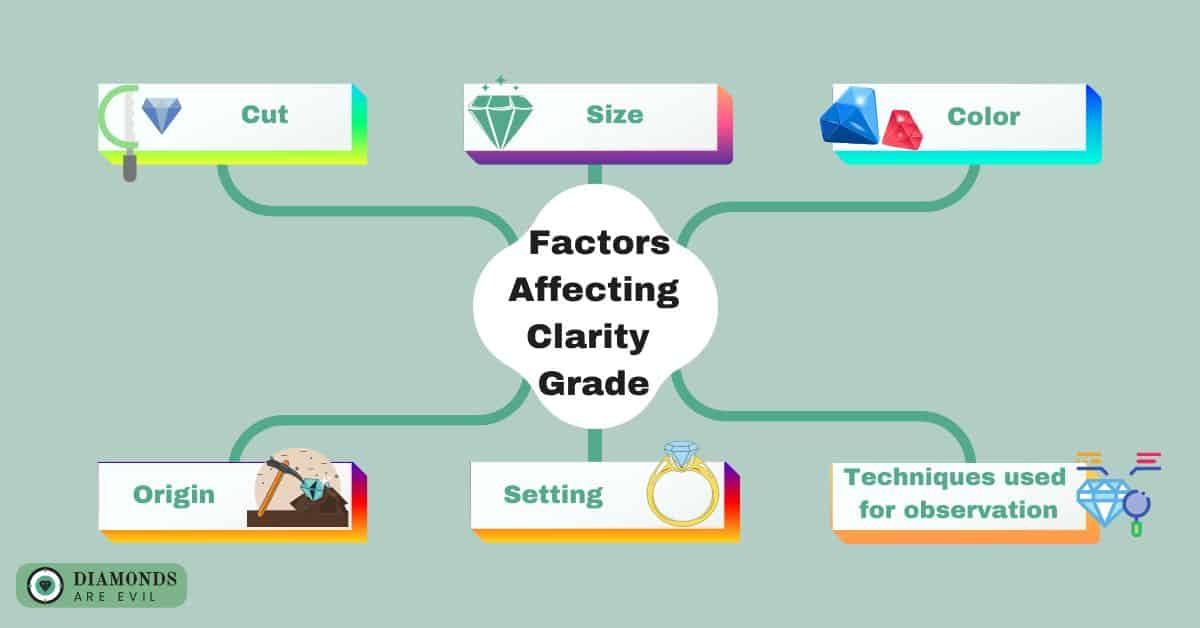
Cut: The cut affects the way light reflects off a diamond and can often hide flaws.
Size: Smaller diamonds tend to have higher clarity grades because they are less likely to contain inclusions that are visible to the naked eye.
Color: Diamonds with higher color grades have fewer inclusions and appear clearer.
Origin: Diamonds from certain regions of the world may have more or fewer inclusions depending on where they were mined.
Setting: The setting of the diamond can affect its clarity by either masking or highlighting any imperfections.
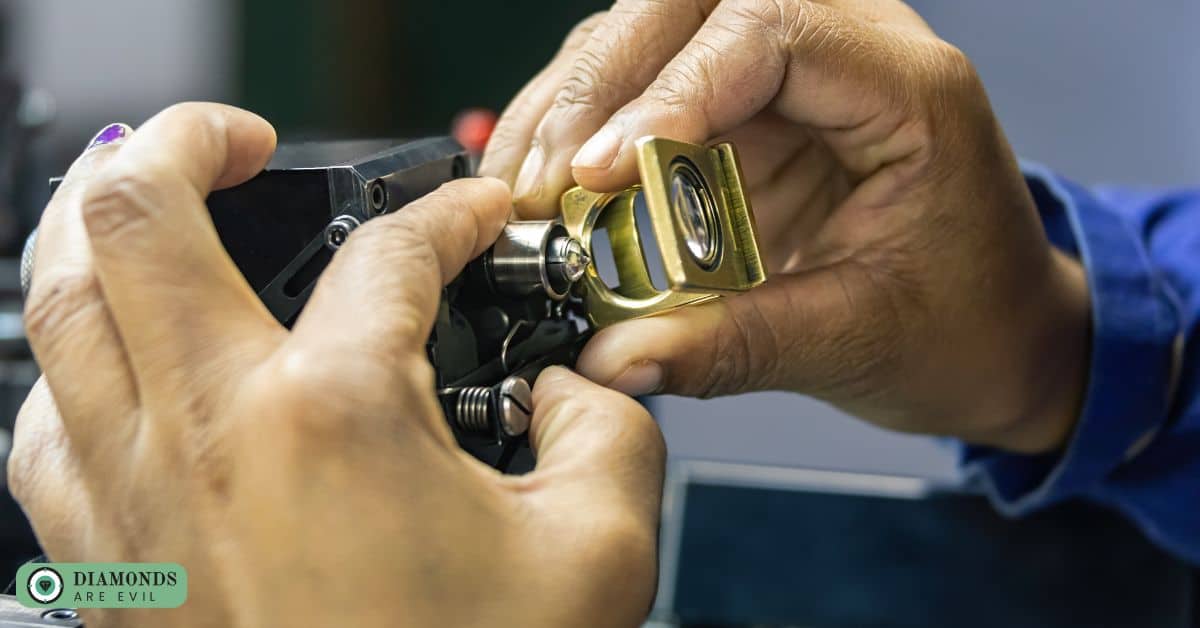
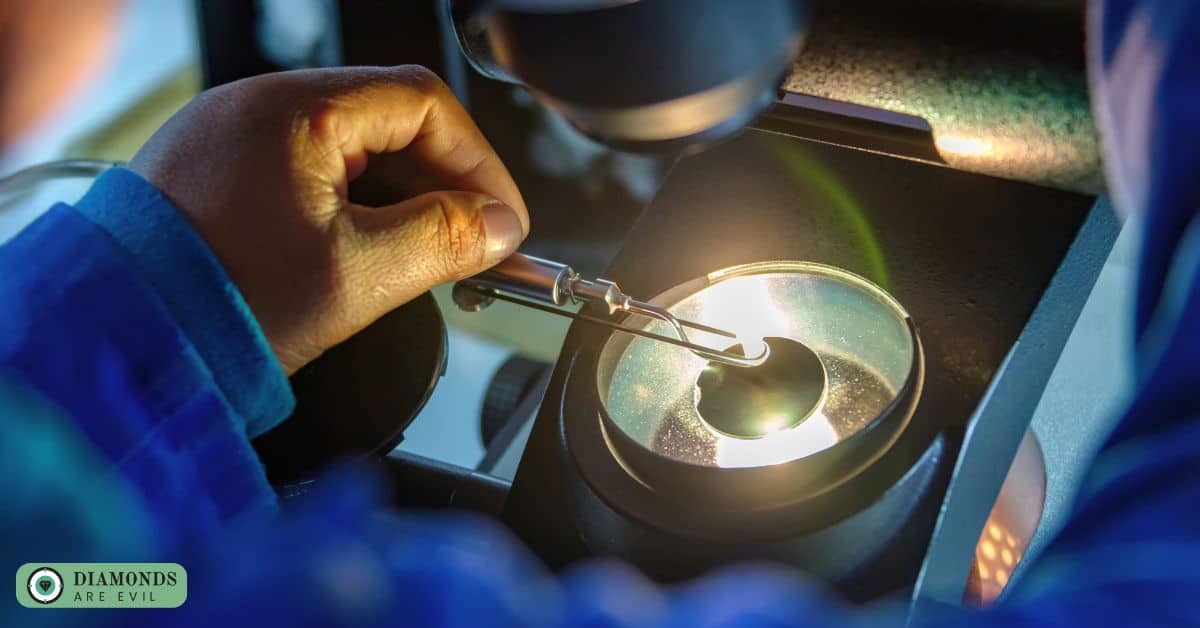
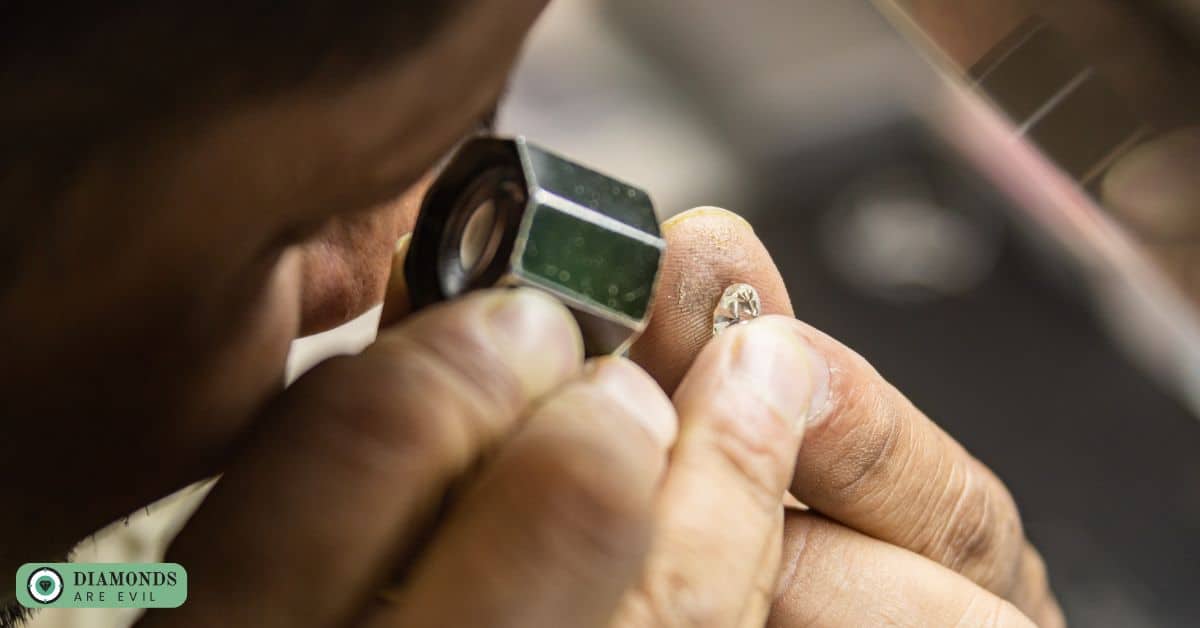
Techniques used for observation: Different techniques can be used to observe a diamond’s internal features such as a 10x magnification loupe or magnified images on computer screens which will determine its grade.
The Impact of Clarity Grade on Diamond Pricing
When buying a diamond, its clarity grade plays an important role in determining how much the stone will cost. This grade is based on the number and size of natural flaws, or inclusions, inside the diamond. In general, diamonds with fewer or smaller inclusions are more valuable than those with more prominent ones.
By understanding what each clarity grade indicates, you can accurately evaluate the value of a diamond and ensure that your purchase meets your expectations. Here’s a table that provides a breakdown of the impact of clarity grade on diamond pricing, including the price range per carat for each clarity grade.
| Clarity Grade | Impact on Pricing | Price Range (per carat) |
|---|---|---|
| FL (Flawless) | Highest clarity grade, rare and expensive | $12,000 – $30,000+ |
| IF (Internally Flawless) | Slightly lower than FL, still very rare and expensive | $10,000 – $20,000+ |
| VVS1-VVS2 (Very Very Slightly Included) | High clarity grade, with minimal inclusions only visible under 10x magnification | $8,000 – $15,000+ |
| VS1-VS2 (Very Slightly Included) | Inclusions are visible under 10x magnification, but not with the naked eye | $4,000 – $8,000+ |
| SI1-SI2 (Slightly Included) | Inclusions are visible under 10x magnification and may be visible with the naked eye | $2,000 – $5,000+ |
| I1-I3 (Included) | Lowest clarity grade, with visible inclusions and blemishes | $1,000 – $3,000+ |
Pros and Cons of Investing in High-Clarity Grade Diamonds
Investing in diamonds with higher clarity grades can be a great way to maximize the value of your diamond purchase. Although they may cost more upfront, they will retain their value better over time and are likely to appreciate in price. Here are some of the advantages and disadvantages of investing in high-clarity grade diamonds:
| Pros | Cons |
|---|---|
| 1. High-clarity diamonds are rare and visually stunning. | 1. High-clarity diamonds can be very expensive, limiting the size and carat weight of the stone. |
| 2. High-clarity diamonds have fewer inclusions and blemishes, which can increase their value and durability. | 2. A high-clarity grade does not necessarily mean a diamond is more beautiful or sparkly. |
| 3. High-clarity diamonds are an excellent long-term investment because they are more likely to hold their value over time. | 3. In some cases, high-clarity grades can be so high that they are unnecessary, and the additional cost may not be worth it. |
| 4. High-clarity diamonds are more likely to be certified, ensuring that the diamond’s quality is accurately represented. | 4. High-clarity diamonds may be less forgiving when it comes to color and cut. A diamond with a lower clarity grade but a better color or cut may be more visually appealing. |
| 5. High-clarity diamonds can be an excellent choice for those who prioritize clarity above all else. | 5. A high-clarity diamond may not be the best choice if you prioritize size or carat weight over clarity. |
Factors to Consider on Which Clarity Grade Is Right for Your Investment
When considering investing in diamonds, one of the critical factors to consider is the clarity grade of the stone. The clarity grade refers to the presence or absence of blemishes and inclusions within the diamond, which can impact its value and beauty.

However, determining the right clarity grade for your investment can be a challenging decision. Here are some factors to consider when determining which clarity grade is right for your investment:
Budget: Clarity grade has a significant impact on diamond pricing, so it’s essential to consider your budget when selecting a Clarity Grade. Generally, the higher the Clarity Grade, the more expensive the diamond.
Diamond Cut: Diamond cut can impact the appearance of inclusions and blemishes in a diamond. For example, a well-cut diamond can help mask inclusions and blemishes, making a lower Clarity Grade diamond appear more beautiful.
Personal Preference: Some people prefer the look of a diamond with fewer inclusions and blemishes, while others may not mind some inclusions if the diamond has an excellent Diamond cut.
Investment Goals: Your investment goals may impact your choice of Clarity grade. If you’re looking for a long-term investment, a higher Clarity grade diamond may be a better choice, as these stones tend to retain their value well over time.
Rarity: Higher Clarity grade diamonds are rare, which means they may be a good choice for collectors looking to invest in unique and valuable stones.
In conclusion
Determining which Clarity Grade is right for your diamond investment depends on a variety of factors, including a budget, Diamond cut, personal preference, investment goals, and rarity. Choosing the right clarity grade can help ensure that you make an informed decision about purchasing or investing in diamonds.
Understanding the impact of clarity grade on diamond pricing can also help you make the most of your investment. By considering these factors, you can find a diamond that meets your expectations and budget while providing lasting beauty and value.