
Real Diamonds vs. Fakes: What to Look for in Your Jewelry
To spot real diamonds from fake ones, look for imperfections or inclusions within the stone with a jeweler’s loupe. Real diamonds also have a high level of brilliance and sparkle compared to fakes. You can also perform simple tests like the water test, fog test, and the scratch test to confirm a diamond’s authenticity.
Whether you’re a seasoned jewelry collector or a newbie in the industry, this blog will provide valuable insights to help you make an educated purchase. Let’s delve into the world of Diamonds vs. Fakes and discover what to look for in your jewelry.
The Significance of Jewelry
Jewelry has been a significant part of human culture for centuries. It is used to symbolize status and identity. The color of jewelry often holds deeper meaning beyond its aesthetic qualities. The tones and hues of jewelry can convey emotional energy.
Also, express a certain mood or personality. For example, gold can represent wealth and prestige, while silver may be associated with elegance and sophistication. Bright and bold gemstones like rubies and emeralds exude passion and strength.
Cool and serene tones like turquoise and aquamarine embody calmness and tranquility. The jewelry tone you choose can communicate a message about who you are and what you value. It adds an extra layer of significance to an already precious accessory.
Characteristics of Real Diamonds
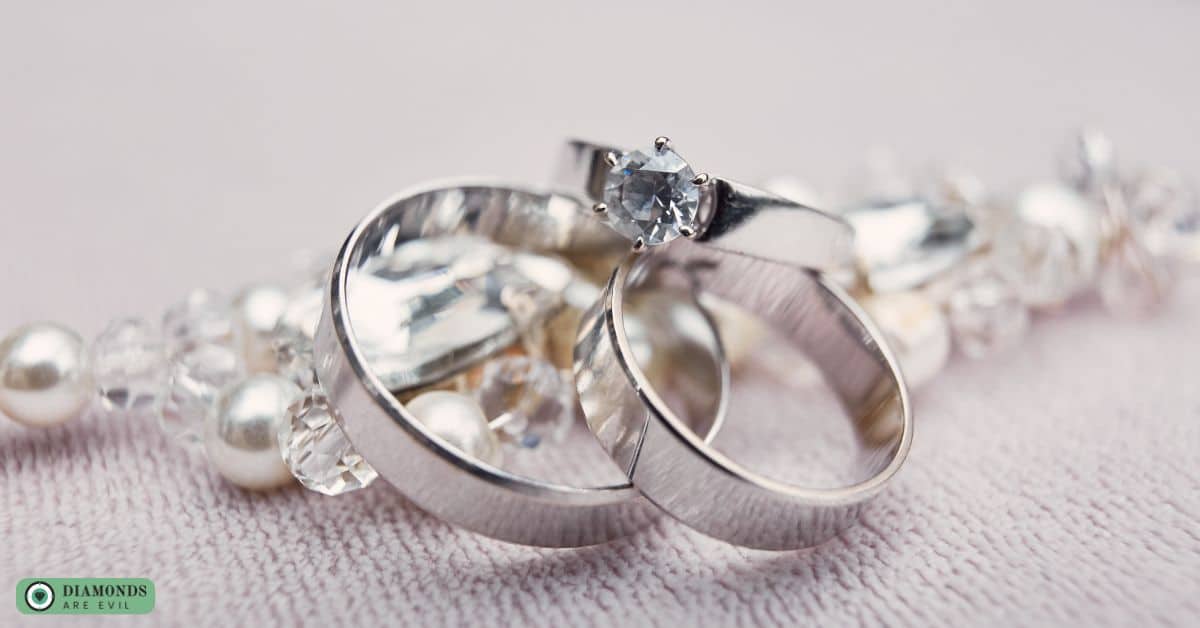
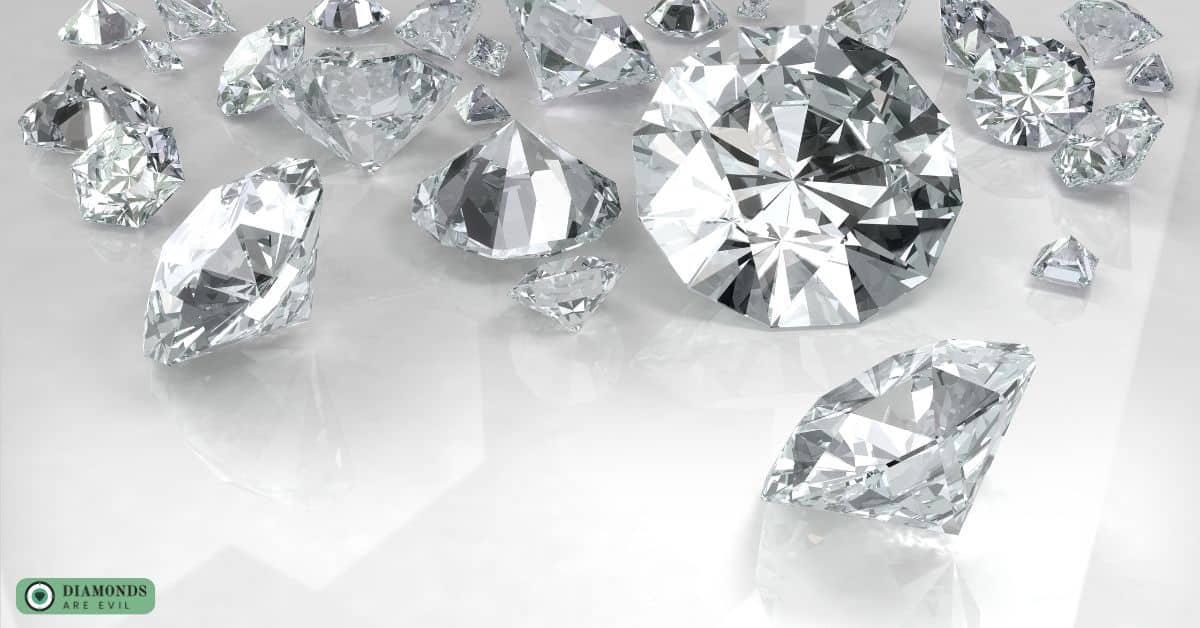
Diamonds are perhaps the most iconic gemstones for jewelry. With their dazzling sparkle and resilient durability, diamonds have been used to symbolize both love and wealth. To understand why diamonds have become such a sought-after luxury item. It is important to look at their physical and chemical properties.
The extreme hardness and durability of diamonds is the result of their chemical composition. As a form of crystallized carbon, diamonds are made up of pure carbon atoms that have been tightly compressed together.
It’s an incredibly strong three-dimensional lattice structure. This makes them extremely difficult to scratch and chip. This means that they can keep their sparkle for many years, with proper care.
How to identify a real diamond based on its characteristics
Diamonds are one of the most sought-after gems in the world. Their unique beauty and durability makes them a popular choice for jewelry. However, not all diamonds are created equal. It’s important to be able to identify a real diamond from a fake one. Here are three key characteristics to look for when trying to identify a real diamond:
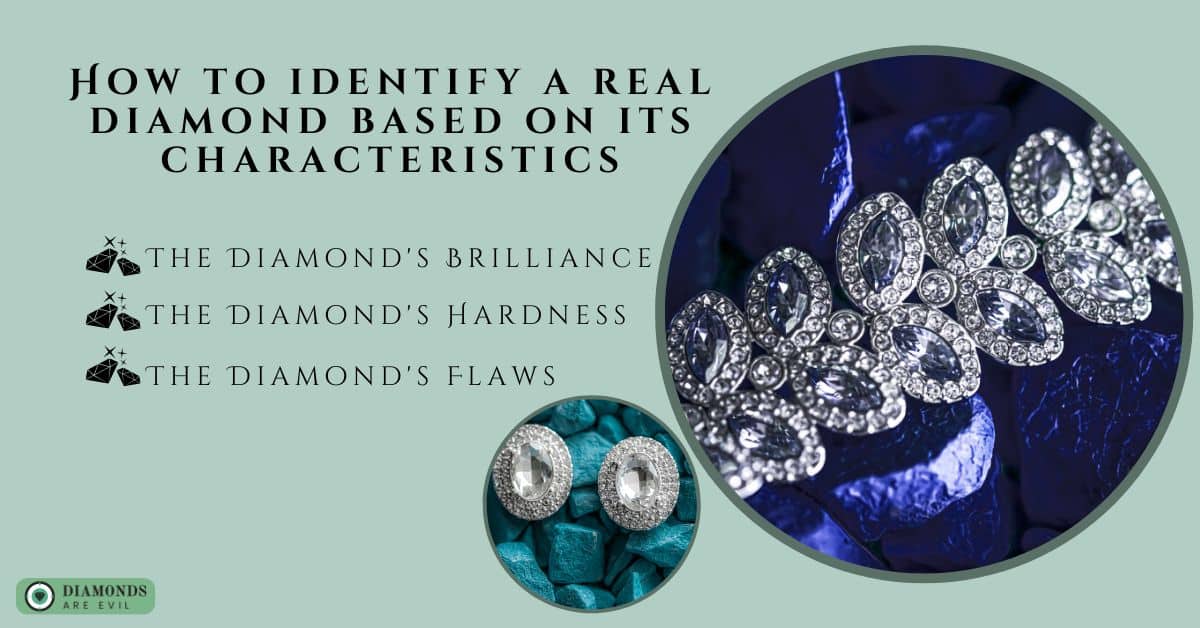
The Diamond’s Brilliance: One of the most distinctive characteristics of a real diamond is its brilliant sparkle. A real diamond will reflect light in a way that no other stone can. It’s almost magical quality that is instantly recognizable.
The Diamond’s Hardness: Diamonds are the hardest substance on earth. This durability is another key characteristic to look for when identifying a real diamond. A genuine diamond should be able to scratch glass. A fake diamond made of materials like cubic zirconia or moissanite will not.
The Diamond’s Flaws: Real diamonds often have flaws or inclusions that can help you identify them. These unique markings are created during the diamond’s formation. They are an essential part of its character. A fake diamond will usually be free of any such markings. This can be a red flag that it is not genuine.
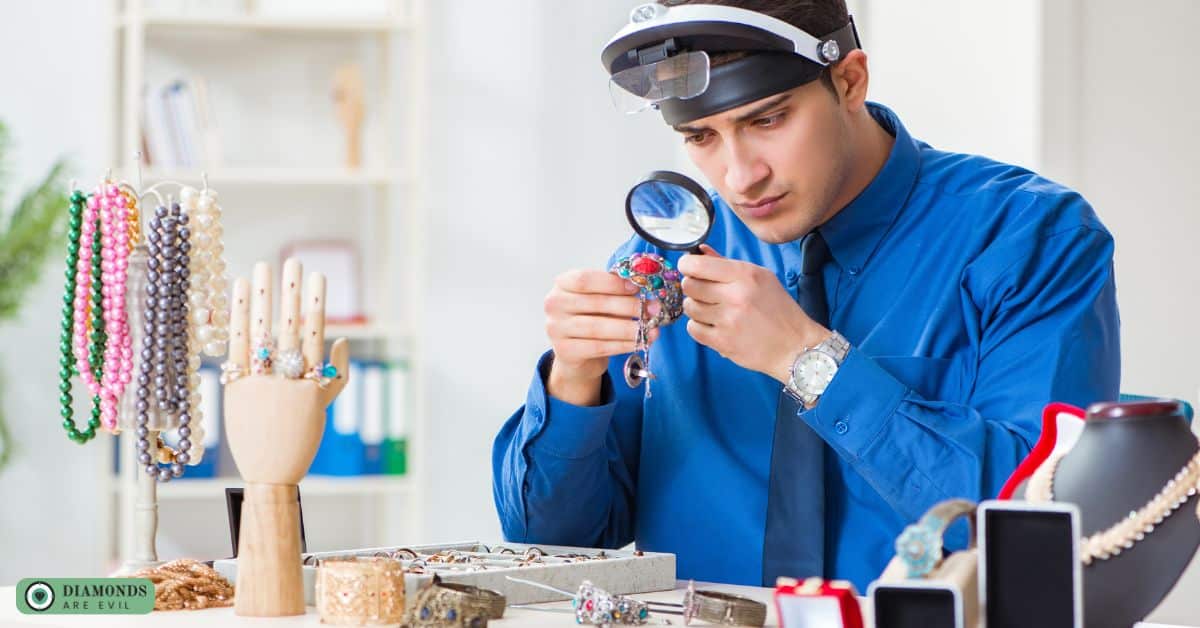
Use of tools like a loupe or magnifying glass
To examine a diamond and its characteristics more closely, it is recommended to use a loupe or magnifying glass. This allows you to inspect the diamond’s brilliance and hardness more carefully. Look for any inclusions or flaws that may indicate it is real. These tools can also help you identify any details such as the cut, color and clarity of the diamond.
When looking for a genuine diamond, it is important to use all available resources. This is to ensure that you are getting the real thing. Being aware of these key characteristics and using tools like a loupe or magnifying glass can make sure that your diamond is authentic.
Characteristics of Fake Diamonds
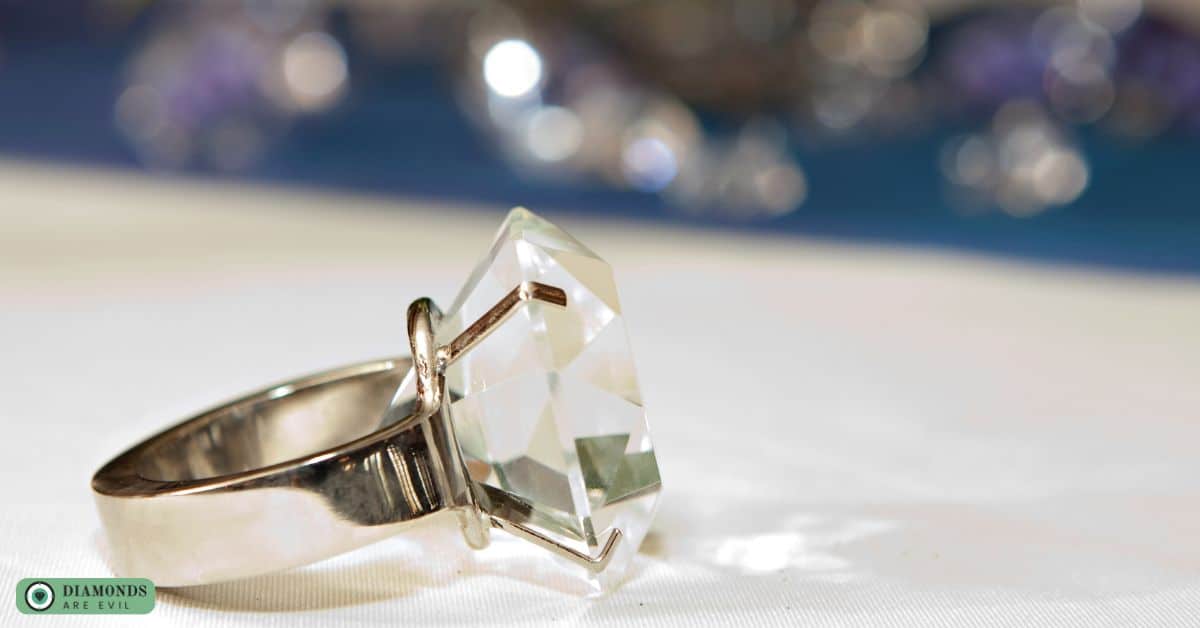
Fake diamonds are designed to look like real diamonds. They do not possess the same physical and chemical properties. Fake diamonds can be made of glass, plastic, quartz or even synthetic diamond materials.
This includes cubic zirconia and moissanite. These fake stones may be cheaper than the real thing. They are not able to replicate the unique brilliance and enduring quality of a genuine diamond.
Due to their man-made materials, fake diamonds tend to be softer than their real counterparts. This means that they can scratch or chip more easily. Fake diamonds also usually have fewer inclusions and flaws when compared to authentic diamonds. This makes it easier to spot if you know what to look for.
Different types of fake diamonds and how they are made
While real diamonds are formed over millions of years deep within the earth, fake diamonds are often created in a laboratory. These synthetic diamonds are made to mimic the look and feel of real diamonds. They are not made from the same materials. Here are some different types of fake diamonds and how they are made:
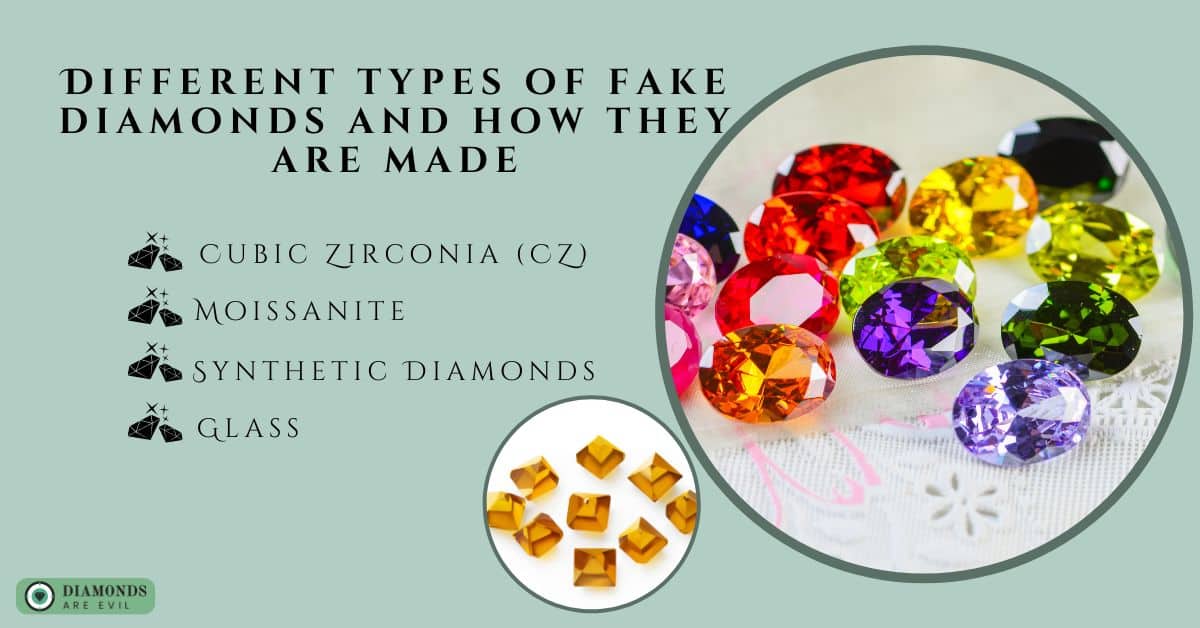
Cubic Zirconia (CZ): Cubic zirconia is one of the most popular diamond simulants on the market. It is made from a synthetic material called zirconium oxide, which is then cut and polished to mimic the look of a real diamond. CZ is much cheaper than real diamonds, making it a popular choice for jewelry that is designed to be affordable.
Moissanite: Moissanite is another synthetic diamond simulant that is made from a rare mineral called silicon carbide. It is similar in appearance to a real diamond but has slightly different optical properties, making it easier to identify with the right tools.
Synthetic Diamonds: Unlike CZ or moissanite, synthetic diamonds are made from the same materials as real diamonds. However, they are created in a laboratory rather than being formed naturally. These synthetic diamonds can be very difficult to identify without specialized equipment, as they have the same physical and chemical properties as real diamonds.
Glass: Glass is sometimes used as a diamond simulant, as it can be cut and polished to mimic the look of a diamond. However, glass is much softer than a real diamond and will scratch easily, making it a poor choice for jewelry that is meant to last.
How to identify a fake diamond based on its characteristics
Fake diamonds are created to mimic the look of a genuine diamond, but they do not possess the same physical and chemical properties. As such, it is important to be able to identify a fake diamond from a real one. Here are some key characteristics to look for when trying to identify a fake diamond:
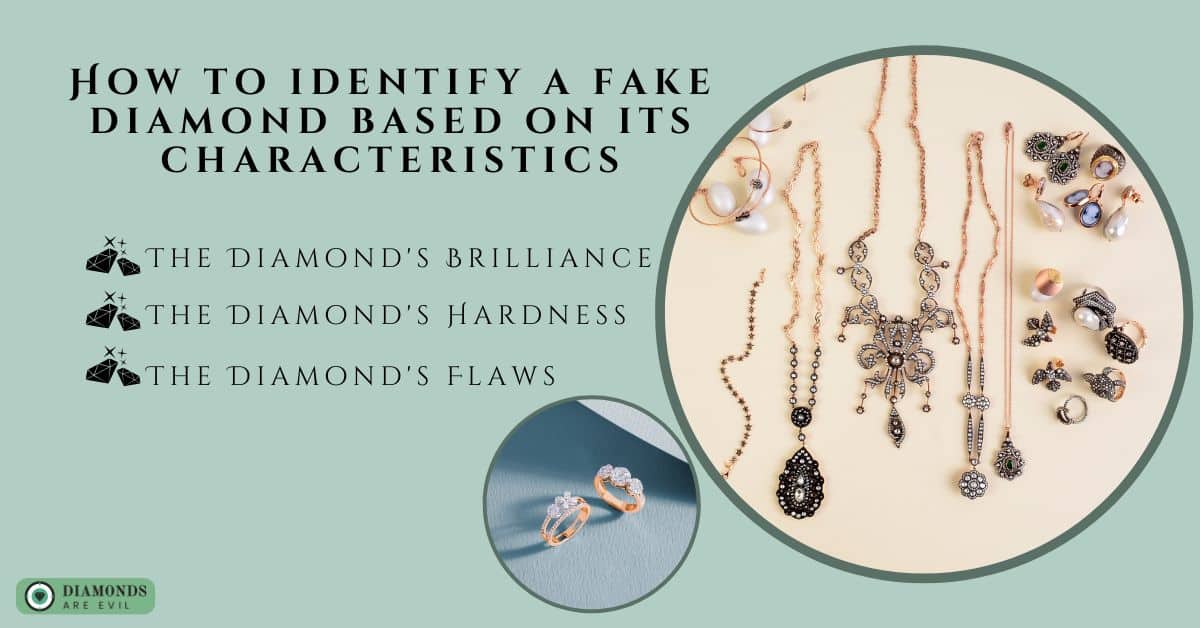
The Diamond’s Brilliance: A fake diamond will not have the same dazzling sparkle as a real diamond, so it is important to look closely at the stone’s luster. A real diamond will reflect light in a unique and unmistakable way, while a fake diamond may appear dull or lifeless.
The Diamond’s Hardness: As diamonds are the hardest substance on earth, they are able to scratch glass. A fake diamond made of softer materials such as CZ or moissanite will not be able to do this, so it is important to test its hardness before making a purchase.
The Diamond’s Flaws: Genuine diamonds often have flaws or inclusions that can help you identify them, but fake diamonds will usually be free of any such markings. If there are no inclusions or flaws visible, this can be a red flag that the diamond is not genuine.
Protecting Yourself from Fake Jewelry
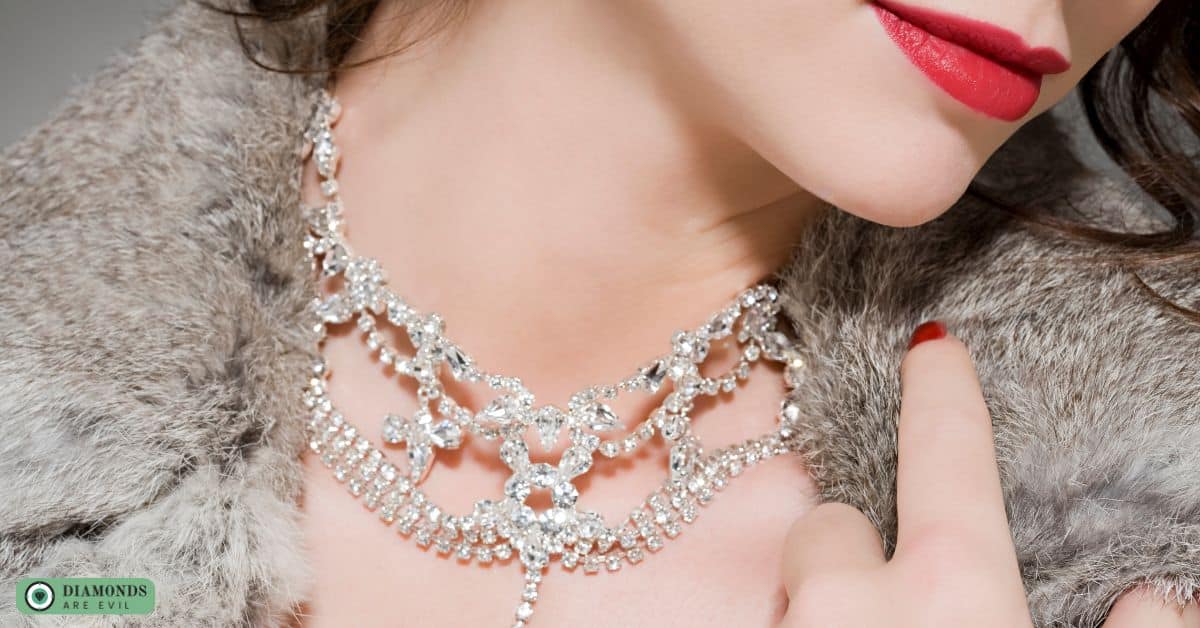
Fake jewelry can be tempting due to its low cost, but it is important to remember that these imitations do not possess the same physical and chemical properties as genuine pieces. Fake jewelry may look good initially, but it won’t last nearly as long as a real piece of jewelry and could even contain harmful materials such as lead or nickel.
Therefore, it is important to protect yourself from fake jewelry by being aware of the key characteristics of genuine pieces and using tools such as a loupe or magnifying glass when examining jewelry.
Tips on how to avoid purchasing fake jewelry
Buying jewelry can be a significant investment, and it’s important to make sure that you are getting what you pay for. Unfortunately, there are many fake jewelry items on the market, and it can be challenging to differentiate between real and fake pieces. Here are three tips to help you avoid purchasing fake jewelry:
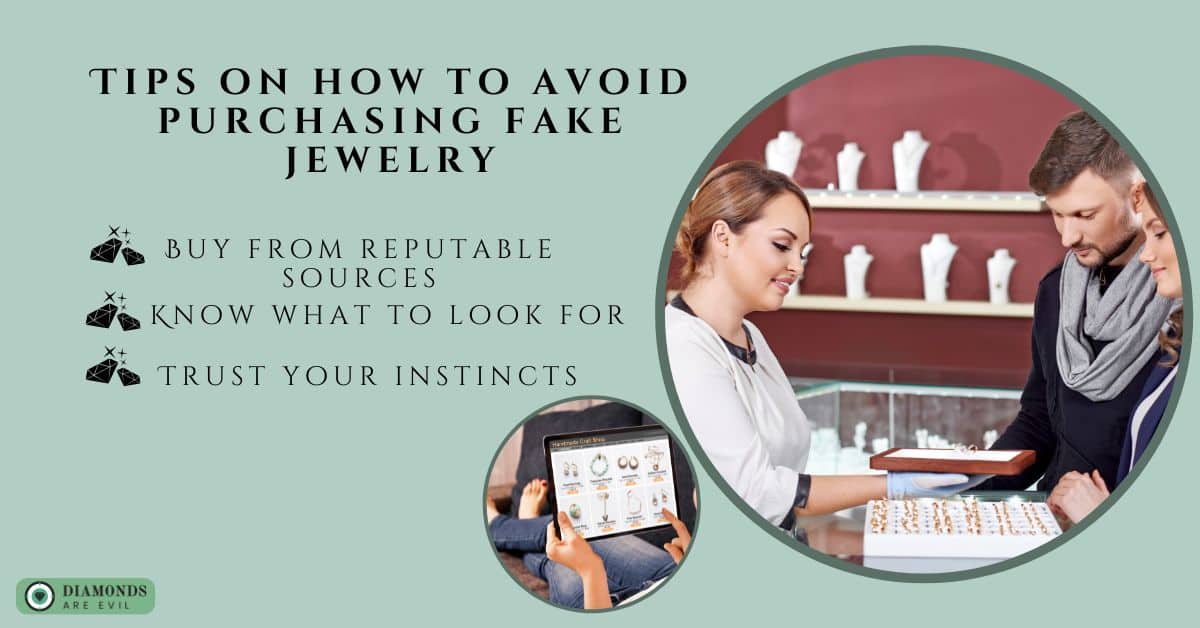
- Buy from reputable sources: One of the best ways to ensure that you are purchasing real jewelry is to buy from reputable sources. Look for established jewelry stores or online retailers that have good reviews and a solid reputation in the industry. If you are purchasing second-hand jewelry, make sure to research the seller and ask for certification or proof of authenticity.
- Know what to look for: Familiarize yourself with the characteristics of real jewelry, such as the properties of diamonds, gold, and other precious metals. Learn how to spot fake jewelry, such as cubic zirconia or plated metal, by looking for telltale signs like scratches, discoloration, or fading. If you are uncertain about a piece of jewelry, don’t be afraid to ask for a professional appraisal.
- Trust your instincts: If a piece of jewelry seems too good to be true, it probably is. Be wary of deals that seem too good to be true or salespeople who pressure you into making a purchase. Take your time and shop around to find a piece of jewelry that you love and that you can feel confident is genuine.
What to look for when buying jewelry
Buying jewelry can be a daunting task, with so many different options available on the market. To ensure that you get the real thing, it is important to look for certain characteristics when buying jewelry.
These include examining the brilliance and hardness of the diamond, looking for inclusions or flaws in genuine diamonds, and using tools such as a loupe or magnifying glass to examine the jewelry in more detail.
In Conclusion
Diamonds are one of the most sought-after gems in the world, with their unique beauty and durability making them a popular choice for jewelry. However, not all diamonds are created equal, and it is important to be able to identify a real diamond from a fake one.
Knowing how to spot the key characteristics of genuine diamonds, as well as how to identify synthetic or imitation gems, is essential for protecting yourself from fake jewelry. By following these tips and using the right tools, you can make sure that your diamond is authentic and worth every penny.