
Ethical and Sustainable Options for Diamond Engagement
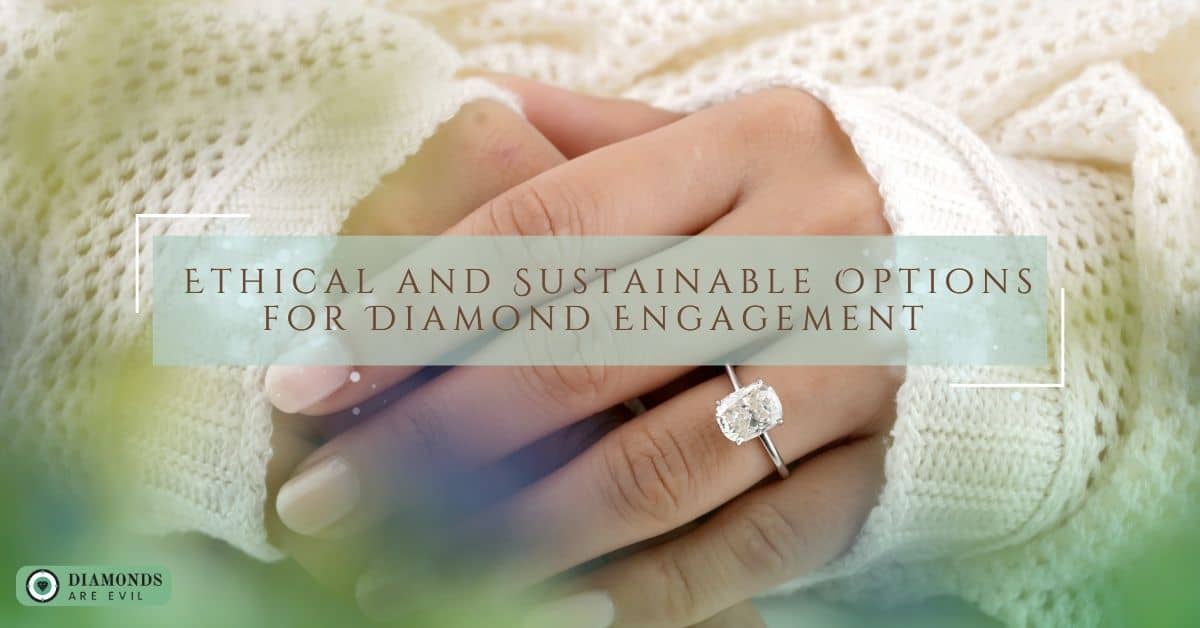
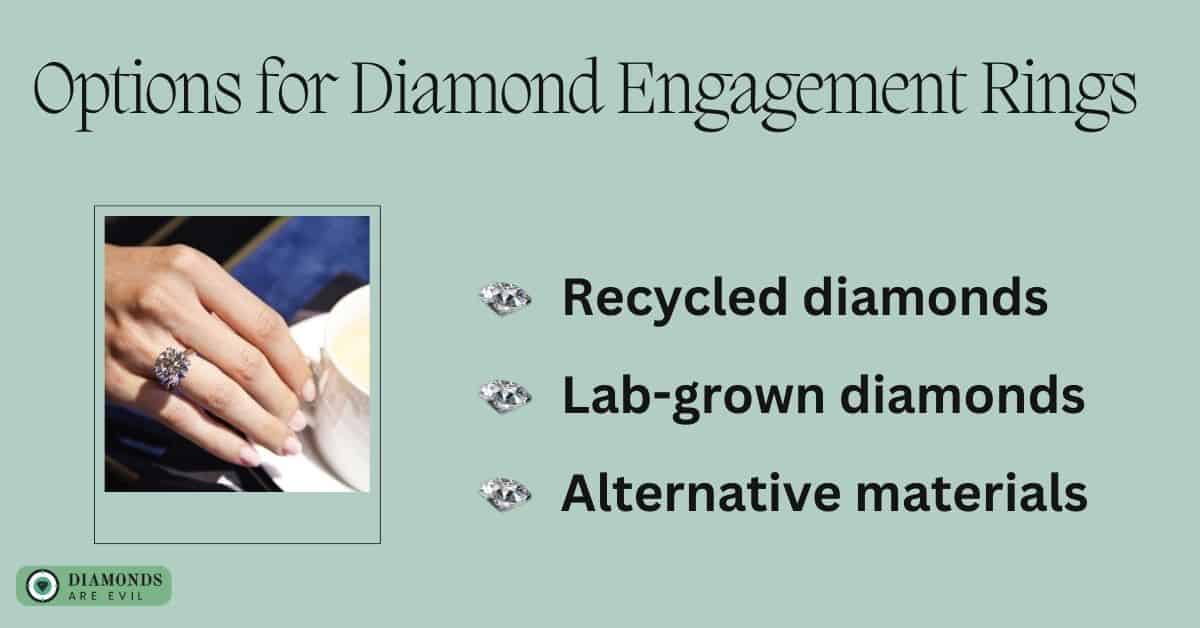
For those looking for an ethical and sustainable diamond engagement ring, there are several options available. Recycled diamonds are made from pre-owned diamonds that have been repolished and re-cut, while lab-grown diamonds are grown in a laboratory with the same physical properties as mined diamonds. Additionally, couples can choose from alternative materials such as moissanite or sapphire, which are eco-friendly and ethically sourced.
This article will provide an overview of the diamond industry, discuss ethical and sustainable options for diamond engagement rings and provide guidance on how to choose an ethical and sustainable diamond engagement ring.
What Are Diamond Engagement Rings
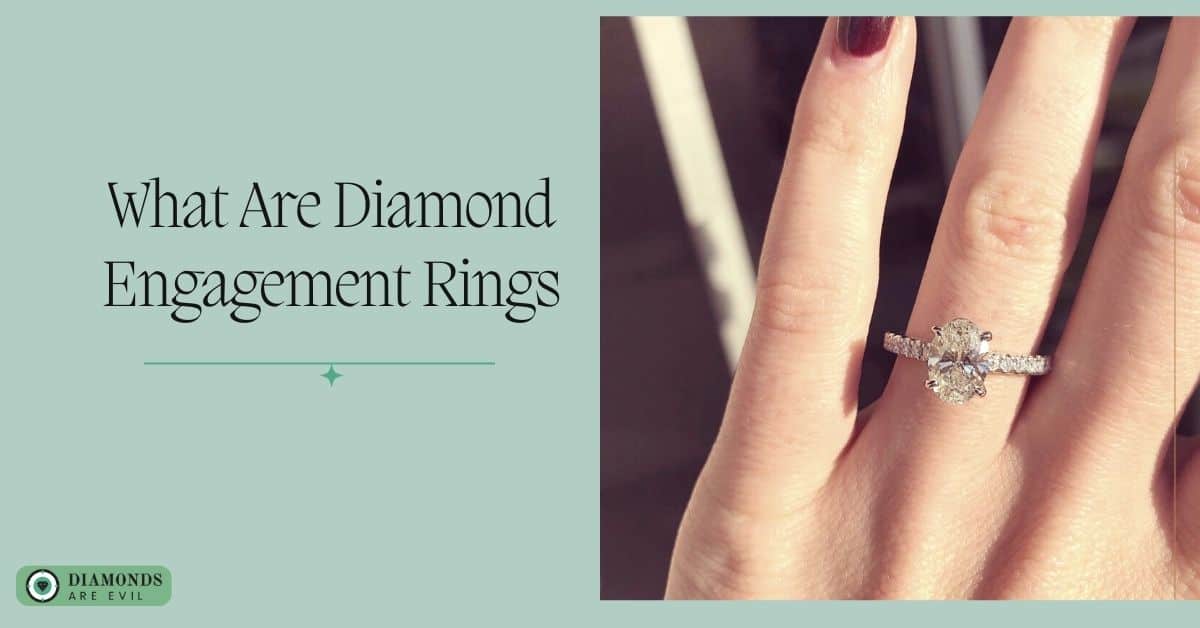
Diamond engagement rings are a traditional symbol of love and commitment between partners. They typically feature a diamond as the centerpiece, surrounded by metal bands such as gold or platinum. Diamonds are chosen for their durability and timeless beauty, but it’s important to consider the ethical and sustainable origins of the diamond.
The tradition of giving diamond engagement rings dates back to the 1930s and has since become a widely accepted norm in many cultures. It’s a significant purchase that represents the love and commitment of a lifetime, making it a memorable and sentimental piece of jewelry.
Importance of Ethical and Sustainable Options
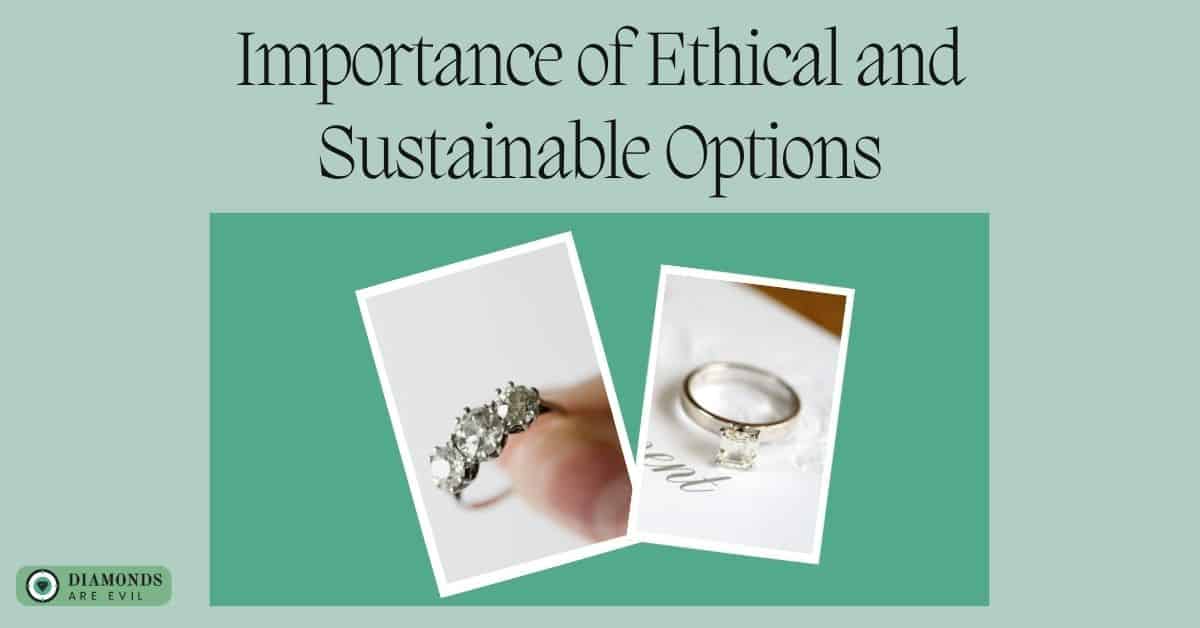
The importance of ethical and sustainable options in all consumer goods, including diamond engagement rings, cannot be overstated. Today, consumers are more conscious of the impact their purchases have on the environment and on communities around the world. The diamond industry, unfortunately, has a history of human rights violations, environmental degradation, and conflict diamonds.
By choosing ethical and sustainable options, consumers can ensure that their purchases are made with consideration for the well-being of people and the planet. This includes using recycled diamonds, lab-grown diamonds, or alternative materials.
The Diamond Industry
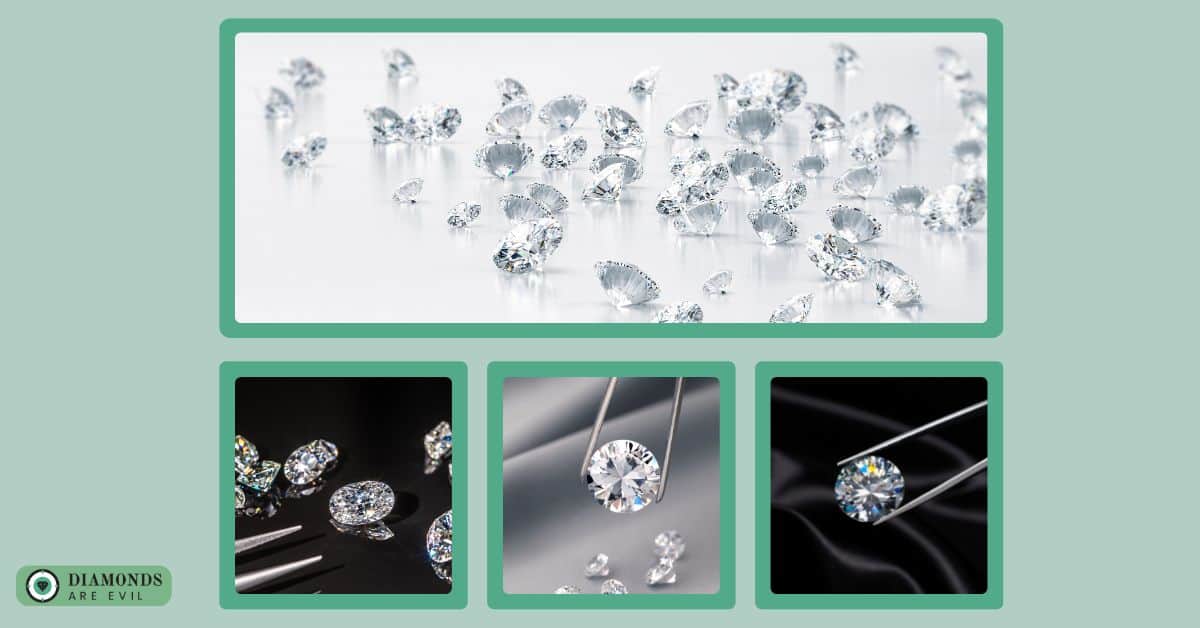
The diamond industry is a complex and global network that involves many stages of the diamond pipeline, from mining to sales. Diamonds are one of the most precious and valuable minerals in the world, making them a highly sought-after commodity. However, the diamond industry is plagued with several major issues that have a significant impact on both people and the environment.
Issues With the Diamond Industry
The diamond industry is not without its challenges, which include human rights violations, environmental degradation, and conflict diamonds.
Human rights violations: The diamond industry has a long history of human rights violations, including child labor, forced labor, and unsafe working conditions. This has led to widespread criticism and calls for greater accountability and transparency in the industry.
Environmental degradation: Diamond mining can have significant environmental consequences, including soil erosion, water pollution, and deforestation. The destruction of natural habitats can also harm local wildlife and disrupt ecosystems.
Conflict diamonds: Conflict diamonds, also known as blood diamonds, are diamonds that are mined in war zones and sold to finance armed conflict against governments. This trade has led to widespread human rights abuses and has fueled conflict in several African countries.
Options for Diamond Engagement Rings
As consumers become more conscious of the impact of their purchases on the environment and on communities around the world, ethical and sustainable options for diamond engagement rings are becoming increasingly important.
| Options | Definition | Benefits |
| Recycled diamonds
|
Diamonds are diamonds that have been previously mined and processed but are now being used in new jewelry. | Reduces environmental impact by eliminating the mining process |
| Lab-grown diamonds | Diamonds are created in a laboratory setting using advanced technology. | Lower environmental impact and reduced carbon footprint, often more affordable than mined diamonds, can be produced in a more ethical and sustainable manner. |
| Alternative materials
|
Materials are materials other than diamonds that can be used in engagement rings, such as moissanite, sapphire, and others. | Lower environmental impact and reduced carbon footprint, offer a unique and personal touch to the engagement ring, can be a more ethical and sustainable choice. |
Price Comparison of Ethical and Sustainable Options for Diamond Engagement Rings
| Options | Average Price Range |
| Recycled diamonds | $1,000 to $10,000 – (varies based on quality and size) |
| Lab-grown diamonds | $500 to $8,000 – (varies based on quality and size) |
| Alternative materials | $100 to $2,000 – (varies based on quality and size) |
How to Choose Ethical and Sustainable Diamond Engagement Rings
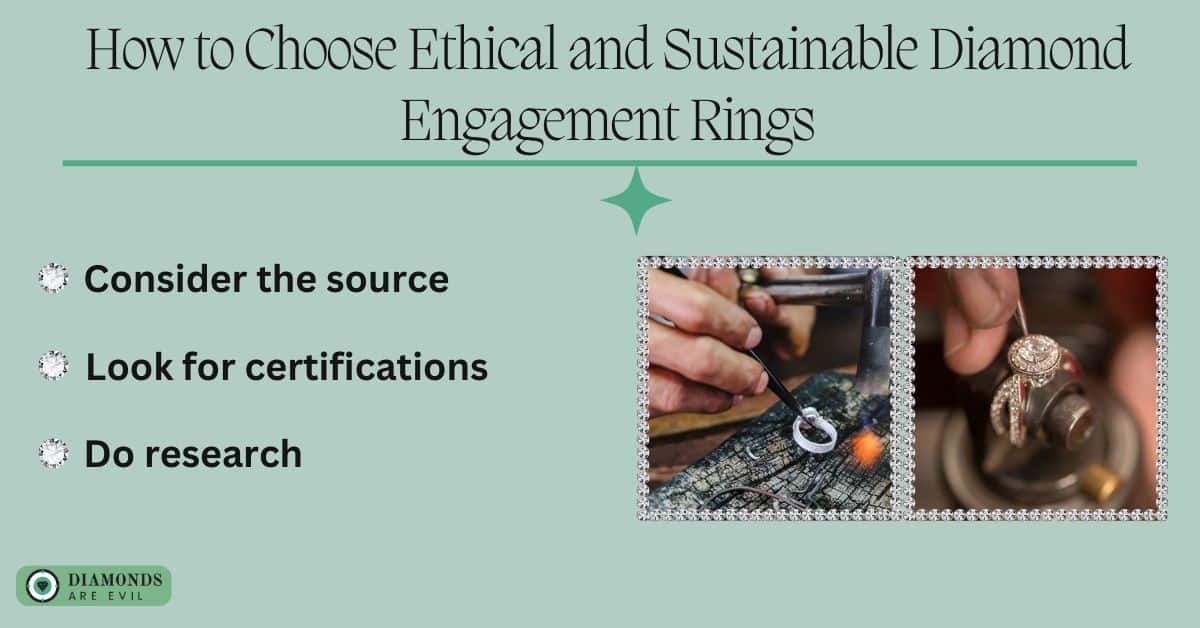
Here are some steps to help guide you in your search:
Consider the source: It’s important to know where your diamond comes from and how it was sourced. Look for companies that use recycled diamonds or lab-grown diamonds, and avoid companies that have a history of human rights violations or environmental degradation.
Look for certifications: Several organizations provide certifications for diamonds and diamond jewelry that meet certain ethical and sustainable standards.
Do research: Take the time to research the company you are considering buying from, and read reviews and customer feedback. Look for companies that are transparent about their sourcing practices and have a commitment to ethical and sustainable production.
In conclusion
choosing an ethical and sustainable diamond engagement ring is a significant decision that affects both people and the planet. Consumers should make sure to consider the source of their diamonds, look for certifications, and do research to ensure they’re making the best choice for themselves and the environment.
With the right resources and information, couples can find an engagement ring that symbolizes their love while also making an ethical and sustainable choice.