
Everything You Need to Know About Cushion Cut Diamonds
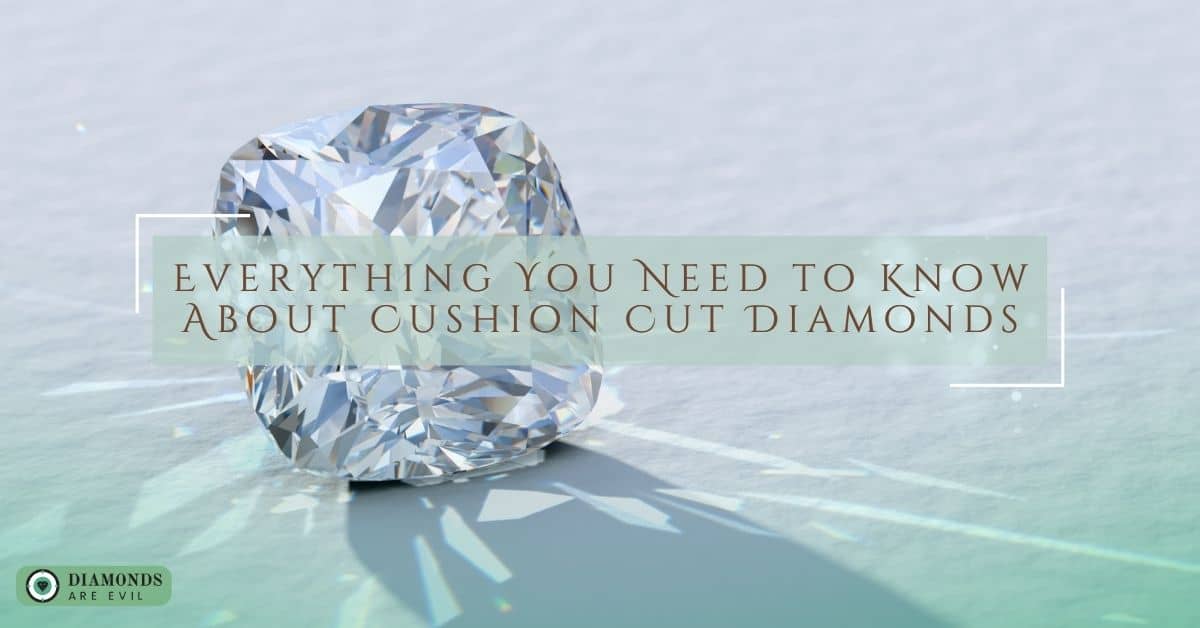
Cushion cut diamonds have a unique blend of modern style and classic romanticism, making them a popular choice for people looking to add an extra touch of elegance to their jewelry. With its shape inspired by the cushion shape, these diamonds have a soft, antique look that makes them stand out in any setting. Whether it’s a solitaire, halo, or three-stone ring, cushion cut diamonds are an ideal choice for those looking to add a timeless piece of jewelry to their collection.
This guide will provide you with all the information you need to know about cushion cut diamonds, from their history and characteristics to buying tips and caring advice. With this knowledge in hand, you can select the perfect cushion-cut diamond that is both beautiful and timeless.
What Is Cushion Cut Diamonds
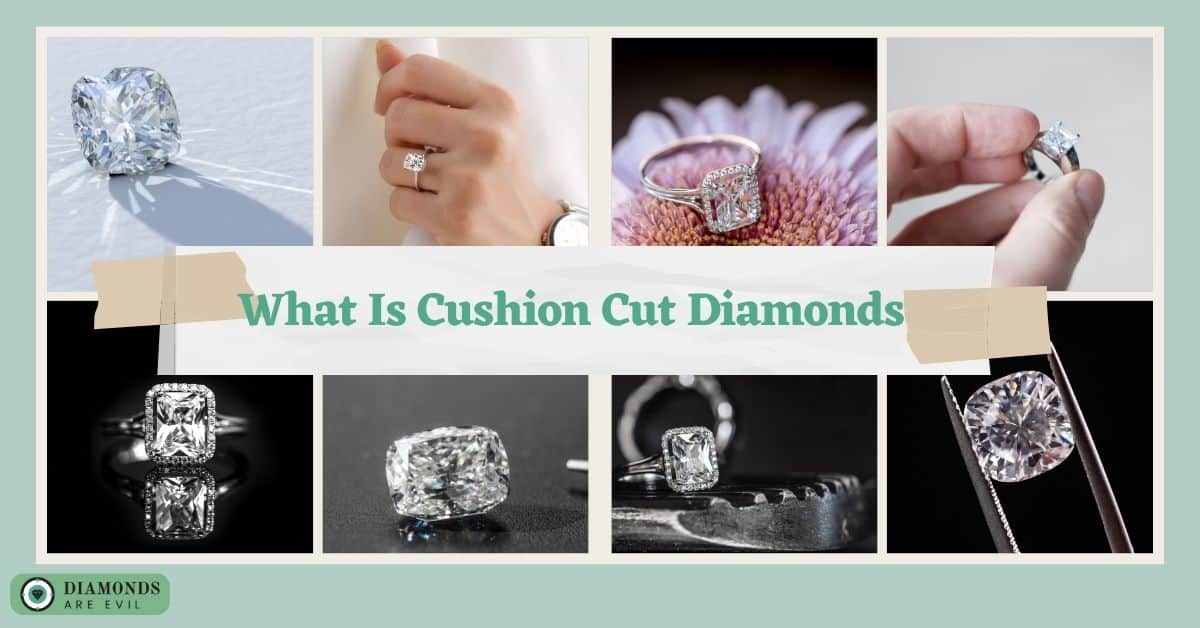
Cushion-cut diamonds, also known as “pillow cut” diamonds, are a type of diamond cut that combines elements of both round and square cuts. They are characterized by their rounded corners and large, open facets. The cushion cut diamond is known for its unique blend of vintage charm and modern elegance.
Cushion-cut diamonds are a classic and timeless choice for those looking for a unique and elegant diamond cut. Their vintage charm combined with modern elegance makes them a popular choice for engagement rings and other special occasions.
History of Cushion Cut Diamonds
The cushion cut diamond, also known as a “pillow cut” diamond, is a timeless and classic diamond cut that has a rich history dating back to the 19th century. The following is a brief overview of the history of cushion-cut diamonds.
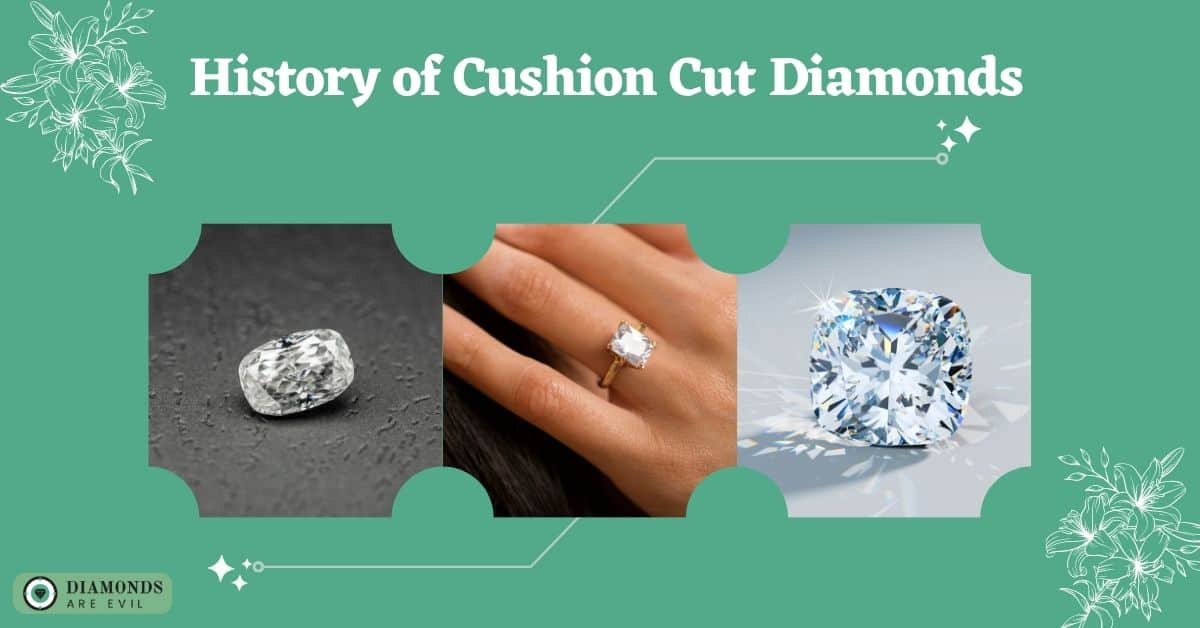
19th Century: The cushion-cut diamond was first developed in the late 18th or early 19th century, and quickly became one of the most popular diamond cuts of the time. The cushion-cut diamond was characterized by its rounded corners and larger facets, which gave the diamond a soft, pillow-like appearance and a warm, romantic glow.
Victorian Era: The cushion cut diamond became especially popular during the Victorian era, which lasted from 1837 to 1901. During this time, cushion-cut diamonds were often used in engagement rings and other types of jewelry and were prized for their elegant and romantic appearance.
20th Century: In the early 20th century, cushion-cut diamonds began to fall out of fashion as round brilliant-cut diamonds became more popular. However, the cushion cut diamond remained a popular choice for antique and vintage jewelry and continues to be sought after by collectors and lovers of vintage styles.
21st Century: In recent years, cushion cut diamonds have experienced a resurgence in popularity, and are now a popular choice for engagement rings and other types of jewelry. The cushion cut diamond is prized for its soft, romantic appearance and its timeless, classic style.
Characteristics of Cushion Cut Diamonds
Cushion cut diamonds are a type of diamond cut that has a unique blend of vintage charm and modern elegance. They are known for their rounded corners and large, open facets, which give them a distinct look that sets them apart from other diamond cuts. The following are some of the most notable characteristics of cushion-cut diamonds.
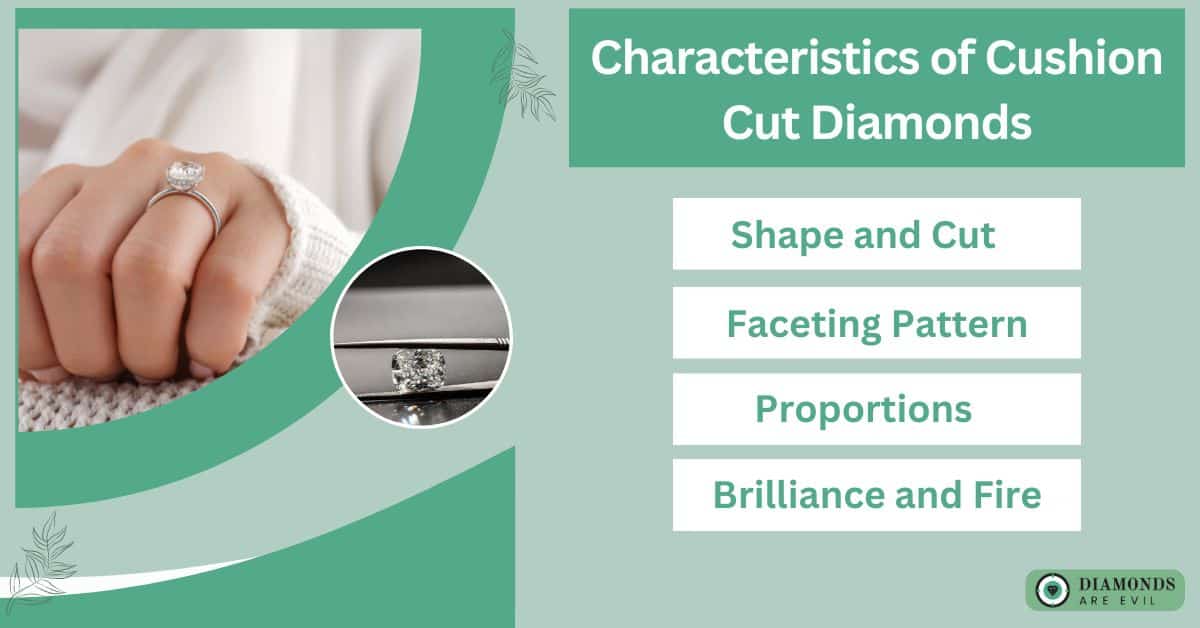
Shape and Cut: Cushion-cut diamonds are typically cut into a square or rectangular shape, with rounded corners that give the diamond a softer, more organic look. The cut of the diamond is designed to maximize its brilliance and fire, with large, open facets that allow light to enter the diamond and create a sparkle.
Faceting Pattern: The faceting pattern of a cushion-cut diamond is designed to enhance its brilliance and fire. The diamond has a larger table and smaller culet, which helps to create a balance of light and dark areas within the diamond. The diamond also has a higher crown and lower pavilion, which helps to increase the overall sparkle of the diamond.
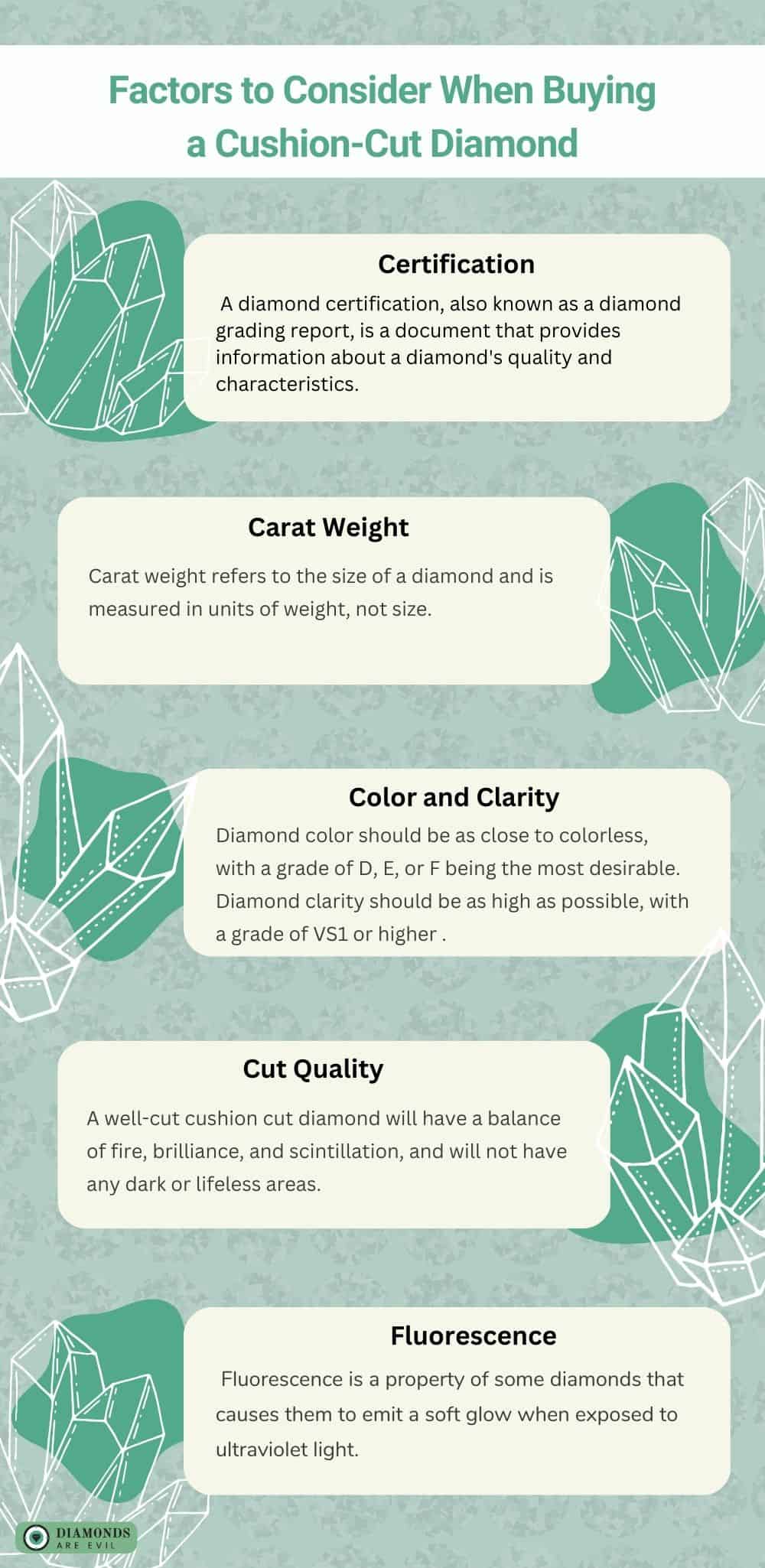
Proportions: The proportions of a cushion-cut diamond are important in determining its overall appearance and value. A well-cut cushion cut diamond will have a balance of fire, brilliance, and scintillation, and will not have any dark or lifeless areas. The depth and table percentage of the diamond should also be within the ideal range for a cushion-cut diamond.
Brilliance and Fire: Brilliance refers to the brightness of a diamond, and fire refers to the flashes of color that are seen when light enters the diamond and is dispersed into its various colors. Cushion cut diamonds are known for their high level of brilliance and fire, due to their large, open facets and carefully designed faceting pattern.
Factors to Consider When Buying a Cushion-Cut Diamond
When buying a cushion-cut diamond, it is important to consider a number of factors in order to ensure that you are getting a high-quality diamond that is both beautiful and valuable. The following are some of the key factors to consider when buying a cushion-cut diamond.
The following is a rough estimate of the price range for cushion cut diamonds based on their carat weight:
| Carat Weight | (approx.) Price Range |
| 0.5 | $1,000 – $5,000 |
| 1 | $5,000 – $20,000 |
| 1.5 | $10,000 – $30,000 |
| 2 | $20,000 – $60,000 |
| 3 | $50,000 – $150,000 |
| 4 | $100,000 – $300,000 |
It’s important to keep in mind that these are just rough estimates, and the actual price you pay for a cushion-cut diamond may be higher or lower depending on the specific characteristics of the diamond you choose. Additionally, the prices listed above are for diamonds of average quality and do not take into account factors such as the diamond’s cut, clarity, and color, which can greatly impact its value.
Caring for Cushion Cut Diamonds
Caring for a cushion cut diamond involves taking steps to protect the diamond from damage and to keep it looking its best over time. The following are some tips for caring for cushion cut diamonds:
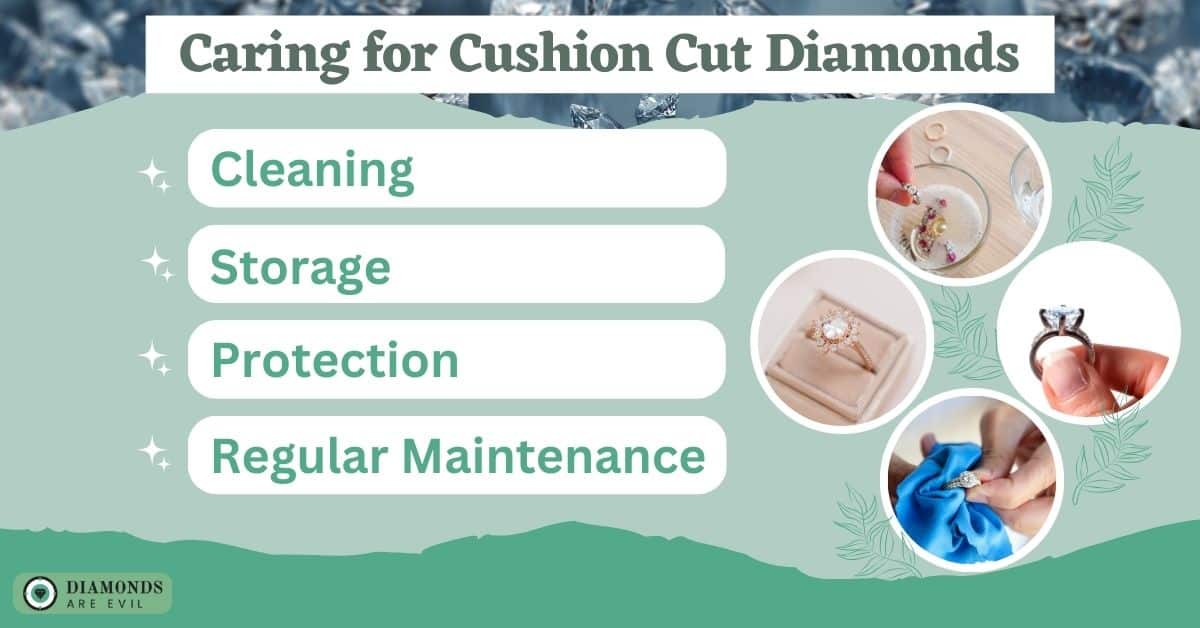
Cleaning: Cushion-cut diamonds should be cleaned regularly to remove dirt and oils that can dull their appearance. A simple way to clean a cushion-cut diamond is to mix warm water with a mild dish soap and use a soft brush to gently scrub the diamond. Alternatively, you can bring your cushion cut diamond to a professional jeweler for cleaning.
Storage: When not being worn, cushion-cut diamonds should be stored in a safe place, such as a jewelry box or a safe deposit box. This will protect the diamond from scratches, chips, and other types of damage that can occur during everyday wear and tear.
Protection: Cushion-cut diamonds are delicate and can be easily damaged if they are exposed to rough surfaces or harsh chemicals. To protect your cushion cut diamond, avoid exposing it to chlorine, bleach, and other harsh chemicals, and be careful when wearing it around hard surfaces or during physical activities.
Regular Maintenance: Regular maintenance, such as having your cushion cut diamond checked and cleaned by a professional jeweler, can help to keep it looking its best over time. This may include having the diamond inspected for loose prongs or other types of damage, as well as having it cleaned and polished to restore its shine and sparkle.
In conclusion
Cushion cut diamonds are a timeless and classic choice for those looking to add an extra touch of elegance and sophistication to their jewelry collection. With its unique shape and beautiful faceting pattern, the cushion cut diamond is known for its vintage charm and modern style.
When buying a cushion-cut diamond, it is important to consider factors such as certification, carat weight, color and clarity, cut quality, and fluorescence. Caring for a cushion-cut diamond involves taking steps to protect it from damage and keeping it looking its best over time through regular cleaning and maintenance. With the right care, your cushion-cut diamond will remain a beautiful and timeless piece of jewelry for years to come.