
Expert Advice: How to Determine if Your Jewelry Is a Real Diamond
Identifying whether your jewelry contains a genuine diamond can be challenging, given the presence of synthetic stones and imitations. However, understanding the characteristics of real diamonds, testing methods, and knowledge of common diamond imposters can aid in identifying the authenticity. Seeking professional appraisals and diamond grading reports can also provide valuable insights.
A diamond is a timeless symbol of beauty and luxury, but how can you tell if your diamond jewelry is the real deal? Knowing what to look for and understanding the process of identifying genuine diamonds is key to ensuring that you get the most value out of your investment. Whether you’re shopping for a new piece of jewelry or considering selling your beloved diamond jewelry.
In this blog post, we’ll discuss how to spot a genuine diamond and provide expert advice on when and how to seek professional appraisals. Read on for all the information you need to know about identifying real diamonds!
A Guide to Identifying Real Diamonds
Diamonds are some of the most coveted and valuable stones in the world, and it’s no wonder why. They can be brilliantly sparkly, and their durability makes them ideal for long-lasting jewelry pieces.
However, with so many diamonds on the market, it can be hard to distinguish a real diamond from a fake one. Luckily, there are a few things you can look for to identify a real diamond.
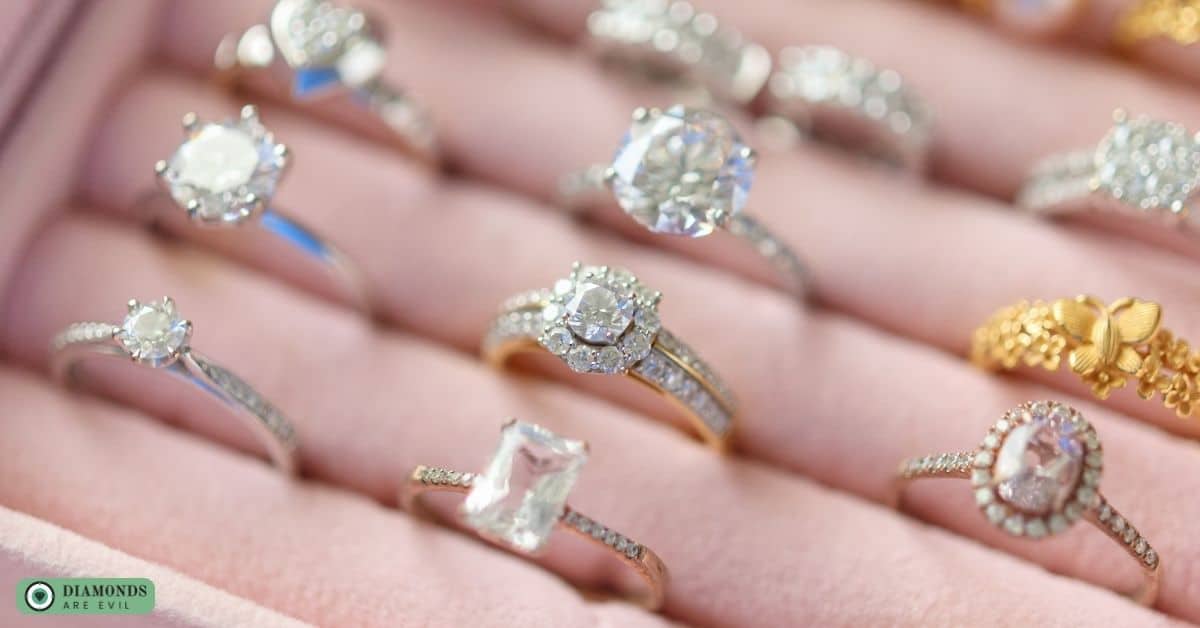
For example, a genuine diamond will have a high level of refraction, meaning it reflects light in a way that causes a rainbow of colors to appear.
Additionally, a real diamond will be very hard and cannot be scratched easily by other objects. Learning to identify a real diamond can be a useful skill for anyone in the market for jewelry or gemstones.
How to Test Your Diamond Jewelry for Authenticity
Diamonds are one of the most valuable and sought-after gems in the world, but unfortunately, not all diamonds are created equal. With the rise of synthetic diamonds and lab-grown stones, it’s important to know how to test your diamond jewelry for authenticity.
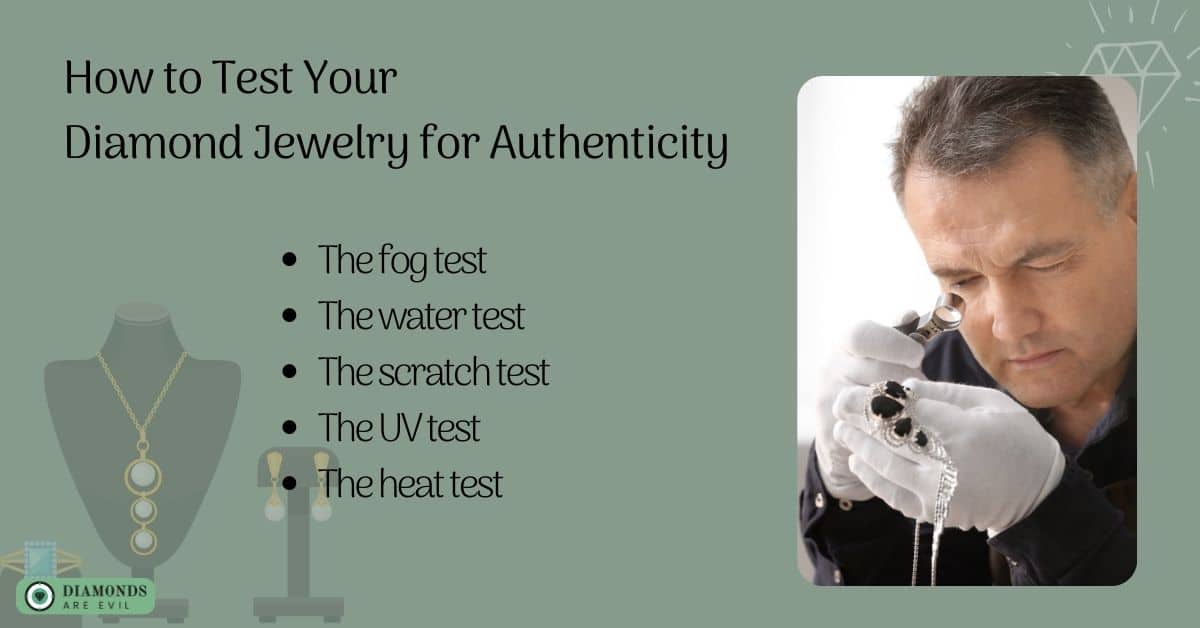
The fog test
Breathe onto the diamond and observe how quickly the fog disappears. Real diamonds disperse heat quickly and the fog should disappear almost immediately. If it lingers for a few seconds, it may be a fake.
The water test
Fill a glass with water and drop the diamond into it. Real diamonds will sink to the bottom, while most fakes will float to the top or remain suspended in the middle.
The scratch test
Use a piece of glass to scratch the diamond gently. If the diamond scratches the glass, it is likely real. If the glass scratches the diamond, it is likely a fake.
The UV test
Shine a black light on the diamond. Many diamonds fluoresce under UV light, while most fakes do not.
The heat test
Hold the diamond under a lighter or in a flame for about 30 seconds, then drop it into cold water. Real diamonds are incredibly heat-resistant and should not be affected. If the diamond cracks or shatters, it may be a fake.
It’s important to note that some of these tests can damage your diamond or may not be conclusive, so it’s best to seek professional appraisals if you’re uncertain about the authenticity of your diamond jewelry.
How to Spot Fake Diamonds
Diamonds are precious and sought-after gems that are often counterfeited. The advancement of technology allows fake diamonds to be manufactured with increasing accuracy. Making it more difficult to differentiate between the real and the fake. However, a few tricks might help you spot fake diamonds.
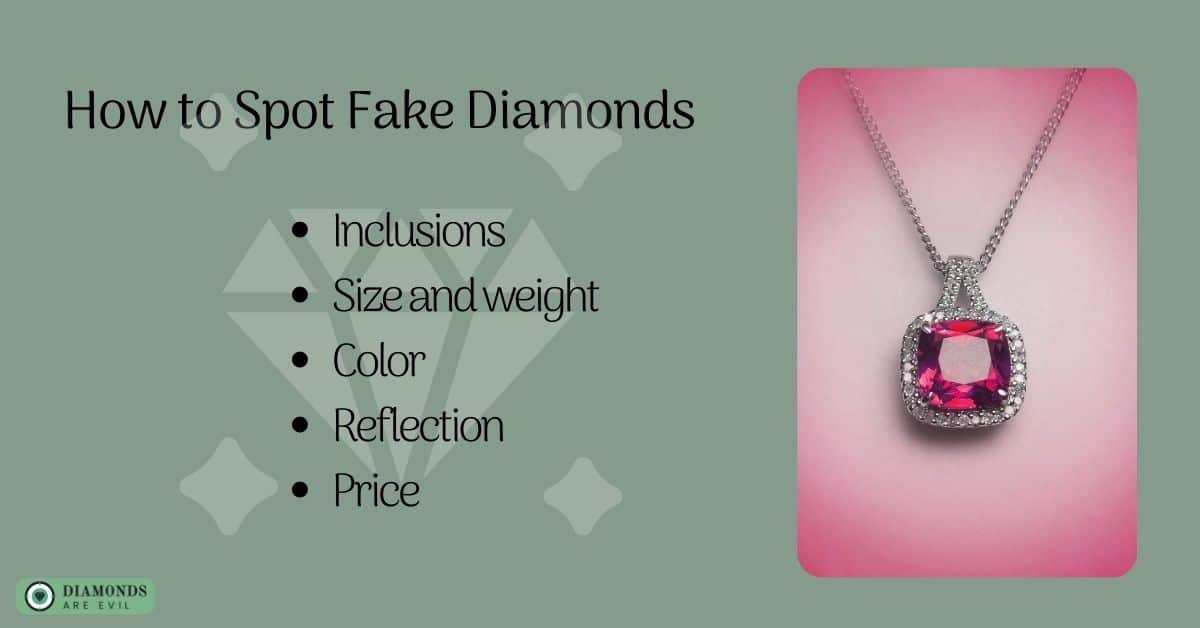
Inclusions
Real diamonds have natural inclusions or flaws, while most fake diamonds are flawless. If the diamond is too perfect, it may be a fake.
Size and weight
Synthetic stones are often larger and heavier than real diamonds of the same carat weight.
Color
Real diamonds have a range of colors, but most fakes are colorless or have a slight yellow tint.
Reflection
Real diamonds reflect light differently than fake diamonds. If the diamond appears to have a rainbow of colors or looks too sparkly, it may be a fake.
Price
If the price seems too good to be true, it probably is. Real diamonds are expensive and should be priced accordingly.
Why It’s Important and How to Interpret Diamond Grading Reports
Diamond grading reports are vital for anyone who wants to make an informed purchase of a diamond. With the wide variety of diamond types and qualities available in the market, a grading report can give you an accurate representation of the diamond’s value and characteristics.
The report has a standardized grading system that covers the most essential aspects of the diamond, such as the carat weight, color grade, clarity grade, and cut grade. It details the diamond’s unique features and helps distinguish it from other stones.
To interpret these reports, it is crucial to develop a basic understanding of the diamond grading system. You can find several resources online that can help you learn about the grading system and identify the vital elements to consider before making a purchase.
Ultimately, your diamond grading report is your assurance that you are purchasing a high-quality diamond that meets your needs and preferences.
When and How to Seek Expert Advice on Your Diamond Jewelry
Buying diamond jewelry can be a daunting task, especially when you’re in need of expert advice. It’s essential to know when and how to seek help to ensure that you get the most out of your investment. Seeking guidance from a reputable jeweler or diamond expert can benefit you in many ways.
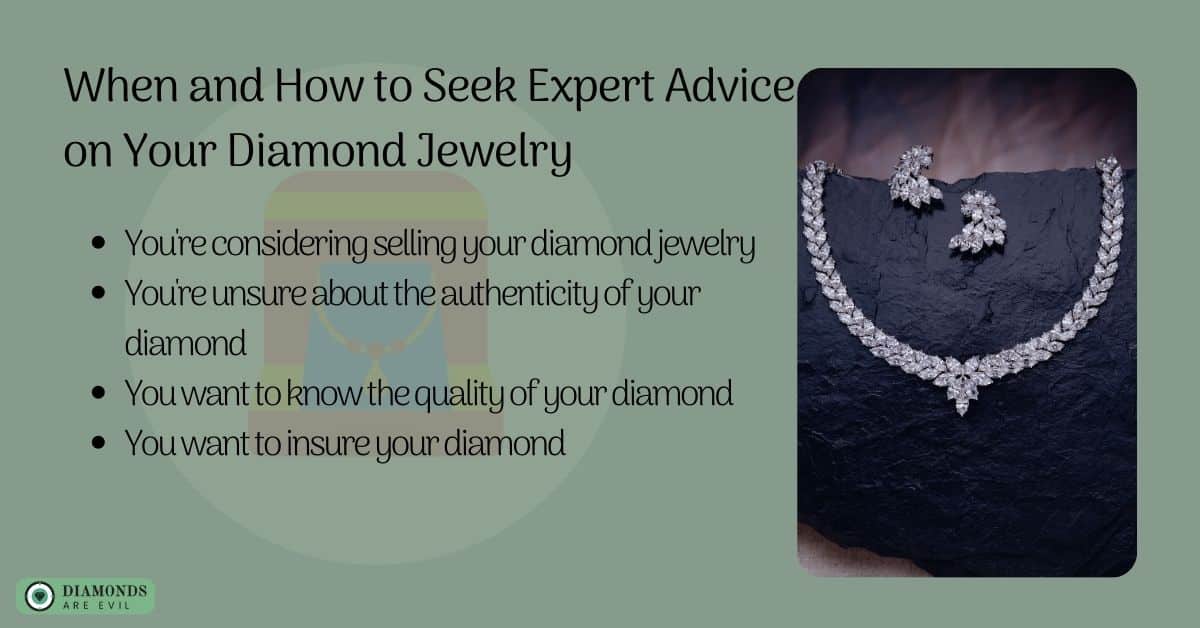
Here are some scenarios where you may want to consider seeking expert advice:
You’re considering selling your diamond jewelry
If you’re planning to sell your diamond jewelry, having it professionally appraised can help you determine its true value and set an appropriate selling price.
You’re unsure about the authenticity of your diamond
If you’re uncertain whether your diamond is real or fake, a gemologist can examine it and provide an expert opinion.
You want to know the quality of your diamond
A certified gemologist can grade your diamond based on the 4Cs (color, clarity, cut, and carat weight) and provide a detailed report on its quality.
You want to insure your diamond
To insure your diamond jewelry properly, you’ll need to know its value. An appraiser can provide a professional appraisal report that includes an estimated value for your insurance company.
When seeking expert advice, it’s important to choose a reputable and certified professional. Look for a gemologist or appraiser with certifications from reputable organizations such as the Gemological Institute of America (GIA) or the American Gem Society (AGS).
Be prepared to pay a fee for their services, as their expertise and time are valuable. With expert advice, you can make informed decisions about your diamond jewelry and ensure that you’re getting the most value out of your investment.
In conclusion
Diamonds are some of the most beautiful and valuable stones in the world. However, it can be difficult to tell a real diamond from a fake one without expert advice. Fortunately, there are several tests that you can use to identify a real diamond.
Additionally, seeking expert advice from a certified gemologist or appraiser is invaluable when it comes to purchasing, selling, or insuring diamond jewelry. With the right knowledge and resources, you can make an informed decision that brings you closer to owning a genuine diamond.