
From Rough to Refined: The Process of Crafting Diamond Jewelry
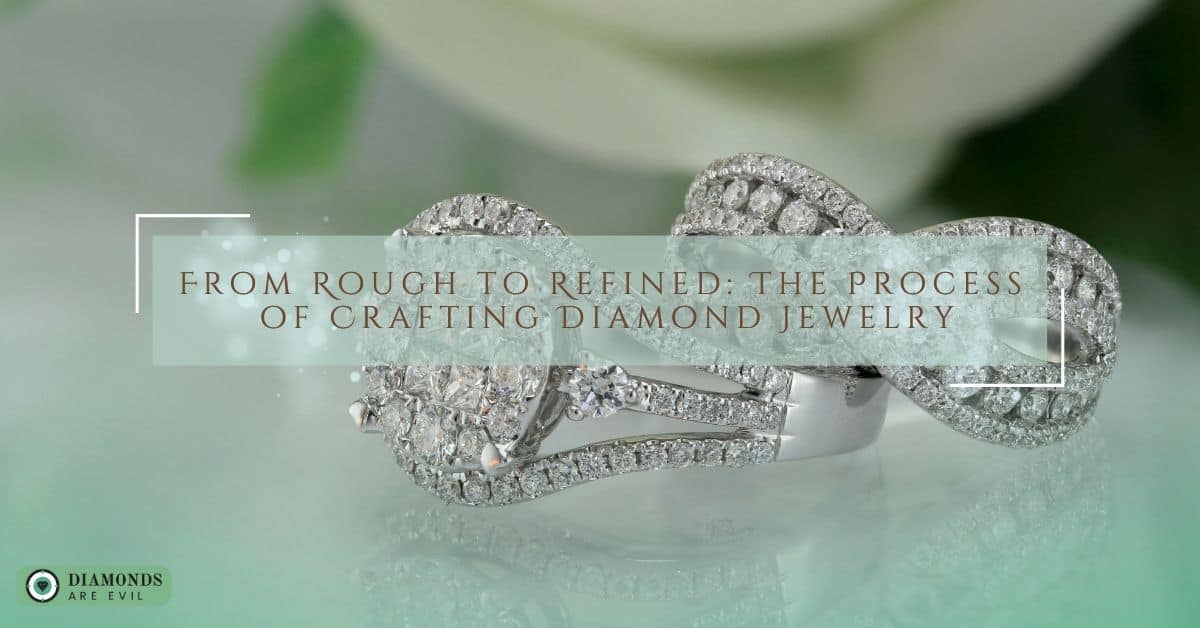
A diamond is an exquisite and timeless gemstone that speaks to the beauty of life. From its extraction from deep within the earth to its transformation into a piece of fine jewelry, each diamond has gone through a precise and often lengthy process of curation.
Crafting diamond jewelry involves sourcing rough diamonds from mines, sorting and grading them based on quality, designing the piece, casting the metal, setting the diamonds, polishing, and finishing, and ensuring quality control before packaging and presentation.
In this blog post, we will explore the steps necessary for crafting beautiful diamond jewelry so you can better understand the incredible journey of crafting a diamond into a piece of stunning jewelry.
Sourcing the Diamonds: From Mines to Dealers
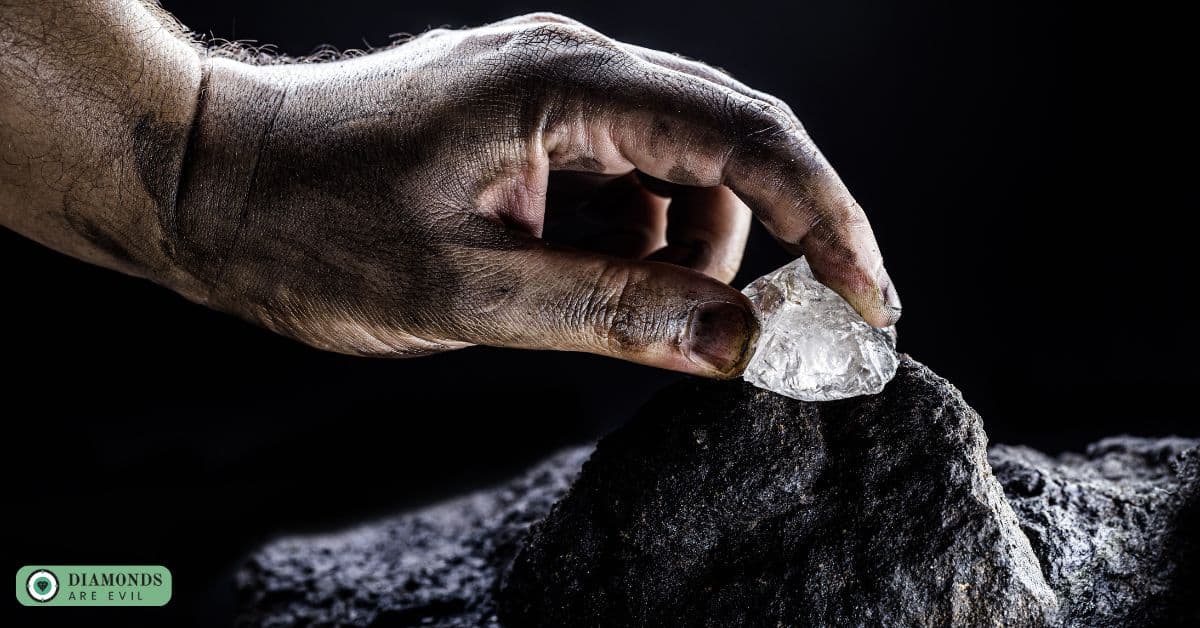
Sourcing diamonds is the first step in crafting diamond jewelry. The journey begins in the mines where diamonds are extracted from the earth.
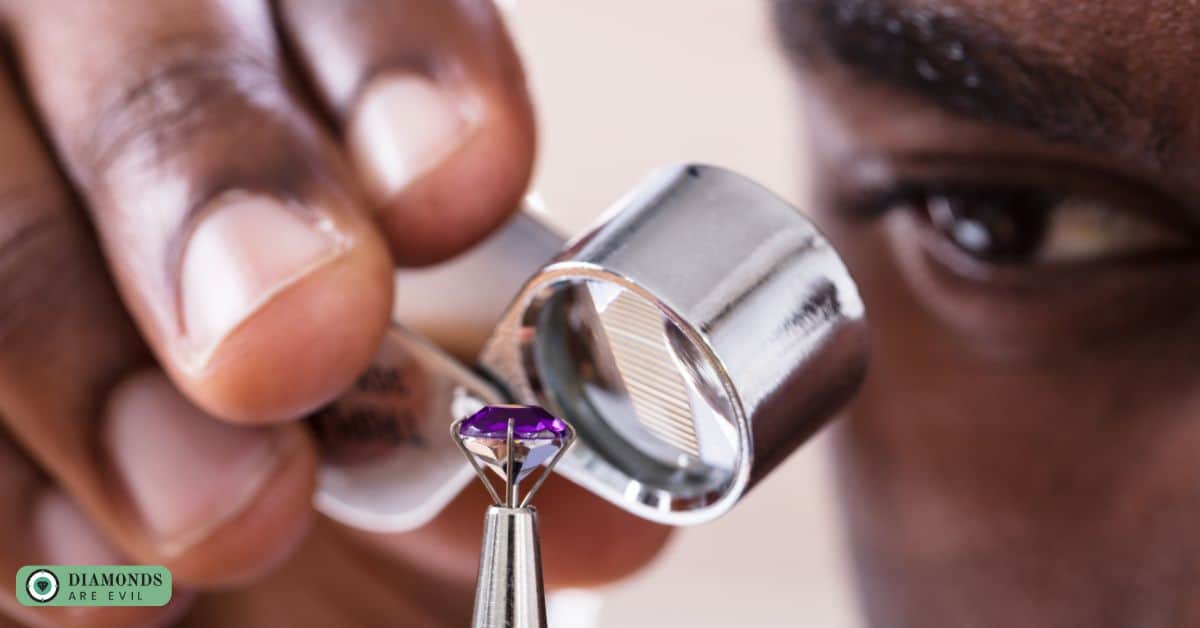
These rough diamonds are then sent to dealers who sort and grade them based on their quality. The dealers use various tools and techniques to evaluate the diamonds, such as magnifying lenses, electronic scales, and color grading systems.
Sorting and Grading the Diamonds: Evaluating Quality
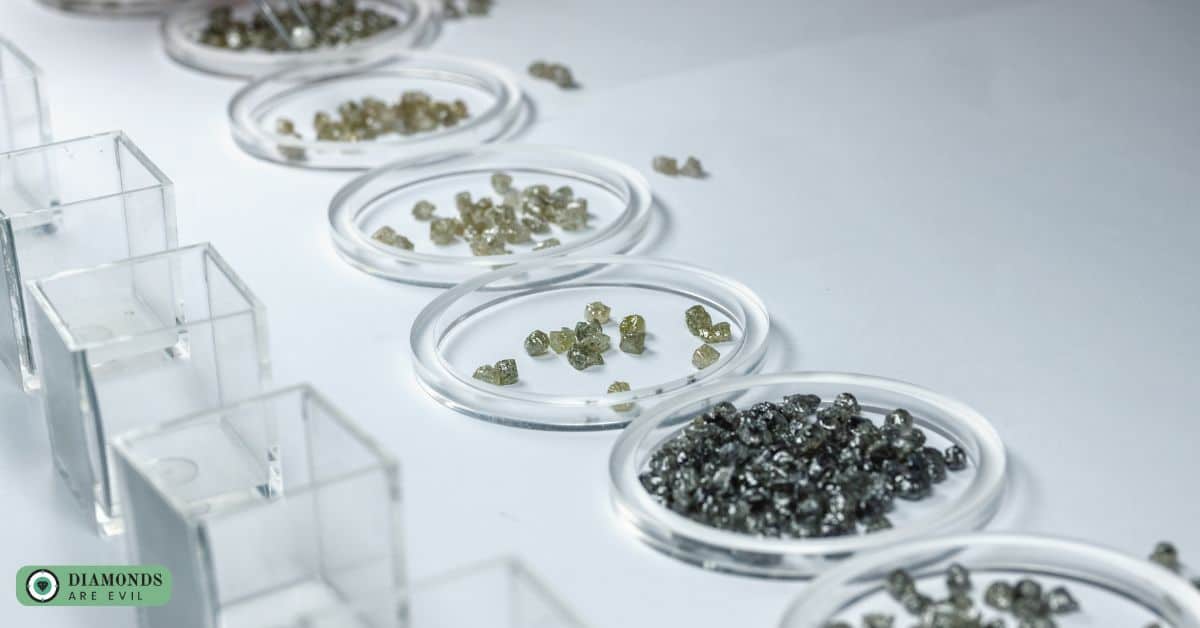
Sorting and grading diamonds is a crucial step in the diamond jewelry crafting process. It involves evaluating the quality of rough diamonds to determine their value and suitability for use in jewelry.
They use a range of criteria to evaluate the diamonds, including color, clarity, carat weight, and cut. The sorting and grading process is an essential step in the crafting of diamond jewelry as it helps to guarantee that the final product is of the highest possible quality.
Designing the Jewelry: From Sketches to 3D Models
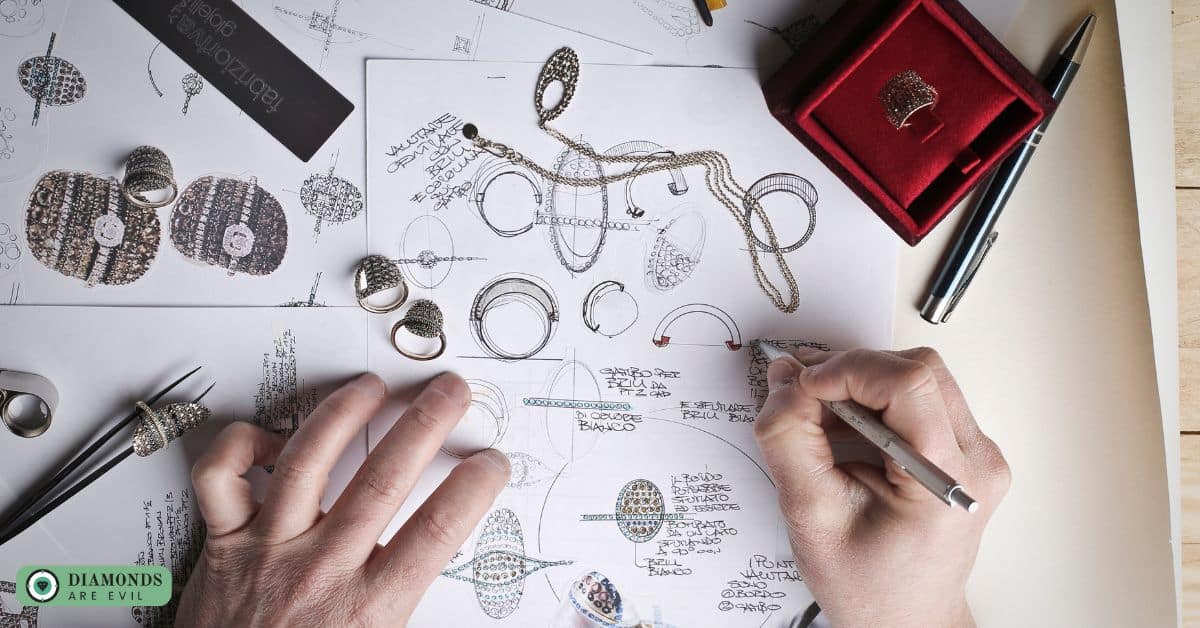
Designing diamond jewelry is a creative process that starts with an idea and develops into a beautiful piece of wearable art. It involves a series of steps, starting with sketching out a rough design concept and refining it until it becomes a detailed plan. With the help of computer-aided design (CAD) software, designers can transform their sketches into 3D models, which provide a realistic view of the piece from all angles.
This allows designers to experiment with different design elements and make changes to the piece before it is brought to life. The process of designing diamond jewelry requires a combination of creativity, technical skill, and attention to detail.
Creating a Prototype: The First Step in Bringing a Design to Life
Creating a prototype is a crucial step in the diamond jewelry crafting process, as it allows designers to bring their ideas to life and make adjustments to the design before creating the final product. The process of creating a prototype involves taking the 3D model and using it to create a physical model of the piece.
The prototype allows designers to see and feel the piece in real life, allowing them to make any necessary changes to the design. Creating a prototype is an essential step in ensuring that the final piece of jewelry is exactly as envisioned, making it a critical step in the diamond jewelry crafting process.
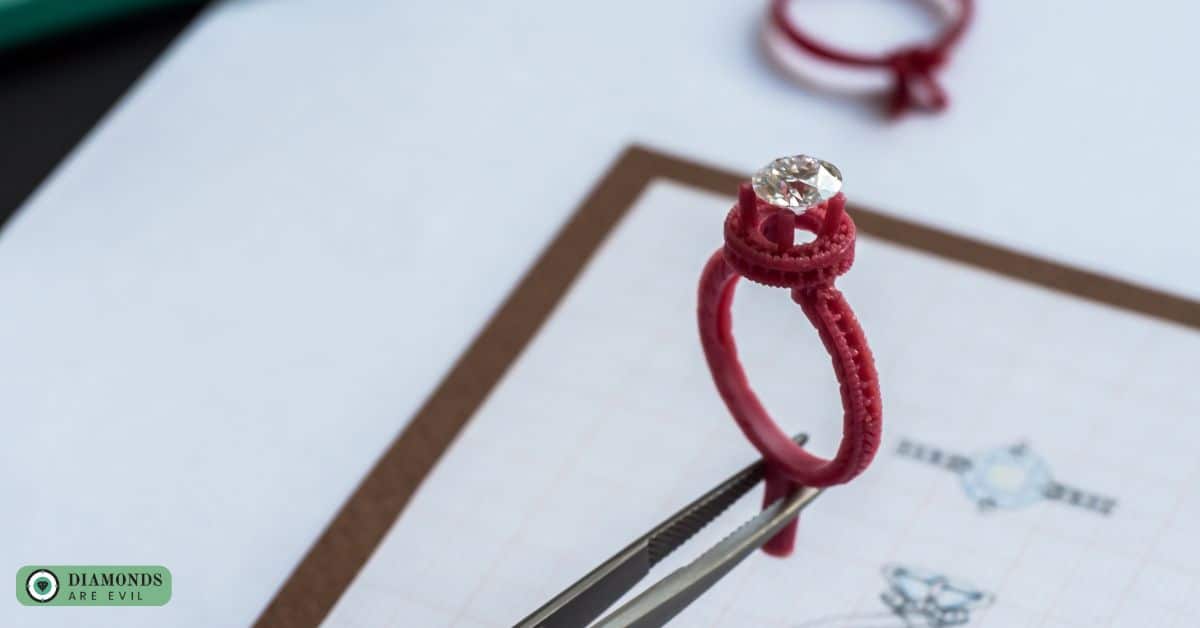
Casting the Metal: Creating the Foundation of the Piece
Casting the metal is a crucial step in the diamond jewelry crafting process, as it involves creating the foundation for the piece. Once the prototype is approved, the design is used to create a mold, which is then filled with molten metal to create the piece. The metal used in jewelry making can vary, but some of the most common metals include gold, silver, platinum, and white gold.
The metal is melted down and poured into the mold, where it is allowed to cool and solidify. Once the metal has solidified, it is removed from the mold and any excess metal is removed, leaving only the rough shape of the piece. The process of casting the metal is an essential step in the jewelry-making process, as it provides the foundation upon which the rest of the piece will be built.
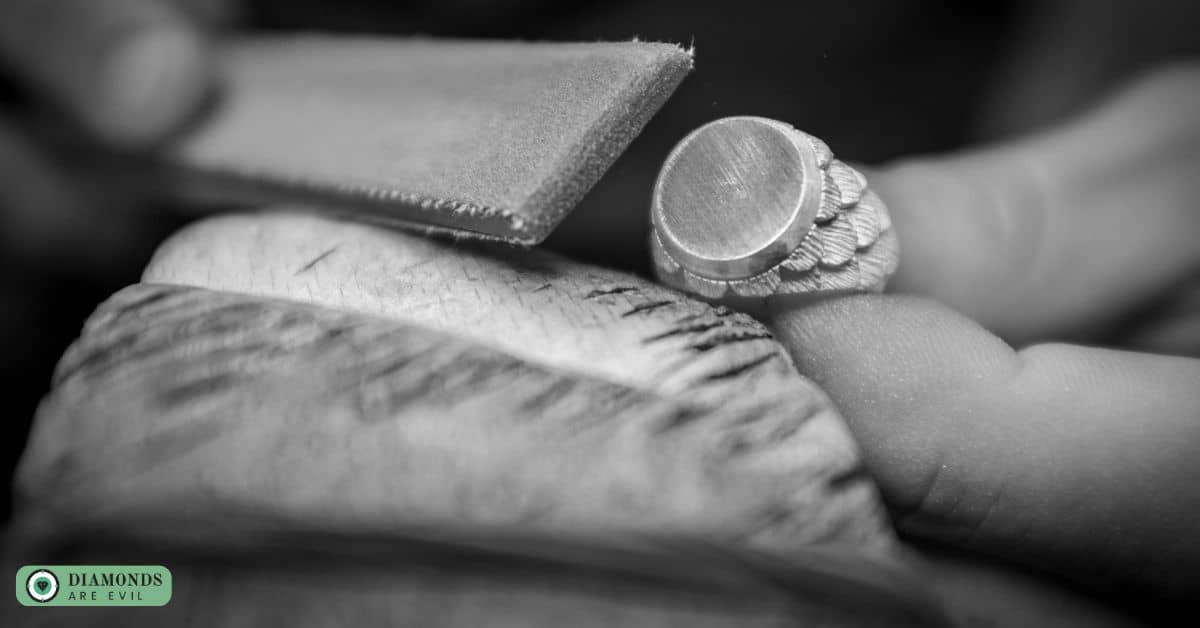
Diamond Setting: Placing and Securing the Precious Stones
Diamond setting is a critical step in the diamond jewelry crafting process, as it involves placing and securing precious stones into the metal foundation. This process requires precision and skill, as the stones must be set securely while also being displayed in a way that enhances their beauty.
The choice of setting technique depends on the design of the piece and the shape and size of the diamonds. Once the diamonds are set, any excess metal is removed, and the piece is polished to a high shine. Diamond setting is an essential step in the diamond jewelry crafting process, as it is what brings the piece to life and showcases the beauty of the diamonds.
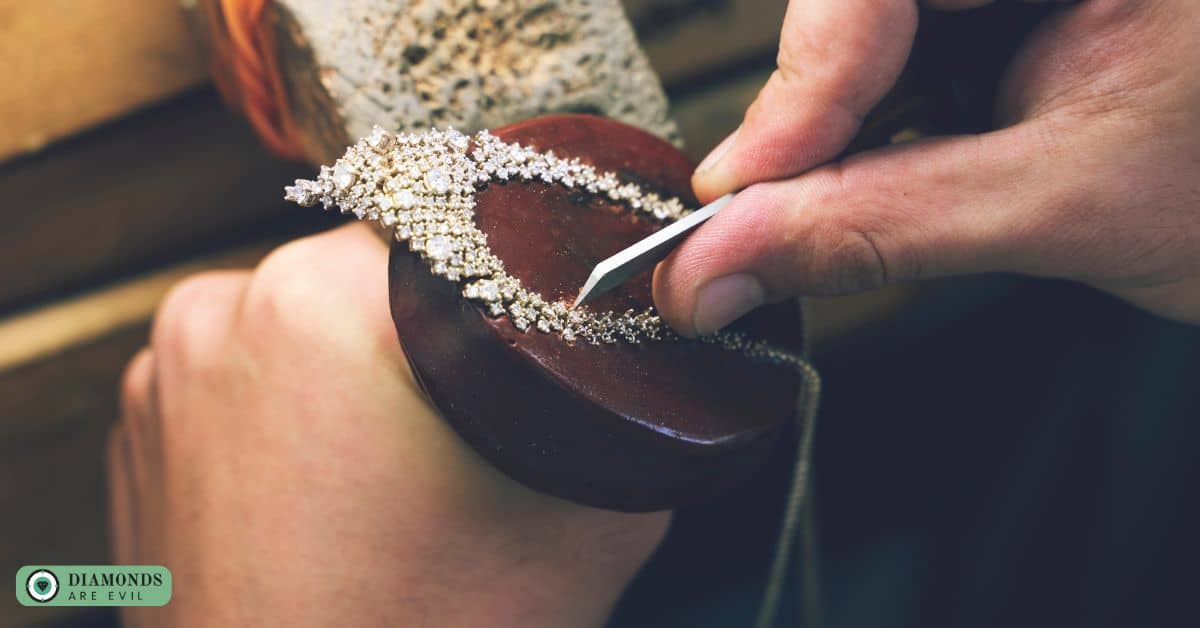
Polishing and Finishing: Achieving a Flawless Shine
Polishing and finishing are the final steps in the diamond jewelry crafting process, and they are critical in achieving a flawless, sparkling shine on the piece. The goal of this process is to remove any scratches or blemishes on the metal and diamonds, creating a smooth and reflective surface.
The piece is then carefully inspected to ensure that it meets the highest quality standards before it is finished with any additional details, such as engraving or plating. The final result is a stunning piece of diamond jewelry that has been crafted with precision and care, showcasing the natural beauty of the diamonds and the skill of the artisans who created it.
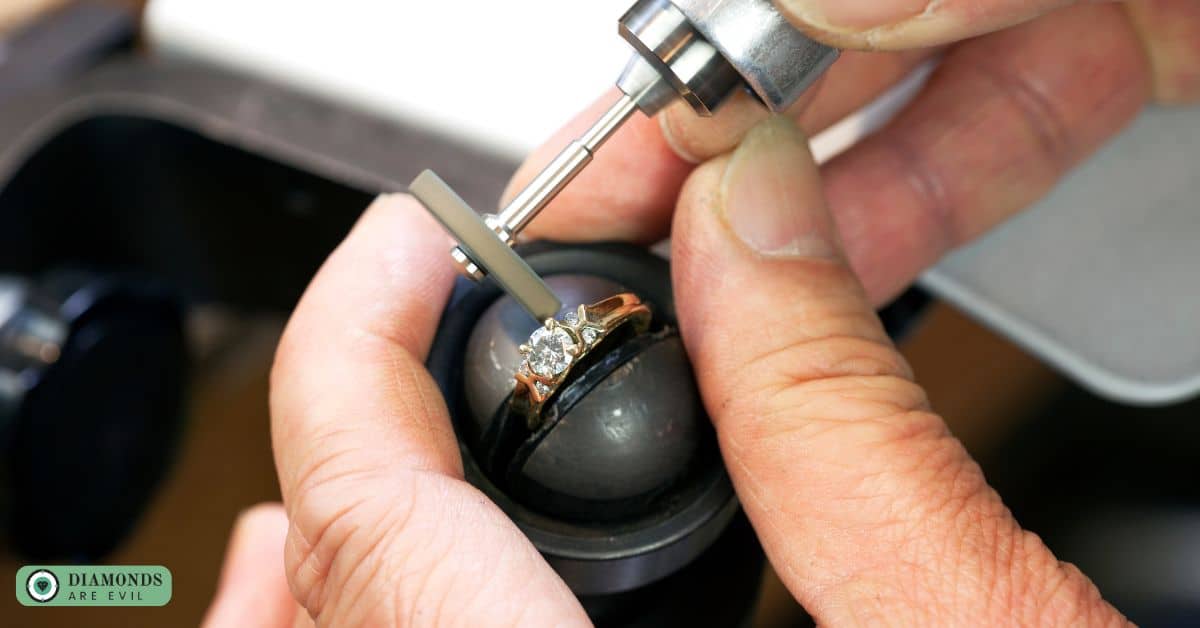
Quality Control: Ensuring the Piece Meets Standards
Quality control is a crucial step in the diamond jewelry crafting process, as it ensures that the piece meets the highest standards of quality and craftsmanship.
Diamond grading reports are also examined to ensure that the diamonds used in the piece are of the highest quality. Once the piece is completed, it is subjected to a final inspection to ensure that it meets the desired specifications and quality standards.
Packaging and Presentation: The Final Touches Before Sale
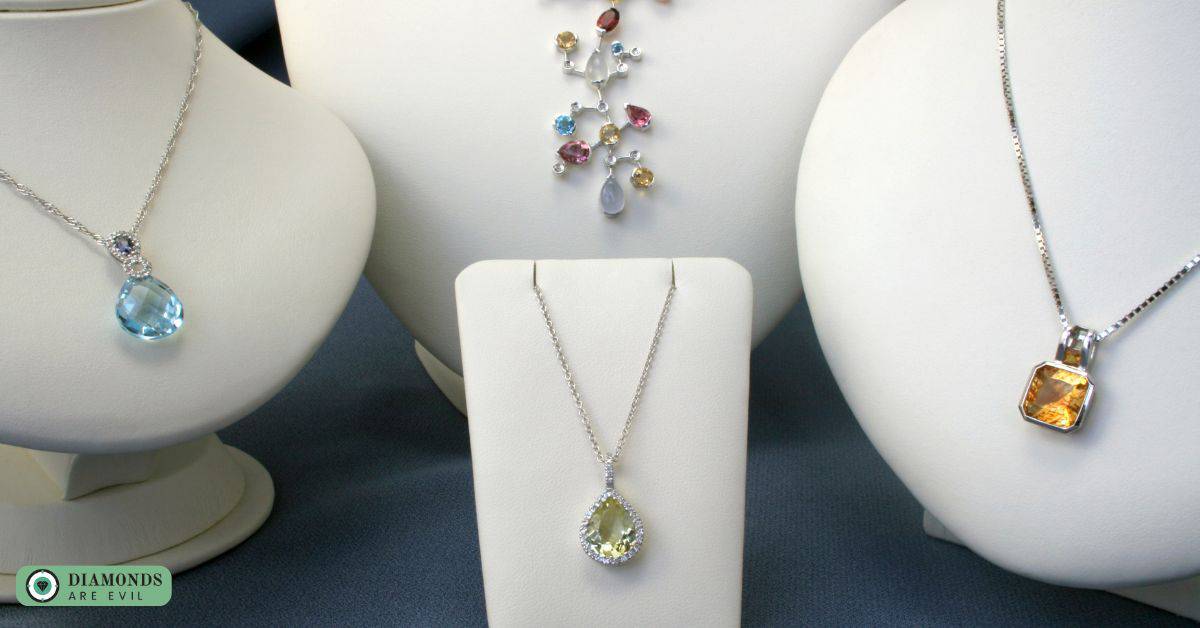
Packaging and presentation are the final touches in the diamond jewelry crafting process, and they are crucial in ensuring that the piece is ready for sale. The packaging may also include a certificate of authenticity, warranty information, or care instructions.
The presentation of the piece may also include additional details such as a personalized note or special wrapping. The goal of the packaging and presentation is to create a memorable and luxurious experience for the customer, while also protecting the piece during transportation and storage. A beautifully presented piece of diamond jewelry not only adds to the value and appeal of the piece but also creates a lasting impression for the customer.
In conclusion
Crafting diamond jewelry is a complex and delicate process that requires expertise, skill, and attention to detail. From sourcing the diamonds to setting them into the metal foundation and ensuring quality control before packaging and presentation, each step in the diamond jewelry crafting process is carefully monitored and inspected by experienced professionals.
The end result is a timeless piece of wearable art that is crafted to the highest standards of quality and craftsmanship, showcasing the natural beauty of diamonds and the skill of those who created it.