
History of Diamond Jewelry: From Ancient Times to Today
The sparkle of a diamond is timeless. For thousands of years, humans have held an affinity for the precious gemstone and its radiant beauty. Do you have a passion for luxury? Do you appreciate the beauty and rarity of diamonds? If so, then you’ll be delighted to learn all about their rich history.
From ancient uses in religious artifacts and medical treatments to modern-day jewelry pieces, diamonds have been admired and valued for their beauty and rarity by cultures all around the world.
In this blog post, we’ll explore the history of diamond jewelry – from its earliest days to modern-day trends. We’ll take a look at how this gemstone has been used over time, the different styles it has taken on, and some of the most iconic pieces ever made.
History of Diamonds
Diamonds are one of the most popular and valuable gems in the world. They have a long and fascinating history that dates back thousands of years.
The first diamonds were mined in India more than 3,000 years ago. These early diamonds were used in jewelry as far back as 2,400 B.C. Also, Indian diamonds were used to embellish weapons, armor, and ceremonial objects.
By the 1400s, diamond sources in India began to dwindle due to over-mining and the increased demand for them by European nobility. This led to a surge in the exploration of new diamond sources around the world, particularly in Brazil and South Africa.
In the 1800s diamonds experienced a huge shift with the invention of large-scale excavation technology for digging mines and extracting gems from an unprecedented depth. This made it easier to find larger diamonds which also helped increase their popularity as engagement ring stones at this time.
Today, diamonds are sourced from all around the world with major locations being Botswana, Russia, Canada, Australia, South Africa, Congo, and Zimbabwe. By understanding their incredible history we can appreciate why diamonds are some of the most highly prized possessions on Earth today!
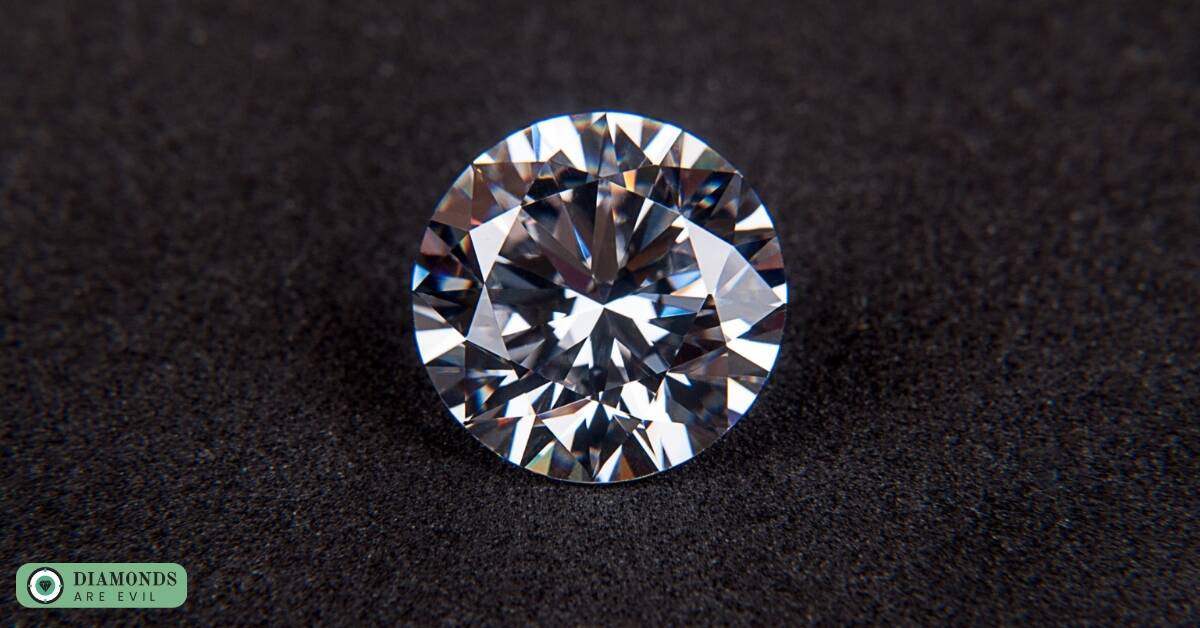
Ancient Uses of Diamonds
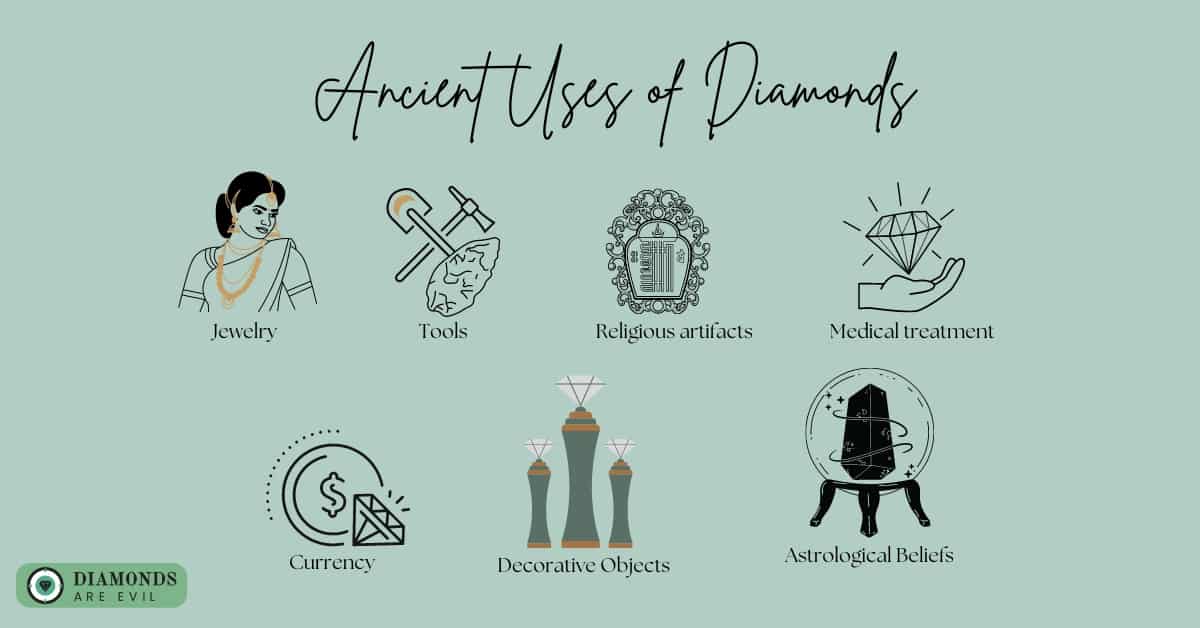
Ancient civilizations have long valued diamonds for their beauty and rarity. Here are a few examples of how diamonds were used in ancient times:
Jewelry
Diamonds were often used in ancient jewelry, particularly in India where they were highly prized. They were often set in gold and worn as a symbol of wealth and status. Jewelry made of diamonds was a symbol of power and prestige and only royalty and high-status individuals would wear them.
Tools
Diamonds were also used to create cutting and drilling tools. Because of their hardness, diamonds were able to cut and drill through a variety of materials, making them useful for everything from engraving to mining. Diamonds were used as abrasives for cutting, grinding, and polishing hard materials. This allowed for intricate engravings and carvings on objects made of glass, metal, and stone.
Religious artifacts
Diamonds were sometimes used in religious artifacts, such as in Hindu and Buddhist statues. They were believed to have spiritual power and to bring good luck. They were used to decorate statues of gods and goddesses and other religious artifacts and were believed to have the power to ward off evil spirits.
Medical treatment
In ancient India, the diamond powder was believed to have healing properties and was used in traditional medicine to treat a variety of ailments. The diamond powder was believed to have medicinal properties, and it was used in traditional medicine to treat a wide range of illnesses such as eye problems, skin diseases, and more.
Currency
Diamonds were also used as currency in ancient times. They were highly valued and were often used as a medium of exchange in trade. Diamonds were considered a valuable commodity, and as such, they were often used as a form of currency. They were used to purchase goods and services and were also used to pay taxes.
Decorative Objects
Diamonds also were used to decorate royal thrones, crowns, and other objects of prestige. They were used to embellish objects of prestige such as crowns, scepters, and thrones. They were also used to decorate the palace and other buildings of the royal court.
Astrological Beliefs
Diamonds were believed to bring good fortune and protection from evil in ancient astrological beliefs, they were also associated with the planet Venus which was considered the symbol of love and beauty. In ancient astrological beliefs, diamonds were believed to bring good fortune and protect the wearer from evil.
They were also associated with the planet Venus, which was considered the symbol of love and beauty.
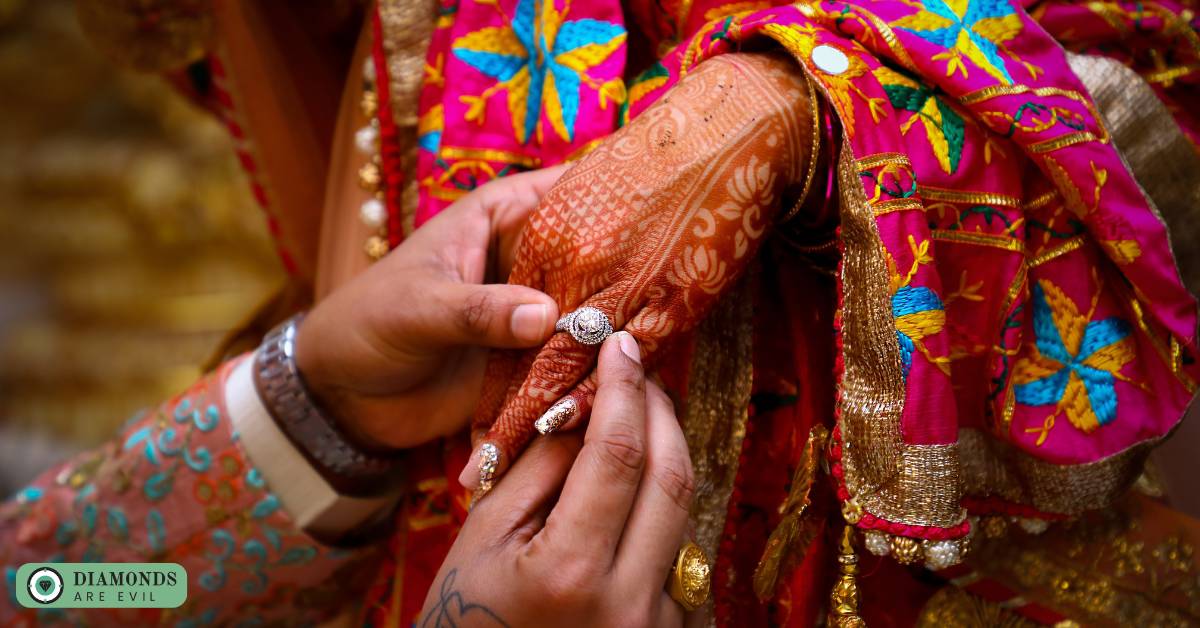
The Evolution of Diamond Jewelry Styles
Diamonds have been admired and valued for their beauty and rarity for centuries. How diamonds are cut and set in jewelry has evolved, reflecting the changing styles and trends of each era.
Medieval Times
During medieval times, diamond jewelry was worn primarily by the wealthy and powerful elite. The most popular style of diamond jewelry during this time was the “point cut” diamond, also known as the “table cut.” This style featured a flat top with triangular facets on the bottom.
The point-cut diamond was often set in gold and worn as a ring or brooch. The jewelry designs of this era were heavily influenced by the religious and spiritual beliefs of the time and often featured intricate designs with religious symbols.
Renaissance Period
During the Renaissance period, diamond jewelry became more intricate and elaborate. The “rose cut” diamond became popular, which featured a flat bottom and a domed top with triangular facets. These diamonds were often set in gold and used to decorate necklaces, bracelets, and earrings.
Additionally, the “cushion cut” diamond, which featured a square or rectangular shape with rounded corners, also became popular during this time. The jewelry designs of this era were heavily influenced by the art and architecture of the time and often featured elaborate and ornate designs.
Industrial Revolution Era
The Industrial Revolution brought new techniques for cutting and polishing diamonds, leading to the rise of more precise cuts such as the “brilliant cut.” This style featured a round shape with 58 facets, creating a sparkling effect. Diamonds were also used in mass-produced jewelry during this time, making them more accessible to the general public.
The jewelry designs of this era were heavily influenced by industrialization and mass production and often featured simple and elegant designs.
Modern Day
Today, diamond jewelry continues to evolve and adapt to changing styles and trends. The most popular cut is still the round brilliant cut. But, there are many other popular cuts such as the princess cut, cushion cut, and emerald cut. Additionally, the use of colored diamonds such as pink, yellow and blue have become popular in recent times. Also, the use of mixed metals, such as white gold and rose gold, has become popular in contemporary jewelry design.
The trend of minimalistic and asymmetric designs also have become popular in modern jewelry design. Modern jewelry designs are heavily influenced by fashion and pop culture and often feature contemporary and eclectic designs.
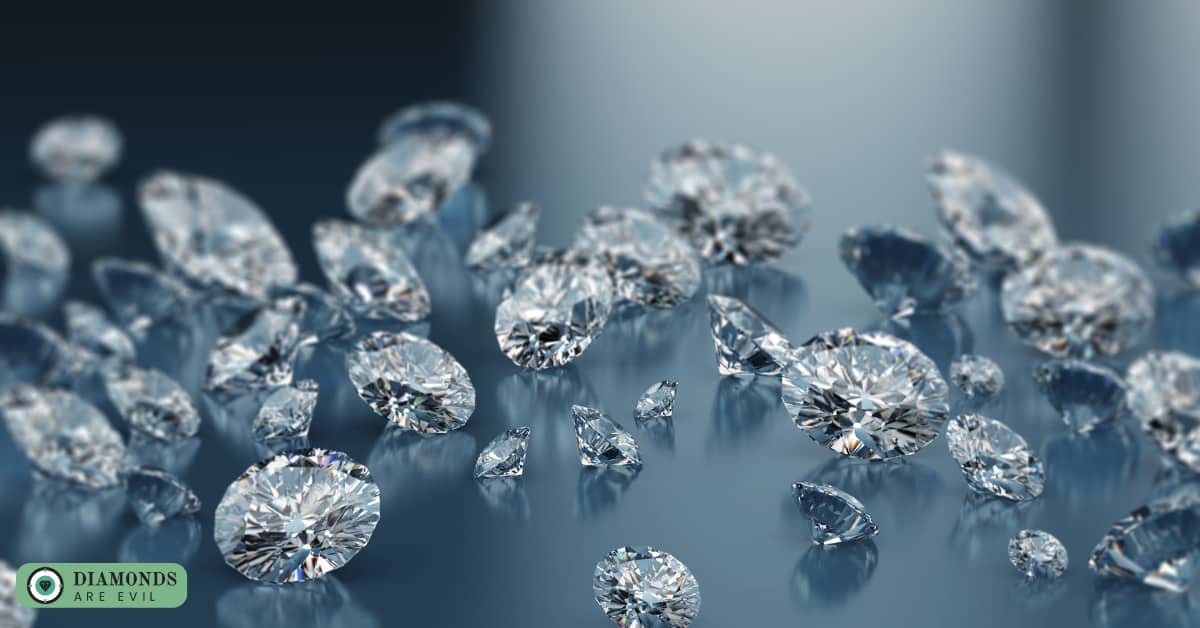
Famous Pieces of Diamond Jewelry Throughout History
Diamonds have been valued and admired for their beauty and rarity throughout history. Here are a few famous pieces of diamond jewelry that have stood the test of time:
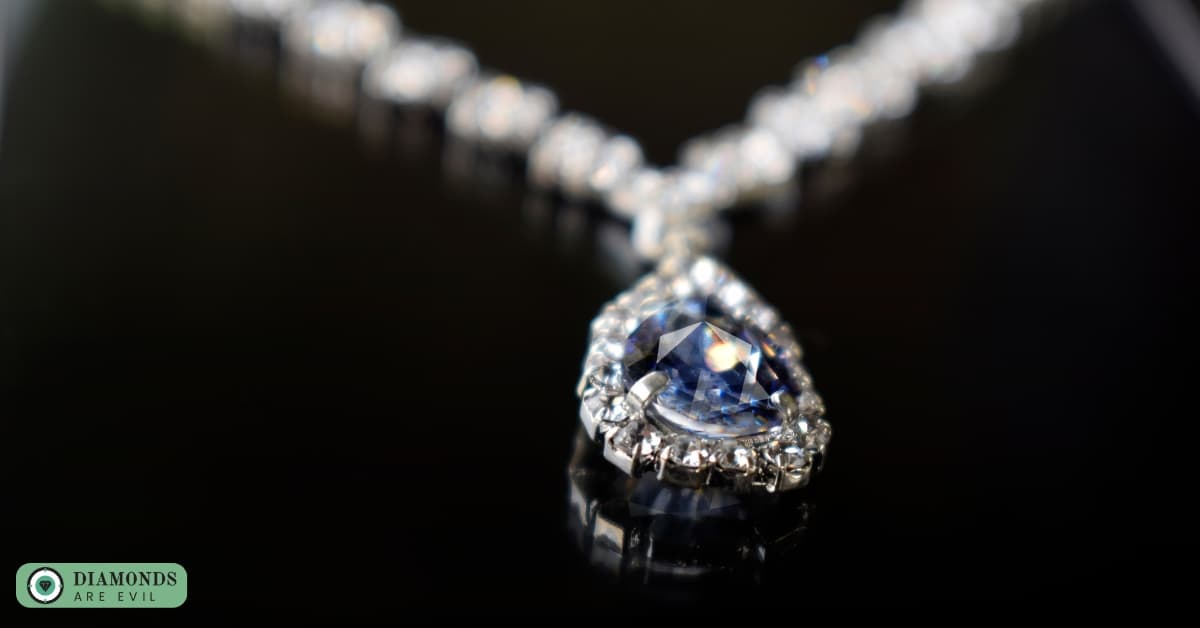
The Hope Diamond
This 45.52-carat blue diamond is one of the most famous diamonds in the world. It is said to have originated in India and has a long and storied history, including ownership by Louis XIV and Marie Antoinette. Today, it is on display at the Smithsonian National Museum of Natural History in Washington, D.C. The estimated value of the Hope Diamond is around US$200–350 million.
Carat weight: 45.55
Cut: Antique cushion
Original owner: Jean-Baptiste Tavernier
Country of origin: India
Mine of origin: Kollur Mine
Owner: Smithsonian Institution
Color: Fancy dark grayish-blue
Diamond type: Type IIb
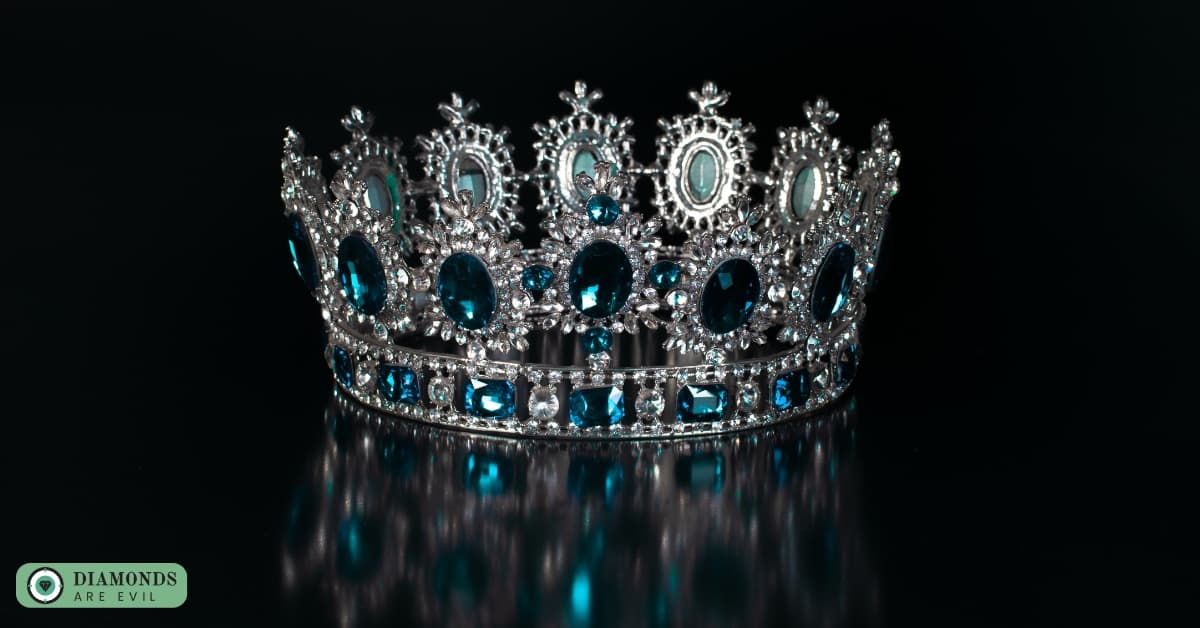
The Crown Jewels of England
The Crown jewels of England include many famous diamonds, such as the First Star of Africa and the Second Star of Africa, both of which are part of the Crown of the Queen Mother. The collection also includes the Imperial State Crown, which is set with 2,868 diamonds, 17 sapphires, 11 emeralds, 269 pearls, and 4 rubies.
Also, the crown is worn by the reigning monarch during the State Opening of Parliament. The estimated value of the Crown jewels of England is around $3.8 billion.
Owner: British monarch in right of the Crown
Location: Jewel House and Martin Tower at the Tower of London
Oldest: Coronation Spoon (12th century)
Stones: 23,578
Newest: Elizabeth II’s Armills (1953)
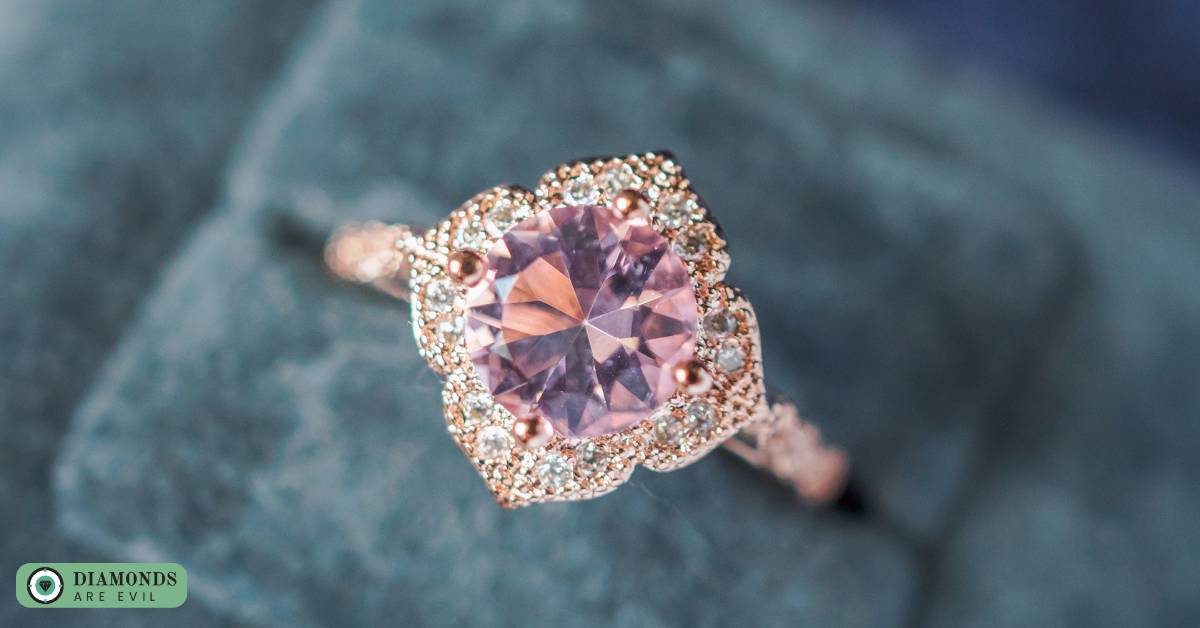
The Pink Star
The Pink Star is a 59.60-carat fancy pink diamond, considered one of the largest and most valuable fancy vivid pink diamonds in the world. It was sold at auction for a record-breaking $71.2 million in 2017. The Pink Star was discovered in a mine in Africa in 1999 and was cut and polished over two years.
It is graded as a fancy vivid pink, the highest grade for a pink diamond. The Pink Star has a unique color, it is considered one of the rarest and most beautiful diamonds in the world. It was sold at Sotheby’s Hong Kong Magnificent Jewels and Jadeite Spring Sale and it was purchased by Hong Kong billionaire jewelry retailer Chow Tai Fook.
Carat weight: 59.6 (Cut), 132.5 (Uncut)
Cut: Mixed oval brilliant (step cut crown, brilliant cut pavilion)
Discovered: 1999; unveiled 29 May 2003
Color: Fancy vivid pink
Estimated value: US$71.2 million (2017)
The Bulgari Blue
The Bulgari Blue is a Bulgari ring that features a blue diamond weighing 9.87 carats. It was sold for $15.7 million in 2010, setting a new world record for the price of a blue diamond at auction. The Bulgari Blue was discovered in South Africa in 2008 and was cut and polished by Bulgari. The diamond is graded as a fancy vivid blue, the highest grade for a blue diamond.
The Bulgari Blue is considered one of the most beautiful and valuable blue diamonds in the world. The ring that holds the Bulgari Blue is designed and crafted by Bulgari’s master jewelers, it is made of white gold and the diamond is surrounded by white diamonds. The ring was sold at Christie’s Magnificent Jewels auction in Geneva and an anonymous buyer purchased it.
Carat weight: 10.95 carats; paired with a triangular white diamond that weights 9.87 carats
Cut: Triangular-cut diamond
Discovered: circa 1972
Owner: Christie’s. Anthony DeMarco
Color: Fancy vivid blue
Estimated value: $15 million
The Oppenheimer Blue
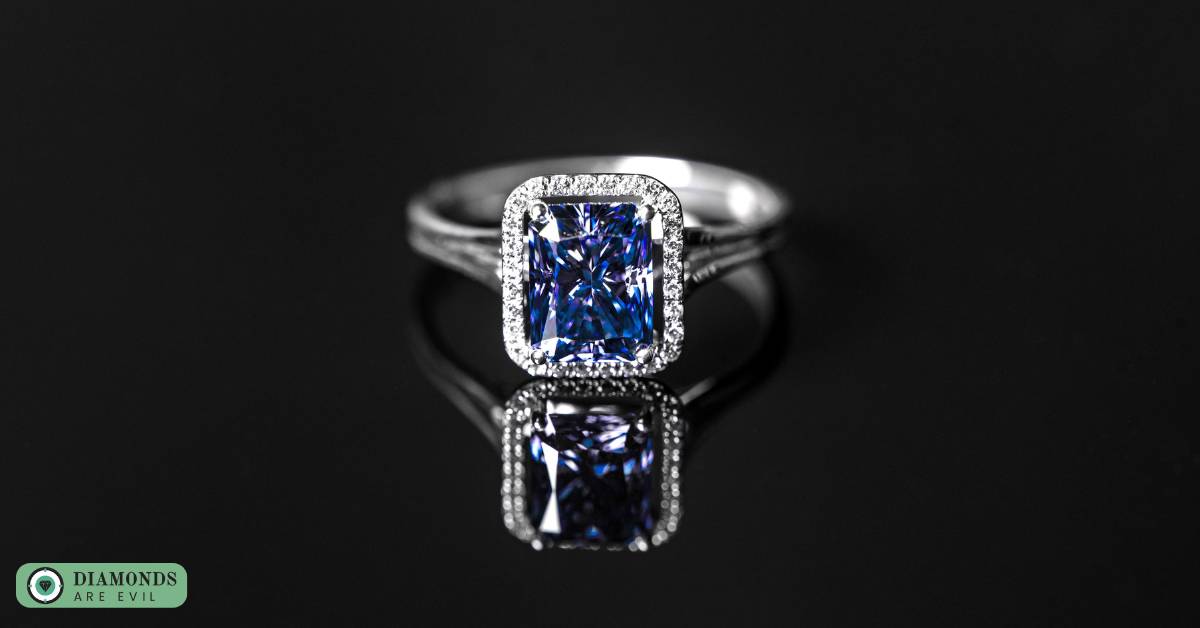
The Oppenheimer Blue is a 14.62-carat fancy vivid blue diamond. It was sold at auction for $50.6 million in 2016, becoming the most expensive diamond ever sold at auction at that time. The Oppenheimer Blue was named after its former owner, Sir Philip Oppenheimer, of the Oppenheimer diamond dynasty, who controlled De Beers diamond mines for decades.
The Oppenheimer Blue is graded as a fancy vivid blue, the highest grade for a blue diamond and it is considered one of the most beautiful and valuable blue diamonds in the world. The diamond was sold at Christie’s Geneva Magnificent Jewels auction and was purchased by an anonymous buyer.
Carat weight: 14.62
Cut: Rectangle
Discovered: Sir Philip Oppenheimer (1916-1995)
Color: Fancy vivid blue
Owner: Unknown (was Philip Oppenheimer)
Estimated value: $50.6 million
The Pink Promise
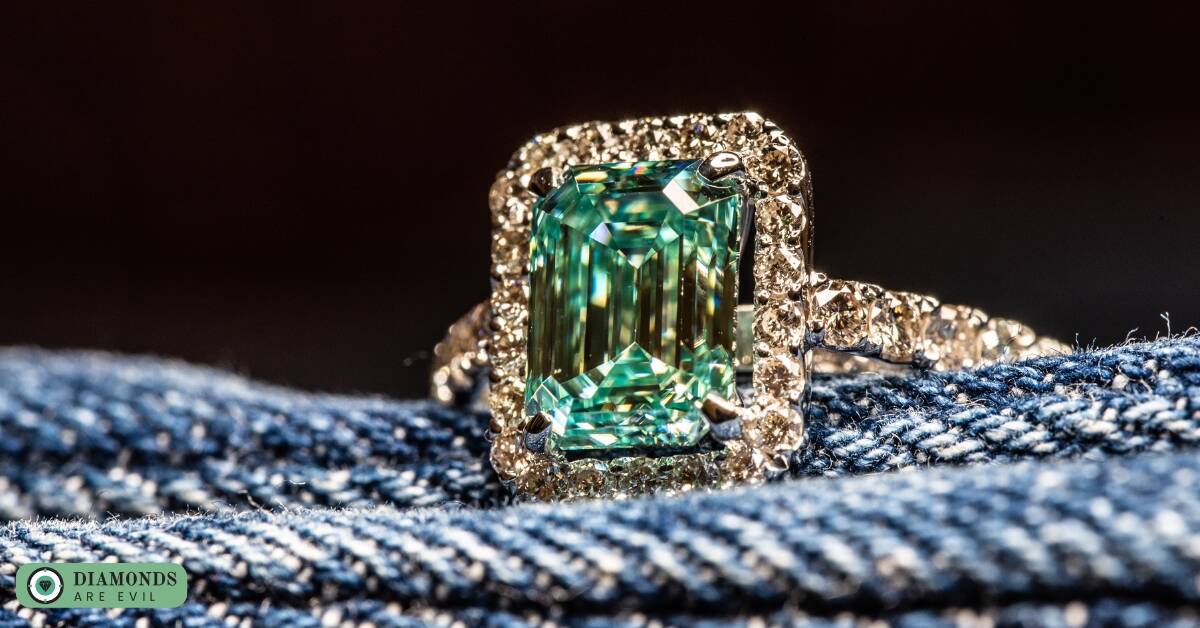
The Pink Promise is a 14.93-carat Fancy Vivid Pink diamond. It was sold at auction for $31. 8 million in 2017. The Pink Promise is considered one of the most beautiful and valuable pink diamonds in the world, it was graded as a fancy intense pink, which is the second highest grade for pink diamonds.
The diamond was discovered in South Africa and it was cut and polished to its current shape. The Pink Promise was sold at Sotheby’s New York Magnificent Jewels auction and an anonymous buyer purchased it. The diamond was mounted on a ring and was surrounded by white diamonds, it was set in 18-karat rose gold and it was praised for its unique color and exceptional clarity.
Carat weight: 14.62
Cut: Rectangle
Color: Vivid VVS1 pink diamond or Fancy Vivid Pink
Owner: Unknown (was Philip Oppenheimer)
Purchased by: Stephen Silver; 2013
Estimated value: estimated sale price US$28 and US$42 million
The Graff Pink
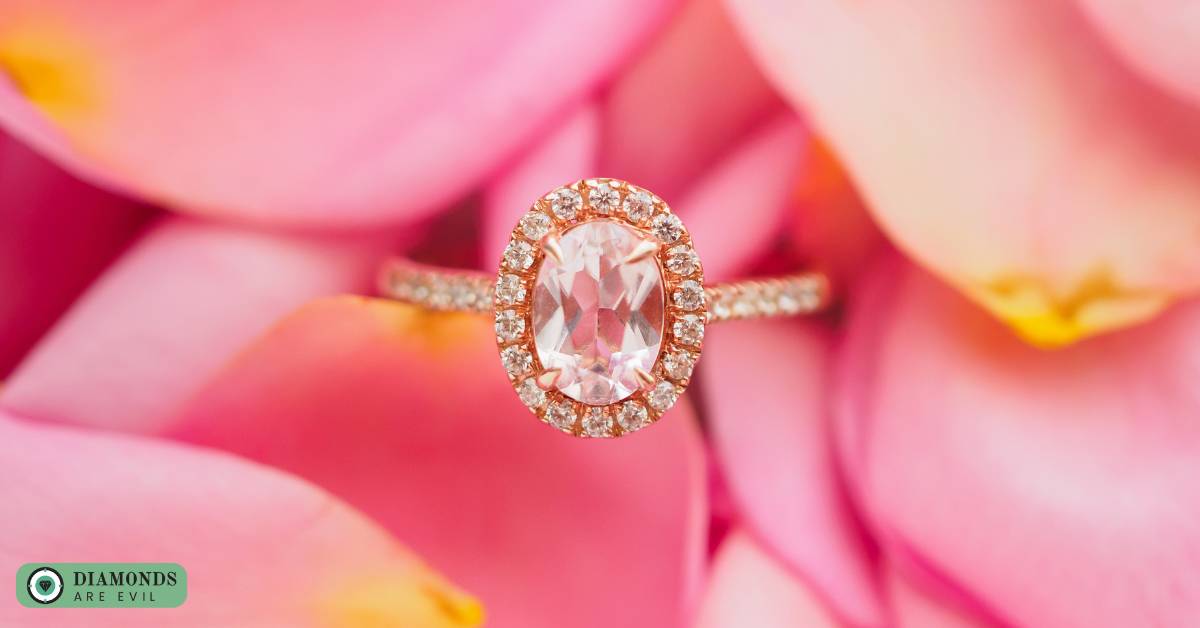
The Graff Pink is a 24.78-carat fancy intense pink diamond. It was sold for $46 million in 2010, setting a record for the price of a pink diamond at the time. The Graff Pink is considered one of the largest and most valuable fancy intense pink diamonds in the world. The diamond was cut and polished by the famous diamond merchant Graff Diamonds.
The diamond is a fancy intense pink, the second highest grade for pink diamonds. The Graff Pink was sold privately and it was purchased by the founder and chairman of Graff Diamonds, Laurence Graff. The diamond was later set in a ring and was surrounded by white diamonds, it was praised for its unique color and exceptional clarity.
Carat weight: 24.78
Cut: Emerald
Owner: Laurence Graff
Color: Fancy intense pink
Diamond type: Type IIa
Estimated value: US$46 million
Tips for Purchasing Diamond Jewelry
Buying diamond jewelry can be a daunting task, but with the right information and research, it doesn’t have to be. Diamonds are timeless pieces of luxury that will last for generations and are an investment in your future.
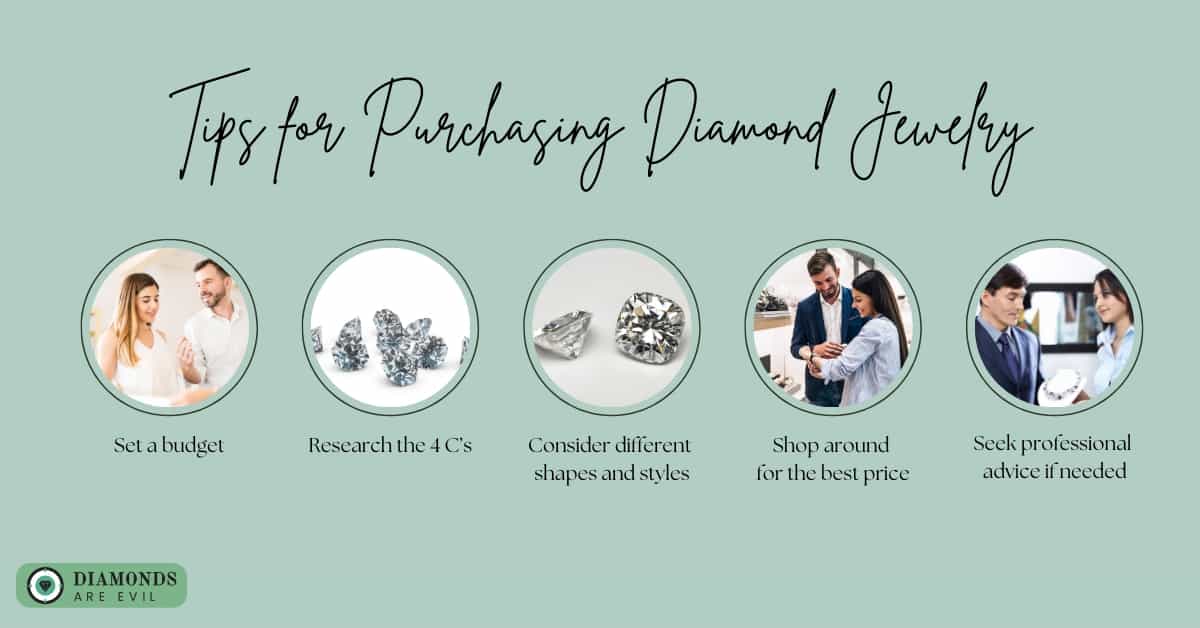
To help you find the perfect piece of diamond jewelry, here are some tips to keep in mind when making your purchase.
Set a budget
Before you begin searching for a diamond, it is important to know how much money you would like to spend on your purchase. Setting a budget will help you narrow down your choices and make sure you are not overextending yourself financially.
Research the 4 C’s
The 4 C’s of diamond quality—cut, clarity, color, and carat weight—are important factors in determining the value of a diamond. Make sure that you understand each of these criteria before purchasing so that you can ensure that you are purchasing a quality stone.
Consider different shapes and styles
Diamonds come in various shapes and styles, including round, princess, emerald, cushion, heart, pear-shaped, and marquise cuts. Do some research to determine which style suits your personality best before deciding on which diamond to purchase.
Shop around for the best price
Once you have narrowed down your choices based on budget and quality considerations, start shopping around for the best price on your desired stone or gemstone piece of jewelry. By doing this research ahead of time, you will be able to find the most affordable option without sacrificing quality or beauty.
Seek professional advice if needed
Buying diamonds can be an overwhelming process due to all of the considerations involved. From selecting one perfect gemstone piece of jewelry to many options available in the market today. Therefore it is wise to seek professional advice from jewelers or industry experts when necessary to secure an informed buying decision indeed!

In conclusion
Diamonds have been a symbol of wealth, power, and status for many centuries. Also, diamonds are timeless pieces of luxury that will last for generations. If you are informed about the 4 C’s—cut, clarity, color, and carat weight—and do your research on different shapes and styles, you can ensure that you are making an informed and intelligent purchase. With these tips in mind, you will be sure to find the perfect diamond jewelry for you or a loved one!
From ancient uses in religious artifacts and medical treatments to modern-day jewelry pieces, diamonds have been admired and valued for their beauty and rarity by cultures all around the world. Understanding this history helps us better appreciate why diamonds are some of the most highly prized possessions on Earth today.