
How to Buy a Diamond Pendant Necklace?
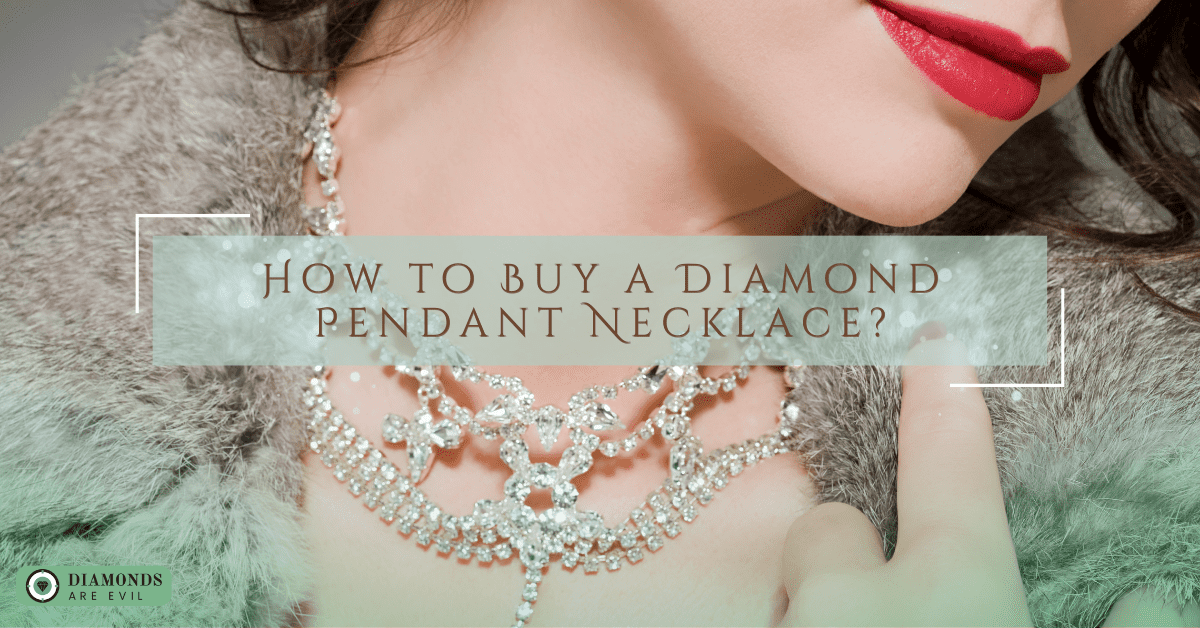
Shopping for a diamond pendant necklace is much easier with the right knowledge. Knowing the basics of diamond quality, the various styles and types of necklaces.
The budget you are dealing with is essential for finding the perfect piece for any occasion—whether it be an everyday look or a special gift.
Before you purchase, it’s important to set a budget and research the characteristics of quality diamonds. While it might take time and effort, selecting a stunning piece meant to last is worth the extra effort!
What Is a Diamond Pendant Necklace?
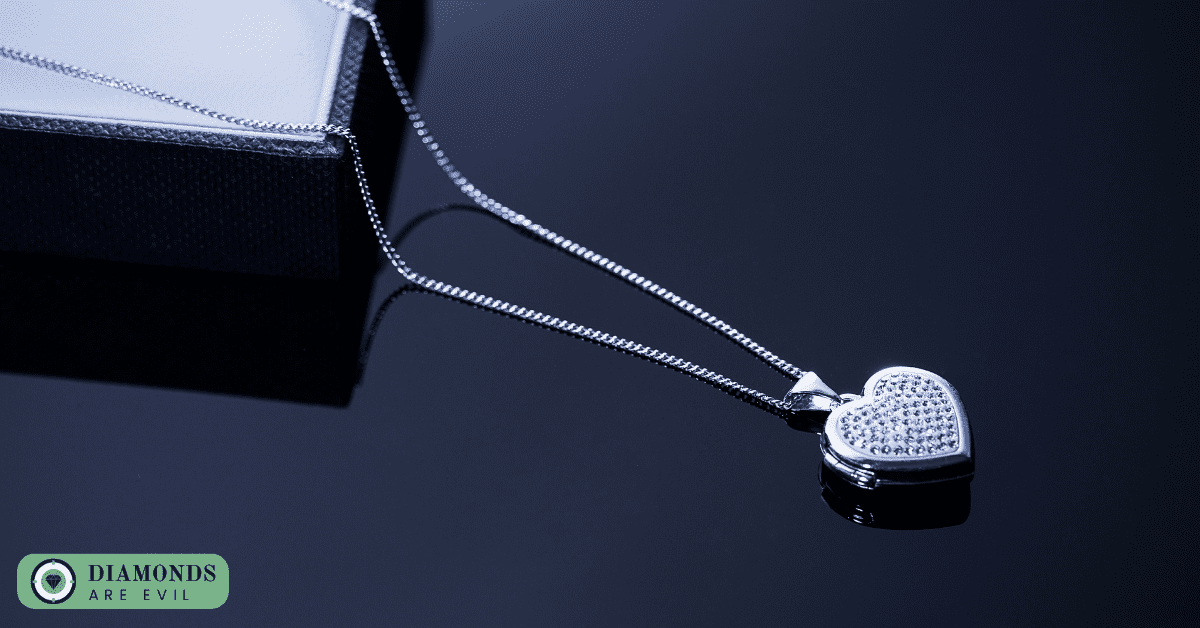
A diamond pendant necklace is a special necklace that notably features a gemstone. This gemstone is a diamond or other precious stone and can come in various sizes, shapes, and settings.
Pendants are typically hung from a chain or cord. The reasons for wearing such jewelry range from making a fashion statement to having sentimental value.
Knowing the ins and outs of buying a diamond pendant necklace can provide peace of mind when adding to a collection of valuable jewelry pieces. When shopping for diamond pendants, it’s important to properly understand the four Cs: cut, color, clarity, and carat weight.
Additionally, style decisions must be considered, such as the pendant’s length and size and the metal used for the setting or chain. Shopping with caution and thoughtfulness will result in selecting just the right piece for any desired occasion!
Understanding the 4Cs of Diamonds
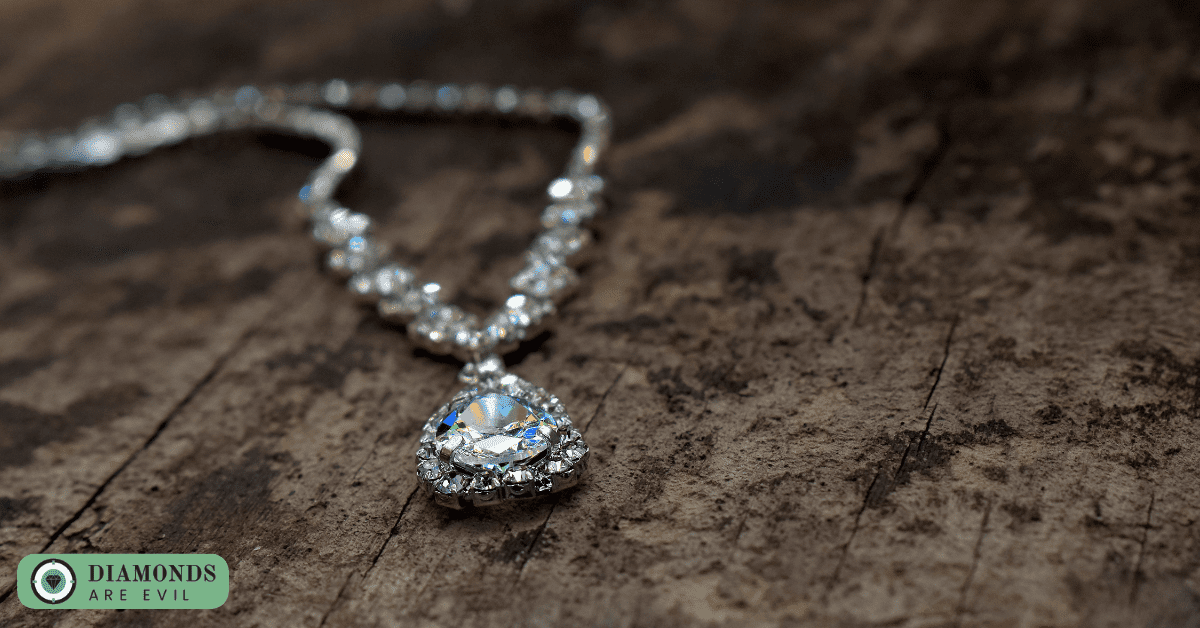
When shopping for a diamond pendant necklace, it is important to understand the 4Cs of diamonds: Cut, Clarity, Carat, and Color.
Cut is determined by the angles and shape of the diamond; clarity measures blemishes and inclusions; carat denotes the size and weight of the diamond; and color grades from D (colorless) to Z (light yellow).
Each of these C’s plays a role in affecting both the price and appearance of a diamond. When buying a necklace with a diamond centerpiece or accent, understanding how these characteristics affect what you pay for and get is key in making an educated purchasing decision.
Researching each factor will ensure that your purchase meets expectations and reflects the love behind gifting such a special piece.
Choosing the Right Diamond Shape for Your Pendant
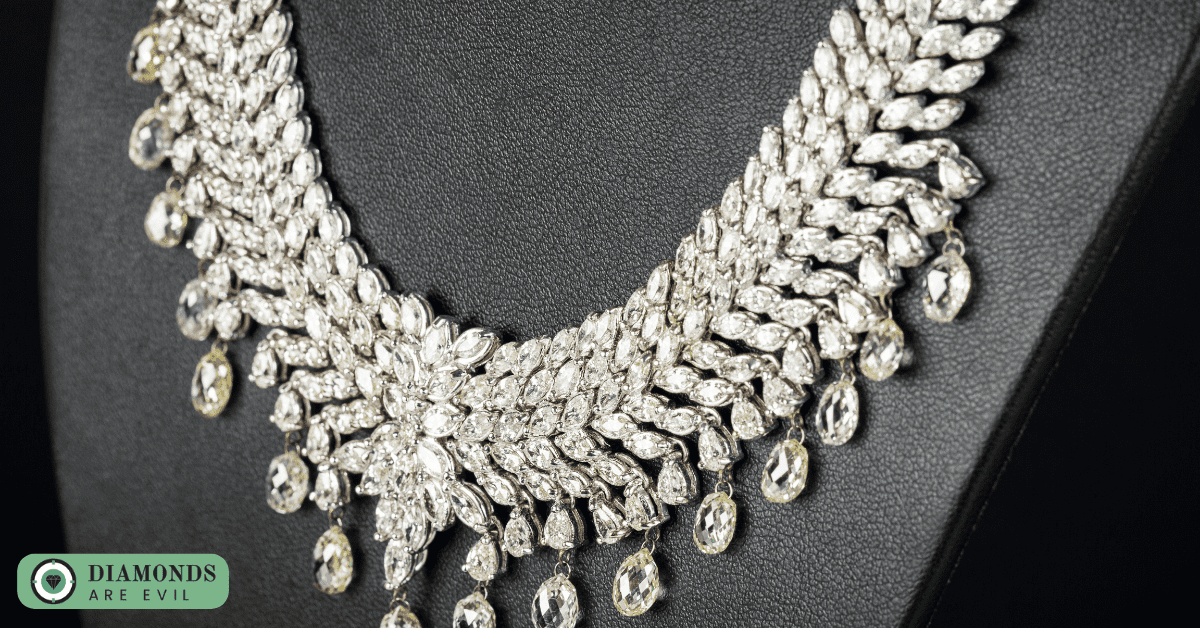
There are many options when selecting the right diamond shape for your diamond pendant necklace. The most popular shapes include round, princess, emerald, cushion, marquise, oval, pear and heart.
Each shape comes with different attributes that will influence the overall look of the pendant necklace. For example, a round shaped diamond is symmetrical with 58 perfectly aligned facets to maximize light reflection, thus enhancing its sparkle.
If you’re looking for something more unique – a marquise or pear shaped diamond can be eye-catching when set in a pendant. To choose the best shape for you and your style, ask yourself how much brilliance versus size you want from your pendant? What type of setting should be selected? Different settings can show off the diamond shape more effectively than others.
Finally, consider the distinction between slabbed diamonds, which look elegant as solitaires, or baguette cut diamonds, which come in horizontal strings – perfect for adding classic sophistication to any design choice.
Choosing the Right Metal for Your Pendant Necklace
When choosing a metal for your pendant necklace, there are several factors to consider. Popular metals used in jewelry, like gold and platinum, offer great durability and luster, while silver has a more subtle presence.
Other options, like brass and titanium, can also be integrated when selecting the right metal for your pendant necklace, offering beautiful, more budget-friendly alternatives.
Depending on the wearer’s individual style, the choice of metal could drastically affect the overall look of the jewelry piece. It is important to remember that certain metals may occasionally require additional care, so it’s always best to research before deciding.
Ultimately, considering personal preference, budget, and maintenance needs will lead you closer to choosing the perfect metal for your diamond pendant necklace.
Choosing the Right Pendant Design
Selecting the right pendant design for a diamond necklace is an important decision that can make all the difference in the overall look and feel of the finished product.
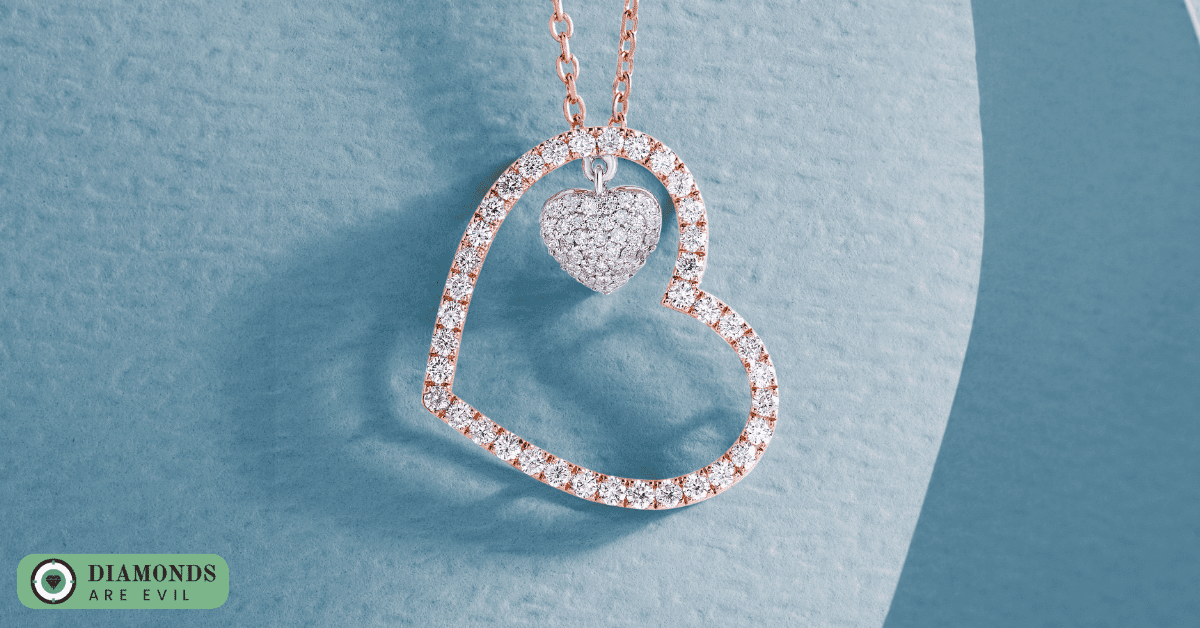
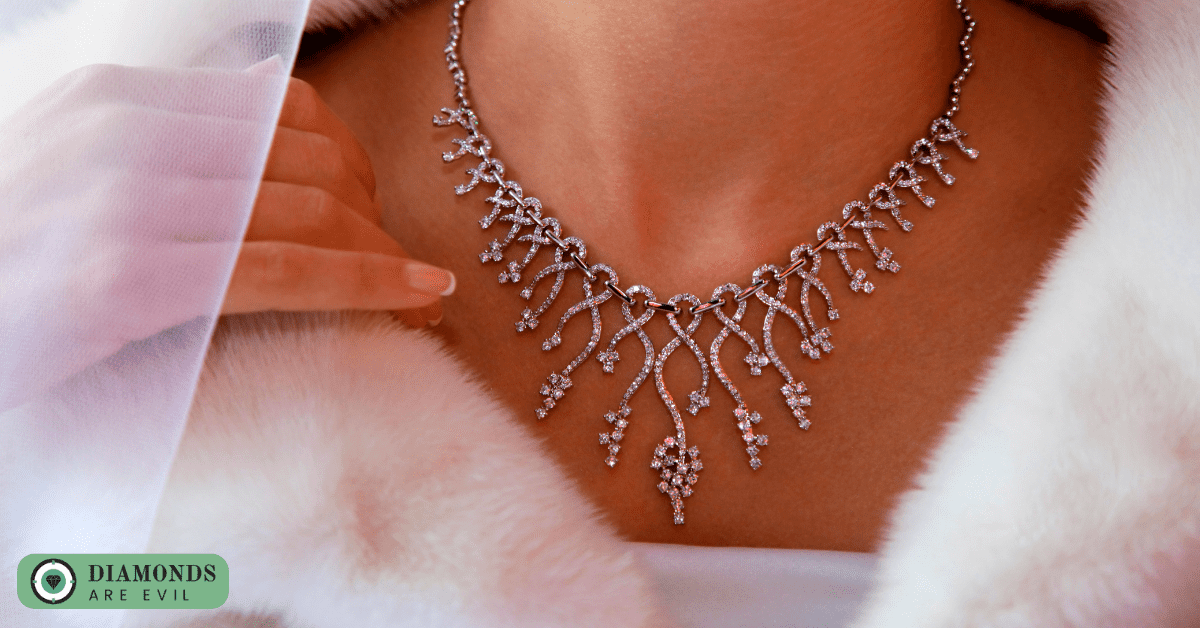
Several choices are available when selecting a pendant style: solitaire, halo, cluster and other designs. When deciding what kind of pendant design you would like for your necklace, it is important to consider personal preference, budget, and functionality factors.
A solitaire pendant offers timeless elegance and outstanding beauty, while a halo setting creates a regal look with extra sparkle surrounding the diamond centerpiece. Clusters offer maximum sparkle with multiple diamonds grouped together in artistic arrangements.
Whatever pendant design you choose, it should match your tastes and desired aesthetic effect to ensure your new necklace turns out perfect.
Tips for Setting Your Budget and Finding the Right Seller
Buying a diamond pendant necklace can be an exciting and rewarding experience, but it can also be overwhelming if you’re unsure where to start. Here are some tips to help you set your budget and find the right seller to buy a diamond pendant necklace:
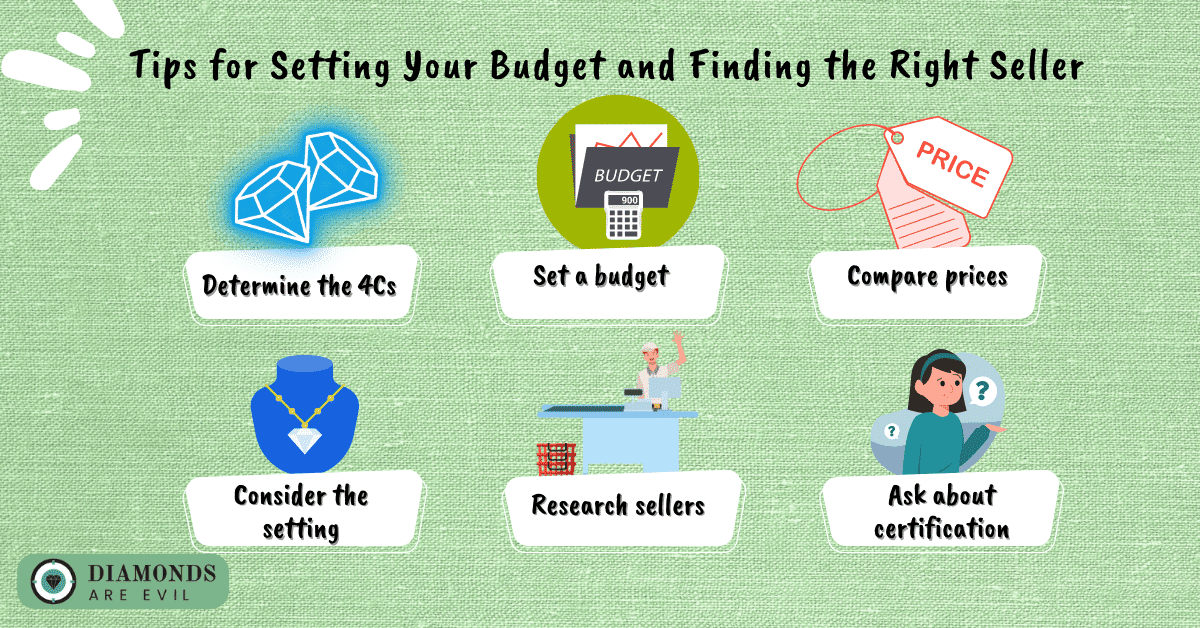
Set a budget : Before looking for diamond pendant necklaces, you must set a budget you’re comfortable with. This will help you narrow your options and ensure you don’t overspend.
Determine the 4Cs : The 4Cs of diamond quality are carat weight, cut, color, and clarity. Each of these factors will impact the overall cost of your diamond pendant necklace. Determine which 4Cs are most important to you and prioritize them accordingly.
Research sellers: Look for reputable sellers with a good track record of selling high-quality diamonds. You can check online reviews and ratings, ask for recommendations from friends or family, or even visit a local jeweler.
Compare prices : Once you’ve found a few potential sellers, compare their prices for diamond pendant necklaces that meet your criteria. Compare apples to apples by looking at diamonds with similar 4Cs.
Consider the setting : Your diamond pendant necklace’s setting can impact its appearance and cost. Look for a setting that complements the diamond and fits within your budget.
Ask about certification: Make sure that the diamond in your pendant necklace is certified by a reputable organization, such as the Gemological Institute of America (GIA). This will help ensure that you’re getting a high-quality diamond.
Don’t rush: Take your time when shopping for a diamond pendant necklace. Don’t feel pressured to purchase immediately; don’t be afraid to ask questions or request additional information.
Conclusion
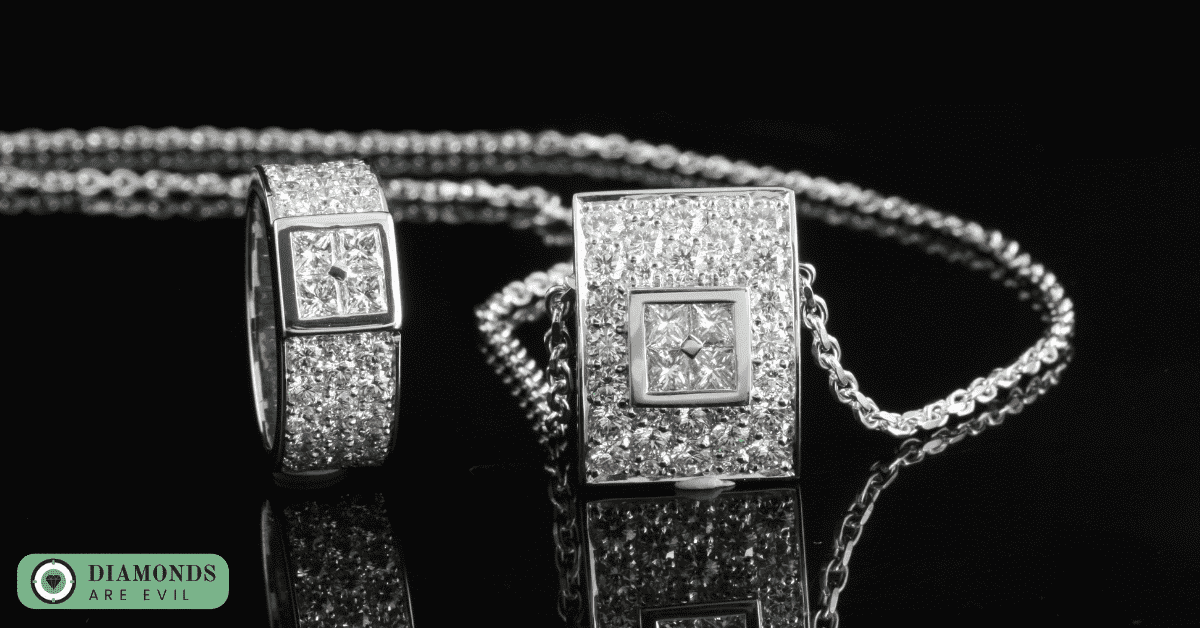
Purchasing a diamond pendant necklace is an enjoyable experience, and the right jewel choice will surely impact any situation.
Accessorizing with a bit of sparkle will surely put the finishing touches to any outfit, while investing in an heirloom piece will provide fond memories that can last a lifetime.
Whatever your reasons for choosing one, making the purchase should be taken seriously. Inspecting each jewelry item carefully and researching its authenticity can help ensure you have purchased a product that will stand out from the crowd without breaking the bank. With so many styles, take your time and discover the stunning statement piece that best reflects your individual style and personality.