
How to Buy Diamonds on the Internet
Purchasing a diamond is exciting and can be a significant investment. With the emergence of e-commerce, shopping for diamonds online provides consumers with an array of options while also granting them access to competitive prices.
However, it is important to understand the characteristics that make up a quality diamond before buying one online. This guide will cover all you need to know about buying diamonds on the internet, including understanding the 4Cs (cut, clarity, carat weight, and color), researching diamond sellers, comparing prices, choosing a diamond, understanding diamond certifications, and securing payment and shipping.
With this information at hand, you can make an informed decision when purchasing your next diamond.
Understanding the 4CS
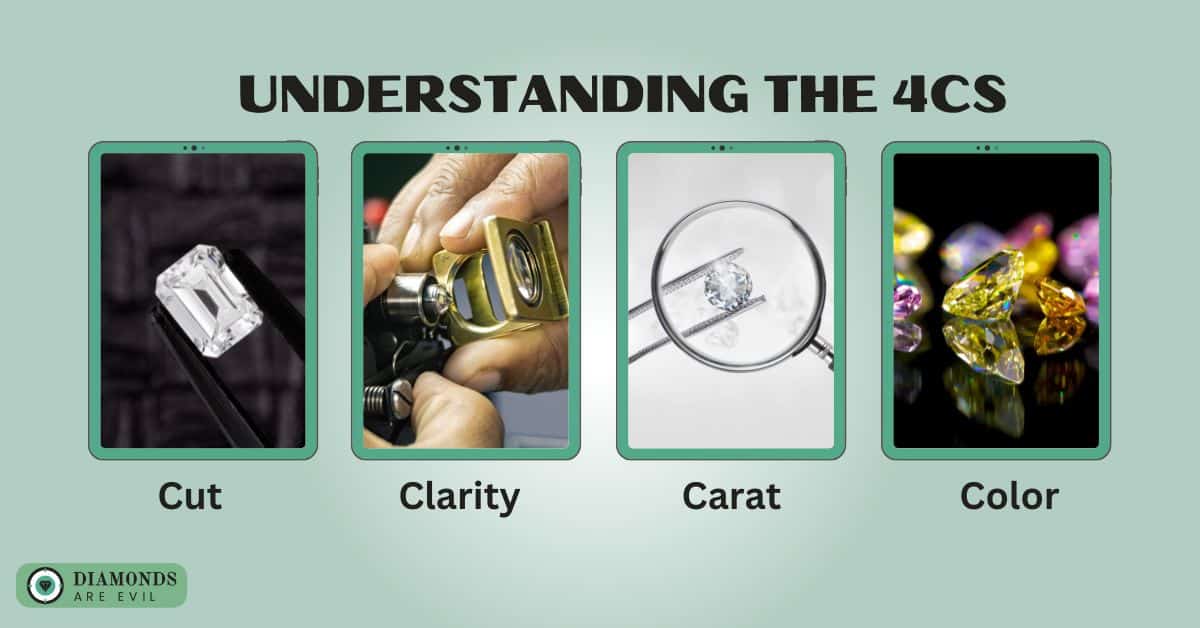
When purchasing a diamond, it’s essential to understand the “4 Cs” – Cut, Clarity, Carat, and Color. These factors influence a diamond’s appearance and value, and having knowledge of them will help you make an informed decision when buying a diamond.
Cut
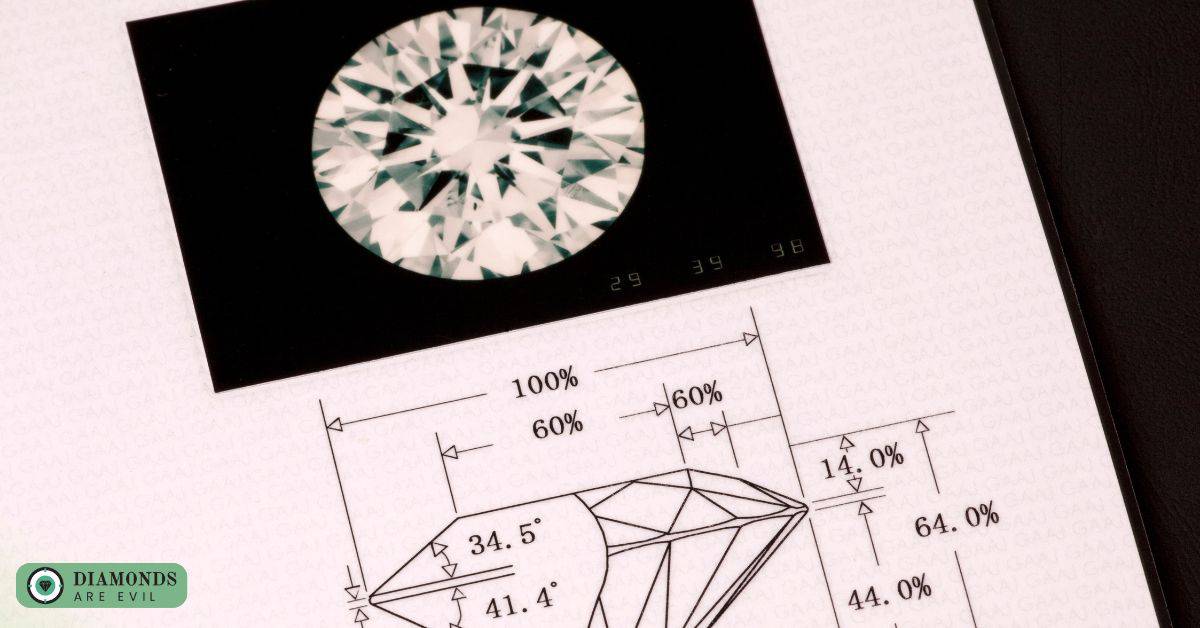
A diamond’s cut refers to its proportions, symmetry, and polish. The cut is the most important factor in determining a diamond’s brilliance, fire, and overall appearance. A well-cut diamond will reflect light and appear more brilliant, whereas a poorly-cut diamond will appear dull and lifeless.
Clarity
Clarity refers to the absence of inclusions or blemishes in the diamond. Inclusions are internal imperfections such as cracks or crystals, while blemishes are external imperfections such as scratches or nicks. The fewer inclusions and blemishes a diamond has, the higher its clarity grade.
Carat
A diamond’s carat weight is a measure of its size. One carat is equivalent to 0.2 grams, and the weight of a diamond is often rounded to the nearest hundredth of a carat. As a general rule, the larger the diamond, the higher its price.
Color
A diamond’s color is graded on a scale from D (colorless) to Z (light yellow or brown). The less color a diamond has the higher its value. However, some colored diamonds, such as pink or blue diamonds, are extremely rare and valuable.
Tips on Researching Diamond Sellers
When buying a diamond online, it’s important to research the seller to ensure that they are reputable and trustworthy. Choosing the right online diamond retailer can make a big difference in the quality and price of the diamond you purchase, as well as the overall buying experience.
When it comes to buying diamonds, it pays to do your research. Here, we will share tips on researching diamond sellers online, including what questions to ask and things to look out for when purchasing diamonds on the internet.
- Check the seller’s reputation. Read reviews from existing customers and look for customer ratings and complaints
- Make sure the seller is transparent about returns, exchanges, shipping fees, and other policies
- Ensure that customer service is available to answer any questions you may have
- Verify whether or not the diamond has a GIA or AGS diamond certificate
- Learn about the different payment methods offered and whether or not they are secure
Factors to Consider When Comparing Prices
When shopping for diamonds online, it’s important to compare prices and understand the value of a diamond. Due to the wide range of factors that influence diamond pricing, it is important to understand what makes up the value of a diamond. Knowing this information will help you compare prices and determine if you are getting the best deal.
There are several different factors that you should consider when comparing prices. By taking all of these elements into account, you can ensure that you are making an informed decision and getting the most bang for your buck when it comes to finding a quality diamond at a reasonable price.
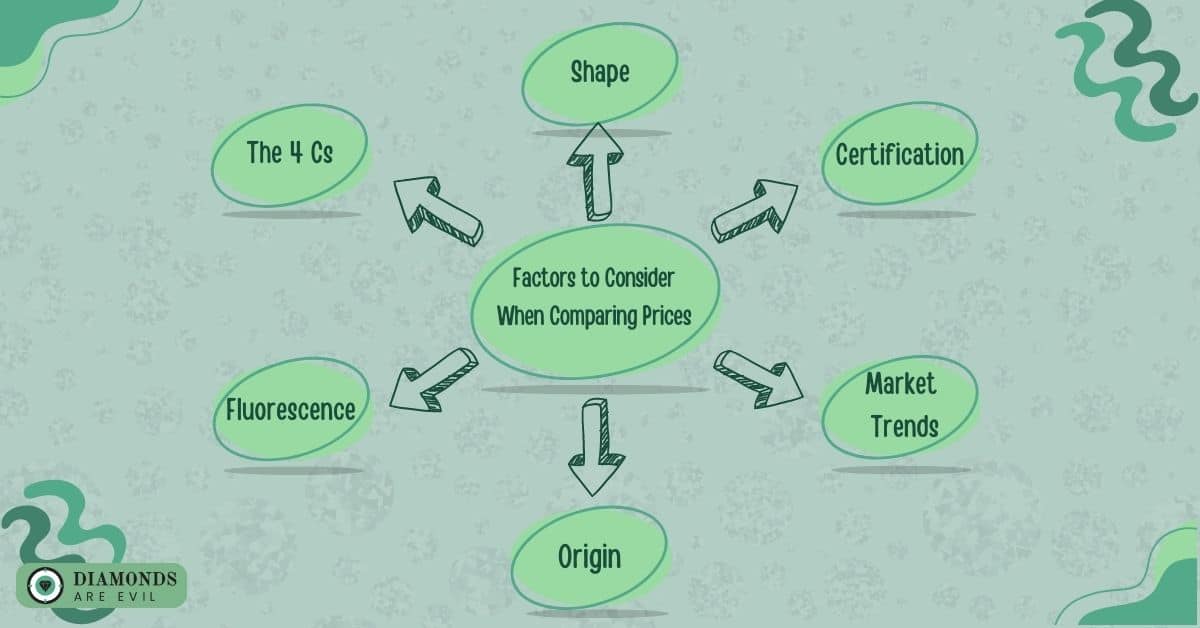
Here are some key factors to consider when comparing prices and evaluating the value of a diamond:
The 4 Cs: As discussed earlier, the 4 Cs (cut, clarity, carat, and color) are the primary factors that influence a diamond’s value. A diamond with a higher grade in each of these categories will typically be more expensive.
Shape: The shape of a diamond can also impact its value. Round diamonds are typically the most expensive because they require the most cutting and polishing. Fancy-shaped diamonds such as pear, oval, or princess cuts can be less expensive while still maintaining a high level of brilliance and fire.
Certification: A diamond that comes with a reputable certification from an organization such as the GIA or AGS will typically be more valuable than a diamond without certification.
Fluorescence: Some diamonds have a natural fluorescence, which can impact their value. Diamonds with strong or very strong fluorescence may appear milky or hazy under certain lighting conditions, which can lower their value.
Origin: The origin of a diamond can also impact its value. Diamonds that are ethically sourced and have a documented origin are typically more valuable than those with unknown or questionable origins.
Market Trends: Like any other commodity, the price of diamonds can fluctuate based on supply and demand. It’s important to stay up-to-date on market trends and price fluctuations to ensure that you are getting a fair price for your diamond.
Tips to Find the Right Balance When Choosing a Diamond
Once you have researched the 4Cs and diamond pricing, it’s time to choose the perfect diamond for you. There are numerous factors that impact the diamond’s value and quality. It is important to consider each of these aspects in order to make an informed decision.
When shopping for a diamond, it is important to find the right balance between price, quality, and size. While it is tempting to cut corners in order to save money, it is essential to make sure that you are getting the best possible diamond for your budget.
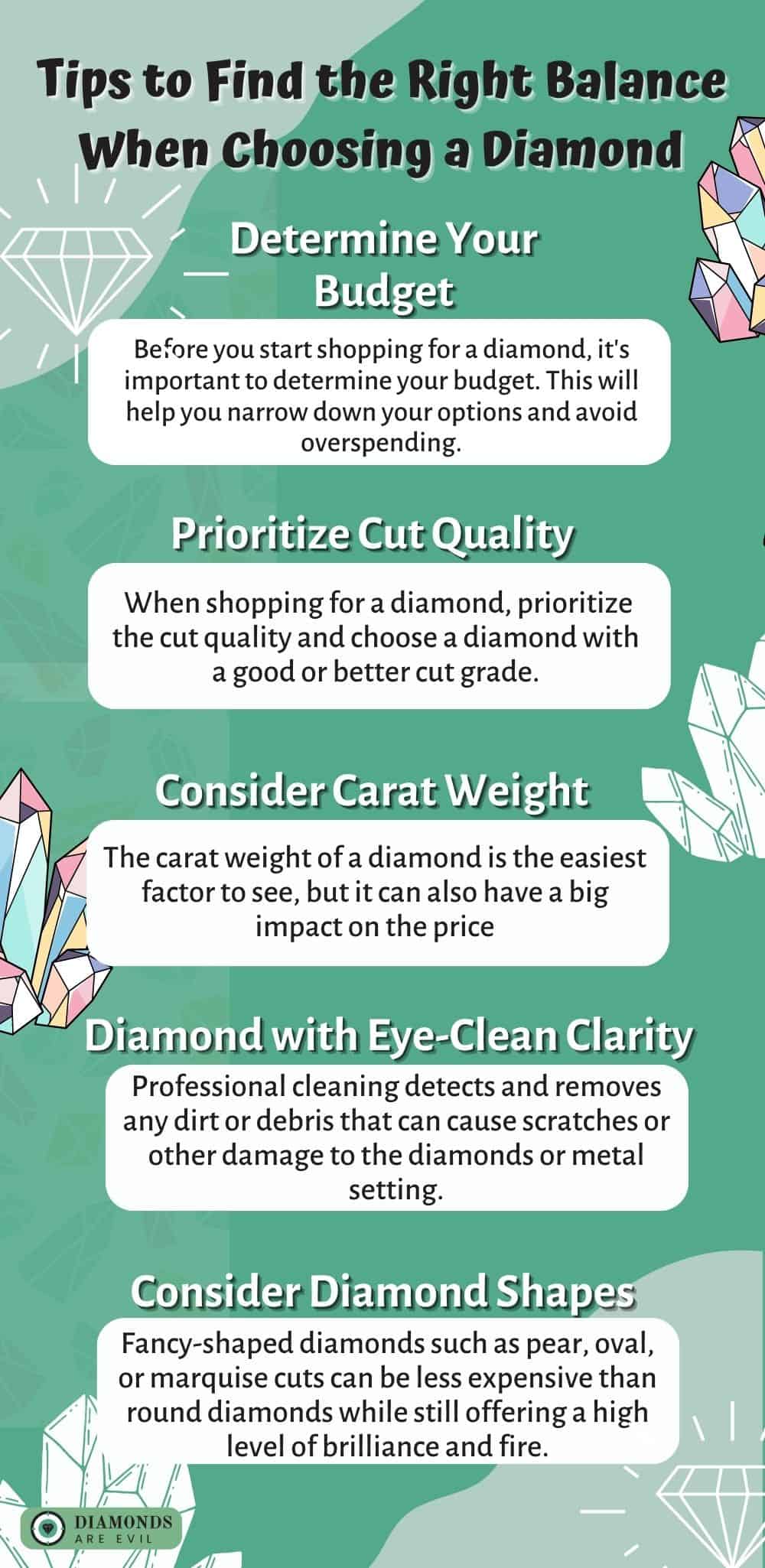
Here are some tips to help you find the right balance when choosing a diamond:
Determine Your Budget: Before you start shopping for a diamond, it’s important to determine your budget. This will help you narrow down your options and avoid overspending.
Prioritize Cut Quality: The cut of a diamond has the biggest impact on its beauty and sparkle. When shopping for a diamond, prioritize the cut quality and choose a diamond with a good or better cut grade.
Consider Carat Weight: The carat weight of a diamond is the easiest factor to see, but it can also have a big impact on the price. If you are on a budget, consider choosing a diamond that is slightly below a full carat, as these can be less expensive.
Diamond with Eye-Clean Clarity: The clarity of a diamond refers to the presence of inclusions and blemishes. While a high clarity grade can make a diamond more valuable, you can still find a beautiful diamond with an eye-clean clarity grade that is more budget-friendly.
Consider Diamond Shapes: Fancy-shaped diamonds such as pear, oval, or marquise cuts can be less expensive than round diamonds while still offering a high level of brilliance and fire.
Understanding Diamond Certifications
When purchasing a diamond, it’s important to ensure that you are getting a high-quality diamond that is accurately represented. One way to do this is to look for a diamond with a reputable certification from a grading laboratory. The most well-known grading laboratories are the Gemological Institute of America (GIA) and the American Gem Society (AGS), but there are other laboratories as well. Here’s what you need to know about diamond certifications:
GIA: The GIA is one of the most well-known and respected grading laboratories in the world. They are known for their strict grading standards and consistency in evaluating diamonds. GIA certificates provide detailed information about the 4 Cs (cut, clarity, carat, and color) as well as other factors such as polish and symmetry.
AGS: The AGS is another well-respected grading laboratory that is known for its scientific approach to diamond grading. AGS certificates provide a comprehensive evaluation of a diamond’s quality, including information about light performance, which is not included on GIA certificates.
Other Laboratories: There are many other diamond grading laboratories, but it’s important to choose a laboratory with a good reputation and consistent grading standards. Some other well-known grading laboratories include the International Gemological Institute (IGI), the European Gemological Laboratory (EGL), and the Hoge Raad Voor Diamant (HRD).
In-House Certifications: Some diamond retailers may offer their own in-house certifications, which may not be as reputable as those from independent grading laboratories. It’s important to verify the credibility of any in-house certification and compare it to the standards set by reputable grading laboratories.
Tips to Make Sure Your Transaction Is Safe and Reliable
When shopping for a diamond, security, and reliability should be top priorities. Once you have chosen the perfect diamond for your needs, it’s important to make sure you are receiving a safe and secure payment and shipping option. To ensure a reliable transaction, do your research ahead of time to find out what payment and shipping methods the dealer offers and how long the transaction will take.
When buying a diamond online, it is important to make sure your transaction is secure and reliable. There are a few tips you can follow in order to ensure that your purchase will be successful and safe.
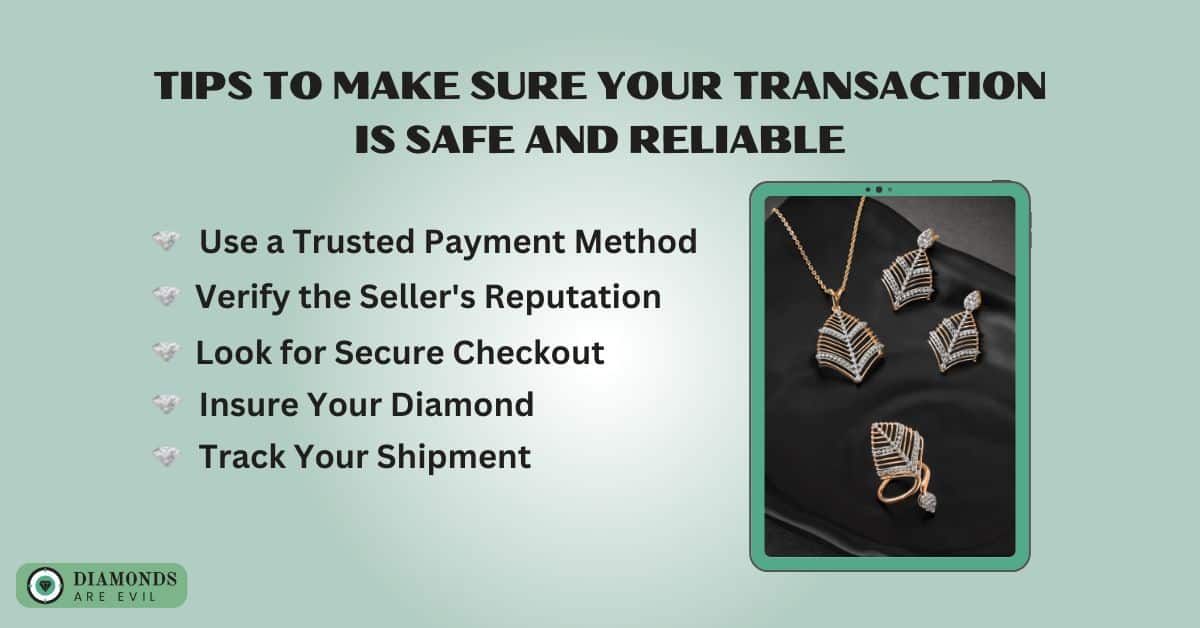
Use a Trusted Payment Method: Use a payment method that offers protection against fraud and is widely accepted, such as a credit card, PayPal, or a reputable payment service. Avoid sending cash, checks, or money orders, as these payment methods offer little protection.
Verify the Seller’s Reputation: Check the seller’s reputation by reading reviews, checking their rating with the Better Business Bureau, and looking for any red flags or warning signs. It’s also a good idea to only buy from reputable, well-established sellers with a history of successful transactions.
Look for Secure Checkout: Make sure the website has a secure checkout process that uses encryption to protect your personal and payment information. Look for a padlock symbol in the address bar or “https” in the URL, which indicates a secure connection.
Insure Your Diamond: Make sure your diamond is fully insured during shipping and delivery, so you are protected in the event of loss, damage, or theft. Many reputable sellers offer insurance for their shipments or allow you to purchase insurance through a third-party provider.
Track Your Shipment: Keep track of your shipment by checking the tracking number regularly and making sure someone is available to receive and sign for the package when it arrives. If you are not going to be home, consider having the package delivered to a secure location such as a P.O. box or a local shipping store.
In conclusion
Purchasing a diamond online can be an intimidating and overwhelming process. However, with the right research and information, you can find a beautiful and high-quality diamond at a great price.
By researching the seller, comparing prices, understanding the 4 Cs of diamonds, choosing the perfect diamond for you, and verifying secure payment and shipping options, you can make sure that you are getting the best deal possible. With a little bit of knowledge and preparation, shopping for a diamond online can be simple and hassle-free.