
How to Choose Diamonds That Sparkle the Most
When choosing a diamond, one of the most important factors to consider is its sparkle. The sparkle, also known as brilliance, fire, and scintillation, is what makes a diamond truly breathtaking. To ensure that you choose a diamond with maximum sparkle, there are several factors that you need to keep in mind, including the diamond cut, clarity, color, and carat weight.
In this blog post, we’ll explore the different factors that contribute to a diamond’s cut and help you choose diamonds that sparkle the most. Whether you’re buying a diamond engagement ring or treating yourself to a piece of diamond jewelry, this will help you make an informed decision and select the perfect diamond that will shine forever.
The Importance of Diamond Sparkle
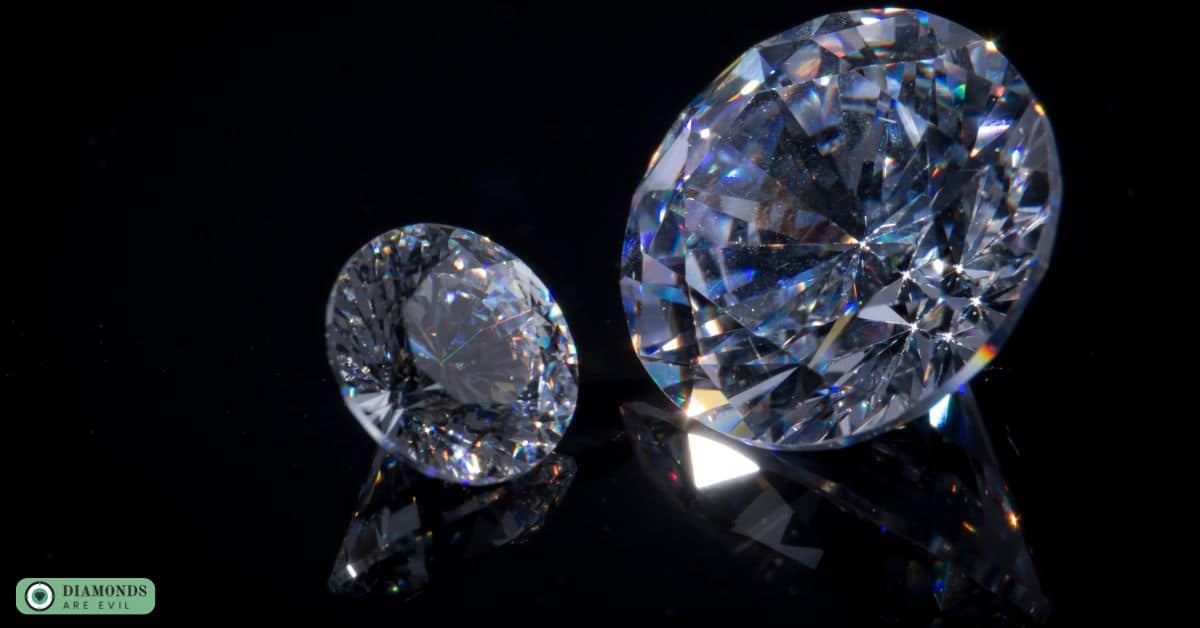
Diamonds have long been used as symbols of wealth and beauty, but their sparkle is more than just aesthetic. It’s a scientific phenomenon. Diamonds have an incredibly high refractive index.
This means that when light enters the stone, it is split into different colors. It is then reflected off the multiple facets inside the diamond. This produces a brilliant shine that is highly valued by diamond buyers and collectors.
But the sparkle of a diamond has more importance than just being visually pleasing. It can be used to determine the quality of a stone and its overall value. Gemologists use a tool called a refractometer to measure the amount of light passing through diamonds.
This can determine the diamond’s clarity and color. A higher refractive index indicates a higher quality diamond with more sparkle.
Understanding Diamond Cut
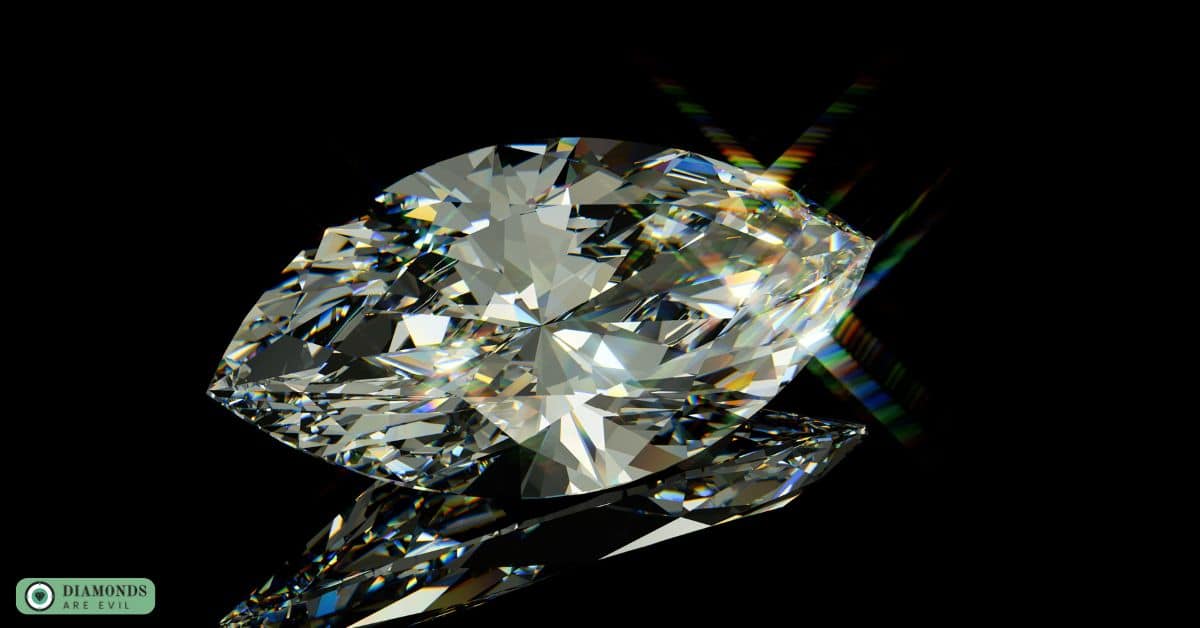
The cut of a diamond is an important factor in determining its sparkle. Cut refers to the way the various facets of a diamond have been crafted. It includes aspects such as the depth and angle of each facet, as well as their shape and size.
A well-cut diamond will be perfectly symmetrical, with all facets being equally sized and placed in perfect harmony. This is what produces the special sparkle of a diamond, with light entering the stone and bouncing off each facet to create a rainbow of colors.
Cut also has an impact on a diamond’s clarity; while a poorly cut stone may appear cloudy or dull due to its irregular shape, a well-cut diamond will be brighter and clearer. Poorly cut diamonds are seen as low-quality, so it is important to take the cut of a diamond into consideration when evaluating its sparkle.
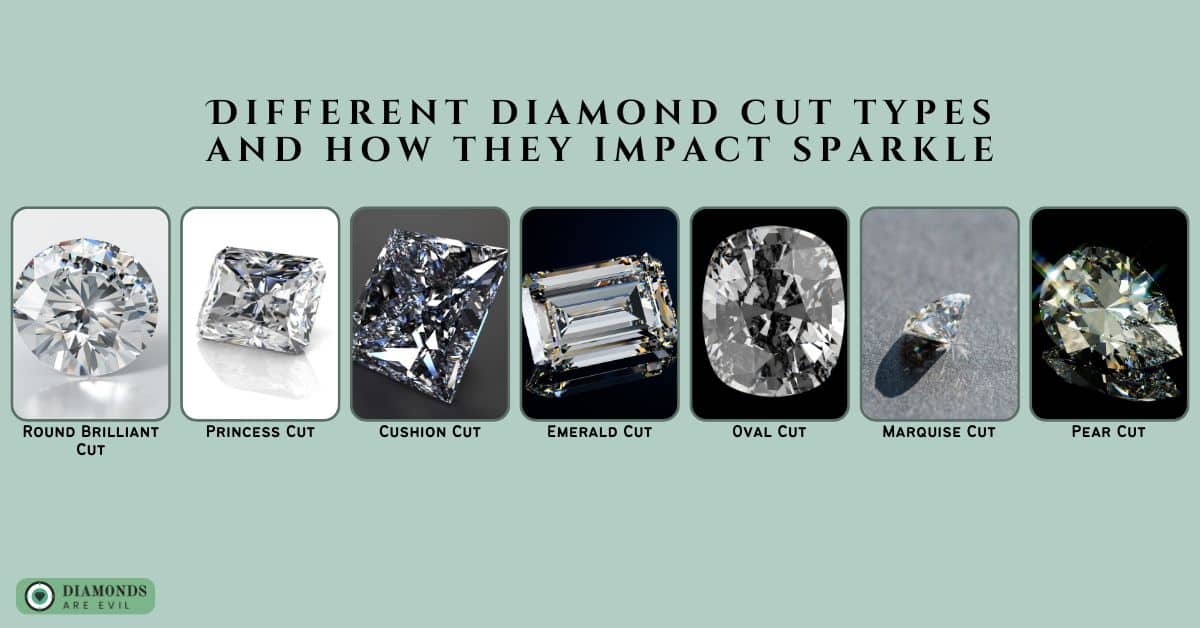
Different diamond cut types and how they impact sparkle
The diamond cut is one of the most important factors that determine a diamond’s overall beauty and sparkle. The way a diamond is cut determines how much light is reflected and dispersed, affecting its overall brilliance and scintillation.
Round Brilliant Cut
The most popular diamond cut, round brilliant cut diamonds have a total of 58 facets, including a table, crown, girdle, pavilion, and culet. The precision and symmetry of this cut allow for maximum light reflection and dispersion, making it a great option for those seeking maximum sparkle.
Princess Cut
The princess cut is a square-shaped diamond cut that has become increasingly popular in recent years. The cut’s unique design and 90-degree corners create a striking visual impact that enhances its sparkle.
Cushion Cut
The cushion cut is a classic diamond cut that features rounded corners and a square or rectangular shape. This cut type is ideal for those who want a vintage or antique look, as it has been used for over a century.
Emerald Cut
The emerald cut is a rectangular or square-shaped cut with long, narrow facets. This cut type is ideal for those who prefer a more subtle sparkle and elegant appearance.
Oval Cut
The oval cut is a popular diamond cut that elongates the diamond and creates a unique visual impact. This cut type has a similar brilliance to the round brilliant cut and is perfect for those who want a diamond that appears larger than it is.
Marquise Cut
The marquise cut is an elongated diamond shape with pointed ends. This cut type’s elongated shape creates a larger surface area for light reflection, resulting in a more prominent sparkle.
Pear Cut
The pear cut is a teardrop-shaped diamond cut that combines the round brilliant and marquise cuts’ features. The cut’s unique shape and faceting create a unique visual impact and enhance the diamond’s sparkle.
Importance of cut grade on diamond sparkle
The cut grade of a diamond is an important factor to consider when evaluating the sparkle and beauty of a stone. Cut grades range from Excellent to Poor and refer to the quality of a diamond’s facets, symmetry, and polish. A higher cut grade indicates that the stone has been expertly crafted for maximum light reflection, resulting in increased brilliance and sparkle.
When considering the purchase of a diamond, it’s important to assess its cut grade and take this into consideration when evaluating the stone’s overall beauty. A well-cut diamond will always have more sparkle than a poorly cut one, making it an essential factor in determining the quality and value of a diamond.
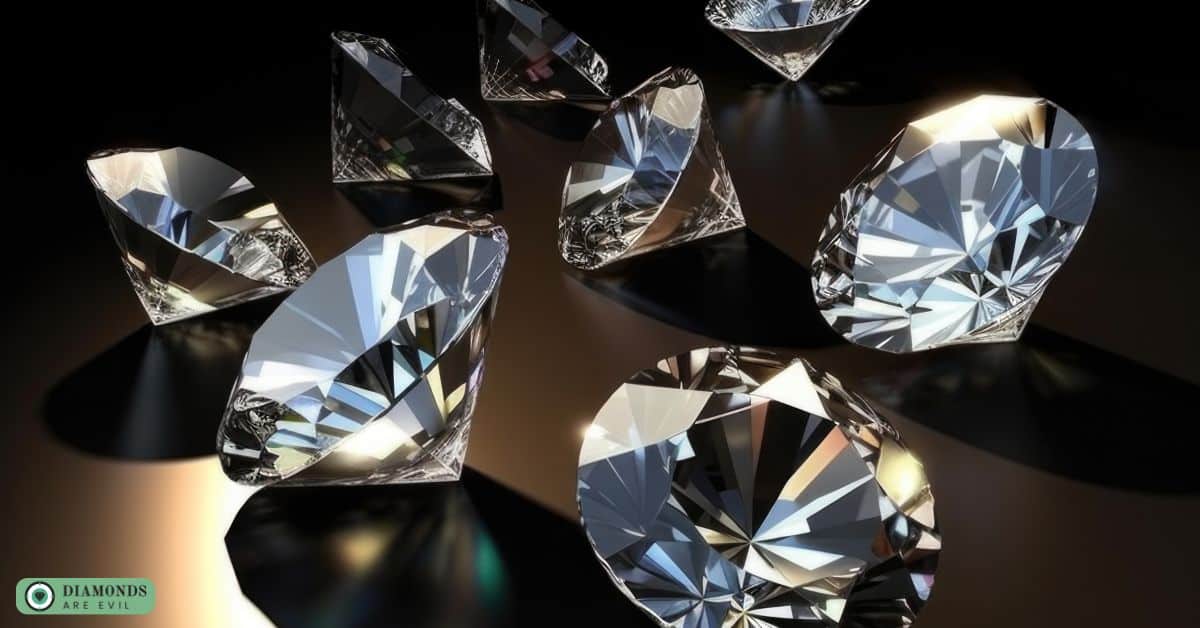
Evaluating Diamond Clarity
Another important factor to consider when evaluating a diamond’s sparkle is its clarity. Clarity refers to the amount and type of inclusions present in a diamond, such as blemishes or other flaws.
The fewer and smaller the inclusions, the higher the clarity grade. A higher clarity grade indicates that there are fewer imperfections inside the stone, resulting in increased sparkle and brilliance.
Different clarity grades and how they impact sparkle
The clarity of a diamond refers to the number and size of inclusions or blemishes within the stone. Inclusions and blemishes are formed naturally within the diamond during its formation, and they can impact the diamond’s overall sparkle and brilliance.
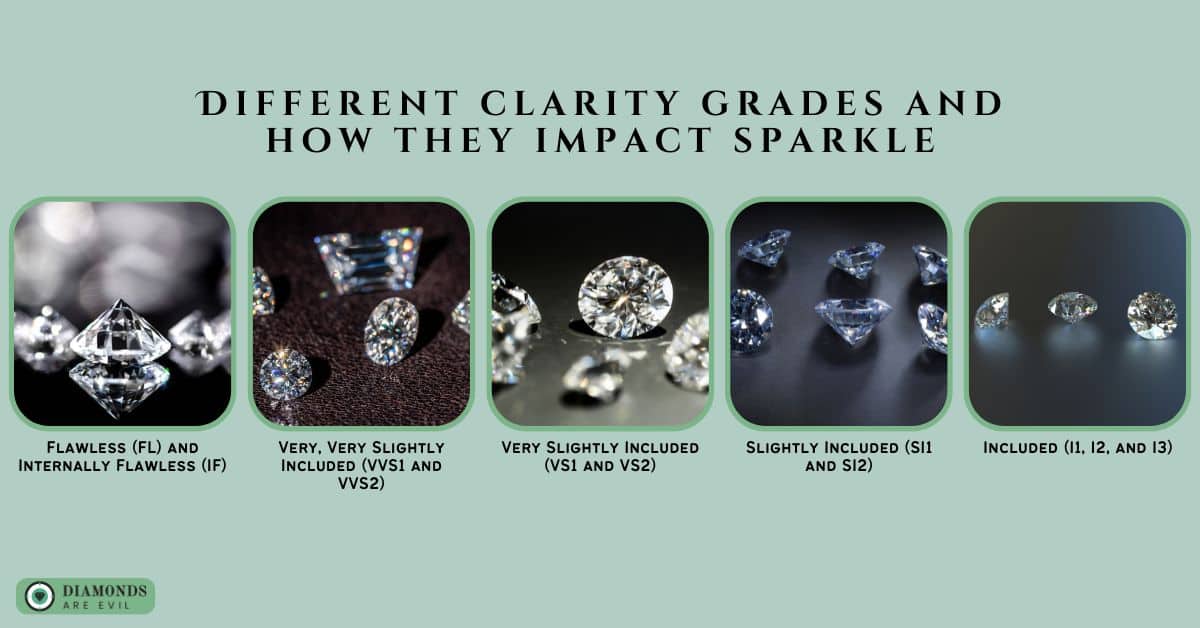
- Flawless (FL) and Internally Flawless (IF): These are the highest clarity grades and indicate that the diamond has no inclusions or blemishes visible to the naked eye. These diamonds have maximum brilliance and sparkle.
- Very, Very Slightly Included (VVS1 and VVS2): Diamonds with these clarity grades have inclusions that are barely visible under 10x magnification. These diamonds have excellent sparkle and brilliance.
- Very Slightly Included (VS1 and VS2): Diamonds with these clarity grades have minor inclusions visible under 10x magnification. These inclusions are typically not visible to the naked eye and do not significantly impact the diamond’s sparkle.
- Slightly Included (SI1 and SI2): Diamonds with these clarity grades have inclusions that are visible under 10x magnification and may be visible to the naked eye. These inclusions can impact the diamond’s sparkle, but they can often be hidden by the diamond’s setting.
- Included (I1, I2, and I3): These are the lowest clarity grades and indicate that the diamond has visible inclusions and blemishes that can significantly impact its sparkle and brilliance.
Importance of clarity grade on diamond sparkle
The clarity grade of a diamond is an important factor to consider when evaluating its sparkle and overall beauty. Diamonds with higher clarity grades, such as VVS1 or VVS2, will have fewer inclusions that can detract from their sparkle and brilliance. Lower clarity grades, on the other hand, may have visible inclusions that can impact the diamond’s sparkle and reduce its overall value.
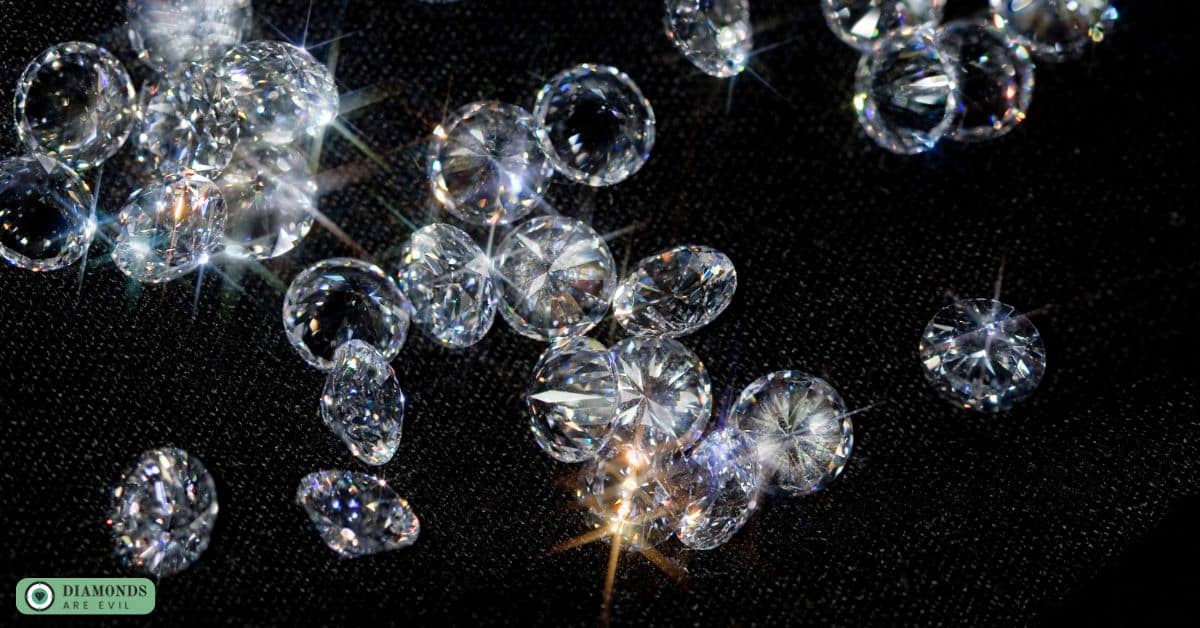
Examining Diamond Color
The color of a diamond is another important factor to consider when evaluating the sparkle and overall beauty of the stone. Diamonds come in many different colors, ranging from completely colorless to yellow or brown tints. Colorless diamonds are often more valuable than colored ones, as they allow for maximum light reflection and sparkle.
Different color grades and how they impact sparkle
The color of a diamond refers to the degree of colorlessness or yellowish tint within the stone. The color grade of a diamond can impact its overall appearance, as it affects the diamond’s ability to reflect and refract light. In this section, we’ll take a closer look at the different color grades of diamonds and how they impact sparkle.
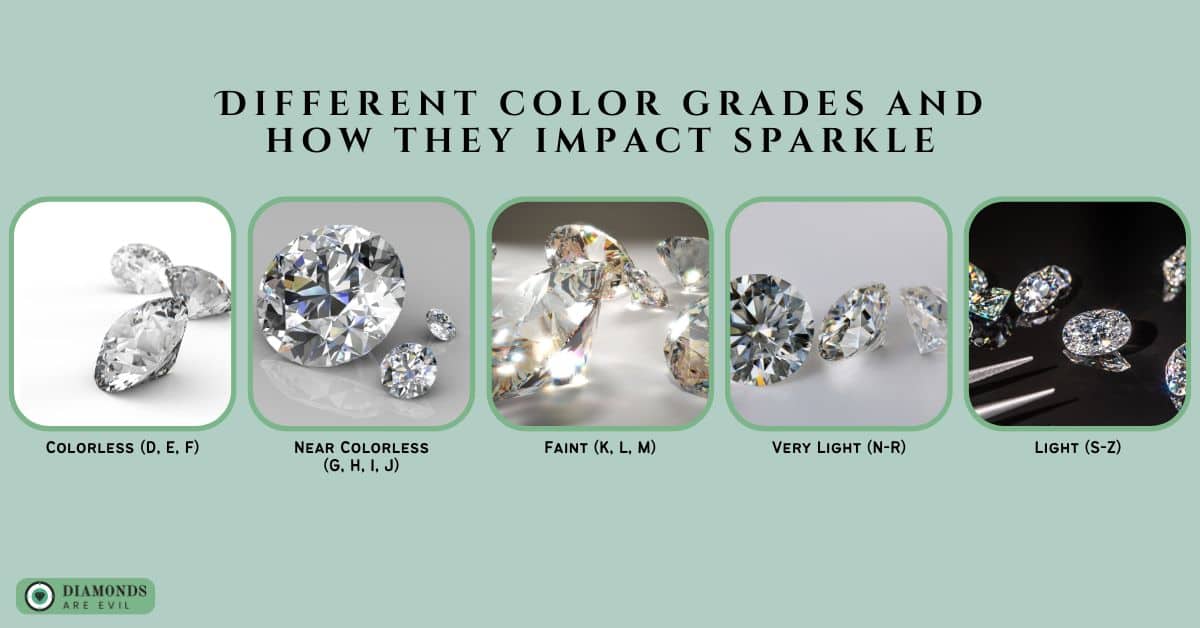
Colorless (D, E, F): These are the highest color grades and indicate that the diamond is completely colorless. Colorless diamonds allow for maximum light reflection and dispersion, resulting in a stunning sparkle.
Near Colorless (G, H, I, J): Diamonds with near colorless grades have a slight yellowish tint that is often undetectable to the naked eye. These diamonds still have a great sparkle and are a popular choice for those seeking a balance between quality and affordability.
Faint (K, L, M): Diamonds with faint color grades have a noticeable yellowish tint. While these diamonds may not have as much sparkle as higher color grades, they can still be a beautiful option for those on a budget.
Very Light (N-R): Diamonds with very light color grades have a more noticeable yellowish tint that can impact their overall appearance and sparkle.
Light (S-Z): These are the lowest color grades and indicate a significant yellowish tint within the diamond. Diamonds with these grades may have reduced sparkle and are not as popular as higher color grades.
Importance of color grade on diamond sparkle
The color grade of a diamond is an important factor to consider when evaluating its sparkle. Diamonds with higher color grades, such as D or E, will be completely colorless and allow for maximum light reflection and sparkle. Lower color grades may have a noticeable yellowish tint that can reduce the diamond’s overall brilliance and sparkle.
The sparkle of a diamond is determined by many different factors, including its cut, clarity, and color. It’s important to take these into consideration when evaluating a diamond’s overall beauty and value. With a better understanding of these factors, you can make an informed decision and find the perfect diamond for your needs.
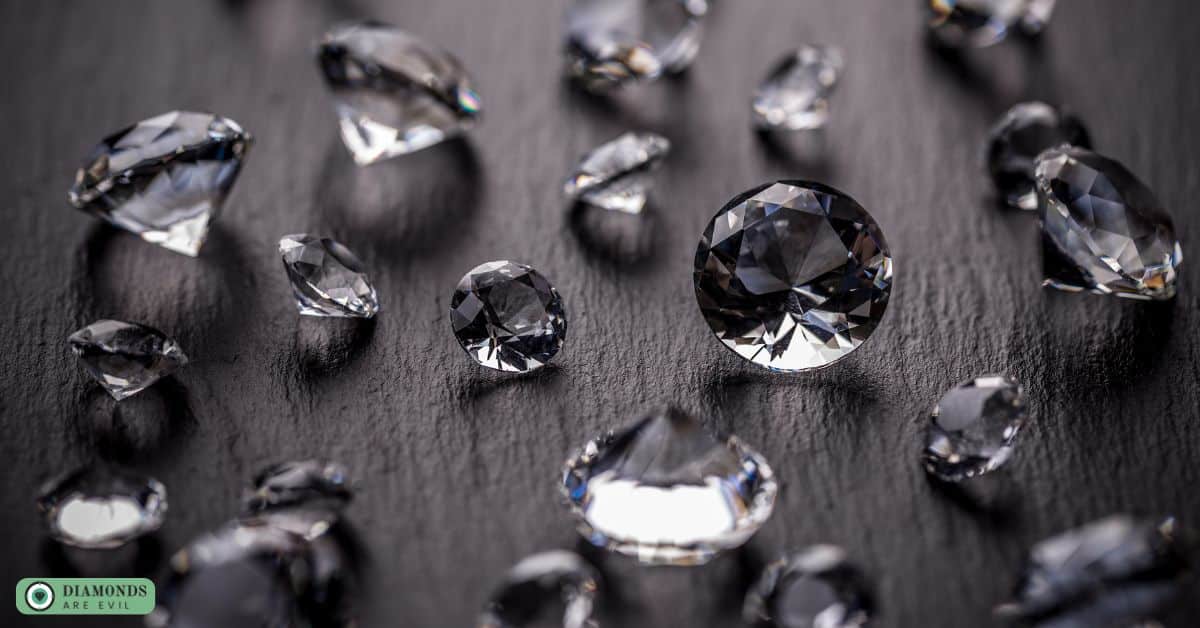
Assessing Carat Weight
The carat weight of a diamond is an important factor to consider when evaluating its sparkle. Carat weight refers to the size of the diamond, and larger diamonds typically have more sparkle than smaller ones. However, it’s also important to consider other factors such as cut and clarity when assessing a diamond’s overall beauty.
How carat weight impacts diamond sparkle
Carat weight is an important factor to consider when evaluating a diamond’s sparkle and overall beauty. Larger diamonds tend to have more sparkle than smaller ones, as they allow for more light reflection and dispersion. However, it’s also important to consider the other factors that impact sparkle, such as cut and clarity.
A larger diamond with a higher cut grade and clarity can have more sparkle than a smaller one with a lower grade in these areas. It’s important to assess all of these factors together when evaluating the overall beauty of a diamond.
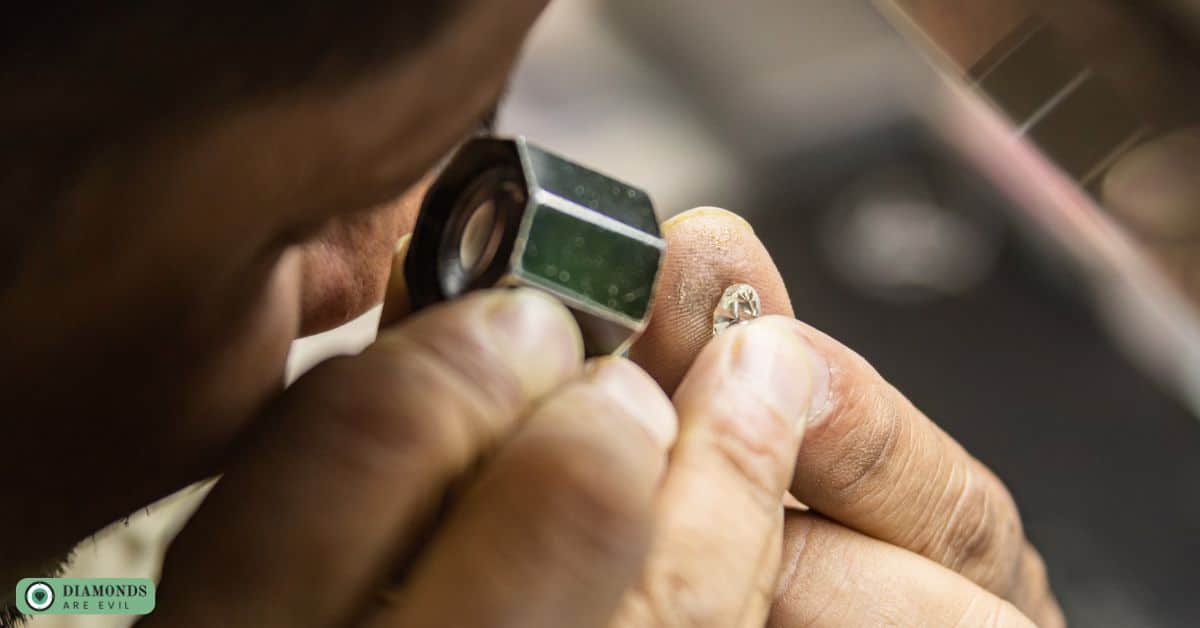
Importance of carat weight on diamond sparkle
The carat weight of a diamond is an important factor to consider when evaluating its sparkle and overall beauty. Diamonds with higher carat weights typically have more sparkle than smaller diamonds, but it’s important to consider other factors such as cut and clarity when making a decision.
A larger diamond with a higher cut grade and clarity can have more sparkle than a smaller one with a lower grade in these areas. By understanding all of the factors that impact sparkle, you can make an informed decision and find the ideal diamond for your needs.
In Conclusion
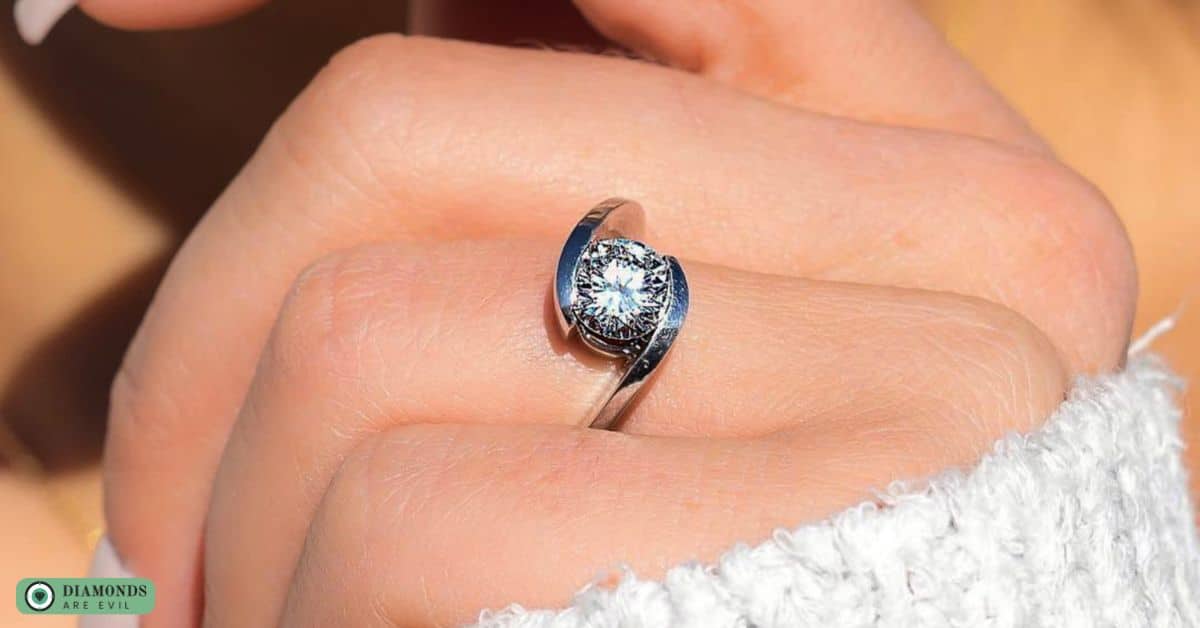
Choosing the right diamond requires careful consideration of the various factors that determine its sparkle and beauty. Cut, clarity, color, and carat weight are all important factors to consider when assessing a diamond’s overall quality. A higher cut grade and active index indicate a higher quality diamond with more sparkle, as well as being rarer and therefore more valuable.
It’s also important to consider a diamond’s clarity and color, as inclusions and yellowish tints can reduce its overall brilliance. Lastly, carat weight is an important factor to consider when assessing the sparkle of a diamond; larger diamonds tend to have more sparkle than smaller ones.