
How to Choose the Perfect Diamond Engagement Ring
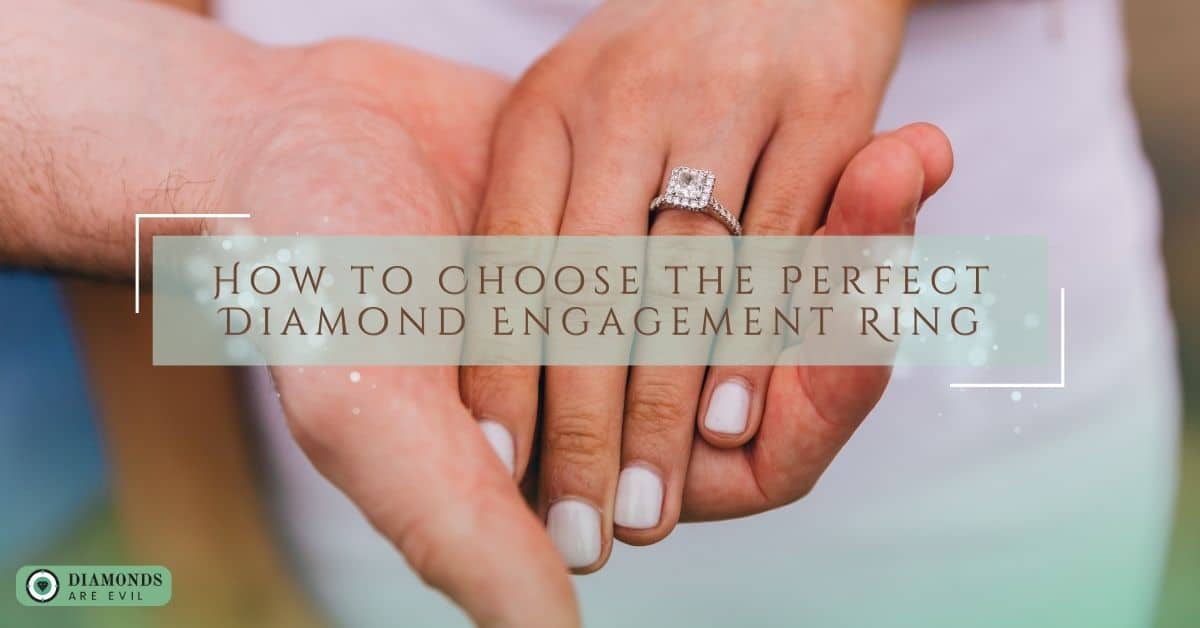
Choosing the perfect diamond engagement ring is an important milestone in a relationship. With so many decisions to make and factors to consider, it can be overwhelming for even the most experienced jewelry shoppers.
To make sure you find the perfect ring for your partner, it’s essential to understand the 4 Cs of diamond quality: Carat, Cut, Color, and Clarity. With this knowledge, you can balance these factors with your budget and preferences to find the perfect diamond for your special someone.
In this guide, we’ll provide an overview of the process for choosing an engagement ring and offer useful tips to help you make the best decision for your unique situation. With these helpful tips, you’ll be able to find the perfect diamond engagement ring that will symbolize your love and commitment for years to come.
The Importance of Choosing the Perfect Diamond Engagement Ring
Choosing the perfect diamond engagement ring is an essential step in starting a lifelong journey with your partner. An engagement ring symbolizes love, commitment, and devotion, making it one of the most significant purchases you will make in your lifetime.
A well-chosen diamond engagement ring not only reflects the personality and style of the wearer but also represents the promise of a future together. With careful consideration of factors such as the 4 Cs of diamond quality, the right diamond, and ring setting, and a realistic budget, you can create a meaningful and memorable experience for you and your loved one.
Overview of the Process of Choosing an Engagement Ring
The process of selecting the perfect ring involves several key steps:
Setting a Budget – Determine a realistic budget for the ring based on your financial situation and preferences.
Researching the 4 Cs – Learn about the 4 Cs of diamond quality (Carat, Cut, Color, Clarity) to understand what factors impact the value and appearance of a diamond.
Choosing a Diamond – Decide on the shape, size, and quality of the diamond based on personal preference and budget. It is important to also consider the type of setting that will best showcase the diamond.
Selecting a Ring Setting – Choose a setting that complements the diamond and reflects the wearer’s personal style. Consider different styles such as solitaire, halo, or three-stone settings, and different metals like gold, platinum, or rose gold.
Purchasing the Ring – Look for reputable and trustworthy jewelers, and select a certified diamond to ensure quality and authenticity.
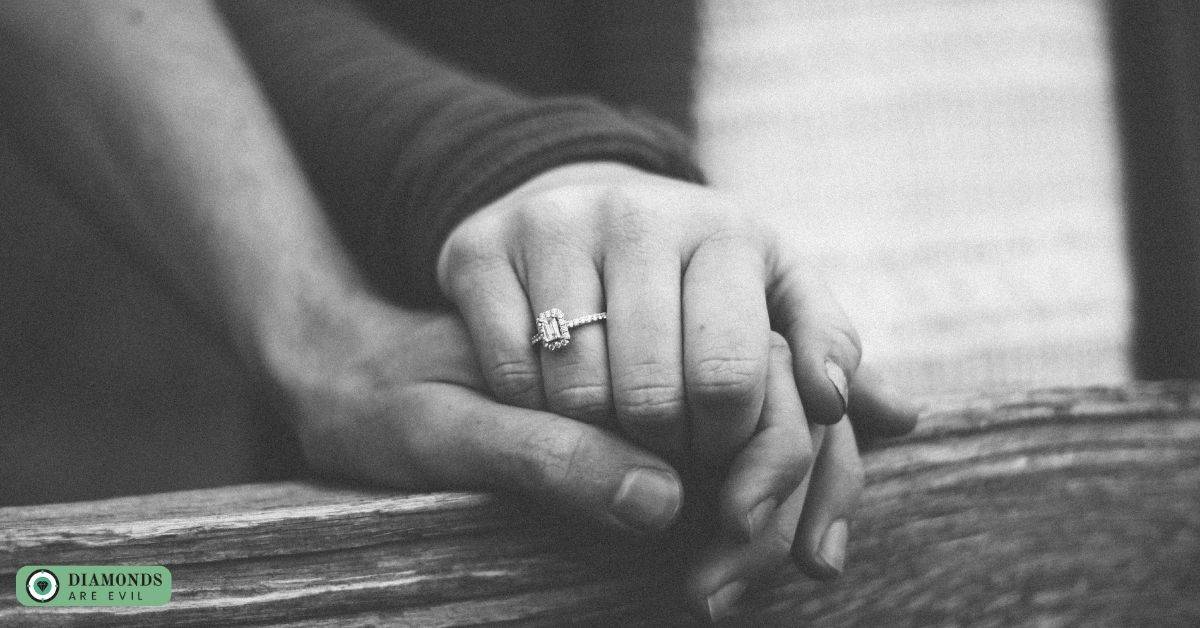
Understanding the 4 Cs of Diamond Quality
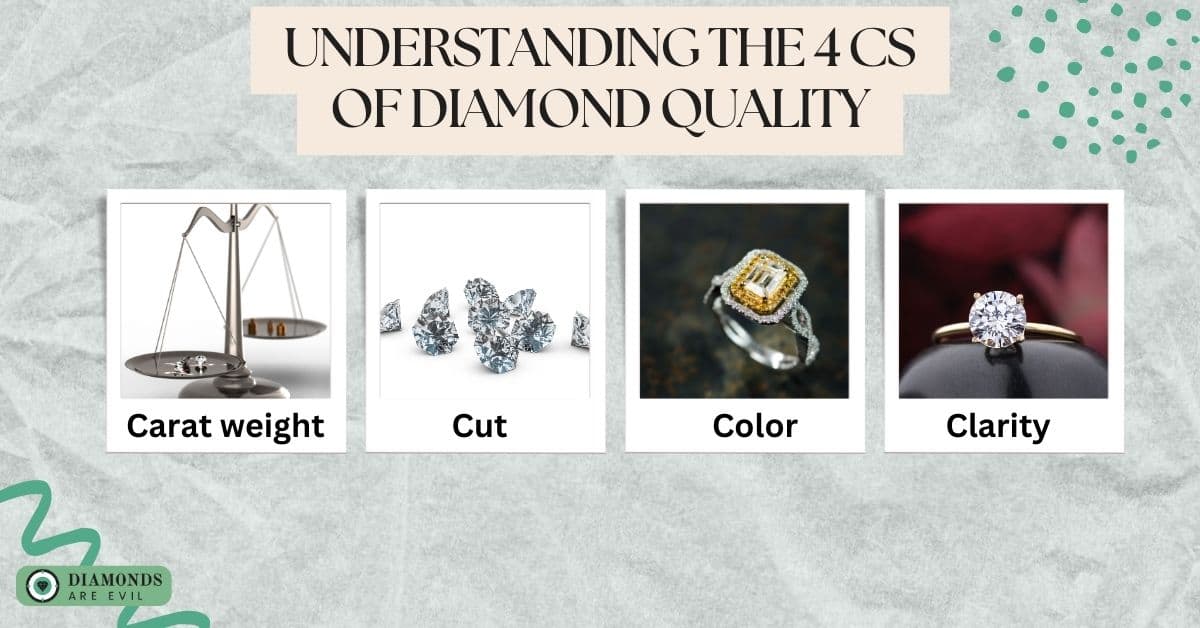
The quality and value of a diamond are determined by a combination of four factors known as the 4 Cs: Carat weight, Cut, Color, and Clarity. Understanding how the 4 Cs affect the quality of a diamond is essential when selecting the perfect diamond engagement ring.
Carat weight: This refers to the size and weight of the diamond. One carat equals 0.2 grams. Larger diamonds are rarer and more valuable than smaller ones.
Cut: This refers to the way the diamond has been cut and shaped. A diamond’s cut can greatly impact its fire, brilliance, and overall visual appeal.
Color: This refers to the presence or absence of color in the diamond. Diamonds are graded on a scale from D (colorless) to Z (light yellow or brown). The less color a diamond has, the more valuable it is.
Clarity: This refers to the presence or absence of inclusions and blemishes in the diamond. Inclusions are internal flaws, while blemishes are external flaws. Diamonds are graded on a scale from Flawless (no inclusions or blemishes visible under 10x magnification) to Included (inclusions and blemishes visible to the naked eye).
Choosing the Diamond
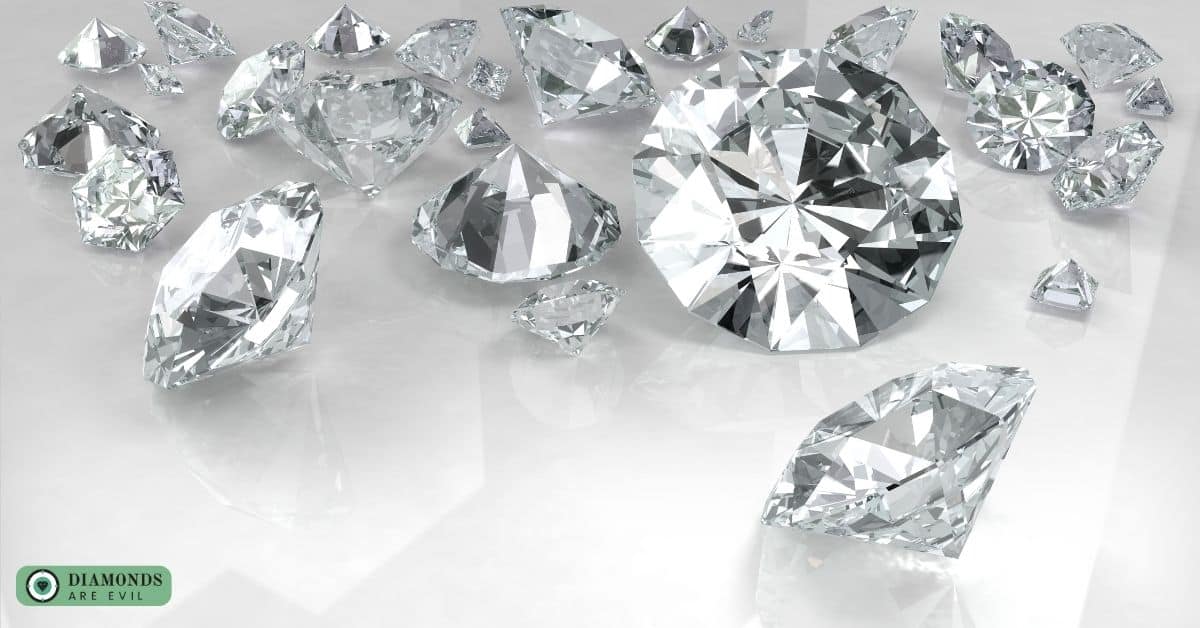
The process of selecting a diamond can be both exciting and overwhelming, as there are countless options to consider. Whether you’re searching for an engagement ring or a piece of fine jewelry, there are a few key factors that you’ll want to keep in mind.
Other Factors to Consider When Selecting a Diamond
Aside from the 4 Cs of Diamond quality, there are other factors to consider when selecting a diamond. Here is the list of other factors to consider:
Diamond Shape: The shape of a diamond is one of the most important factors to consider. The most popular diamond shapes include round, princess, oval, pear, marquise, and cushion.
Diamond Size: The size of the diamond, measured in carats, is another important factor to consider. Larger diamonds are typically more valuable and desirable, but they can also be more expensive.
Diamond Certification: A certified diamond has been graded and evaluated by a reputable gemological laboratory, such as the GIA. Certification provides assurance that the diamond has been accurately graded.
Diamond Setting: The setting of a diamond can greatly affect its appearance and security. Popular settings include prongs, bezels, and pavé.
Diamond Style: The style of the diamond, including the metal used in the setting and any additional accents, can also impact its overall look and value.
How to Assess a Diamond’s Quality in Person and Online
When shopping for a diamond, it’s important to know how to assess its quality both in person and online. Here are some tips on how to evaluate a diamond’s quality:
Assessing a Diamond’s Quality In Person
- Use a jeweler’s loupe: A jeweler’s loupe is a magnifying glass that can be used to examine a diamond’s clarity, cut, and color. Look for any inclusions or blemishes, as well as the overall symmetry and brilliance of the diamond.
- Check the diamond’s color: Compare the diamond’s color to a reference chart or against a white surface to see if it appears colorless or has any yellow or brown tint.
- Consider the diamond’s cut: Look at the diamond’s proportions, angles, and symmetry to determine if it has good light performance and a pleasing appearance.
- Examine the diamond’s carat weight: A scale can be used to measure the diamond’s weight in carats, which is an important factor in determining its value.
- Use a diamond tester: A diamond tester is a handheld device that can be used to verify the authenticity of a diamond. It can also differentiate between a real diamond and a fake or synthetic one.
Assessing a Diamond’s Quality Online
- Read the diamond’s certification report: A reputable online diamond retailer will provide a certification report from a recognized grading authority such as the GIA, which will include details about the diamond’s quality.
- Look at the diamond’s photos: Look for high-quality photos that show the diamond from various angles, including close-ups of any inclusions or blemishes.
- Consider the retailer’s reputation: Check online reviews and ratings to ensure that the retailer is reputable and trustworthy.
- Use a virtual try-on tool: Some online retailers offer virtual try-on tools that allow you to see how a diamond looks on your hand or finger.
- Compare prices: Compare the prices of similar diamonds from multiple retailers to ensure that you are getting a fair price for the quality of the diamond.
The Importance of Purchasing a Certified Diamond
When shopping for a diamond, it is crucial to ensure that it is certified by a reputable gemological laboratory. Here are some reasons why purchasing a certified diamond is important:
Quality assurance: A certified diamond has been thoroughly evaluated and graded by an independent and reputable gemological laboratory, providing assurance that the diamond is of high quality.
Accurate grading: A certified diamond has been graded according to the industry-standard criteria, including the 4 Cs: cut, clarity, color, and carat weight. This ensures that the diamond’s grade is accurate and reliable.
Authenticity: A certified diamond provides assurance that the diamond is natural and not synthetic or treated. This is important for ensuring that you are getting a genuine diamond and not a cheaper imitation.
Transparency: The certification report provides detailed information about the diamond’s characteristics, enabling you to make an informed decision when purchasing the diamond.
Higher resale value: A certified diamond typically has a higher resale value than an uncertified diamond due to its assurance of quality and authenticity.
Insurance purposes: A certified diamond is easier to insure because it provides a reliable and independent appraisal of the diamond’s quality and value.
Peace of mind: When purchasing a certified diamond, you can have peace of mind knowing that you are getting a high-quality, authentic diamond that is worth the price.
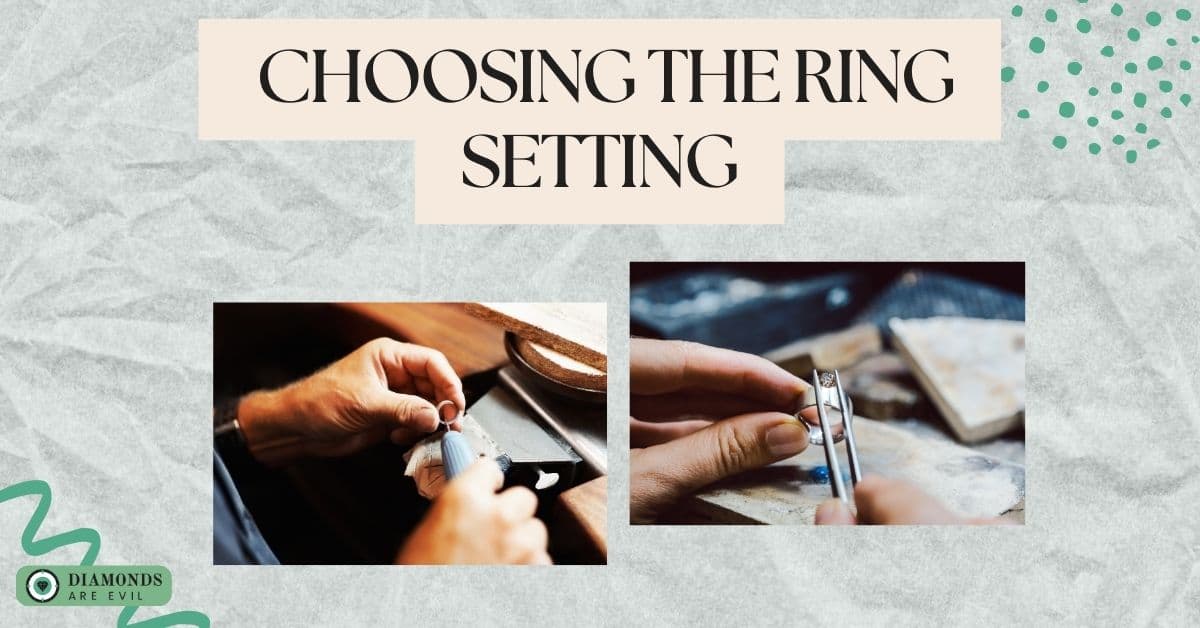
Choosing the Ring Setting
Choosing the right ring setting is an important decision when shopping for an engagement ring. Here are some factors to consider and popular metal options to explore when choosing a ring setting.
Different ring settings and styles
Solitaire: A simple and classic style, with a single diamond or gemstone held by four or six prongs.
Halo: A popular style that features a center diamond or gemstone surrounded by a “halo” of smaller diamonds or gemstones.
Three-stone: This style features a center diamond or gemstone flanked by two smaller diamonds or gemstones, representing the past, present, and future.
Pave: A style that features small diamonds or gemstones set closely together, creating a sparkling and glittering effect.
Vintage: A style that is inspired by antique or vintage designs, featuring intricate details and often a unique or unusual diamond or gemstone.
Factors to consider when choosing a ring setting
Lifestyle: Consider your lifestyle and activities when choosing a ring setting. If you lead an active lifestyle or work with your hands, a low-set or bezel-set ring may be a better option than a high-set ring with delicate prongs.
Diamond or gemstone size: The size of the center diamond or gemstone can affect the choice of ring setting. A larger diamond may look best in a simple solitaire or three-stone setting, while a smaller diamond may benefit from a halo or pave setting to create more sparkle and visual impact.
Finger size and shape: The size and shape of your finger can influence the choice of ring setting. A larger finger may look best with a wider band and a larger diamond or gemstone, while a smaller finger may benefit from a thinner band and a smaller center stone.
Popular metal options for engagement rings and their benefits:
Platinum: A popular choice for its durability and hypoallergenic properties.
White gold: A classic choice that is more affordable than platinum and has a similar appearance.
Yellow gold: A traditional choice that has a warm and classic look.
Rose gold: A trendy choice that has a unique and feminine appearance.
Working with a Budget
Planning for an engagement can be an exciting and emotional time, but it’s also essential to create a realistic budget to ensure you don’t overspend on a ring. Here are some tips on how to set a realistic budget, get the best value for your money, and explore alternatives to traditional diamond engagement rings.
Tips for Setting a Realistic Budget for an Engagement Ring
Assess your financial situation: Before setting a budget, assess your current financial situation, including your income, expenses, and any other financial obligations.
Determine what you can afford: Based on your financial situation, determine what you can realistically afford to spend on an engagement ring.
Consider financing options: If you can’t afford to pay for the ring outright, consider financing options, such as a personal loan or credit card.
Research ring prices: Research the price range for rings that fit your desired style and diamond or gemstone preferences.
How to Get the Best Value for Your Budget
Prioritize the 4Cs: When choosing a diamond, prioritize the 4Cs: cut, clarity, color, and carat weight. Opt for a diamond with a higher cut grade as it affects the diamond’s sparkle and brilliance.
Consider alternative gemstones: Sapphires and morganites are alternative gemstones that offer a lower price point but can still make a stunning engagement ring.
Choose a simpler setting: A simpler setting such as a solitaire, three-stone, or pave setting can help save money while still showcasing the diamond or gemstone.
Diamond Engagement Ring Alternatives
Lab-grown diamonds: These diamonds are more affordable and eco-friendly than traditional diamonds.
Moissanite: Moissanite has a similar appearance to a diamond but is significantly cheaper.
Vintage rings: Vintage or antique rings can offer unique designs at lower prices.
Custom-designed rings: Working with a jeweler to design a custom engagement ring can often be more affordable than buying a pre-made ring.
In conclusion
Choosing the perfect diamond engagement ring can be a daunting and overwhelming task. It’s important to do your research and understand the 4Cs of diamond quality as well as consider factors such as lifestyle, finger size and shape, and budget when selecting a ring. Purchasing a certified diamond is also important for ensuring that you are getting a high-quality and genuine diamond.
Finally, explore alternatives such as lab-grown diamonds, moissanite, vintage rings, or custom designs to get the best value for your money. With the right knowledge and research, you can find a beautiful diamond engagement ring that perfectly suits your needs and budget.