
Sizing Up the Sparkle: How to Tell if Your Jewelry is Diamond

To determine if your jewelry is diamond, start by examining it closely under good lighting. Look for the “four Cs”: carat weight, cut, color, and clarity. Diamonds should also leave scratch marks on glass, be cool to the touch, and have a rainbow sparkle. Consider getting a professional appraisal or certification for valuable pieces.
In this blog post, we’ll explore some of the ways you can tell if your jewelry is made of diamond or not, and give you some pointers on how to avoid being fooled by imposters. So, grab your jewelry box and get ready to have your diamond detecting skills put to the test!
The Allure of Diamonds
Diamonds have long been celebrated for their beauty and strength. Since ancient times, diamonds have been used to symbolize wealth and power. They remain one of the world’s most desired luxury items today. While there is no doubt that diamonds possess a certain allure, what is it about them that makes them so special?
Part of the appeal of diamonds comes from their rarity. Diamonds form as a result of intense heat and pressure, deep in the Earth’s mantle. Over billions of years, these diamonds are then pushed to the surface by volcanic eruptions. This natural process makes them extremely rare, and thus highly sought-after.

Physical Properties of Diamonds
Diamonds are renowned for their beauty and value. Beyond their sparkle, they possess a unique set of physical properties that set them apart from other gemstones. These properties, including their hardness, refractive index, dispersion, and specific gravity.
These make diamonds such a prized possession. Understanding the physical properties of diamonds can not only help you distinguish between genuine and fake diamonds. It will also deepen your appreciation of these precious stones.
Hardness
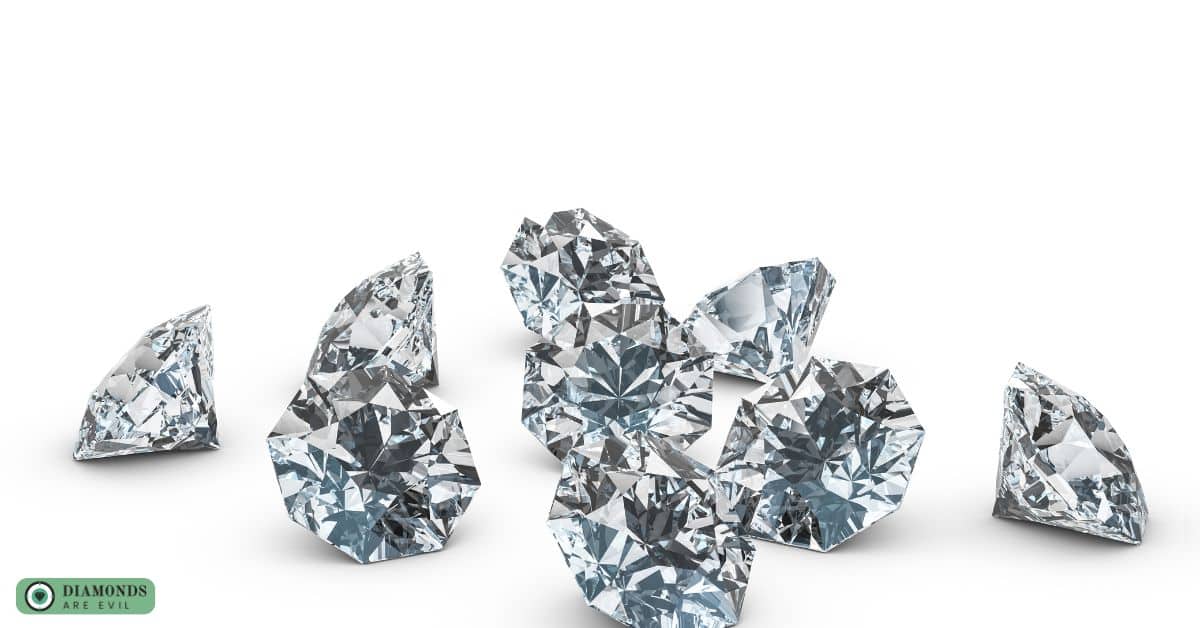
The hardness of diamonds is perhaps their most celebrated quality. On the Mohs scale, diamonds measure a 10 out of 10—the highest possible rating on the scale. This means that diamonds are the hardest naturally occurring material on Earth.
It can only be scratched by other diamonds. Because of this trait, diamonds are very durable and will last for generations with proper care. This is why diamonds are so sought after for engagement rings. They are meant to commemorate a lifetime of love and commitment.
Refractive Index
Another important physical property of diamonds is their refractive index. Refractive index is a measure of how much light passes through an object. The higher the refractive index, the more light that is reflected off the diamond’s surface.
Diamonds have one of the highest refractive indices among gemstones. This makes them particularly dazzling. This is why diamonds are so prized for their beauty. When light passes through the diamond, it is reflected in a multitude of colors.

Dispersion
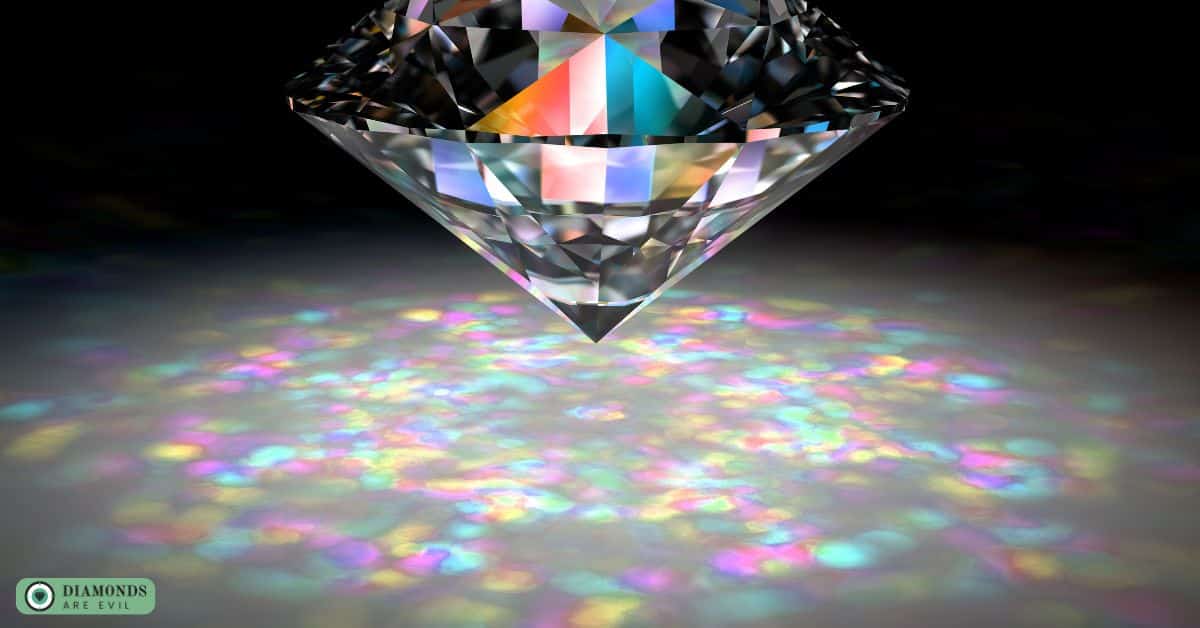
Dispersion is also a valuable physical property of diamonds. It is the amount of light that passes through an object and then separates into its different wavelengths. Diamonds have one of the highest dispersions among gemstones.
This means they can emit an array of beautiful rainbow colors when viewed from certain angles. This phenomenon further enhances the diamond’s brilliance, making it even more mesmerizing.
Specific Gravity
The final physical property of diamonds is their specific gravity. Specific gravity measures the density of a material relative to water. The higher the specific gravity, the heavier and denser the material is.
Diamonds have one of the highest specific gravities among gemstones. They are heavier than most other gemstones. This makes diamonds a great choice for jewelry, as they feel substantial and luxurious on the skin.
Testing for Authenticity
With so much value associated with diamonds, it is important to make sure that any diamond you purchase is genuine. To ensure this, there are a number of tests that can be performed to verify the authenticity of the gemstone. These tests evaluate the physical and optical properties of a diamond to determine if it is real or not. Here are some of the most common tests used to test for authenticity:
No. 1: Visual Inspection
The simplest way to test a diamond’s authenticity is with visual inspection. Experienced gemologists can usually spot fake diamonds by sight. They understand the characteristics of genuine diamonds.
During a visual inspection, they look for clarity, color, cut. Other signs that indicate whether or not the diamond is real. They may also use special tools to magnify the diamond so they can get a better look.

No. 2: Fog Test
The fog test is a popular method for determining a diamond’s authenticity. The process involves breathing on the surface of the diamond and seeing how long it takes for the fog to clear up.
If the fog clears almost immediately, then it is likely that the diamond is genuine. Fake diamonds will take longer for the fog to dissipate. This is because real diamonds have better thermal conductivity and dissipate heat quickly.
No. 3: Water Test
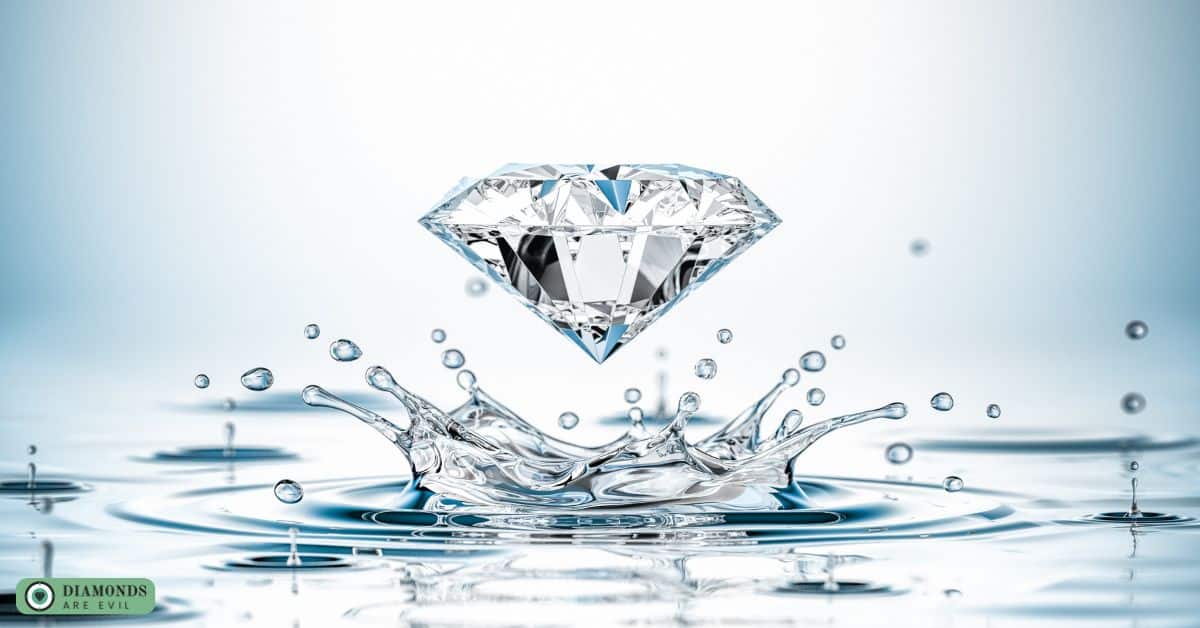
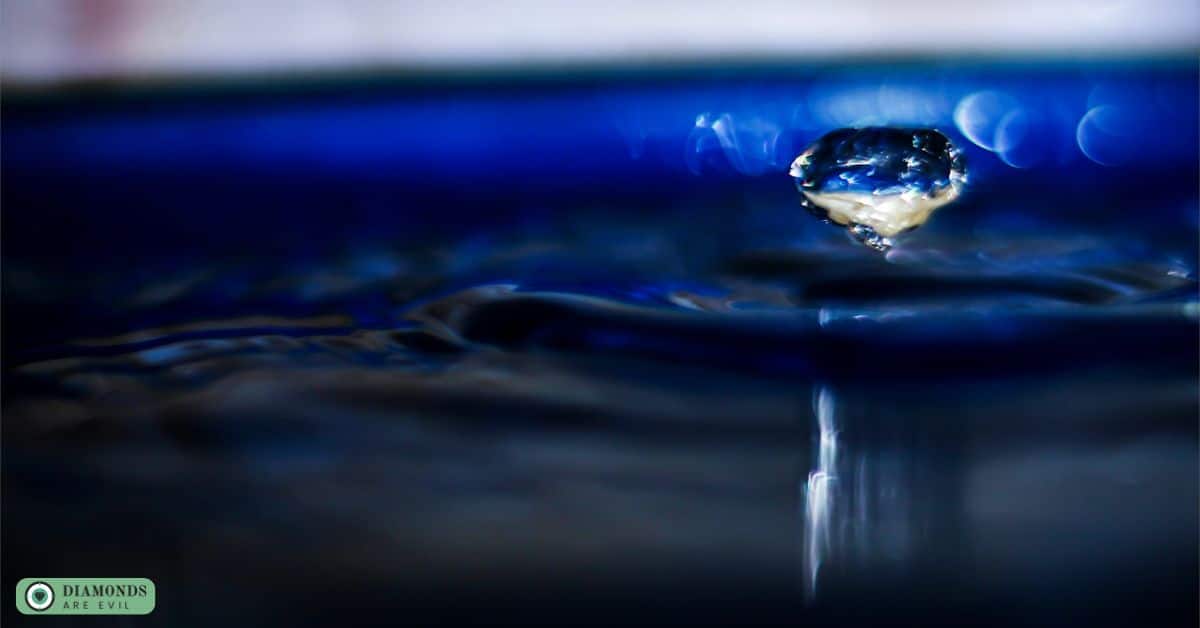
The water test is another easy way to check for a diamond’s authenticity. During this test, the diamond will be placed in a glass of water and observed for its reaction. Genuine diamonds have high specific gravity, so they should sink to the bottom of the glass quickly.
Fake diamonds will float on top of the water or take longer to sink. This is because fake diamonds are usually made from materials with a lower specific gravity than that of genuine diamonds.
No. 4: Heat Test
The heat test is one of the most reliable ways to determine a diamond’s authenticity. During this process, the diamond is exposed to very high temperatures in order to see how it reacts.
Genuine diamonds should not be affected by extreme heat, while fake diamonds will usually melt or change color. This is because genuine diamonds are much more resilient and can withstand temperatures up to 4,000 degrees Fahrenheit.
No. 5: Professional Testing
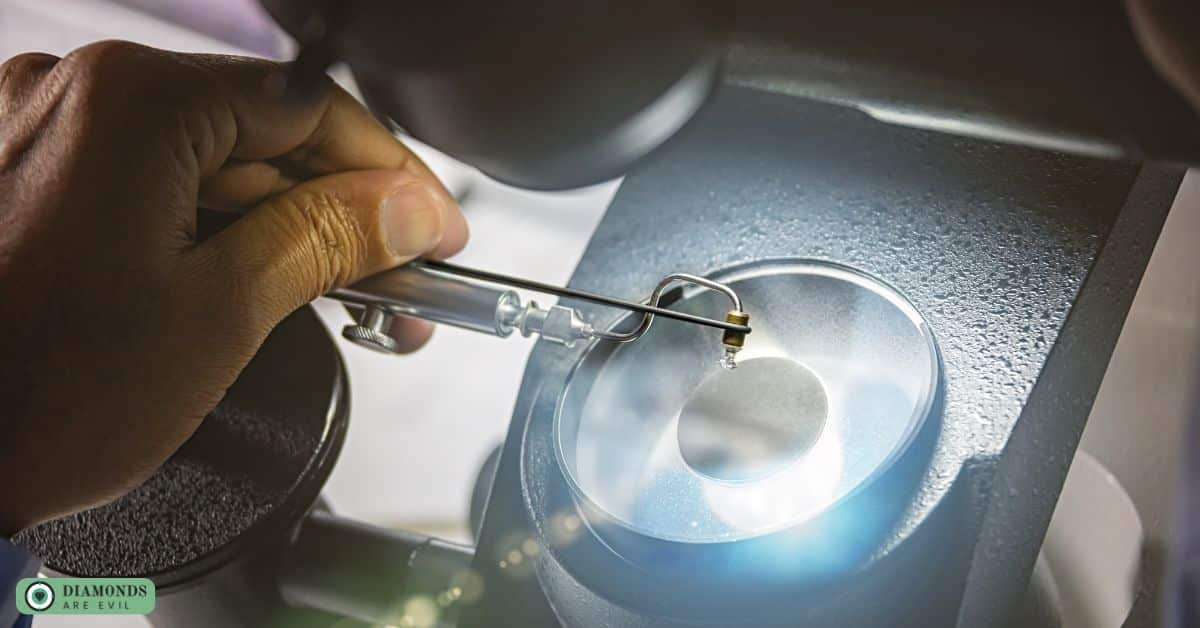
When it comes to authenticating diamonds, professional testing is the most accurate way to ensure that a diamond is genuine. Professional gemologists have the knowledge and tools necessary to evaluate a diamond’s physical and optical properties.
This includes tests such as ultraviolet light examination, refractometer readings, X-ray fluorescence, and polariscope testing. Professional gemologists also have access to advanced equipment that can be used to analyze a diamond’s structure to confirm its authenticity.
The Most Common Diamond Alternatives
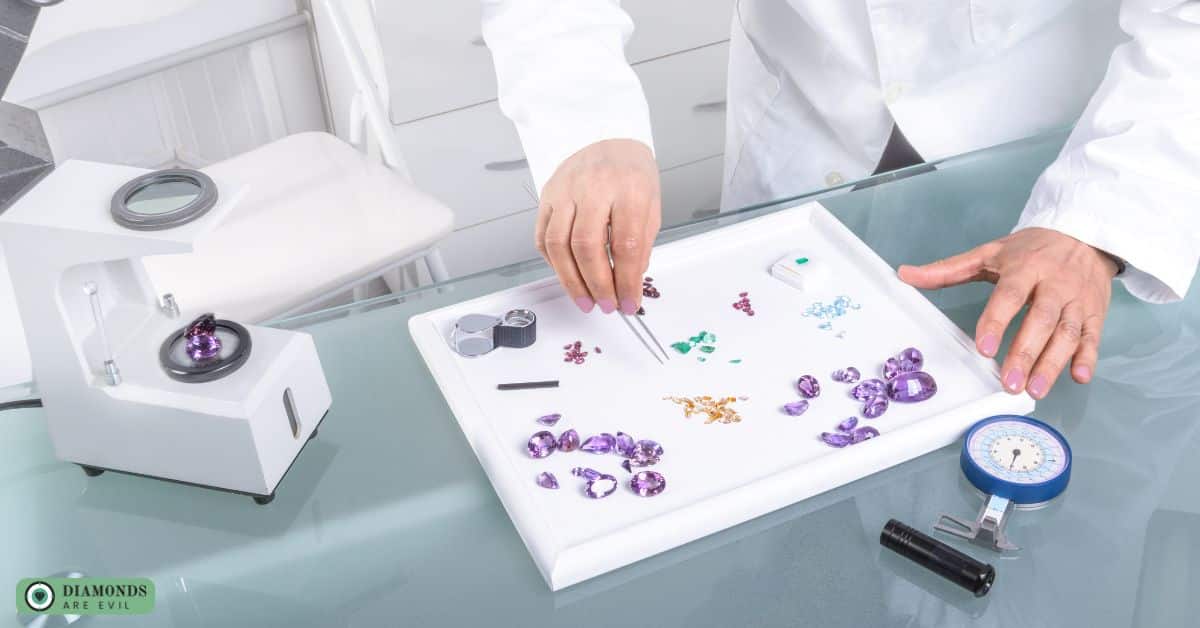
While diamonds are undeniably stunning, they may not always be the best option for everyone. Fortunately, there are plenty of alternatives to diamonds that can provide a similar look without the hefty price tag. Here are some of the most popular diamond alternatives:
Moissanite
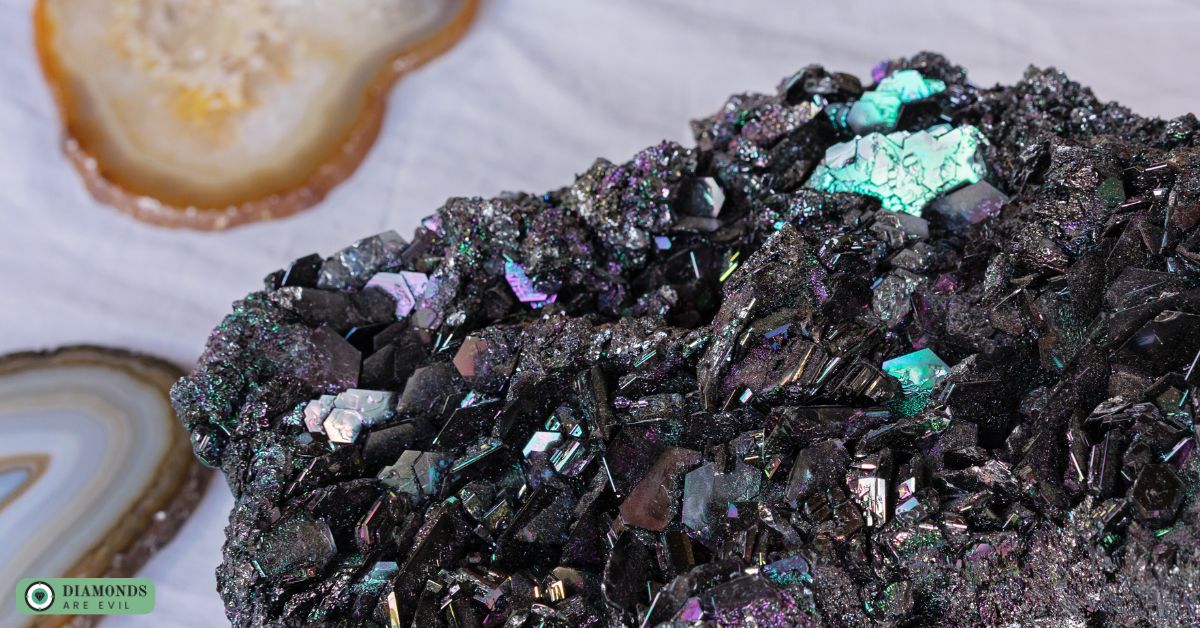
Moissanite is a lab-created gemstone that closely resembles diamonds in terms of appearance and sparkle. It is much more affordable than diamonds while still offering a similar look. It also has a higher refractive index than diamonds. This means it can reflect even more light and appear even brighter.
Cubic Zirconia (CZ)
Cubic zirconia, also known as CZ, is another popular diamond alternative. It is a lab-created synthetic gemstone that has become increasingly popular in recent years. Cubic zirconia often has a higher refractive index than diamonds, giving it an even brighter sparkle.
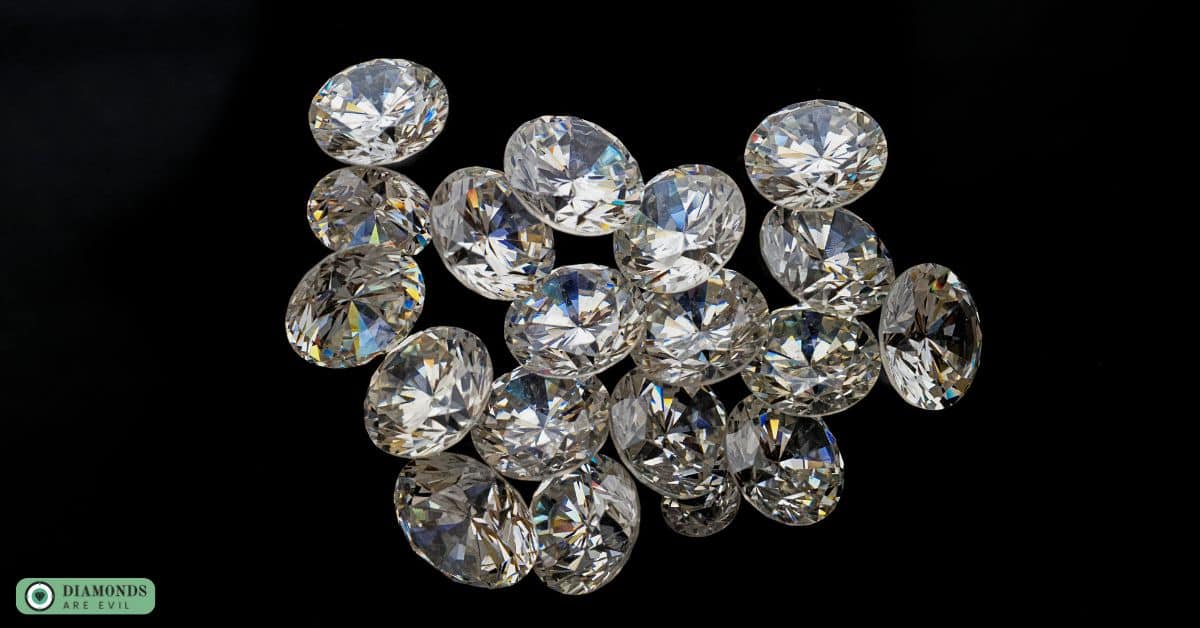
White Topaz
White topaz is a natural gemstone that has become increasingly popular in recent years. It has a similar look to diamonds, but with its own unique properties. White topaz is slightly softer than diamonds and does not have the same hardness or refractive index. However, it still offers a beautiful sparkle at an affordable price.
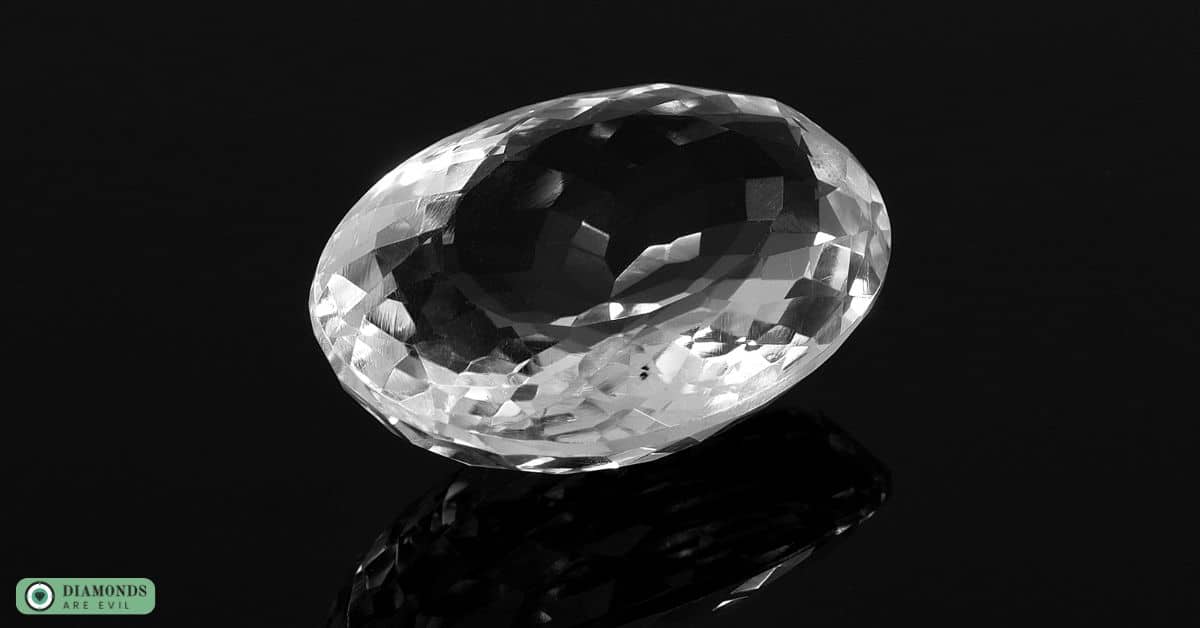
Quartz
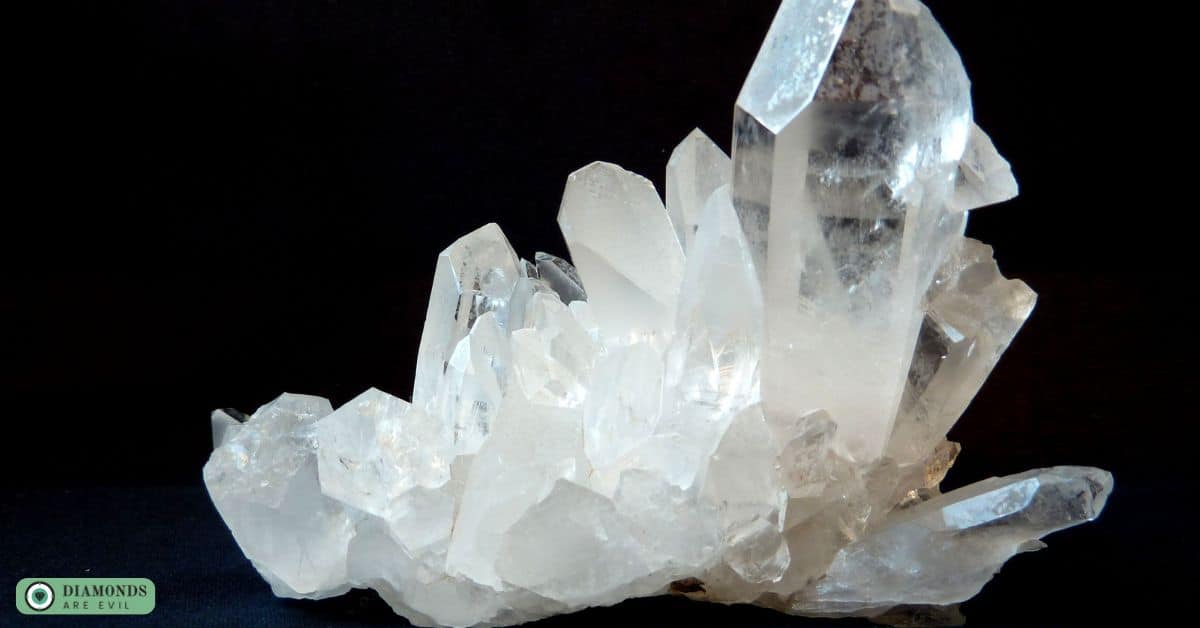
Quartz is a natural gemstone that has been used as an alternative to diamonds for centuries. It offers a unique look with its own set of physical properties. Quartz has a hardness of 7 on the Mohs scale and can range in color from clear, to smoky gray, to pink and purple.
This makes quartz an appealing option for those who are looking for something a little different. Quartz is also relatively inexpensive, making it a great choice for budget-conscious buyers.
In Conclusion
Diamonds are undoubtedly one of the most sought-after gemstones in the world. With their rarity, beauty, and unique physical properties, diamonds have been celebrated for centuries for their allure and value. Although it can be difficult to tell if a diamond is genuine or not, there are a number of tests that can determine its authenticity.
For those looking for an alternative to diamonds, there are plenty of options out there that offer a similar look without the hefty price tag. With knowledge of the physical properties and testing methods associated with diamonds, you can make sure that any diamond in your possession is genuine and truly special.