
The 4 CS of Diamond Grading: Carat, Cut, Color, and Clarity
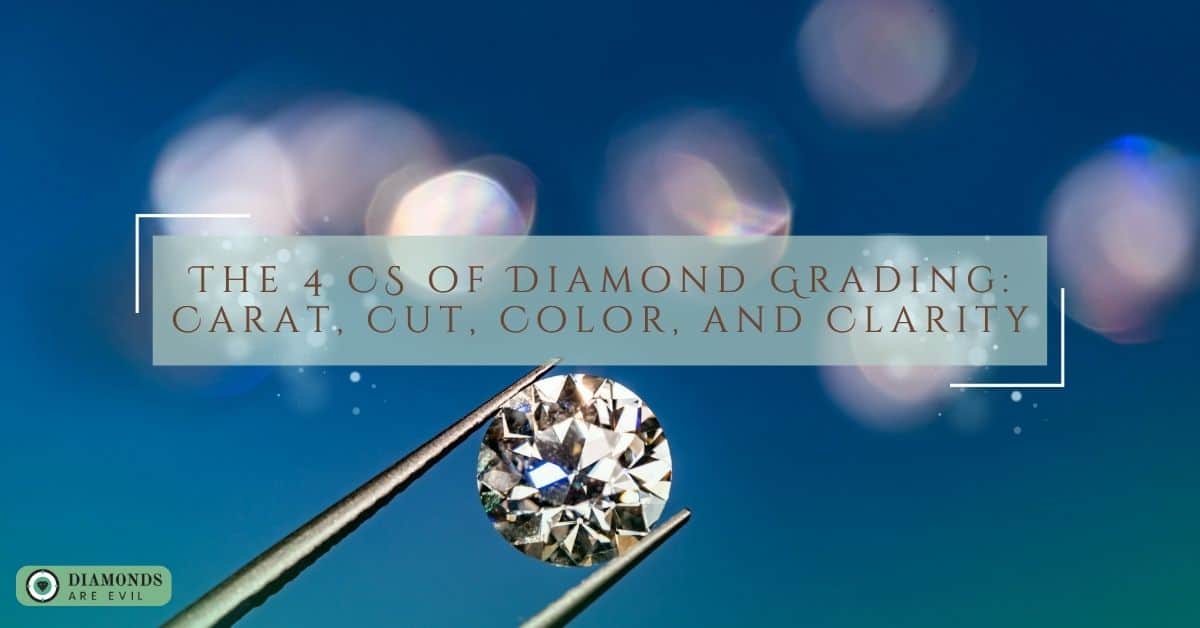
Diamonds are often seen as the epitome of elegance and luxury, making them highly sought-after items. But while diamonds are alluring and beautiful, it’s important to understand how they are graded so you can find the perfect one for your special occasion. The diamond grading system is based on four key elements Each of these factors plays a role in determining the overall quality of a diamond, so let’s take a closer look at each one.
This blog will discuss how diamonds are graded using the 4 Cs, helping you to make an informed purchase when selecting your perfect diamond. We will also provide some tips on how to differentiate between a high-quality and low-quality diamond, so keep reading!
The 4 CS of Diamond Grading: Definition and Understanding Diamond Quality
Diamonds come in a variety of shapes, sizes, and colors, making it difficult to determine qualities without prior knowledge or experience. This is why it is important to understand the four Cs of diamond grading before you make an important purchase.
The four Cs are carat weight, cut, color and clarity. These four characteristics are used to grade diamonds according to their quality. Collectively, they represent a diamond’s value, which allows buyers and sellers to assign prices accordingly. Let’s take a look at each one so you can better understand what makes up a diamond’s quality.
Carat Weight
Refers to the physical size of the diamond and is measured in metric carats. The higher the carat weight of a diamond, the more expensive it tends to be due to its rarity – larger diamonds are less common than smaller ones.
Cut
The cut is arguably one of the most important aspects when determining value since it impacts a lot of other factors such as how sparkly or brilliant a diamond looks in the light. A good cut essentially means that more light enters through the diamond, creating more fire and brilliance in its appearance.
Color Grade
Color Grade reflects how close your diamond is to being colorless on the GIA Color Scale (D-Z), with D representing perfect colorlessness and Z representing yellowish hue. In general, whiter diamonds tend to be more expensive than colored ones because they appear brighter and bigger on sight compared to lower-grade diamonds with a slight yellowish tinge.
Clarity Grade
Clarity Grade refers to natural characteristics such as blemishes or inclusions that are normally present within every diamond due to its composition. While some may be small and barely visible under 10x magnification, others may affect how much light passes through causing dulling effects on sparkle intensity – the fewer inclusions there are, the higher clarity grade your diamond will receive.
Understanding these four elements is essential before setting out on your next jewelry shopping trip – using this guide as your reference point should help you better assess any piece of jewelry before you make an informed purchase decision!
Carat Weight
The physical size of a diamond is measured in metric carats (1 carat = 0.2 grams). A higher carat weight means the diamond is larger, making it generally more expensive due to its rarity as larger diamonds are less common than smaller ones.
How is Carat Weight Measured?
The carat weight of a diamond is measured using an electronic balance with two sets of pans that resemble scales. The diamond(s) to be weighed will be placed on one pan while calibrated counterweights will be added to the other pan until equilibrium is achieved and an exact weight can be determined.
Usually, the total carat weight for diamonds that have been cut into shapes other than round (e.g., pear, marquise, oval, etc.) would need to be calculated by measuring through diameters with a device called a caliper or gauge.
Pros and Cons of a High-Carat Diamond
Most people prefer the “wow” factor of bigger diamonds but there are pros and cons you should consider before purchasing one:
| Pros | Cons |
| Larger diamonds tend to have better sparkle and brilliance due to more light entering through them when compared to smaller ones |
High-carat diamonds come at much higher prices compared to lower-carat weights
|
| Bigger stones can flaunt better color grade since any faint yellowish hue is less visible in larger stones |
Certain proportions may not look good depending on the shape – too large or too small would make the stone look unnatural
|
Cut
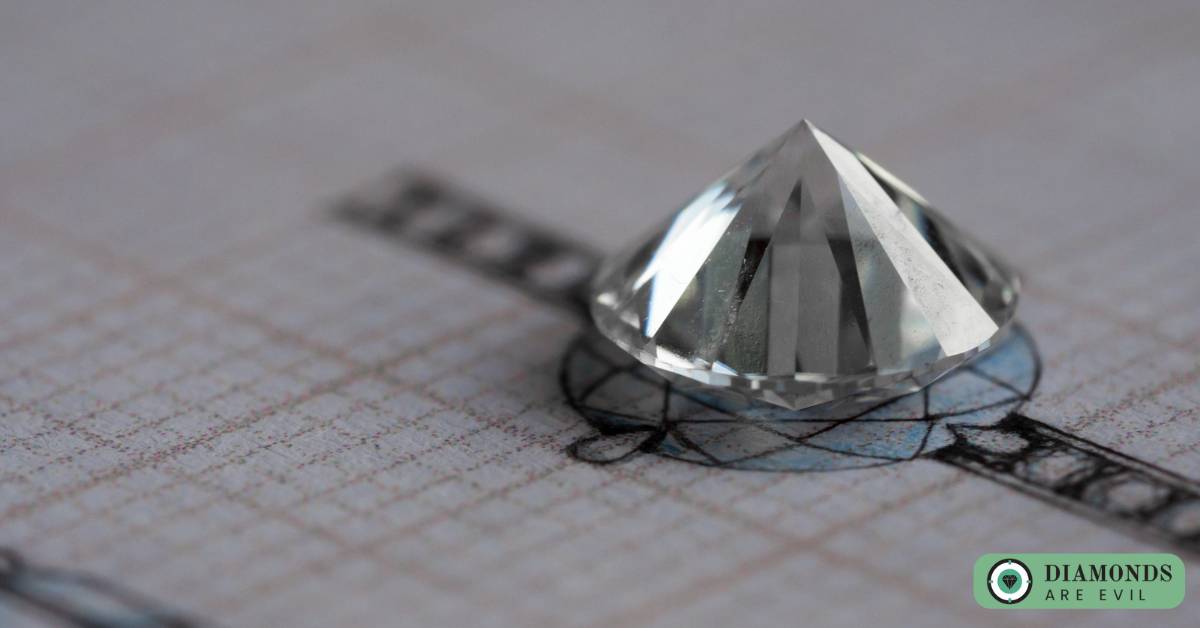
The quality of a diamond’s cut is one of the four Cs that affect its overall sparkle and brilliance. A good cut will help the diamond to be more visually appealing when light passes through it, creating the desired effect.
What Makes Up a Good Cut?
A well-cut diamond has the perfect balance of depth, table size, and angles depending on its shape. This can result in optimal light performance creating maximum fire, sparkle, and brilliance as well as giving off pleasing proportions when viewed from the top.
Understanding Depth Percentage & Table Percentage
Depth percentage refers to how deep the diamond is concerning its diameter, with a deeper stone appearing smaller than it is while a shallower stone would create an illusion of size.
Table percentage refers to how wide or narrow the table (the top flat part of a diamond) is in comparison to its overall diameter. Wider tables appear larger while narrower tables appear smaller – this affects the level of brightness and sparkle intensity seen in diamonds.
By understanding these proportions, you can make an informed decision about your purchase when considering different diamonds!
Color Grade
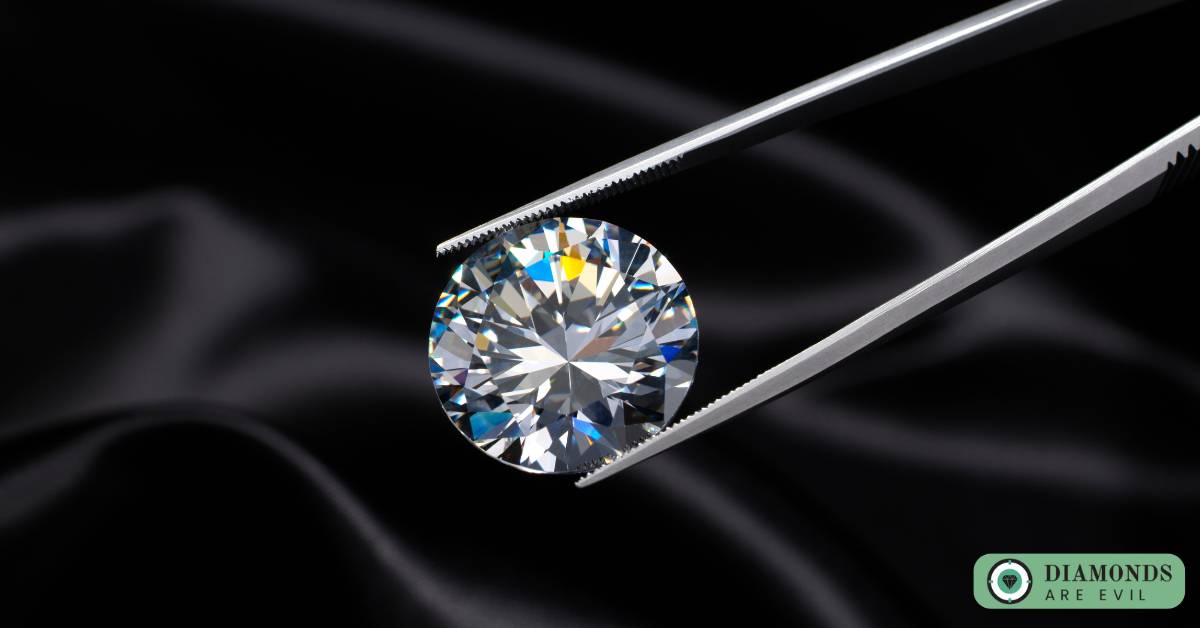
When it comes to diamonds, the color grade is one of the four Cs that can affect its value. It refers to how ‘white’ or ‘colorless’ a diamond appears when viewed from the top and is usually determined by the Gemological Institute of America (GIA).
The Gemological Institute’s Color Scale
The Gemological Institute of America (GIA) has developed the world’s most comprehensive diamond color scale. This international standard is based on a set of seven criteria for determining the color of a diamond – hue, tone, saturation, depth, strength, uniformity, and homogeneity.
At the highest end of the GIA color scale are diamonds in the D-F range. These diamonds are considered “colorless” and have no hue or tint visible to the naked eye. As you move down the scale from letters G-J they begin to look slightly yellowish to most people’s eyes.
The lower end of the GIA scale – K-Z – falls into the category of “fancy colors” which can be various shades such as yellow, brown, or even pink.
Factors That Impact A Diamond’s Color Grade
Several factors can influence a diamond’s color grade such as its cut and clarity. A diamond’s color grade is determined by the amount of yellow or brown hue in the stone, and is largely influenced by four factors:
Cut: The way a diamond has been cut can affect its potential to reflect light, which impacts the perceived hue.
Clarity: Inclusions and blemishes on a stone may cause an appearance of yellow or brown shading when not visible to the naked eye.
Fluorescence: Fluorescent lighting can make diamonds appear brighter and more bluish than they are in natural lighting, while some diamonds may have a faint yellowish or greyish tinge under fluorescent light.
Location: A diamond’s position within a jewelry piece can affect how much light it reflects, which can change its perceived color grade from other angles of viewing.
It is important to keep these factors in mind when evaluating a diamond for color grade – for accurate assessment, the stone must be examined and pulled out from any settings so that all sides of it are visible and illuminated properly.
Clarity Grade
The clarity grade is one of the four Cs that affect a diamond’s value and refers to how many blemishes or inclusions (internal or external) are present within the stone. The fewer blemishes or inclusions, the higher the clarity grade will be.
How Is a Diamond’s Clarity Determined?
Diamonds have been used in jewelry for centuries. A diamond’s clarity is one of the key components of its value. Clarity is determined by examining the diamond under 10x magnification, looking for imperfections such as blemishes or cracks.
Diamonds are broken into several categories based on their clarity, ranging from Flawless (very rare) to Included (the most common). Inclusions, or flaws, can be visible to the naked eye and range greatly in size and depth. Any blemishes evident on the surface are also taken into consideration when determining a diamond’s grade.
The most important factor in determining a diamond’s clarity grade is its size and position within the diamond. Larger flaws that can be seen easily will affect the overall grade more than smaller ones that are difficult to detect. Furthermore, a flaw located near the middle or center of the stone will appear worse than a flaw located near the periphery since it cannot be hidden from view.
Different Types Of Inclusions in Diamonds & Their Effect on Value
Diamonds are categorized according to their clarity, which is determined by the number and size of inclusions present. Inclusions can range greatly in size and depth and can be visible to the naked eye. Certain types of inclusions tend to have a greater effect on the stone’s value than others.
The most common types of inclusions:
- Feathers – Feathers are fractures that look like long thin lines in the diamond’s surface or interior.
- Crystals – Crystals are small particles that appear white under magnification
- Clouds – Clouds refer to groups of tiny crystals that give a hazy appearance to the diamond
- Pinpointing – Pinpointing is small diamond dust-like particles that appear black or grey under 10x magnification
- Graining – Graining refers to randomly appearing lines caused by irregularities during crystal growth.
- Cavities – Cavities happen when large pieces break off at some time during the formation process, resulting in a hole within the diamond structure
In general, larger diamonds with fewer inclusions will have greater value than smaller diamonds with more significant imperfections. The location of inclusion also matters – flaws located away from the center or middle of the diamond will not be as noticeable and thus less damaging to its overall value compared to flaws near the middle.
In conclusion
Understanding the 4 Cs of diamond grading is essential when selecting a diamond. Each aspect – carat weight, cut, color, and clarity – plays an important role in determining the overall quality and value of a diamond. Taking some time to understand these factors will help you make an informed decision when purchasing your next piece of jewelry.