
The Advantages and Disadvantages of Lab-Made Diamonds
Lab-grown diamonds offer affordability, ethical production, and guaranteed origin, but may be viewed as less valuable and uncertain in resale value. Choosing lab-grown or natural diamonds depends on priorities, with affordability, sustainability, and quality being prioritized for lab-grown, and tradition, rarity, and investment potential for natural diamonds.
In this blog post, we will examine the pros and cons of lab-made diamonds, so that you can make an informed decision when it comes to buying a diamond. Whether you are an engagement ring shopper or just a diamond enthusiast, read on to discover the benefits and drawbacks of purchasing a lab-made diamond.
What Are Lab-Made Diamonds
Lab-made diamonds are real diamonds that are grown in a laboratory rather than mined from the earth. They have the same physical, chemical and optical properties of natural diamonds. Lab-made diamonds are also known as synthetic, cultured or cultivated diamonds. The diamond industry has been using lab-grown diamonds since 1954 to produce diamond products for industrial use.
Lab-made diamonds are created using two methods: Chemical Vapor Deposition (CVD) and High Pressure, High Temperature (HPHT). CVD is a process where the diamond crystals are grown in an oxygen-free environment. HPHT simulates the natural conditions of diamond formation by creating intense heat and pressure to form larger crystals of lab-grown diamonds.
Advantages of Lab-Made Diamonds
Lab-made diamonds have been gaining popularity in recent years. They are more ethical and environmentally-friendly alternative to natural diamonds. In addition to their reduced impact on the environment, lab-made diamonds offer a range of advantages.
Their natural counterparts, including cost-effectiveness, consistency in quality, and availability of fancy colors. The following are advantages of Lab-Made Diamonds.
Cost
Lab-made diamonds are much less expensive than natural diamonds of the same quality. This is because they are not subject to the same cost pressures as mined diamonds. This include such as mining costs, transportation costs and labor costs. Lab-made diamonds can offer savings of up to 40% over the price of natural diamonds.

Ethical Considerations
Lab-made diamonds are often seen as a more ethical option than natural diamonds. They do not involve the environmental damage caused by traditional diamond mining, and they do not contribute to human rights violations associated with the diamond industry. Lab-made diamonds also minimize the risk of being sourced from conflict zones or financing armed rebel groups.
Environmental Considerations
The production of lab-made diamonds has a much lower carbon footprint than traditional diamond mining. In addition, they can be produced in facilities that use sustainable energy sources and reduce water usage.
The lack of large scale extraction also eliminates the risk of environmental damage from diamond mines. This makes them a more environmentally friendly choice for those looking to buy diamonds without causing harm to the environment.

Consistency and Control of Quality
The process of producing lab-made diamonds is highly regulated and closely monitored, resulting in consistent high quality. This makes it much easier to produce uniform products with little variation between items. In addition, diamond producers can easily control the size, shape and color of the stones they create.
The quality control measures used in laboratory production allow for a more accurate grading of the diamonds produced. This makes it easier to identify higher quality stones and avoid inferior products.
Availability of Fancy Colors
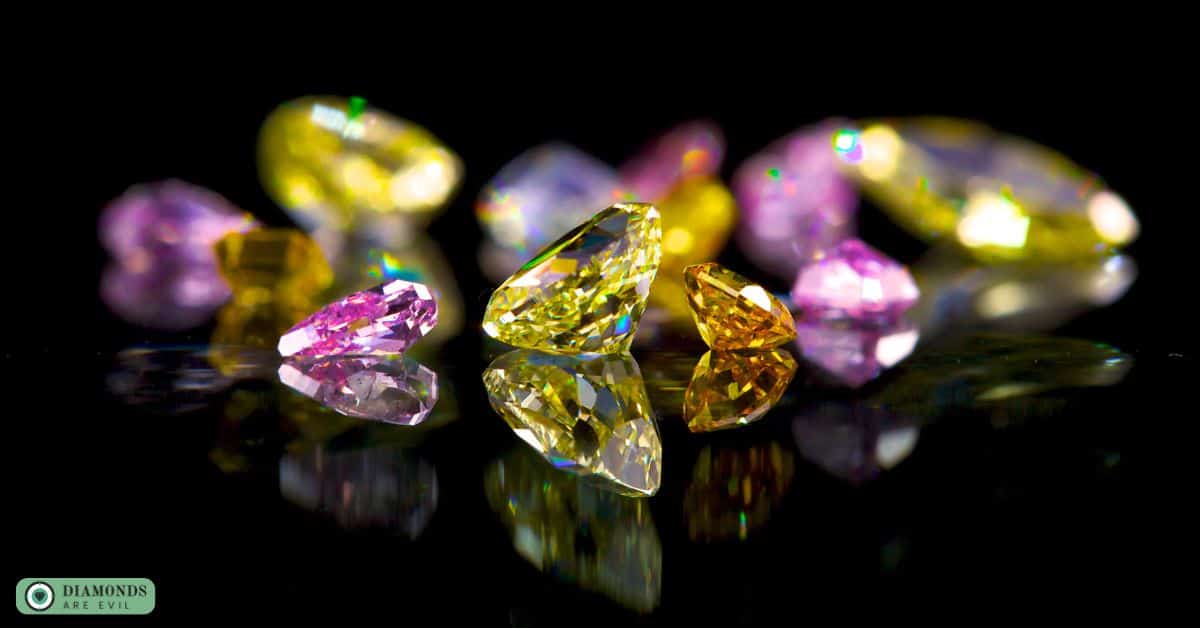
One of the greatest advantages of lab-made diamonds is their availability in a range of fancy colors, such as pink, blue and yellow. Natural diamonds are rarely found in these colors and can be extremely expensive if they do exist.
Lab-created diamonds allow anyone to purchase colored stones without the large price tag associated with naturally occurring rare colors. The availability of colored lab-made diamonds also helps to reduce the pressure on natural resources, making them a more sustainable option.
Disadvantages of Lab-Made Diamonds
While lab-made diamonds have gained popularity due to their ethical and environmental advantages, they also have some potential drawbacks to consider. These include a lack of perceived value and tradition, as well as inconsistencies in the market. Disadvantages of lab-made diamonds in detail, providing an unbiased perspective on the potential downsides of this alternative to natural diamonds.
Perception and Value
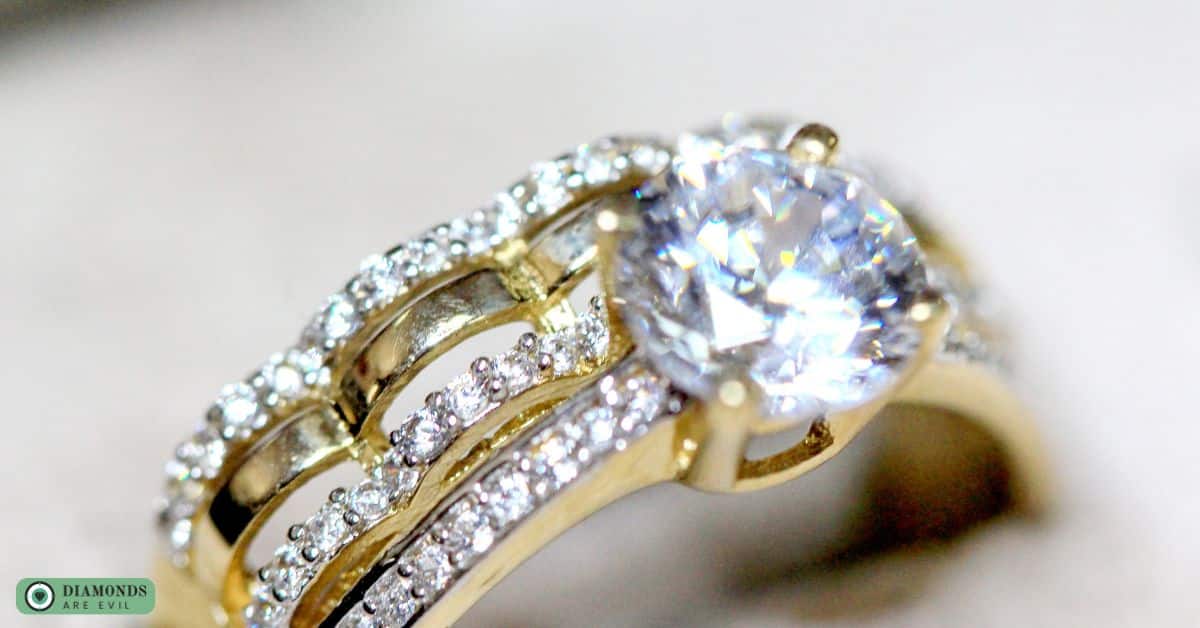
Lab-made diamonds have not been around as long as natural diamonds and thus lack the traditional value associated with them. Even though they are real diamonds, laboratory-grown stones do not have the same sentimental value or heirloom quality of a naturally mined diamond. This can be a major drawback for those looking to purchase a diamond that will maintain its value as an investment or family heirloom.
Limited Rarity
Natural diamonds have a unique and limited rarity that is not found in lab-made stones. While each diamond mined from the earth has its own natural variations, laboratory grown diamonds lack this uniqueness as they are all engineered in a controlled environment. This means that lab-made diamonds can never be truly one of a kind, nor will their value appreciate over time as much as natural diamonds.

Lack of Tradition and History
Unlike mined diamonds, lab-made diamonds are a relatively new development and do not have the same long history or tradition associated with them. This can make them less desirable to some who prefer the provenance of natural stones or those looking for a diamond that has stood the test of time.

Misleading Marketing Claims
The diamond industry is highly competitive, and as such some companies may use misleading marketing claims to promote lab-made diamonds. Some of these claims can be inaccurate or exaggerated, making it difficult for consumers to make an informed decision when choosing between natural and lab-created stones. It is important to do research into the authenticity of any claims made by a company before making a purchase.
Inconsistency in the Market
The market for lab-made diamonds is still relatively immature, and as such there can be inconsistencies in the quality of stones produced. Different producers have different processes and methods for creating their stones, which can lead to disparities in the grade and quality of diamonds on offer. It is important to research a company before making a purchase to ensure that you are getting a high quality diamond that meets your expectations.
Comparison to Natural Diamonds
The comparison between natural and lab-made diamonds is a topic of interest for many consumers considering purchasing a diamond. While lab-made diamonds offer some advantages over natural diamonds, such as cost-effectiveness and ethical considerations, there are also differences that should be taken into account.
Similarities
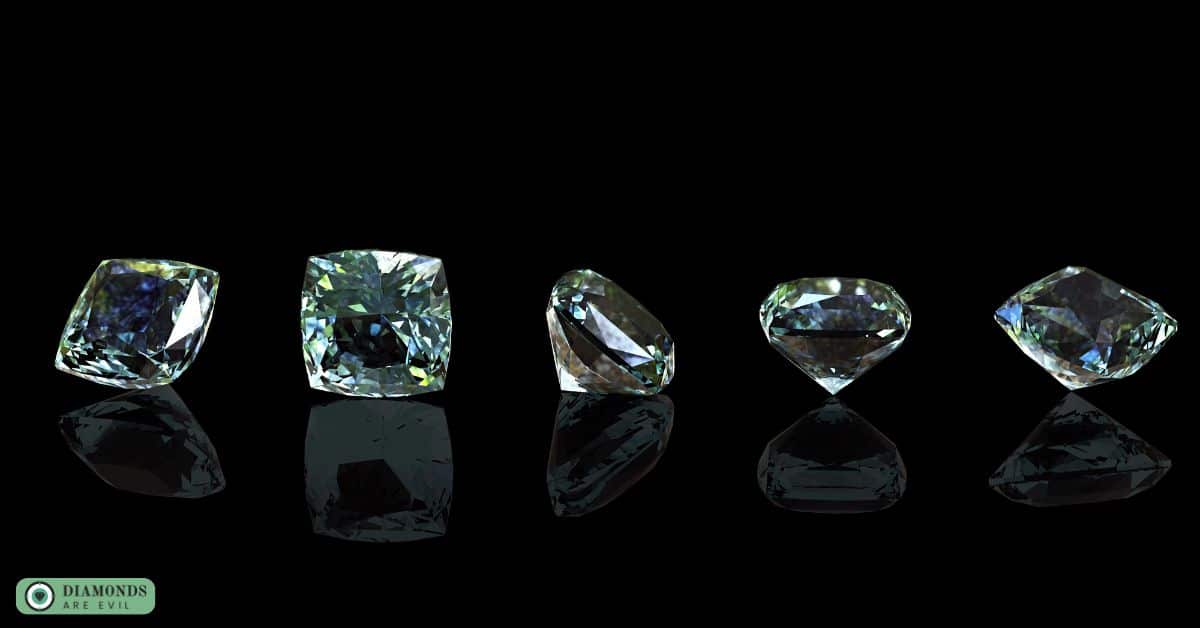
Both natural and lab-made diamonds have the same physical, chemical and optical properties. They are both made of carbon atoms arranged in a cubic lattice structure, and they can both be cut and polished to create stunning gemstones. Both types of diamonds are graded according to the same 4 C’s (carat weight, color, clarity and cut).
Differences
The key difference between natural and lab-created diamonds lies in the origin. Natural diamonds are formed deep within the earth over millions of years, while lab-made diamonds are created from scratch in a laboratory environment.
This means that natural diamonds have an inherent rarity, while lab-produced stones can differ slightly in their color and clarity from batch to batch. Natural diamonds also have a greater potential for appreciation in value over time, while lab-made stones tend to remain at their initial purchase price.
Cost
One of the most significant advantages of lab-made diamonds over natural diamonds is their cost-effectiveness. Lab-made diamonds are typically priced lower than natural diamonds of similar quality, making them an attractive option for those on a budget. In this table, we will compare the cost of natural diamonds to lab-made diamonds of similar quality, providing an overview of the potential cost savings associated with lab-made diamonds.
| Quality | Natural Diamond Price
(per carat) |
Lab-Made Diamond Price
(per carat) |
|---|---|---|
| VVS1, D | $10,000 | $6,000 |
| VS1, H | $6,000 | $4,000 |
| SI1, I | $3,000 | $2,000 |
Note: Prices are estimates and may vary based on market factors and individual sellers.
By comparing the cost of natural diamonds to lab-made diamonds, consumers can make a more informed decision when considering their diamond purchase. It’s important to note that while lab-made diamonds may be cheaper than natural diamonds, they may not hold their value as well over time.

In Conclusion
Lab-made diamonds offer a range of advantages over natural diamonds, including cost-effectiveness, ethical considerations, environmental friendliness and consistency in quality.
They are also available in a range of fancy colors that are not normally found in naturally occurring diamonds. However, lab-made diamonds lack traditional value and rarity, and the market for them is still immature and can be subject to misleading marketing claims.
Ultimately, the decision between natural and lab-made diamonds comes down to personal preference, budget and lifestyle considerations. Regardless of which type you choose, it is important to do your research and ensure that you are getting a quality diamond at a fair price.
With their lower cost, ethical sourcing and environmental benefits, lab-made diamonds are becoming an increasingly popular choice for those looking to purchase a timeless gemstone.