
The Battle of the Bands: Which Diamond Setting is Right for You?
When it comes to diamonds, choosing the right setting is critical. Not only does it affect the look of your jewelry, but also its durability and cost. With so many types of diamond settings on the market, these factors can make all the difference in finding the one that’s perfect for you.
From prongs to bezels to halos, here’s a comprehensive guide to the most popular types of diamond settings and which pieces of jewelry they work best with.
With this helpful guide, you can decide which one is right for your next sparkling piece.
What Is a Diamond Setting?
A diamond setting is a way in which a diamond is placed or secured onto a piece of jewelry. There are several different types of diamond settings, including prong, bezel, channel, pavé, and tension settings. The type of setting used can affect the overall look and durability of the piece, as well as the security of the diamond.
Diamond settings can be made from a variety of metals, including gold, platinum, and silver, and can be customized to suit a variety of personal styles and diamond shapes. Choosing the right diamond setting is an important part of designing a beautiful and functional piece of jewelry.
Factors to Consider When Choosing the Right Diamond Setting
When it comes to choosing the right diamond setting, there are several factors that should be taken into consideration. These include:
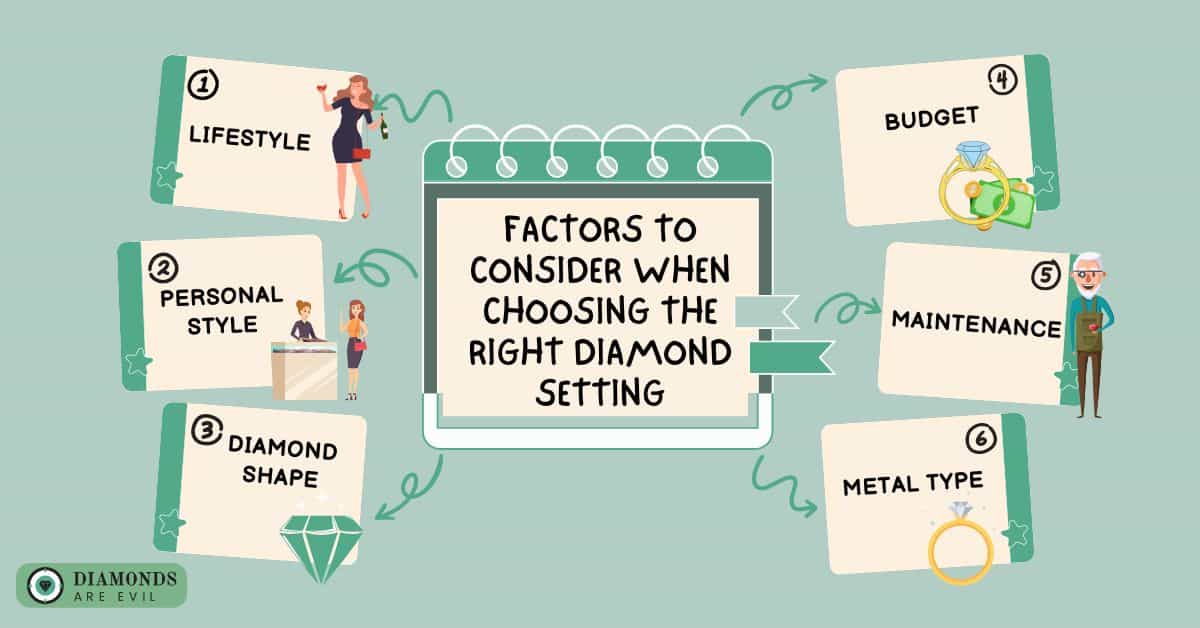
Lifestyle: Consider your lifestyle and daily activities when choosing a diamond setting.
Personal style: Different settings can give off different vibes, from classic and timeless to modern and trendy.
Diamond shape: The shape of your diamond will also play a role in choosing the right setting.
Budget: The cost of the diamond setting is another important factor to consider.
Maintenance: Consider the maintenance required for different types of diamond settings.
Metal type: Platinum and gold are popular choices for diamond settings, each offering its own unique benefits and drawbacks.
Types of Diamond Settings
When it comes to choosing the right diamond setting for your piece of jewelry, there are several options available. From prongs to bezels and halo settings, each option provides a different look and level of security for your diamond. Here’s an overview of the most popular types of diamond settings:
Prong Setting
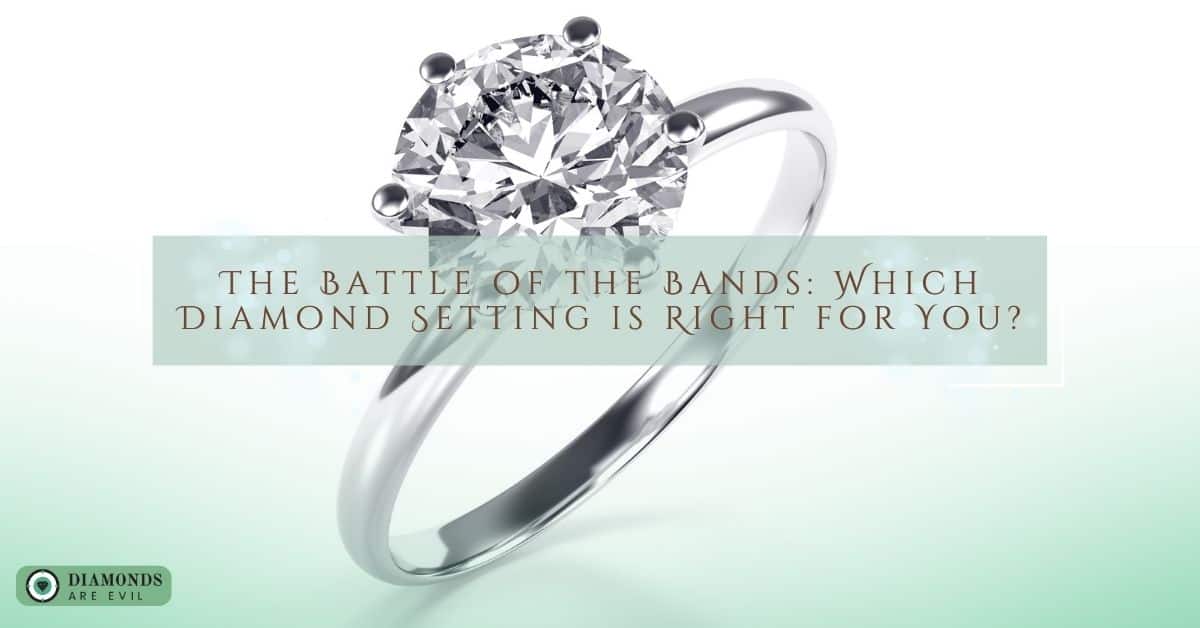
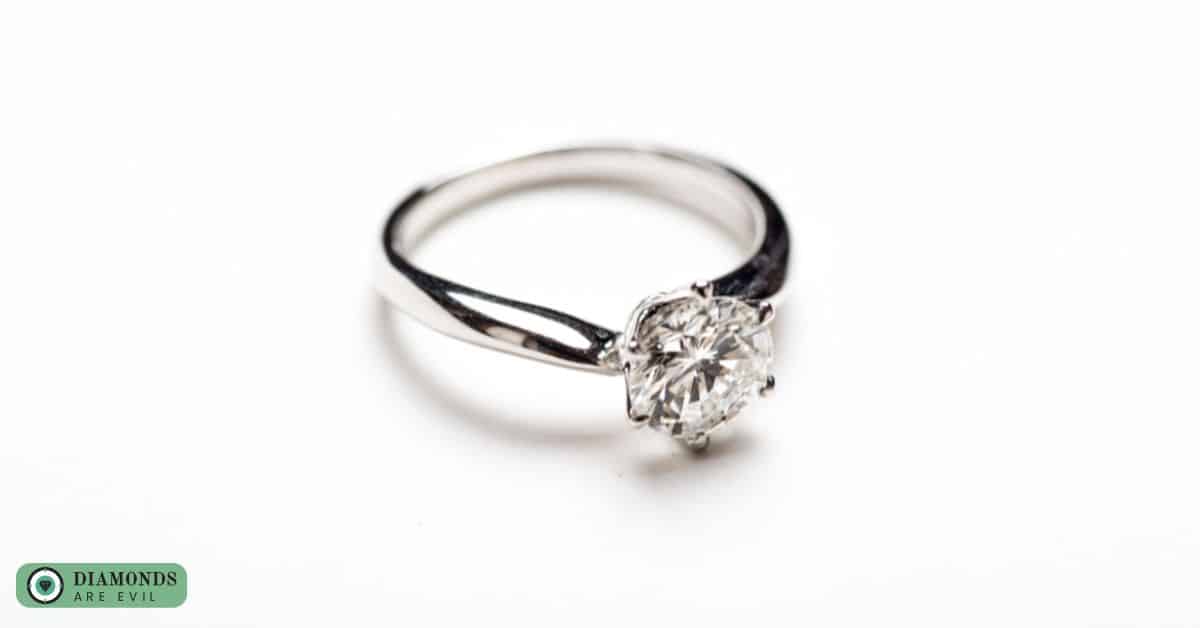
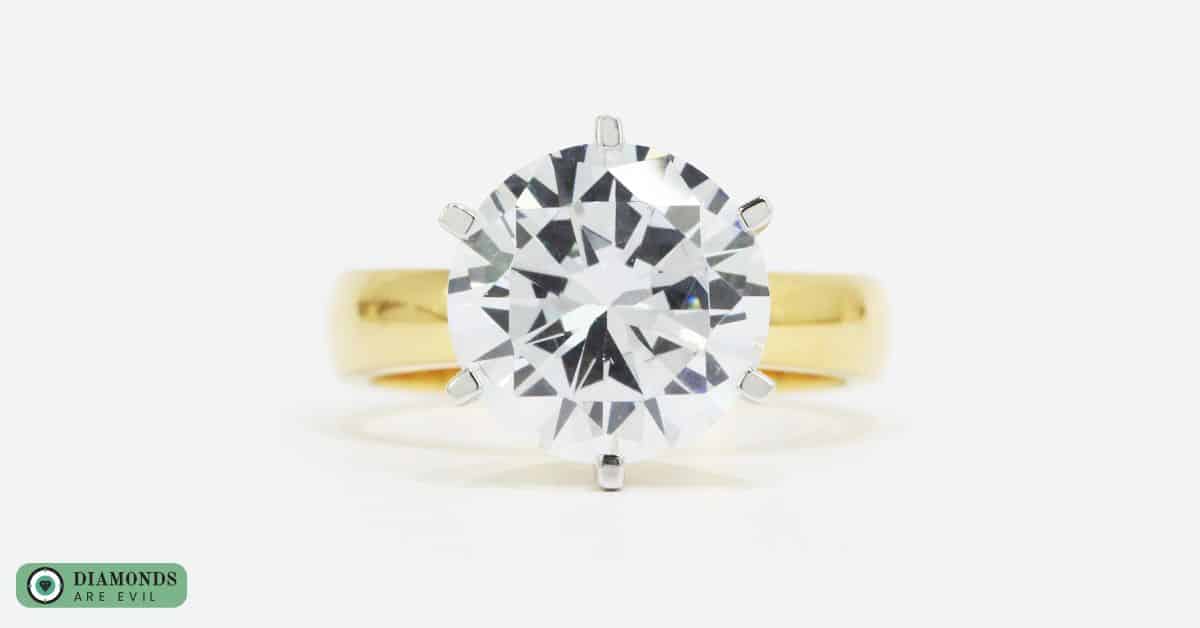
A prong setting, also known as a claw setting, is a type of gemstone setting commonly used in jewelry making. This setting involves small metal prongs that hold the gemstone securely in place. The prongs are usually made of platinum, gold, or silver and can be rounded, pointed, or flat.
The prongs are bent over the gemstone to secure it in place, leaving most of the stone exposed to light, which enhances its brilliance. Prong settings are commonly used for diamonds and other precious stones and are popular for engagement rings and other fine jewelry pieces. They offer a secure hold on the stone while allowing for maximum light to pass through it.
Bezel Setting
A bezel setting is a type of gemstone setting that surrounds the stone with a thin metal rim or collar. This rim can be made of various metals such as gold, platinum, or silver. The rim extends slightly above the gemstone and is shaped to fit the contours of the stone.
Bezel settings offer excellent protection to the gemstone from damage and are popular in jewelry that is designed for everyday wear. They are also used in watches to protect the glass face. Bezel settings can be customized to suit any shape and size of the stone and can be made with a variety of finishes such as polished, matte, or textured.
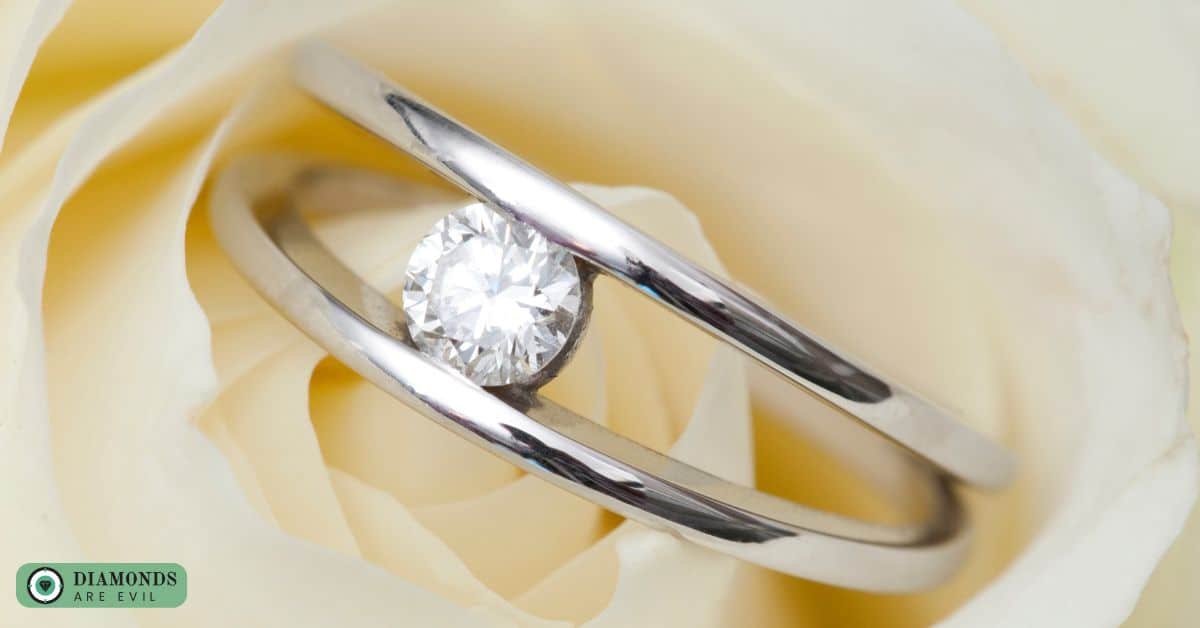
Channel Setting
Channel setting is a type of gemstone setting where a row of stones is set between two metal channels. The channels are created by cutting grooves in the metal surface, and the stones are then set into these grooves. The stones sit next to each other without any metal separating them, creating a continuous line of gems.
This setting is commonly used for wedding bands and eternity rings as it provides a secure hold on the stones while still allowing for a sleek and elegant design. Channel settings are also popular for bracelets and necklaces, offering a secure setting for precious stones while creating a seamless and sophisticated look.
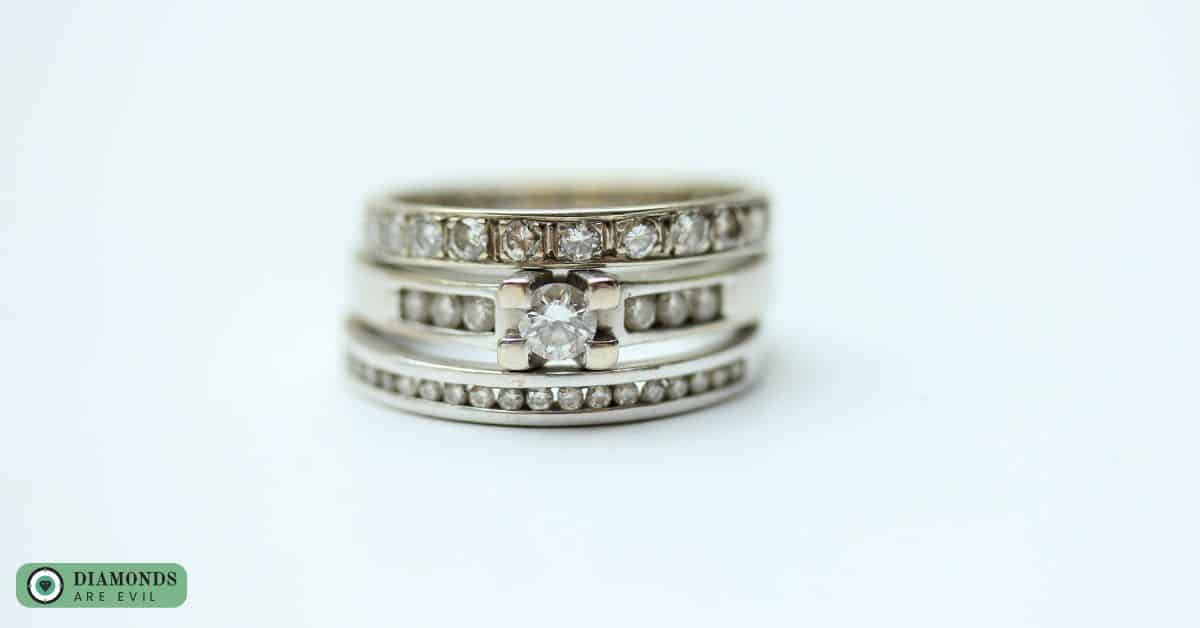
Bar Setting
A bar setting is a type of gemstone setting commonly used in jewelry making. This setting involves small metal bars that hold the gemstone securely in place. The bars are usually made of platinum, gold, or silver and are set perpendicular to the band or shank of the jewelry piece.
The gemstones are set between the bars, which are then bent over the stones to secure them in place. Bar settings are commonly used for smaller diamonds and other precious stones and are popular for wedding bands and other fine jewelry pieces. They offer a secure hold on the stone while allowing for maximum light to pass through it.
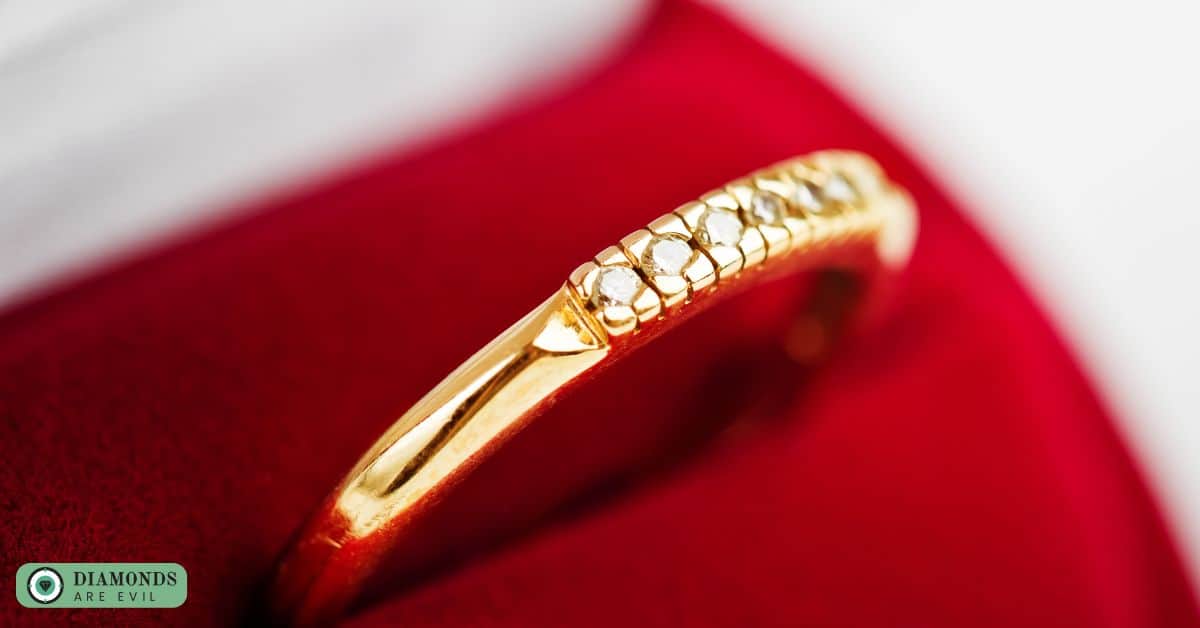
Pavé Setting
Pavé setting is a type of gemstone setting where multiple small stones are set closely together, covering the surface of the jewelry piece like pavement. The stones are set into small holes in the metal surface and held in place by small metal prongs or beads. This setting is popular for creating a continuous line of sparkle and is commonly used for engagement rings, wedding bands, and other fine jewelry pieces.
Pavé settings require precise workmanship and attention to detail to ensure the stones are set securely and evenly, creating a beautiful and cohesive design. They offer a luxurious and sophisticated look and can be customized to suit any style or preference.
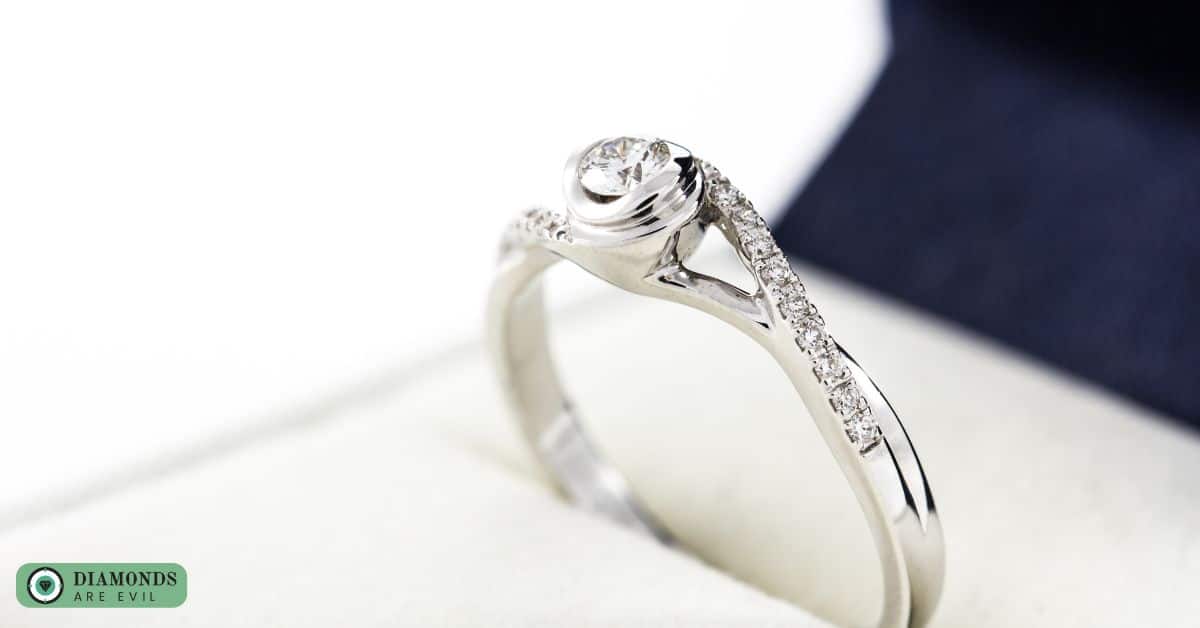
Halo Setting
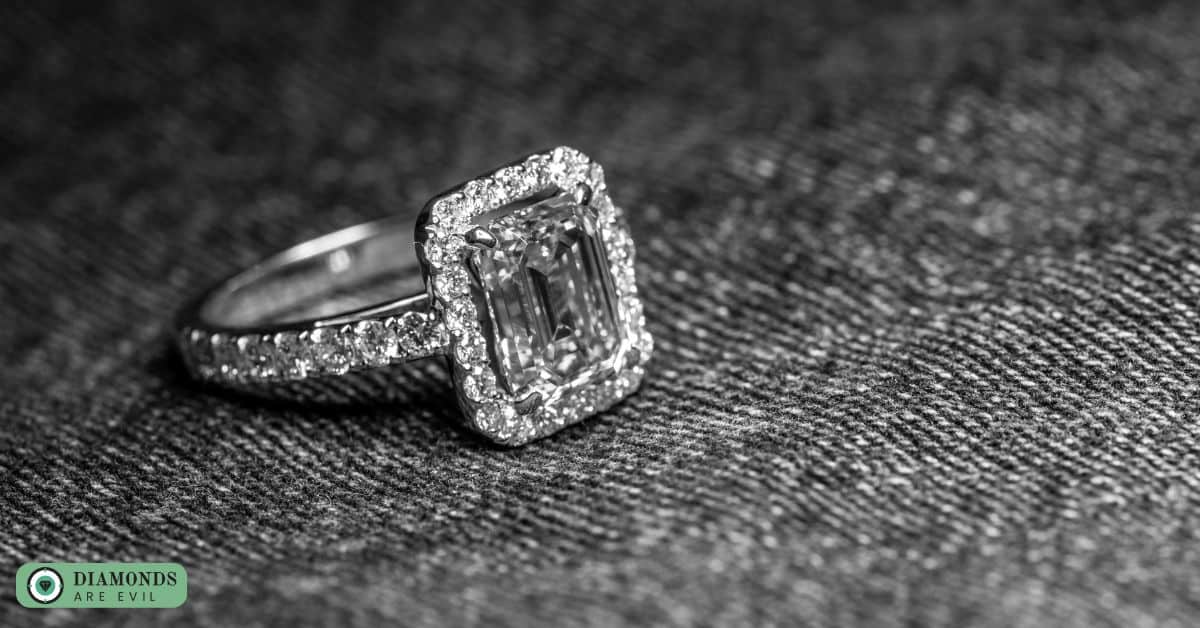
A halo setting is a type of gemstone setting that surrounds a center stone with a circle or “halo” of smaller stones. The center stone can be any shape, such as round, oval, or square, and is usually a diamond or other precious gemstone. The smaller stones can be diamonds or other colored gemstones and are set close together to create a continuous circle around the center stone.
This setting enhances the size and brilliance of the center stone and creates a stunning, eye-catching effect. Halo settings are popular for engagement rings and other fine jewelry, offering a timeless and elegant look that never goes out of style.
In conclusion
Choosing the right diamond setting is an important part of creating a stunning and long-lasting piece of jewelry. With so many types of settings available, there’s sure to be one that meets your lifestyle, style, budget, and maintenance needs.
By understanding each type of diamond setting, you can make an informed decision and find the one that’s perfect for you. With the right diamond setting, your piece of jewelry will be a treasure to cherish for years to come!