
The Dangers of Using Harsh Chemicals on Diamond Jewelry
Using harsh chemicals on diamond jewelry can have devastating consequences. From corroding the diamond itself to damaging the setting and potentially harming both the environment and human health. It’s important to exercise caution and choose safe, gentle cleaning methods to preserve the beauty and value of your cherished jewelry.
Do you love wearing diamond jewelry? If so, you’ll want to make sure that the precious gems stay in their best condition and keep sparkling for years to come. Unfortunately, using harsh chemicals on diamond jewelry can have serious consequences.
In this blog, we will explore the dangers of using harsh chemicals on diamond jewelry and why it is so important to take care when cleaning and caring for your diamond jewelry. We’ll also discuss the best practices for keeping your diamonds looking their best! So let’s get started.
The Corrosive Effect on the Diamond
The use of harsh chemicals on diamond jewelry can have a corrosive effect. The diamond itself, causes it to lose its luster, clarity, and overall appearance. Diamonds are one of the hardest materials known to man, but they are not indestructible.
Harsh chemicals such as bleach and ammonia can weaken the structure of the diamond, causing it to become brittle and prone to chipping or cracking.
In addition, these chemicals can penetrate the surface of the diamond. Then causes discoloration, cloudiness, and other types of damage that are difficult, if not impossible, to repair.
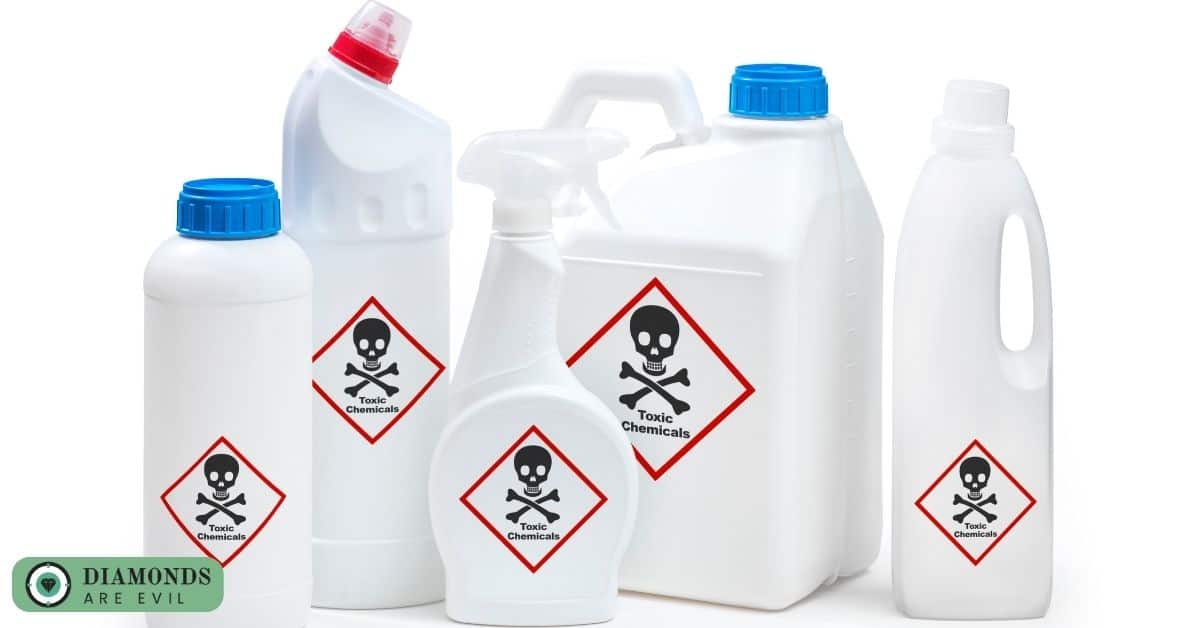
As a result, the use of harsh chemicals on diamond jewelry can significantly decrease its value and beauty, making it a poor investment in the long run.
To preserve the integrity and appearance of your diamond jewelry. It is recommended to use gentle cleaning methods such as warm soapy water, a soft-bristled brush, and a soft cloth.
These methods are not only safe, but they are also effective in removing dirt, grime, and oils that can build up on the diamond and dull its shine.
The Damage Caused to the Setting
The setting is part of the jewelry that holds the diamond in place. It is often made of metals such as gold, platinum, or silver. Harsh chemicals can cause significant damage to the setting, weakening its structure and causing it to break, bend, or become discolored.
This type of damage can make it difficult to secure the diamond in place, putting it at risk of falling out or being lost.
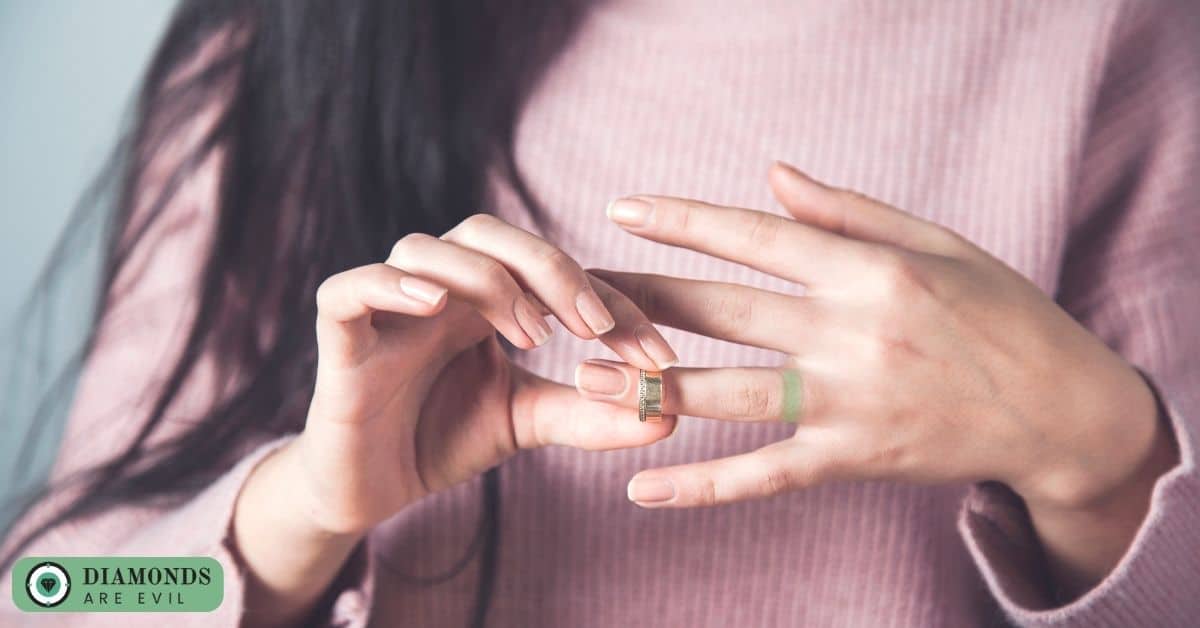
In addition, harsh chemicals can also react with the metal of the setting. Causing it to corrode, tarnish, or change color. This can not only detract from the beauty of the jewelry but can also make it less valuable.
For example:
- Gold can turn yellow or green when exposed to harsh chemicals
- Silver can become dull and lose its luster.
To prevent damage to the setting, it is important to avoid using harsh chemicals when cleaning your diamond jewelry. Instead, use gentle cleaning methods such as warm soapy water, a soft-bristled brush, and a soft cloth.
These methods are safe and effective in removing dirt, grime, and oils that can build up on the metal, helping to maintain its beauty and value over time.
The Negative Impact on the Environment
The use of harsh chemicals on diamond jewelry can also have a negative impact on the environment. Many of these chemicals are toxic and can leach into the soil and groundwater, causing harm to plants, animals, and aquatic life.
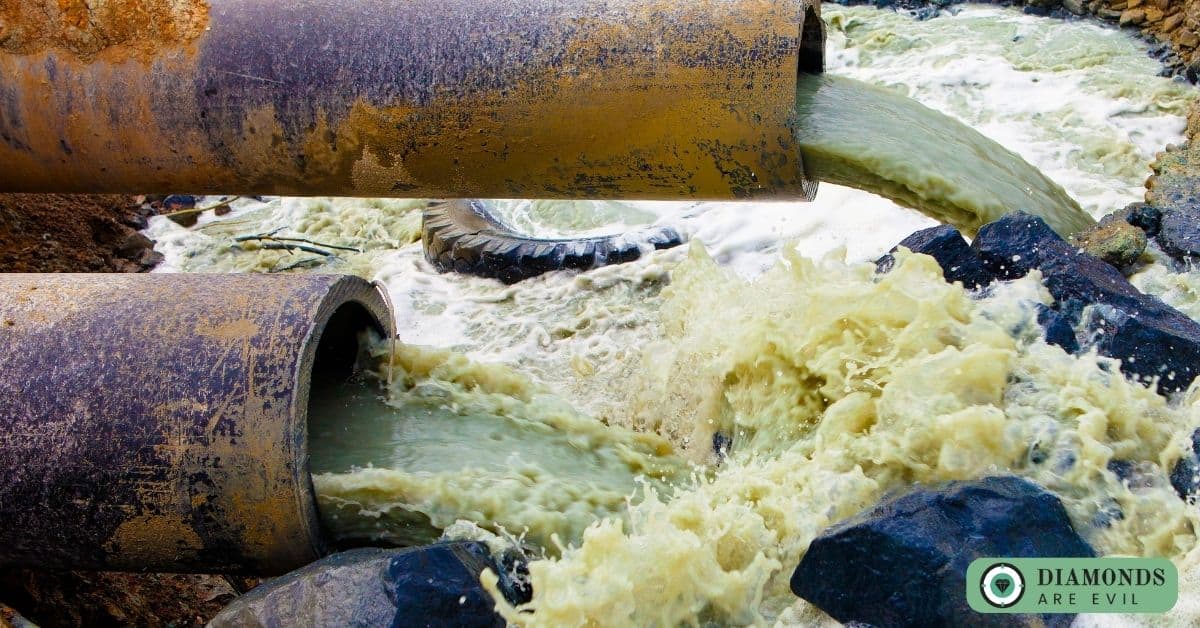
In addition, the production and disposal of these chemicals can contribute to air and water pollution, as well as the depletion of natural resources.
For example:
- The production of harsh chemicals such as bleach and ammonia requires large amounts of energy, water, and raw materials.
- The discharge of these chemicals into the environment can cause significant harm to ecosystems, altering the delicate balance of nature and threatening the survival of many species.
- The disposal of used or expired chemicals can also have a negative impact on the environment. Many of these chemicals are not biodegradable and can persist in the environment for decades, long after they have been discarded.
This can cause long-term harm to ecosystems and threaten the health of humans and animals. To minimize the impact on the environment, it is important to choose safe, environmentally-friendly cleaning methods for your diamond jewelry.
Methods such as warm soapy water, a soft-bristled brush, and a soft cloth are not only safe for your jewelry. But they are also safe for the environment, helping to preserve the natural beauty of the planet for future generations.
The Risk to Human Health
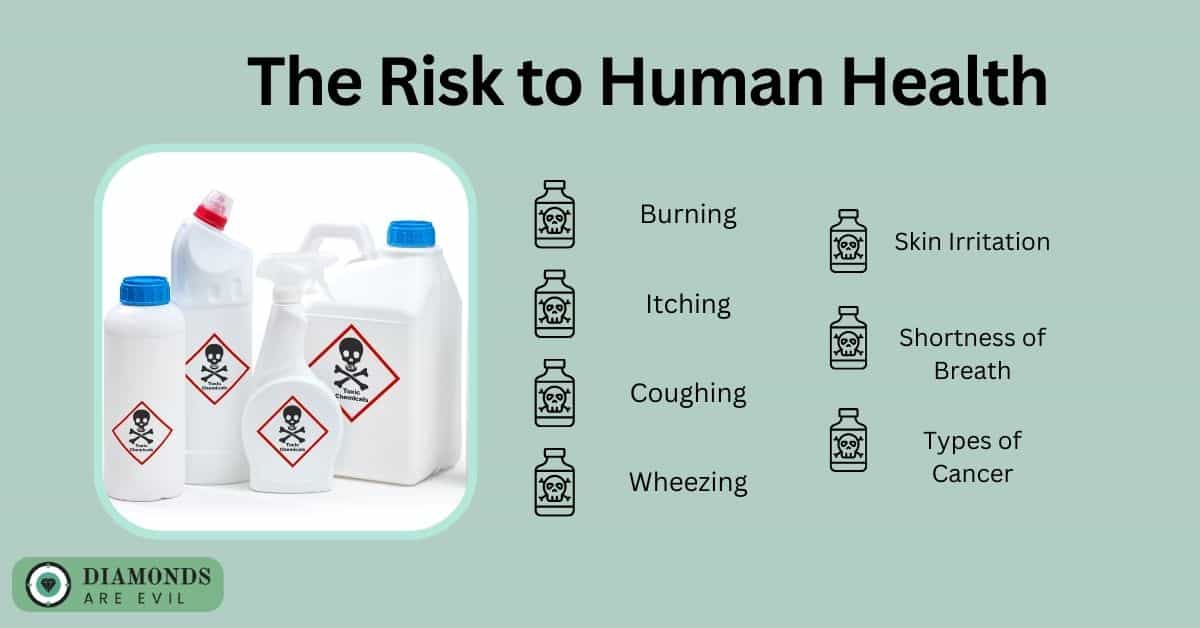
The use of harsh chemicals on diamond jewelry can also pose a risk to human health. Many of these chemicals are toxic and can cause skin irritation, allergic reactions, and respiratory problems if they come into contact with the skin or are inhaled.
In addition, some chemicals can be absorbed through the skin and cause internal damage, potentially leading to serious health problems.
For example:
- Exposure to harsh chemicals such as bleach and ammonia can cause skin irritation, burning, and itching. Inhalation of these chemicals can cause respiratory problems, such as coughing, wheezing, and shortness of breath.
- Long-term exposure to these chemicals can also increase the risk of developing more serious health problems, such as respiratory illness and certain types of cancer.
To protect your health, it is important to choose safe, gentle cleaning methods for your diamond jewelry.
Methods such as warm soapy water, a soft-bristled brush, and a soft cloth are not only safe for your jewelry. But they are also safe for your skin and respiratory system, helping to keep you healthy and happy.
The Loss of Shine and Sparkle in the Diamond
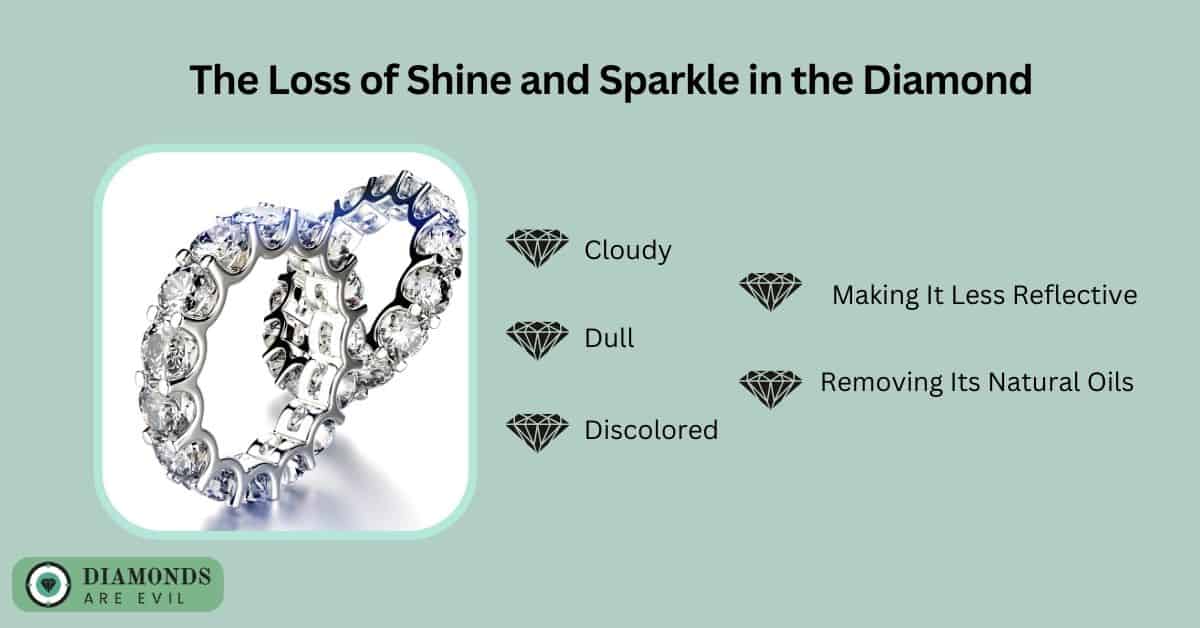
Harsh chemicals can also cause the diamond to lose its shine and sparkle, reducing its overall beauty and value. Diamonds are known for their exceptional brilliance and fire. But these qualities can be diminished when exposed to harsh chemicals.
For example:
- Bleach and ammonia can penetrate the surface of the diamond and cause it to become cloudy, dull, and discolored. This can significantly decrease the clarity of the diamond, making it appear less vibrant and less attractive.
- In addition, these chemicals can also erode the surface of the diamond, removing its natural oils and making it less reflective, leading to a loss of shine and sparkle.
To preserve the shine and sparkle of your diamond jewelry, it is important to use gentle cleaning methods that are safe for the diamond.
Methods such as warm soapy water, a soft-bristled brush, and a soft cloth are effective in removing dirt, grime, and oils that can build up on the diamond, without causing any damage.
These methods can help to keep your diamond jewelry looking beautiful and sparkling for years to come.
In conclusion
The use of harsh chemicals on diamond jewelry can have a range of negative effects. Including corrosion of the setting, damage to the environment, risk to human health, and loss of shine and sparkle in the diamond. These effects can diminish the beauty and value of your diamond jewelry and put it at risk of damage or loss.