
The Four Cs of Diamond Quality: Which is Most Important for Your Engagement Ring?
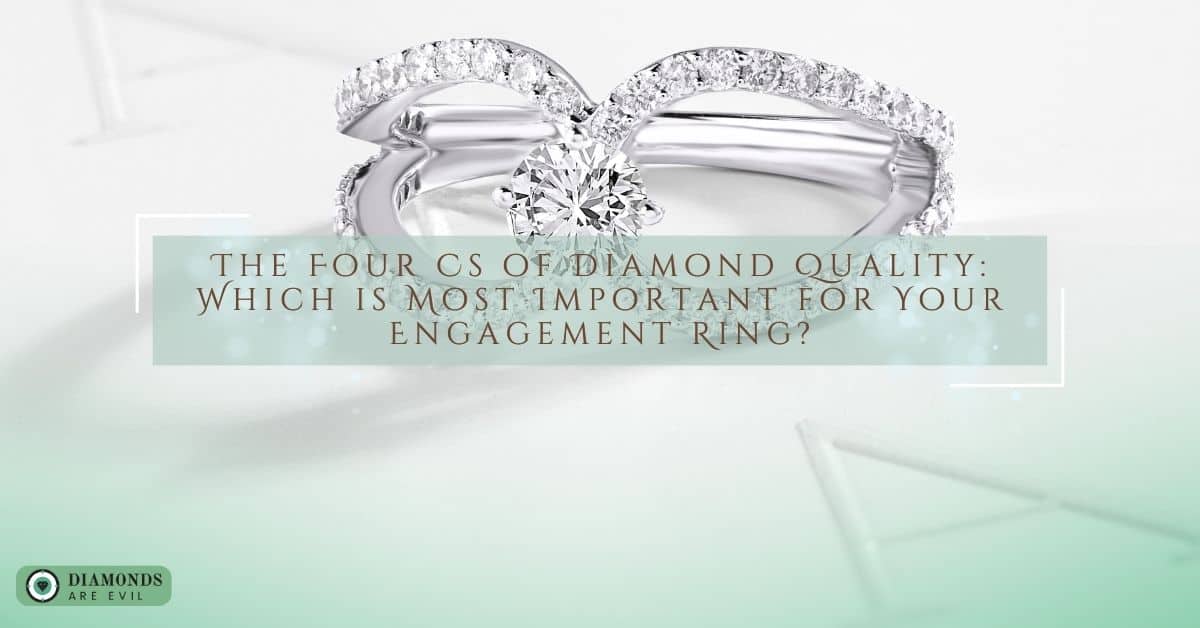
When you’re considering a diamond for an engagement ring or any other jewelry item, it can be difficult to know just what to look out for.
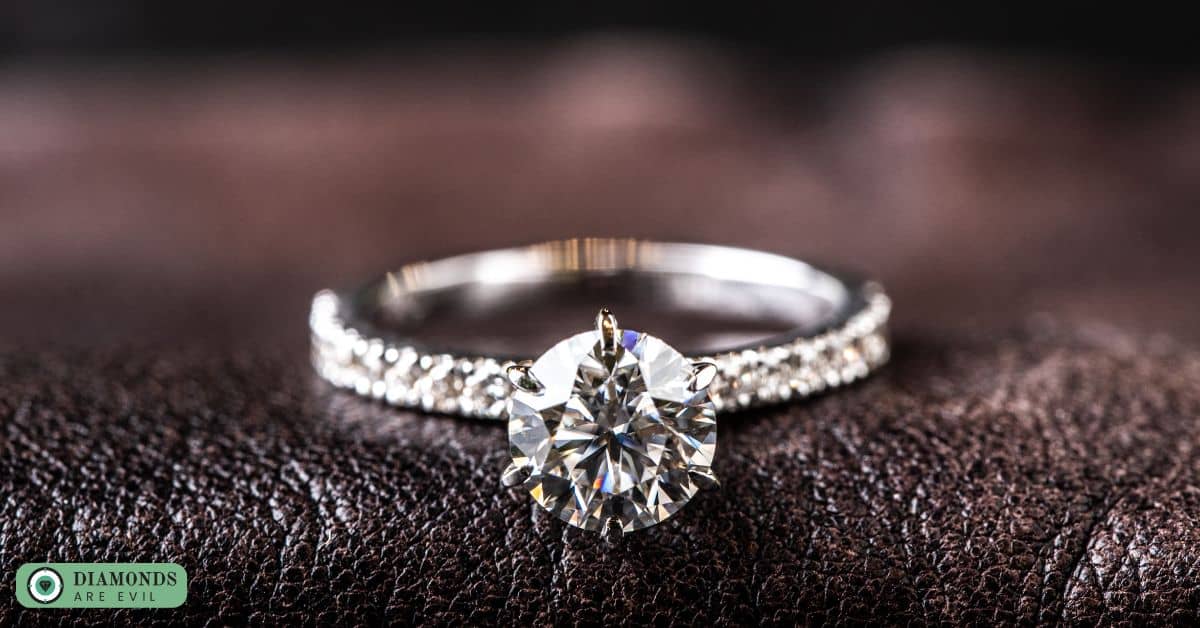
Each of the Four Cs (Carat, Cut, Color, Clarity) is essential when choosing a diamond for a ring. The most significant C depends on individual preferences and budget. A well-balanced selection of all four Cs results in the perfect diamond for your ring.
In this article, we’ll explain each C in detail and suggest which one might be most important to you, depending on your needs.
Carat: The Weight of the Diamond
Carat is a unit of measurement for the weight of a diamond. A single carat is equal to 200 milligrams and is divided into 100 points. It’s important to remember that carat weight alone does not determine the value of a diamond- its color, cut, clarity, shape, and other factors must also be taken into consideration.
Knowing how much a diamond weighs in carats can help you decide on the kind of stone you want in your setting. As the cost of diamonds increases with size, understanding carat weights can help you manage your budget when shopping for the perfect stone.
Cut: The Proportions and Symmetry of the Diamond
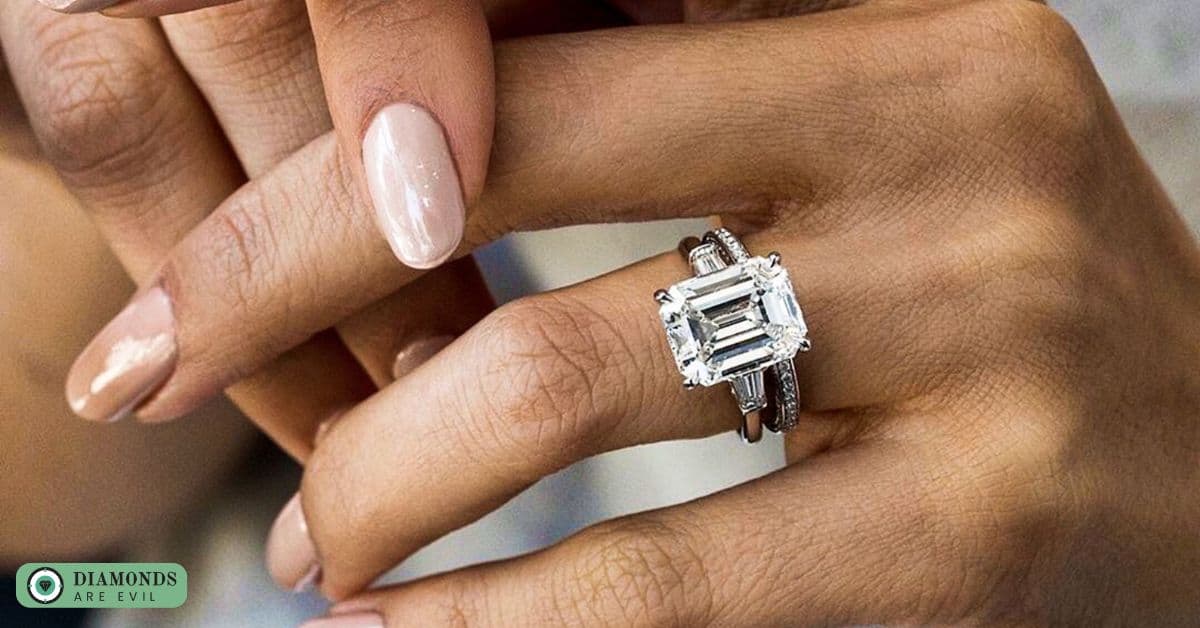
The Cut of a diamond refers to its proportions, symmetry, and finish, which determine its fire, brilliance, and overall beauty. It is the most critical factor in a diamond’s quality as it directly impacts its appearance and value. A well-cut diamond reflects and refracts light more efficiently, making it sparkle and shine brilliantly.
The Cut is graded on a scale from Excellent to Poor, based on how well the diamond interacts with light. An Excellent cut diamond has perfectly aligned facets that allow light to enter and exit the diamond with maximum reflection and dispersion. A poorly cut diamond, on the other hand, appears dull and lifeless, despite its size or color grade.
Color: The Presence of Color in the Diamond
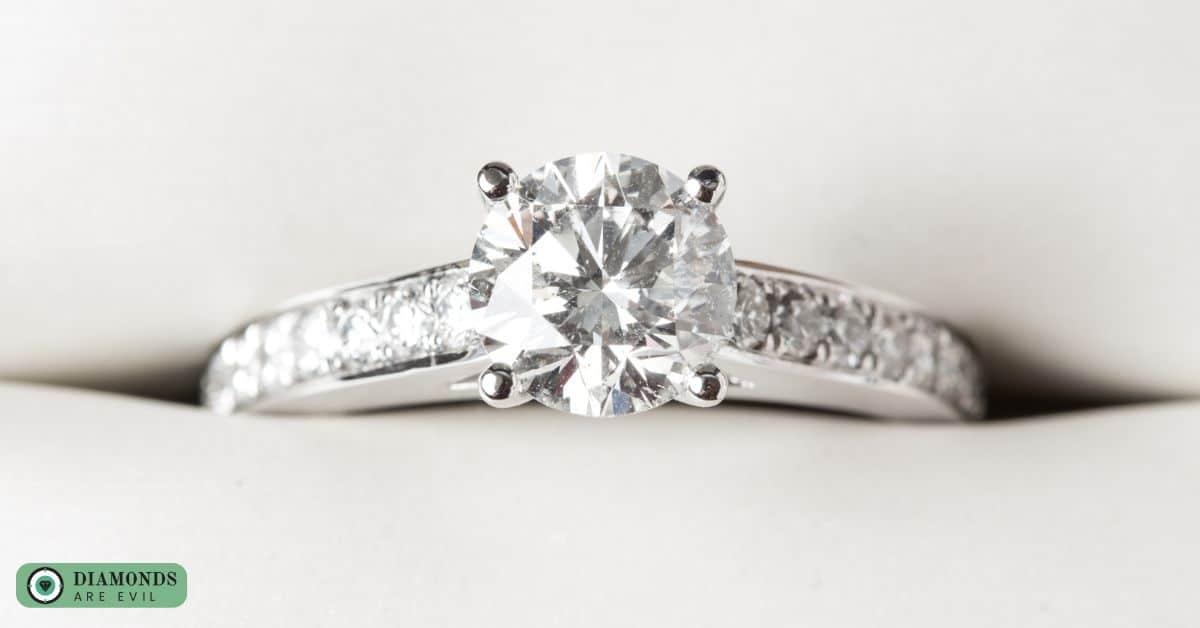
The Color of a diamond refers to the presence or absence of color in the stone. Diamonds come in a range of colors, from colorless (D) to light yellow or brown (Z). The color grading system starts with D, which is the most valuable and goes down to Z.
The more colorless a diamond is, the more valuable it is considered. Colorless diamonds allow more light to pass through, creating more brilliance and fire. The presence of color in a diamond can be caused by trace elements or structural irregularities.
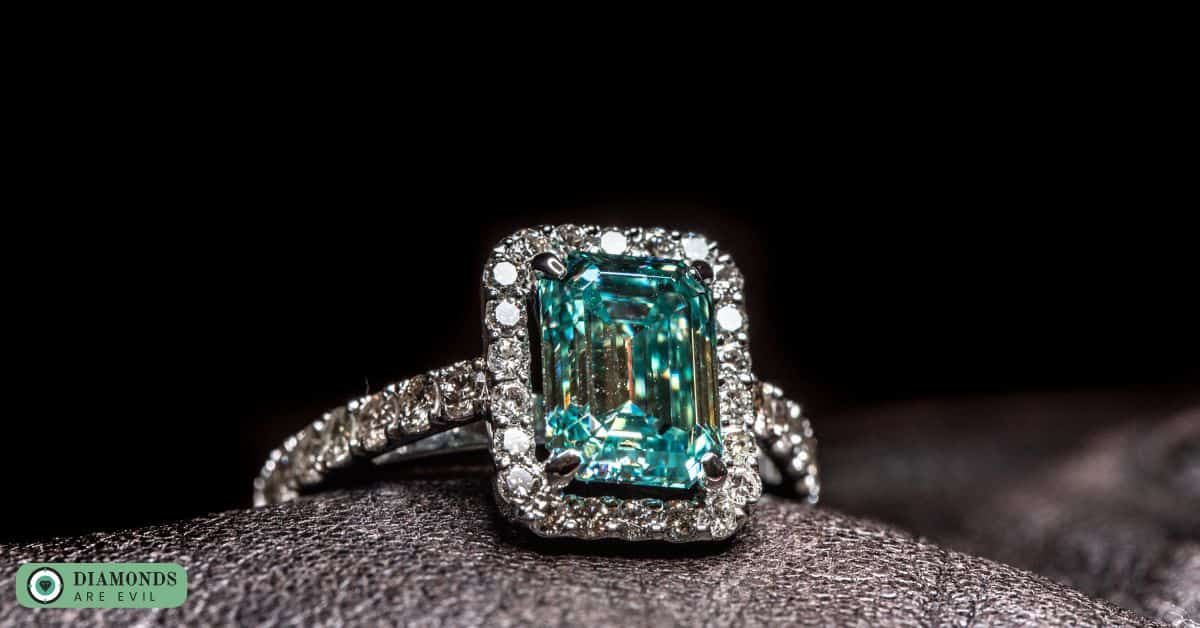
Diamonds with a strong, rare color, such as pink or blue, can be exceptionally valuable. However, the value of a diamond also depends on personal preferences and the setting it will be placed in.
Clarity: The Absence of Inclusions and Blemishes in the Diamond
The Clarity of a diamond refers to the absence of inclusions (internal flaws) and blemishes (external flaws) that affect its beauty and value. It is graded on a scale from Flawless (no inclusions or blemishes visible under 10x magnification) to Included (inclusions visible to the naked eye).
Inclusions can vary in size, location, and type, such as black carbon spots, white feathers, or crystals. The higher the clarity grade, the rarer and more valuable the diamond. However, most diamonds have some degree of inclusion or blemish, and a lower clarity grade does not necessarily mean a less beautiful diamond. The position and type of inclusion can affect the diamond’s appearance and price.
Importance of Considering all Four Cs
When shopping for a diamond, it is important to consider all Four Cs: Carat, Cut, Color, and Clarity. Each of these factors plays a crucial role in determining the diamond’s quality and value. A well-balanced combination of all Four Cs can result in a stunning diamond that fits your budget and preferences. Here is a list of reasons why it is essential to consider all Four Cs:
- Each factor affects the diamond’s appearance and beauty.
- A diamond with high Carat weight but poor Cut, Color, or Clarity grades may not be as valuable as a smaller diamond with excellent grades.
- Each factor can compensate for the other’s weaknesses, resulting in a more balanced and attractive diamond.
- The Four Cs can help you find a diamond that fits your budget and preferences.
Here’s a table that lists the average prices for diamonds of varying qualities based on the four Cs of diamond quality:
| Diamond Quality | Carat Weight | Cut Grade | Color Grade | Clarity Grade | Average Price |
|---|---|---|---|---|---|
| Low Quality | 1.00 ct | Fair | H | I3 | $1,500 |
| Medium Quality | 1.00 ct | Good | G | SI1 | $4,000 |
| High Quality | 1.00 ct | Excellent | F | VS2 | $8,000 |
| Premium Quality | 1.00 ct | Excellent | D | VVS2 | $12,000 |
It’s important to note that these prices are only averages and can vary greatly based on the specific diamond and the seller. Additionally, the most important “C” of diamond quality for an engagement ring ultimately depends on personal preference and budget.
Choosing the Most Important Cs for Your Ring
Choosing the most important Cs (Carat, Cut, Color, and Clarity) for your ring depends on your personal preferences, budget, and the type of ring you are looking for. Here are some factors to consider when selecting the most important Cs for your ring:
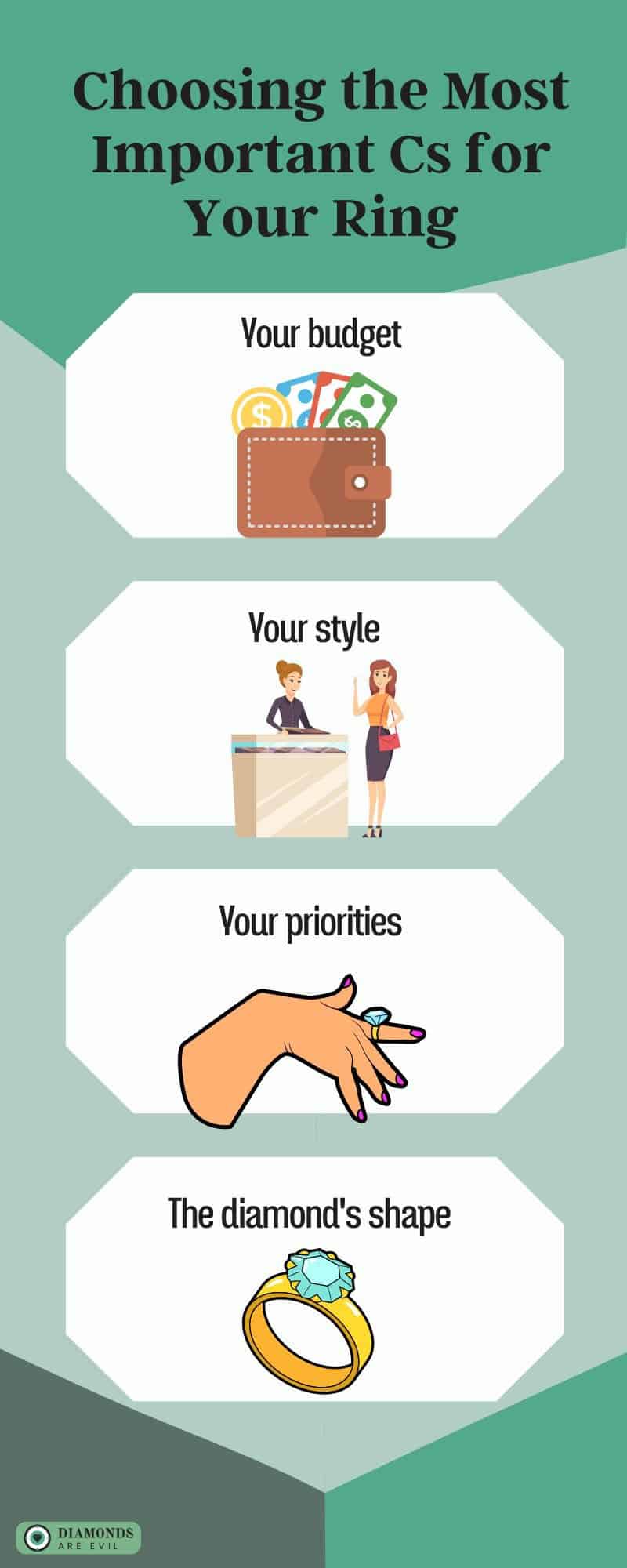
Your budget: If your budget is limited, you may need to compromise on one or more Cs to find a diamond that fits your budget.
Your style: The type of ring you are looking for may require a specific combination of Cs. For example, an engagement ring may prioritize Cut and Clarity to maximize the diamond’s brilliance.
Your priorities: What is most important to you? Do you want a larger diamond or a more brilliant one? Do you prefer a colorless diamond or one with a unique hue?
The diamond’s shape: Different diamond shapes may require different Cs to maximize their beauty. For example, a round diamond may require a higher Cut grade to enhance its brilliance, while an emerald cut diamond may require a higher Clarity grade to minimize visible inclusions.
By considering these factors, you can determine which Cs are most important for your ring and find a diamond that meets your needs and preferences.
In conclusion
The Four Cs of diamond quality (Carat, Cut, Color, and Clarity) are essential when choosing a diamond for an engagement ring or any other jewelry item. Each C contributes to the overall beauty and value of the diamond, so it is important to consider all four factors when shopping for a stone.
By understanding the importance of each C and considering your budget, style, priorities, and diamond shape, you can determine which Cs are most important for your ring and find a diamond that meets your needs and preferences. With this knowledge in hand, you can make an informed decision when selecting the perfect stone for your special occasion.