
The Historical Appreciation Trend of Diamond Jewelry
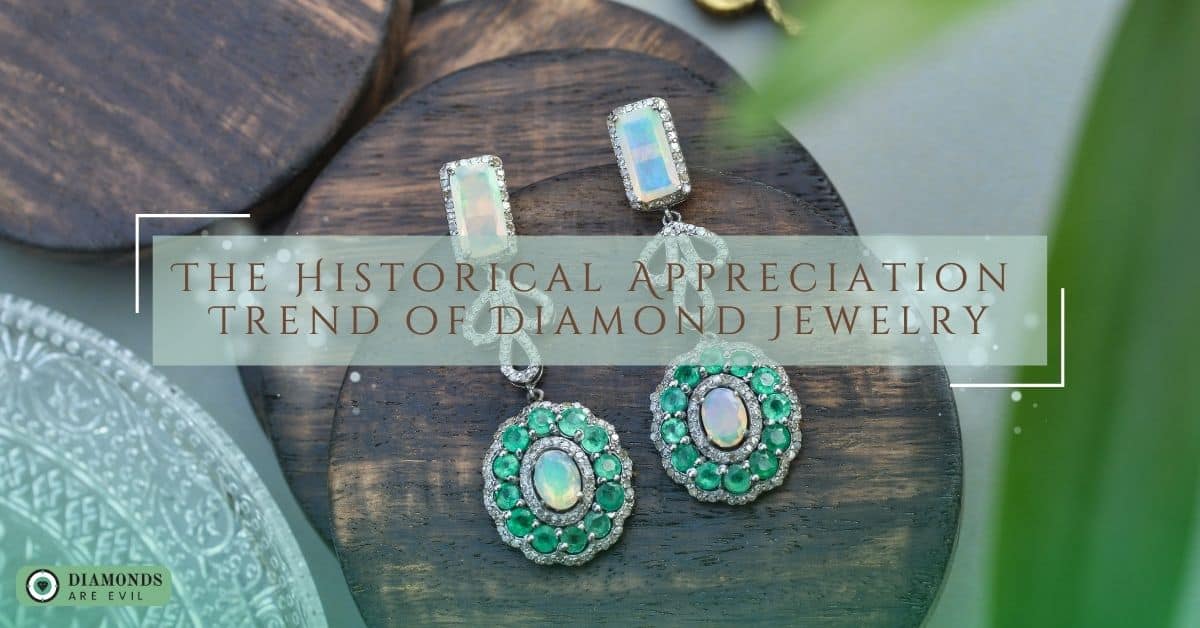
Diamond jewelry is a timeless and highly sought-after piece of jewelry that has been prized for its beauty and symbolic significance since ancient times. From being used as religious artifacts in ancient cultures to adorning the clothing of royalty in the Middle Ages, diamonds have been revered throughout history.
In this article, we will explore the historical appreciation trend of diamond jewelry, from ancient times to the 21st century. Discover the fascinating history of diamond jewelry and how it has evolved over time!
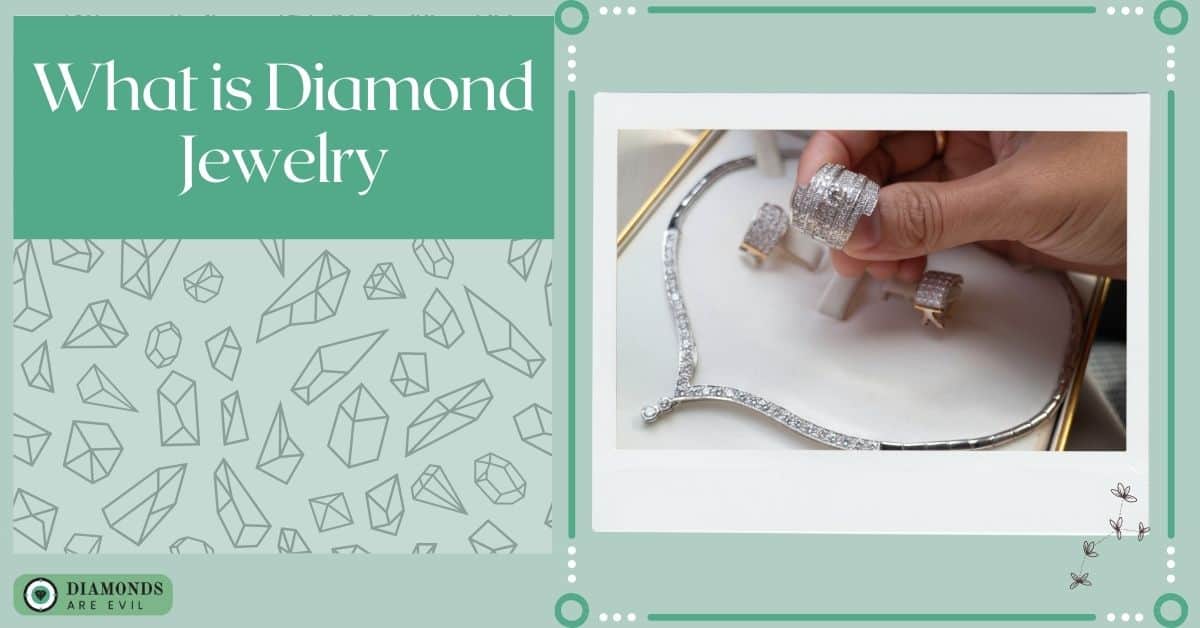
What is Diamond Jewelry
Diamond jewelry is a type of jewelry that features diamonds as the main gemstone. It can take the form of earrings, necklaces, bracelets, rings, and more. Diamonds are one of the hardest and most durable materials on earth, which makes them a popular choice for jewelry.
The first diamond jewelry is believed to have been created over 2,000 years ago, and since then, diamonds have become associated with luxury, wealth, and status. In the early days, diamonds were seen as mystical and were believed to have healing properties. Over time, diamonds have become more widely available, and their popularity has only continued to grow.
Diamonds are rated on a 4C scale, which stands for Carat, Cut, Clarity, and Color. The carat weight refers to the size of the diamond, while the cut determines its brilliance and sparkle. Clarity measures the number and size of inclusions in the diamond, and color refers to the absence of color in the diamond.
Diamond Jewelry in Ancient Times
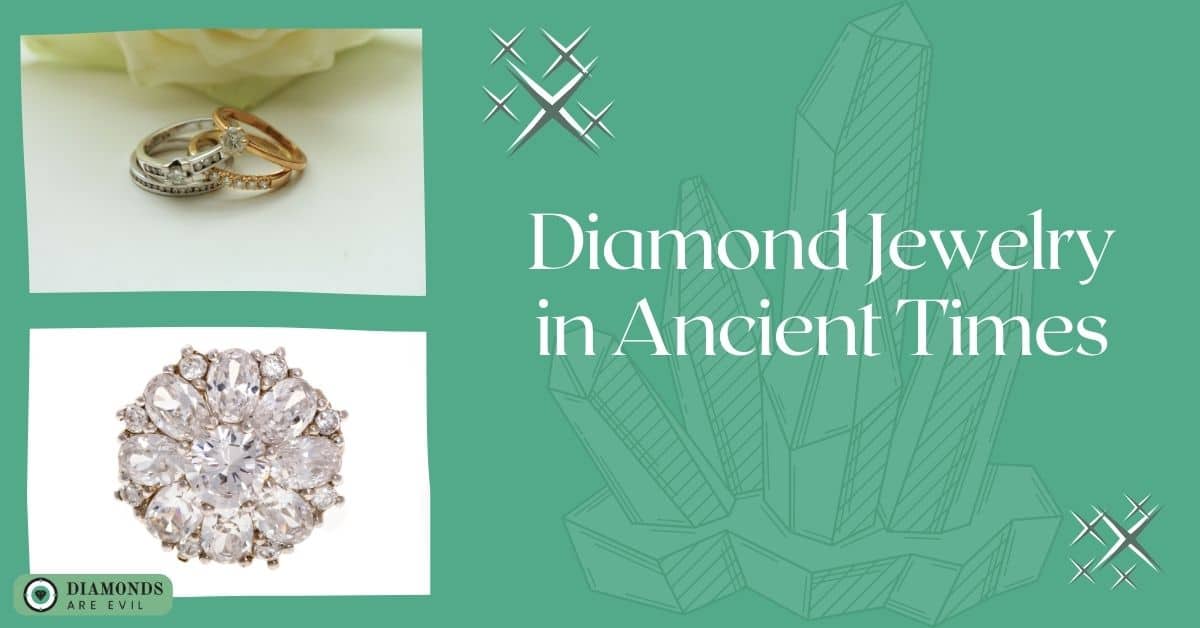
Diamond jewelry has a rich history that dates back to ancient times, when several cultures valued diamonds for their exceptional beauty and mystical powers. Ancient cultures such as the Greeks, Romans, and Egyptians utilized diamonds for various purposes, including cutting, engraving, military equipment, and religious ceremonies.
Ancient Cultures That Used Diamonds: In ancient Greece, diamonds were believed to be the tears of the gods and were said to possess healing powers. The ancient Romans valued diamonds as symbols of strength and often used them in military equipment. Meanwhile, in ancient Egypt, diamonds were seen as powerful objects that could ward off evil and were used in religious ceremonies.
Ancient Uses of Diamonds: Despite their beauty and perceived mystical powers, diamonds were not widely used for jewelry in ancient times. This was because diamonds were not as widely available and were primarily used for practical purposes such as cutting and engraving. The limited availability of diamonds and the high cost of obtaining them also made it difficult for diamonds to be used as a form of jewelry.
Significance of Diamonds in Ancient Cultures: Despite the limitations, the legacy of ancient diamond usage continues to influence diamond appreciation and usage in later cultures. The understanding of diamonds as valuable and powerful objects and the belief in their mystical properties have remained, and diamonds continue to be a popular choice for jewelry design and manufacture.
Diamond Jewelry in the Middle Ages
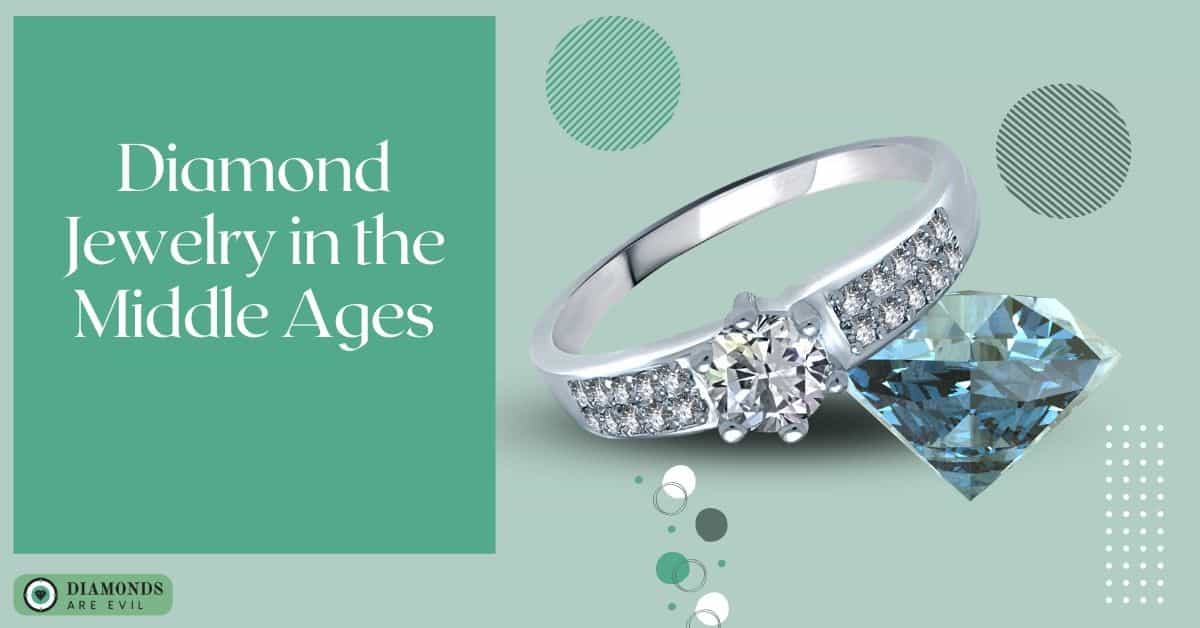
The Middle Ages, which spanned from the 5th to the 15th century, saw the rise of diamond jewelry in Europe. Diamonds were highly sought after for their exceptional beauty and rarity and were used to adorn the clothing and accessories of royalty and the wealthy.
The Rise of Diamond Jewelry in Europe: The rise of diamond jewelry in Europe can be attributed to several factors, including increased trade and commerce, the spread of Christianity, and the growth of royal courts and nobility. The increased availability of diamonds and the development of diamond cutting and polishing techniques also contributed to the popularity of diamond jewelry.
The Use of Diamonds in Royal Jewelry: Diamonds were widely used in royal jewelry during the Middle Ages and were often used to symbolize wealth, power, and status. Crowns, scepters, necklaces, and other jewelry items were adorned with diamonds to show off the wealth and power of the wearer.
The Symbolism of Diamonds in the Middle Ages: In addition to their use as symbols of wealth and power, diamonds were also associated with religious symbolism. Diamonds were believed to have mystical powers and were used in religious artifacts such as chalices, to symbolize their holiness. The scarcity of diamonds also made them valuable and sought after, further contributing to their symbolic significance.
Diamond Jewelry in the Renaissance
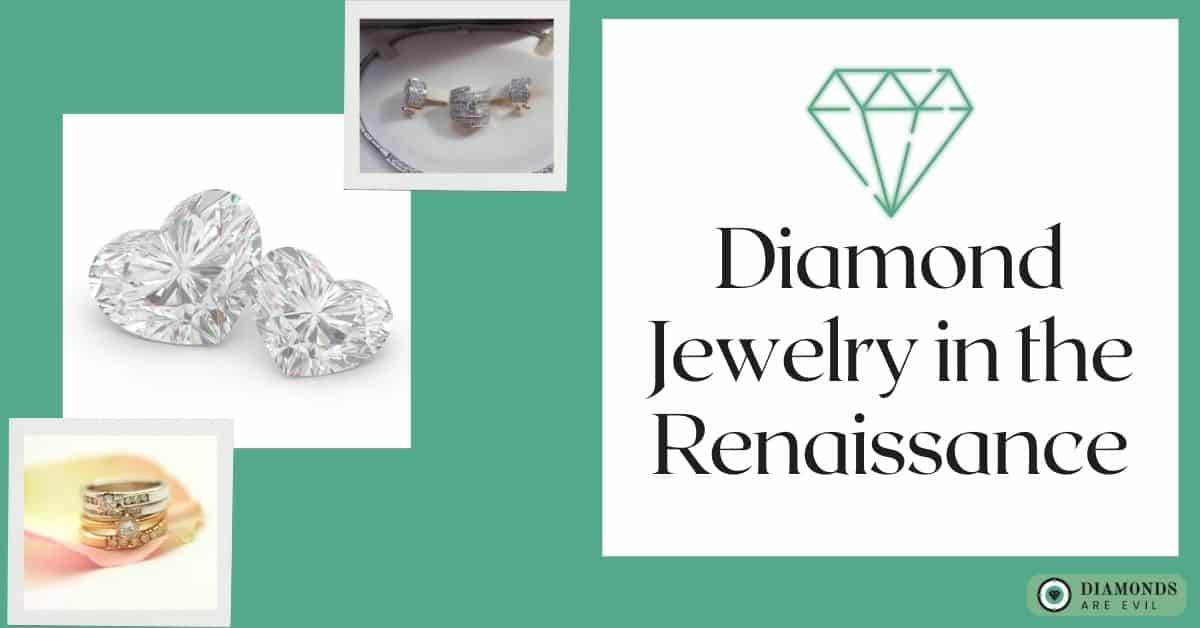
The Renaissance, which spanned from the 14th to the 17th century, was a time of great cultural, artistic, and intellectual growth in Europe. During this period, diamond jewelry saw significant growth in trade and production, and diamonds were used in innovative ways in the art of the Renaissance.
The growth of diamond trade and production: The growth of trade and commerce during the Renaissance helped to increase the availability of diamonds, leading to a growth in diamond trade and production. The development of new cutting and polishing techniques also helped to bring out the natural beauty of diamonds, further increasing their popularity and use in jewelry.
The use of diamonds in the art of the Renaissance: Diamonds were used in innovative ways in the art of the Renaissance, both as decorative elements and as symbols of wealth and power. Painters and sculptors incorporated diamonds into their works, and they were often depicted as symbols of love and beauty.
The influence of Renaissance art on diamond jewelry design: The innovative use of diamonds in the art of the Renaissance had a significant impact on diamond jewelry design. Jewelers began to incorporate new and imaginative designs into their pieces, taking inspiration from the works of Renaissance artists. This led to a new era of creativity in diamond jewelry design, which continues to this day.
Diamond Jewelry in the 19th and 20th Centuries
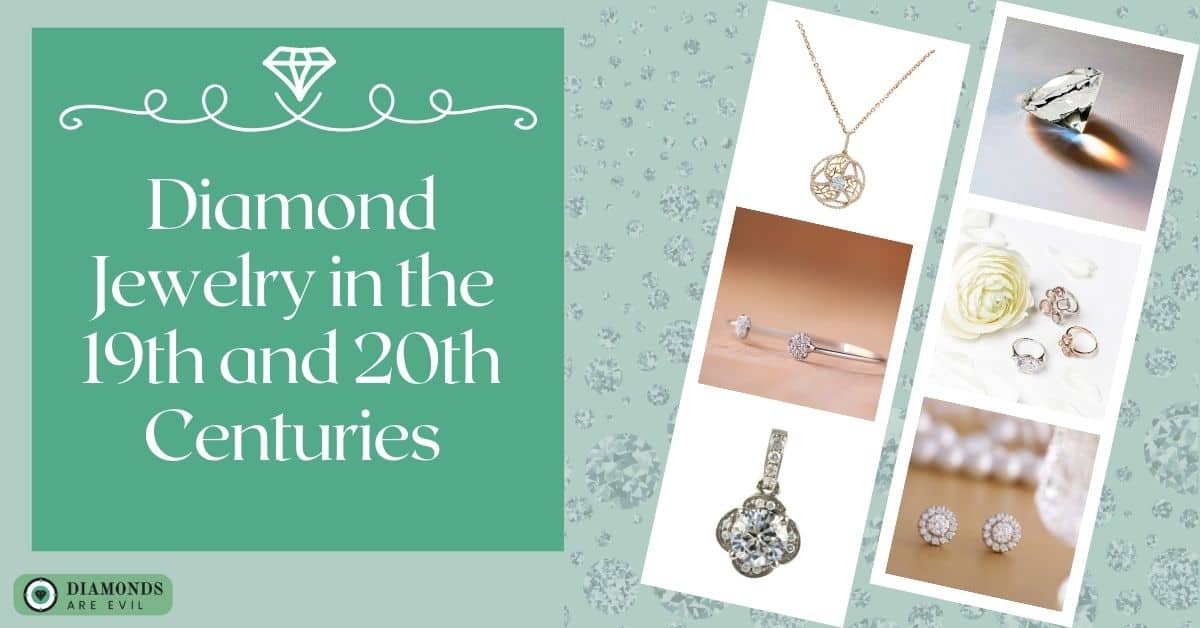
The 19th and 20th centuries saw significant changes in the diamond jewelry industry, with the introduction of mass-produced diamond jewelry and the growth of the diamond industry. The two World Wars also had a profound impact on the industry, changing the way diamonds were produced, traded, and used in jewelry.
The introduction of mass-produced diamond jewelry: The 19th century saw the introduction of mass-produced diamond jewelry, made possible by advances in technology and industrialization. This led to the wider availability of diamond jewelry and made it accessible to a larger segment of the population.
The growth of the diamond industry: The growth of the diamond industry was driven by the increasing popularity of diamond jewelry and the development of new diamond mining and production techniques. The discovery of large diamond deposits in South Africa and other countries also helped to increase the availability of diamonds and fuel the growth of the industry.
The impact of the two World Wars on diamond jewelry: The two World Wars had a profound impact on the diamond jewelry industry, disrupting trade and production and changing consumer preferences. The First World War led to a decline in the production and trade of diamonds, while the Second World War led to a resurgence of the industry and the introduction of new production techniques.
Diamond Jewelry in the 21st Century
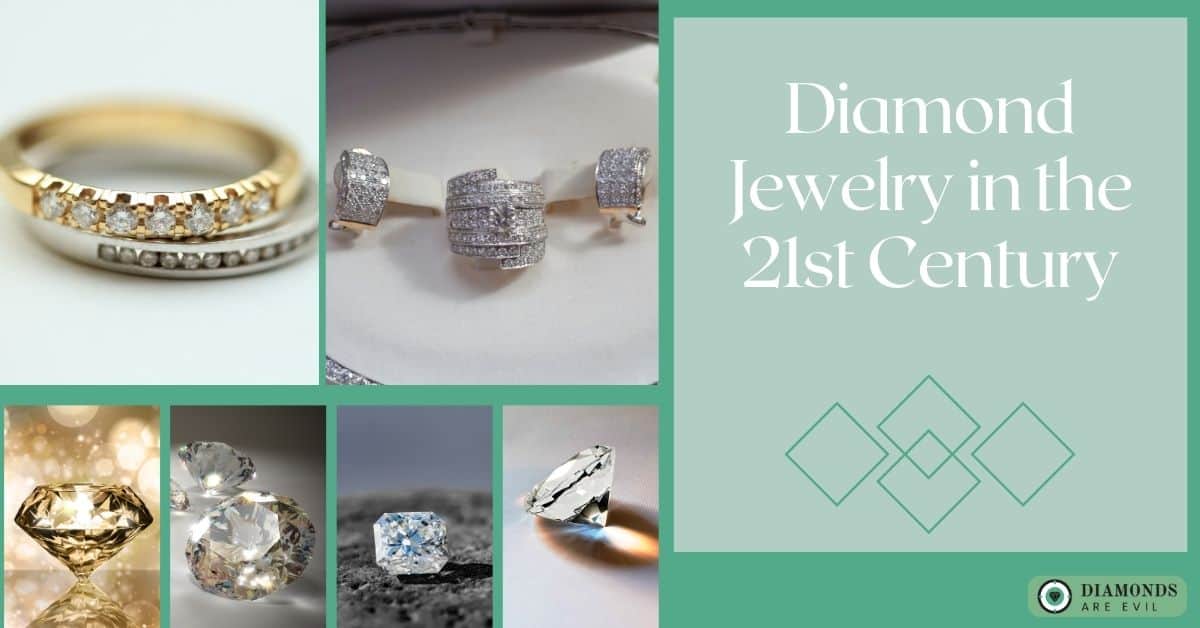
The 21st century has seen significant changes in the diamond jewelry industry, with evolving trends and the impact of technology shaping the industry.
The changing trends in diamond jewelry: Diamond jewelry has continued to evolve and change in the 21st century, with new and innovative styles emerging. Consumers are increasingly looking for unique and personalized jewelry, leading to a growth in the popularity of custom-designed pieces. Ethical and sustainable sourcing is also becoming increasingly important, with consumers looking for diamonds that have been sourced and produced in a responsible manner.
The impact of technology on diamond jewelry design: Technology has had a profound impact on diamond jewelry design in the 21st century. From the use of computer-aided design (CAD) to the development of new cutting and polishing techniques, technology has made it possible to create new and imaginative designs that were previously not possible.
The future of diamond jewelry: The future of diamond jewelry is likely to be shaped by continued technological advancements and changing consumer preferences. The industry is likely to focus increasingly on sustainable sourcing and ethical production, and there may be a greater emphasis on custom-designed pieces that are unique and personalized.
In conclusion
Diamonds have been treasured for their exceptional beauty and rarity since ancient times, and remain a timeless piece of jewelry today. Over the centuries, diamonds have been used as symbols of wealth, power, and status. As technology has advanced and consumer preferences have changed, the diamond industry has evolved to meet these needs.
From mass-produced diamond jewelry in the 19th century to ethical and sustainable sourcing in the 21st century, diamonds continue to be a highly sought-after piece of jewelry for many people. The fascinating history of diamond jewelry is sure to continue into the future, with new innovations and designs emerging.