
The History and Evolution of Diamond Engagement Rings
Diamond engagement rings have been a symbol of love and commitment since ancient times. Throughout the ages, these precious gems have been associated with luxury, eternity, and union – making them an essential part of wedding culture around the world. From their humble beginnings in Ancient Rome to their modern-day presence on Hollywood red carpets and Instagram feeds, diamond engagement rings have evolved to become an indicator of status, beauty, and marital bliss.
In this article, we will explore the history and evolution of diamond engagement rings and discuss current trends in modern times.
What Are Diamond Engagement Rings
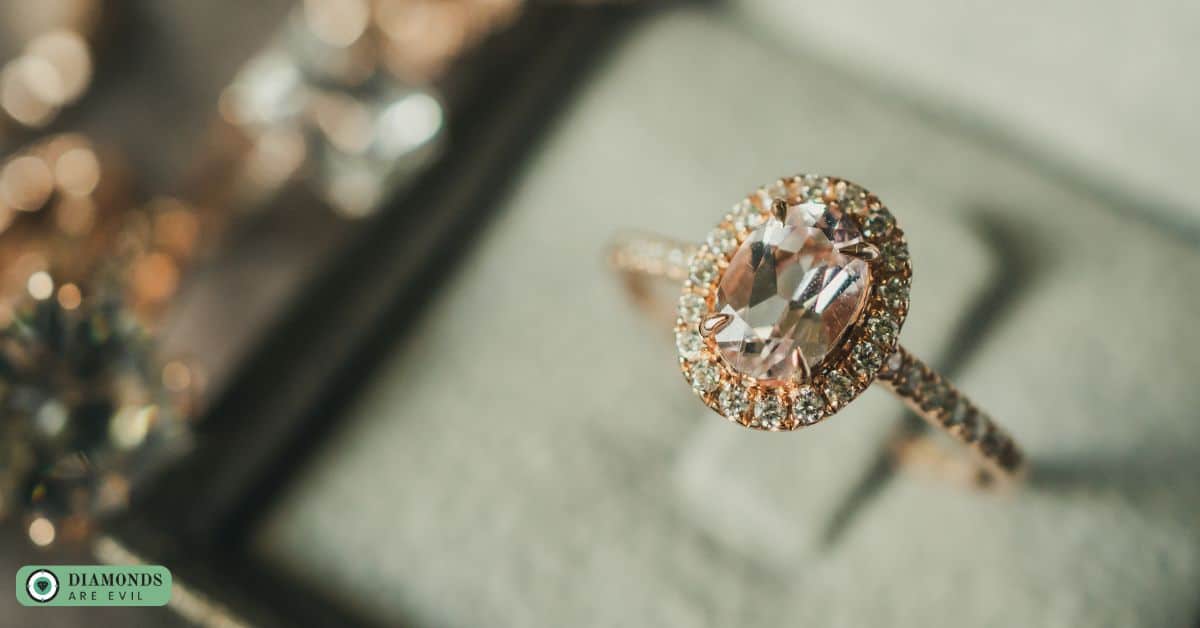
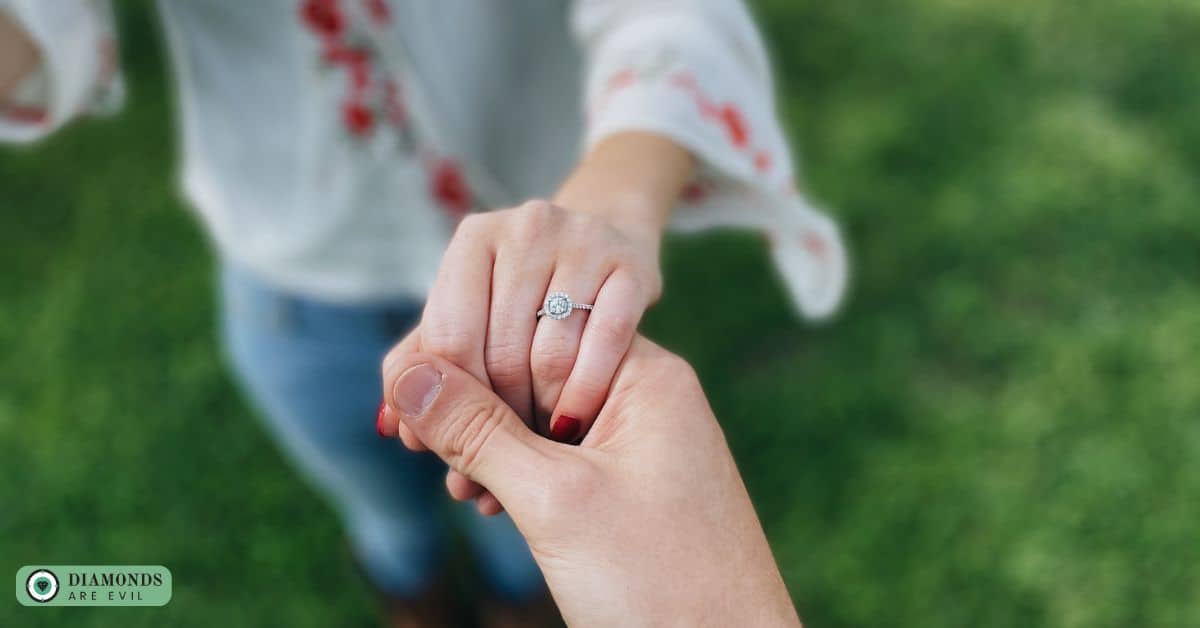
Diamond engagement rings are a type of ring that is traditionally given by a person to their partner as a symbol of their commitment to marriage. These rings typically feature a diamond or other precious gemstone in a setting that is designed to showcase the stone’s brilliance and sparkle.
While the tradition of giving engagement rings dates back centuries, diamond engagement rings specifically became popular in the early 20th century due to the influence of the diamond industry and successful marketing campaigns. Today, diamond engagement rings continue to be a popular and enduring symbol of love and commitment.
Importance of Diamond Engagement Rings in Society
Diamond engagement rings have been an integral part of marriage and proposal traditions for centuries, and their importance in society has only continued to grow. Here are some reasons why diamond engagement rings hold such significance:
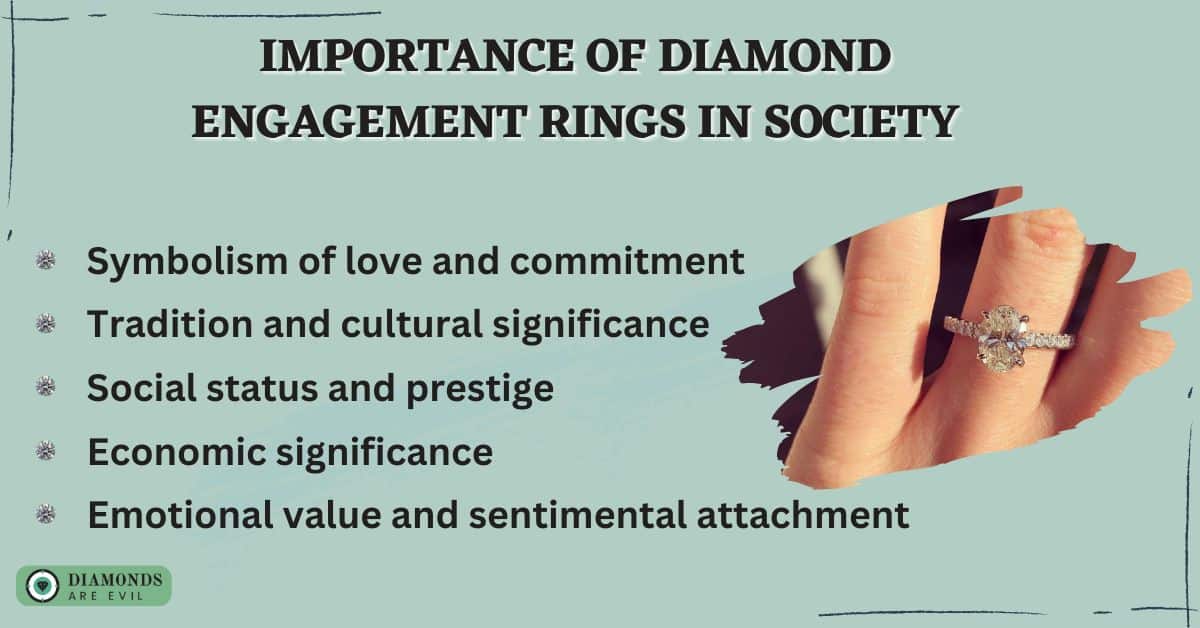
The symbolism of love and commitment: The ring serves as a tangible reminder of the couple’s emotional bond and the promise to build a future together.
Tradition and cultural significance: Giving an engagement ring is a deeply ingrained tradition in many cultures, with specific customs and rituals associated with the process.
Social status and prestige: Diamonds have long been associated with wealth and status, and the diamond engagement ring has become a symbol of prestige and social status.
Economic significance: The diamond engagement ring has become a symbol not just of love, but also of economic growth and stability.
Emotional value and sentimental attachment: Engagement rings often hold significant emotional value and sentimental attachment for both the giver and the receiver. The ring can serve as a cherished heirloom and a symbol of family history and traditions.
Early History of Diamond Engagement Rings
The tradition of giving engagement rings dates back centuries, with evidence of engagement rings dating as far back as ancient Rome and Greece. Here are some aspects of the early history of diamond engagement rings:
Ancient Roman and Greek beliefs about diamond engagement rings: In ancient Rome and Greece, it was customary to give a betrothal ring to a woman as a sign of commitment to marriage.
Medieval European customs surrounding engagement rings: In medieval Europe, engagement rings were often given as part of a formal betrothal ceremony, which involved the exchange of rings, vows, and a period of engagement. These rings were usually made of precious metals and often featured intricate designs and engravings.
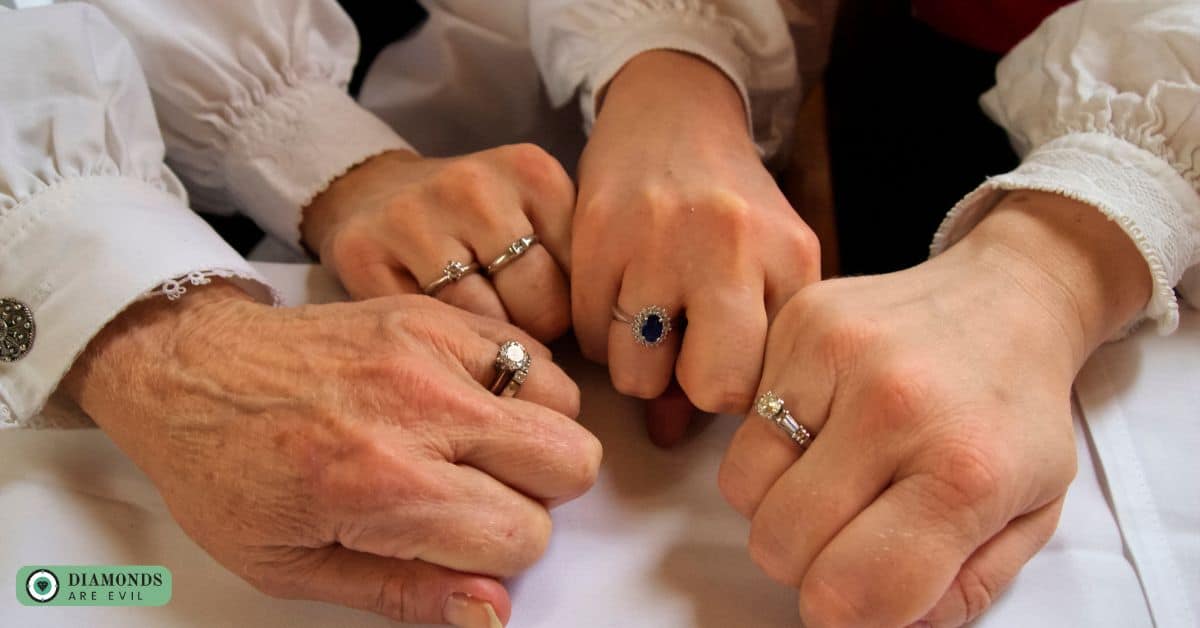
The use of other gemstones in engagement rings: In earlier centuries, sapphires, rubies, and emeralds were popular choices for engagement rings, often based on cultural or religious significance.
The Rise of Diamond Engagement Rings
Here are some factors that contributed to the rise of diamond engagement rings:
The discovery of diamonds in South Africa: In the late 1800s, large deposits of diamonds were discovered in South Africa, leading to a significant increase in the global supply of diamonds. This increase in supply helped to bring down the cost of diamonds and made them more accessible to the general public.
De Beers and the development of the diamond industry: The De Beers company was founded in 1888 and quickly became the dominant player in the diamond industry, controlling a significant portion of the world’s diamond supply. De Beers’ marketing campaigns, including the famous “A Diamond is Forever” slogan, helped to solidify the idea of diamond engagement rings as a cultural norm.
The emergence of diamond engagement rings as a cultural norm: As the diamond industry grew and diamond prices became more affordable, the idea of giving a diamond engagement ring as a symbol of love and commitment gained popularity. By the mid-20th century, diamond engagement rings had become a cultural norm in many Western countries, and the tradition continues to this day.
Twentieth-Century Trends in Diamond Engagement Rings
The twentieth century saw significant changes in the design, marketing, and popularity of diamond engagement rings. Here are some key trends from the era:
The impact of advertising and media on diamond sales: Throughout the twentieth century, diamond companies continued to invest heavily in advertising and media campaigns to promote their products. The famous “A Diamond is Forever” slogan, developed by De Beers in 1947, became one of the most successful advertising campaigns of all time and helped to solidify the diamond engagement ring as a cultural norm.
Changes in diamond cuts and settings: The twentieth century saw significant changes in diamond cuts and settings, with new technologies and techniques allowing for more intricate and varied designs.
Celebrity engagement rings and their influence on popular trends: The engagement rings of celebrities and public figures have long been a source of inspiration for the general public.

Current Trends and the Future of Diamond Engagement Rings
As we enter the 21st century, the world of diamond engagement rings continues to evolve and change. Here are some current trends and future directions for the industry:
Customization and personalization of diamond rings: In recent years, there has been a growing trend towards personalized and unique diamond engagement rings.
Alternative gemstones and non-traditional engagement rings: There is a growing interest in alternative stones and non-traditional ring designs. Gemstones such as sapphires, emeralds, and rubies are increasingly being used in engagement rings, while unique settings and styles are also gaining popularity.
The impact of sustainability and ethical concerns on the diamond industry: In recent years, there has been increasing attention paid to the social and environmental impact of the diamond industry.

In conclusion
Diamond engagement rings have a rich and varied history that spans centuries. From their early beginnings in ancient Rome to their rise as a cultural norm in the 20th century, these precious gems have been associated with love and commitment for generations.
Today, diamond engagement rings remain an important symbol of marital bliss, with current trends focusing on customization, alternative gemstones, and sustainability. As the diamond industry continues to evolve, it is likely that diamond engagement rings will remain a timeless symbol of love for generations to come.