
The History of Diamonds and Their Use in Jewelry
Diamonds have been used in jewelry for thousands of years, and their value has endured throughout the centuries. From ancient Egyptians to modern-day jewelers, diamonds remain one of the most sought-after gemstones due to their incredible beauty and rarity.
The history of diamonds and their use in jewelry is a fascinating story that shows how precious stone has been cherished over the centuries.
What is a Diamond?
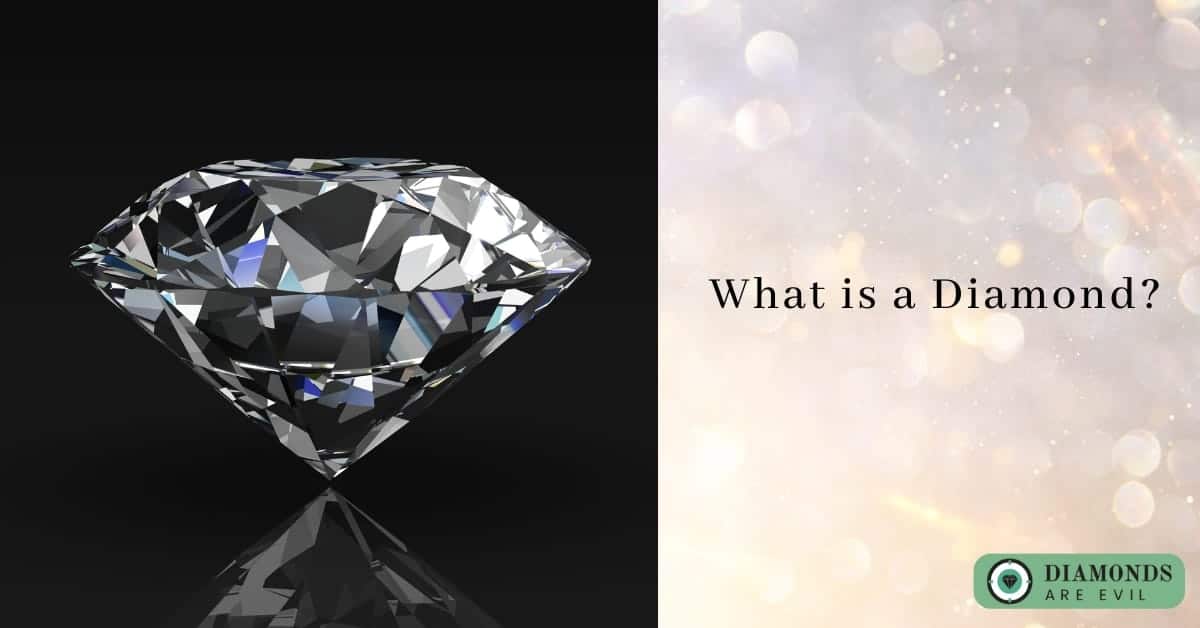
A diamond is a precious gemstone renowned for its brilliant shine and extreme hardness. It is made up of carbon atoms structured in an allotrope, which makes it the hardest known naturally occurring material on Earth.
A diamond is a symbol of beauty, luxury, and lifelong commitment. For centuries, the mark of a diamond has represented everything from the strength of relationships to shining triumphs and legacies passed down through generations.
Created thousands of miles below the earth’s surface by massive amounts of heat and pressure, diamonds have an enduring brilliance that never fades. The distinctive characteristics found in every diamond make it truly unique – its carat weight, size, color, and clarity all combine to create something extraordinary that cannot be found anywhere else.
As more than just an accessory and reflection of elegance, a diamond represents an unforgettable piece of history and a timeless statement regarding the person who wears it. They are also popularly used in scientific experiments due to their strength and stability. Additionally, they have been studied extensively due to their optical properties.
History of Diamonds and Their Use in Jewelry
The history of diamonds dates back thousands of years, with ancient cultures affording them great value and mysticism. In some societies, diamonds were used as currency, while in others diamond gemstones had major religious significance.
More recently, diamond jewelry has become popular as an expression of love and commitment symbolized by engagement rings made with diamond solitaires. Today, many people are opting for lab-created diamonds over mined diamonds due to cost savings and the peace of mind offered by being kinder to the environment.
While synthetic or man-made diamonds will never quite have the same allure as a rare naturally occurring stone, some may choose them for the sparkle alone.
Diamonds as Symbols of Love and Wealth
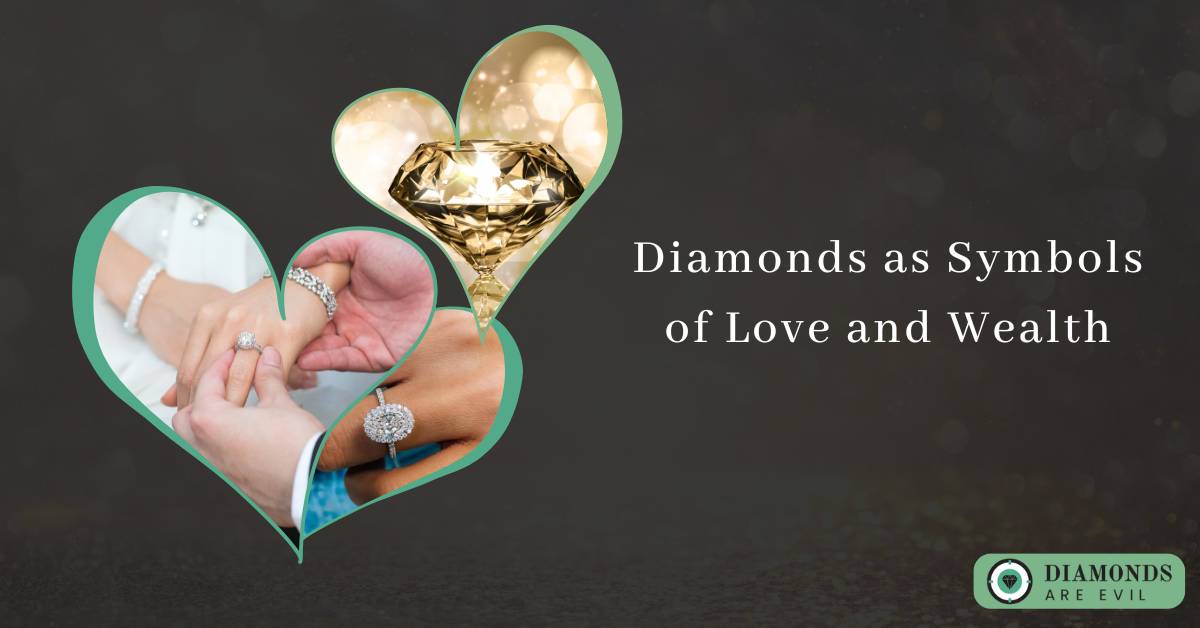
Nothing sparkles quite like a diamond, and these gems have become most famously associated with love, wealth, and power. Symbolic of commitment, diamonds have been presented as engagement rings for centuries, glittering on the hands of many young brides-to-be.
However, their use as symbols of prestige and status has been known since before the Middle Ages with royals across Europe commissioning handcrafted settings and wearing diamonds to demonstrate their power and affluence to the world.
Today, this association continues with celebrities choosing dazzlingly large stones in everything from edgy earrings to simple solitaires, each piece reminding them of their success and influence. Although diamonds remain strongly associated with money and luxe living, they are also a timeless way to express unconditional love.
Spread of Diamonds Around the World
The spread of diamonds around the world has had a significant impact on the global economy and the jewelry industry. Diamonds were first discovered in India over 3,000 years ago and were primarily used for religious and spiritual purposes. However, as these precious gems were traded along the Silk Road, they eventually made their way to Europe and eventually the rest of the world.
Here is a list of key events and locations that played a role in the spread of diamonds around the world:
India: The first known source of diamonds, with mining dating back to at least 800 BCE.
Central Asia: The Silk Road, an ancient trade route that stretched from China to Europe, played a key role in the spread of diamonds from India to the rest of the world.
Brazil: Diamonds were discovered in Brazil in the 18th century, becoming a major source of diamonds for the world.
South Africa: The discovery of diamonds in South Africa in the late 19th century marked the beginning of a new era of diamond mining, with large-scale mining operations and production.
Russia: Diamonds were discovered in Siberia in the late 19th century, and Russia became a major producer of diamonds in the 20th century.
Canada: Diamonds were discovered in Canada’s Northwest Territories in the 1990s, and today Canada is a significant diamond producer.
Africa: African countries such as Angola, Botswana, Namibia, and Sierra Leone have become major producers of diamonds in recent years.
Australia: Diamonds were discovered in Australia in the 1980s, and Australia’s diamond mines have become a significant source of production in recent years.
As the demand for diamonds continued to grow, the spread of diamond mines and diamond-cutting centers around the world made the gemstone more accessible and affordable for consumers.
Today, diamonds are mined and cut in many countries around the world, making them a truly global commodity.
Growth of Luxury Jewelry
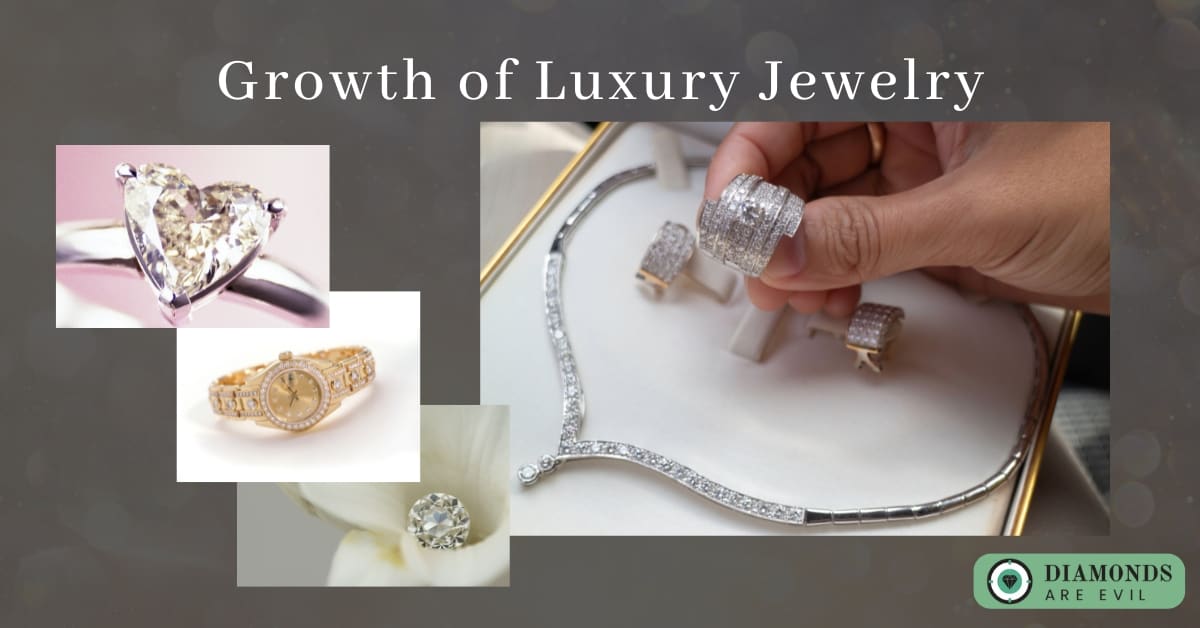
The growth of diamonds as luxury jewelry items can be traced back to the industrial revolution of the 19th century. The advancements in technology and machinery during this time allowed for the mass production of diamond jewelry, making it more accessible and affordable for a wider range of consumers.
The increased availability of diamonds, along with improved cutting and polishing techniques, also contributed to the growth of diamond jewelry.
19th century
In the 19th century, the diamond industry in Europe and the United States began to flourish, with new techniques and styles being developed. The “Old Mine Cut” and “Old European Cut” diamonds, which were popular during this time, were characterized by a high crown and small table, creating a more sparkling effect.
20th century
The 20th century saw the continued growth of the diamond jewelry industry, with new styles and designs emerging. The “Modern Brilliant Cut” diamond, which emerged in 1919, became the most popular cut, characterized by a larger table and more facets, creating a more sparkling effect.
The use of new materials such as platinum and white gold also became popular during this time, as they were better suited to showcase the brilliance of diamonds.
In addition, the De Beers Group, which controlled a vast amount of the world’s diamond mines (35%), launched a successful advertising campaign in the 1982s that associated diamonds with love, romance, and commitment. This marketing campaign helped to make diamond engagement rings a standard tradition and increased the demand for diamond jewelry.
Today, the diamond remains one of the most sought-after luxury jewelry items and continues to be associated with wealth, status, and love.
Expansion of the Diamond Trade
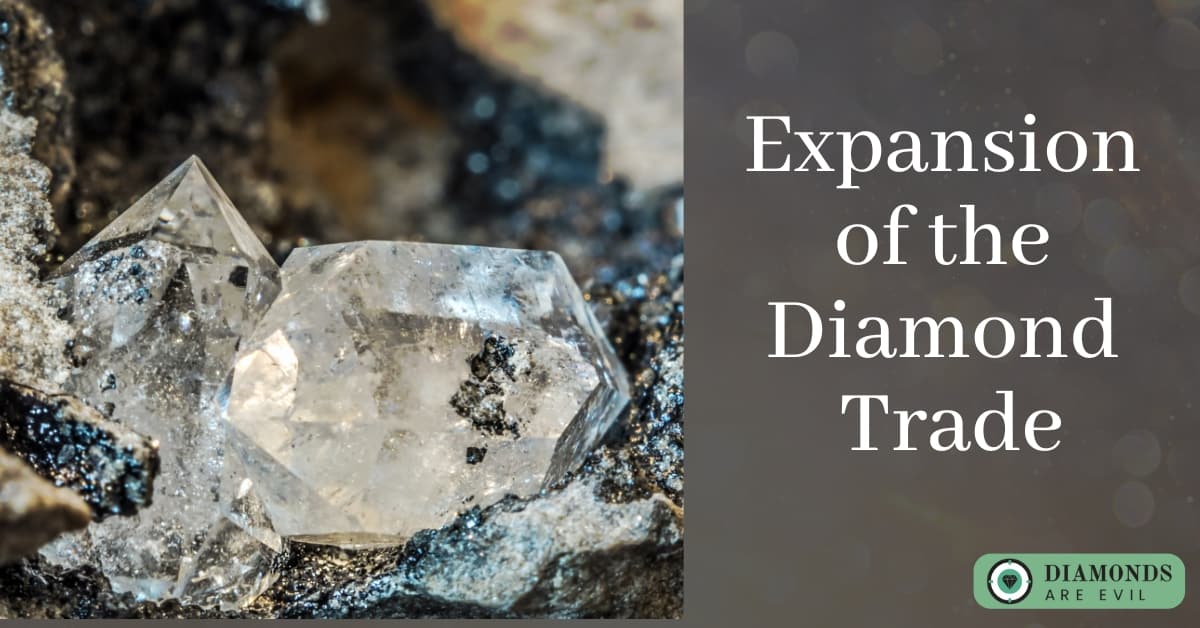
The expansion of the diamond trade has had a significant impact on the global economy and the jewelry industry. Diamonds were first discovered in India over 3,000 years ago and were primarily used for religious and spiritual purposes. However, as these precious gems were traded along the Silk Road, they eventually made their way to Europe and eventually the rest of the world.
Here is a table that shows the key events and locations that played a role in the expansion of the diamond trade:
| Time Period | Event | Location |
| 800 BCE – 18th century | Diamonds were mined and traded in India, Central Asia and along the Silk Road | India, Central Asia |
| 18th century | Diamonds were discovered in Brazil | Brazil |
| Late 19th century | Diamonds were discovered in South Africa and Russia | South Africa, Russia |
| Late 20th century | Diamond mines were opened in Canada and Australia | Canada, Australia |
| Recent years | African countries such as Angola, Botswana, Namibia and Sierra Leone have become major producers of diamonds | Africa |
As the demand for diamonds continued to grow, the expansion of diamond mines and diamond-cutting centers around the world made the gemstone more accessible and affordable for consumers.
The opening of diamond mines in new locations such as Brazil, South Africa, Russia, Canada, and Australia, along with the increase of diamond production in African countries, led to an increase in supply and a decrease in prices.
Today, diamonds are mined and traded in many countries around the world, making them a truly global commodity. With the expansion of the diamond trade, it has become possible for consumers from all over the world to own and enjoy a diamond.
New Designs and Cuts for Diamonds
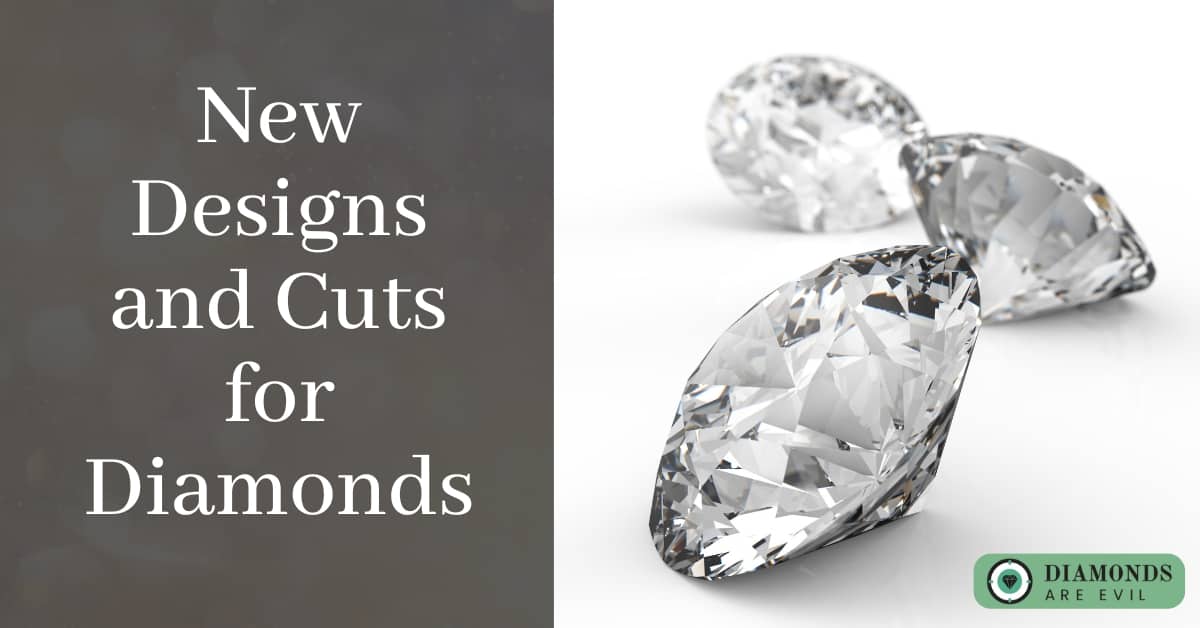
The diamond industry has seen several new designs and cuts for diamonds in recent years. These new designs and cuts have been developed to enhance the beauty and sparkle of diamonds, making them more attractive to consumers.
Here is a table that shows some of the new designs and cuts for diamonds that have emerged in recent years:
| Cut/Design | Description |
| Cushion Cut |
This cut is characterized by its rounded corners and larger facets, which create a softer, more romantic look.
|
| Radiant Cut |
This cut is a cross between a round and a princess cut, featuring a combination of both rectangular and circular facets. This cut is known for its fiery brilliance and unique sparkle.
|
| Pear Cut |
This cut is a combination of a round and marquise cut, featuring a tapered point at one end and a rounded end at the other. This cut is known for its elegant, teardrop shape.
|
| Asscher Cut |
This cut is similar to an emerald cut, featuring a large, square shape and deep, step-cut facets. This cut is known for its unique, vintage look.
|
| Oval Cut |
This cut is similar to a round cut but features an elongated shape, which makes it appear larger than a round cut of the same carat weight. This cut is known for its classic and elegant look.
|
These new designs and cuts for diamonds have been developed to appeal to a wider range of consumers and to reflect the evolving tastes and preferences of buyers. They also have the potential to increase the value of the diamond by making the diamond more beautiful and unique.
In addition to new cuts, new technologies are also being developed to improve the quality and durability of diamonds. For example, lab-grown diamonds, which are created in a laboratory setting, are becoming more popular as they offer a more sustainable and ethical alternative to mined diamonds.
Overall, the diamond industry continues to evolve and adapt to changing trends and preferences, offering new designs and cuts that appeal to a wide range of consumers.
In conclusion
Diamonds have been a source of fascination and beauty for many centuries. From their initial discovery in India to the global expansion of the diamond trade today, diamonds have become an integral part of jewelry and culture.
They are symbols of love, status, power, and wealth – something that will never fade with time. As new designs and cuts for diamonds continue to emerge, diamonds remain an enduring and timeless piece of jewelry that will always be cherished.
No matter what form they take or where they come from, diamonds are a symbol of luxury and beauty that will never go out of style. They’re an eternal reminder of the power of love and have the potential to bring joy and sparkle wherever they go. With their timeless appeal, diamonds are sure to remain an essential part of jewelry for centuries to come.