
The Impact of Technology on Diamond Jewelry Design
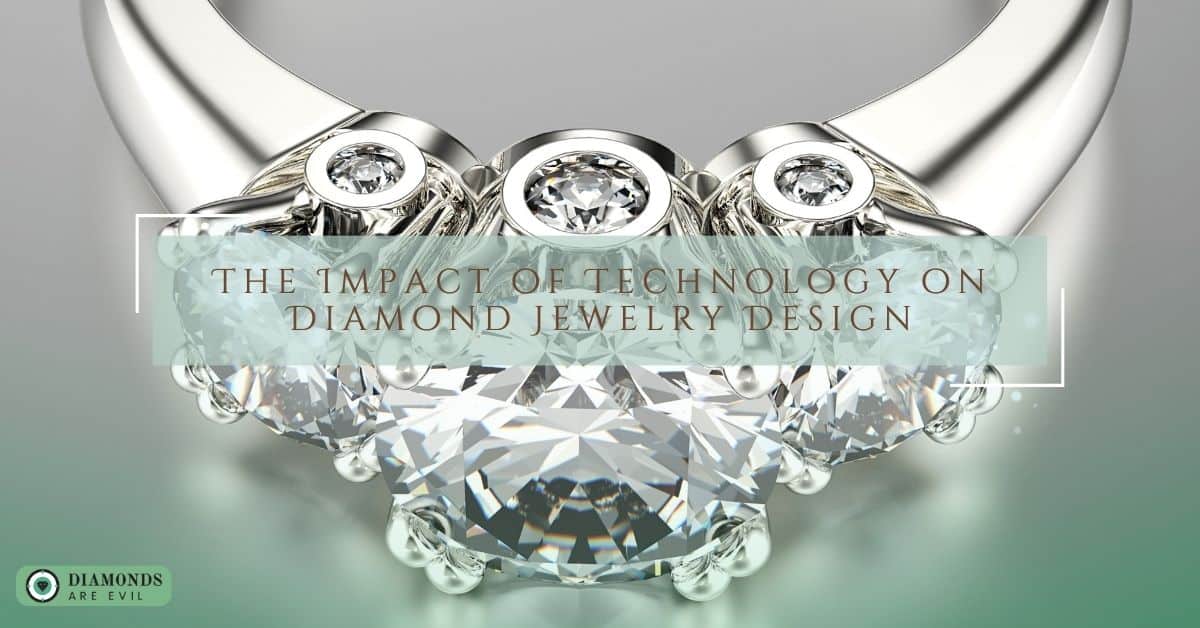
The advancement of technology has enabled a revolution in the diamond jewelry design industry. From traditional methods of cutting and setting diamonds to modern advances such as computer-aided design (CAD), 3D printing, and customization, technology has had a profound impact on the way diamond jewelry is designed and created.
This article will explore the historical overview of diamond jewelry design, the advancements in technology that have impacted the industry, and the benefits and challenges of using new technologies.
What is Diamond Jewelry Design
Diamond jewelry design refers to the process of creating unique and aesthetically pleasing jewelry pieces using diamonds as the main gemstone. This process involves a range of techniques, from the selection of diamonds to cutting and setting them in a specific design, and finally finishing the piece to create a beautiful and long-lasting product.
The importance of diamond jewelry design lies in its ability to express personal style and individuality. Diamond jewelry is not just a physical adornment, but it also carries emotional and sentimental value for many people.
Historical Overview of Diamond Jewelry Design
Diamond jewelry design has a rich and fascinating history that spans thousands of years. From the ancient civilizations of India and Rome to the medieval era and the modern era, the techniques and styles of diamond jewelry design have evolved greatly over time.
Traditional Methods of Diamond Cutting and Setting
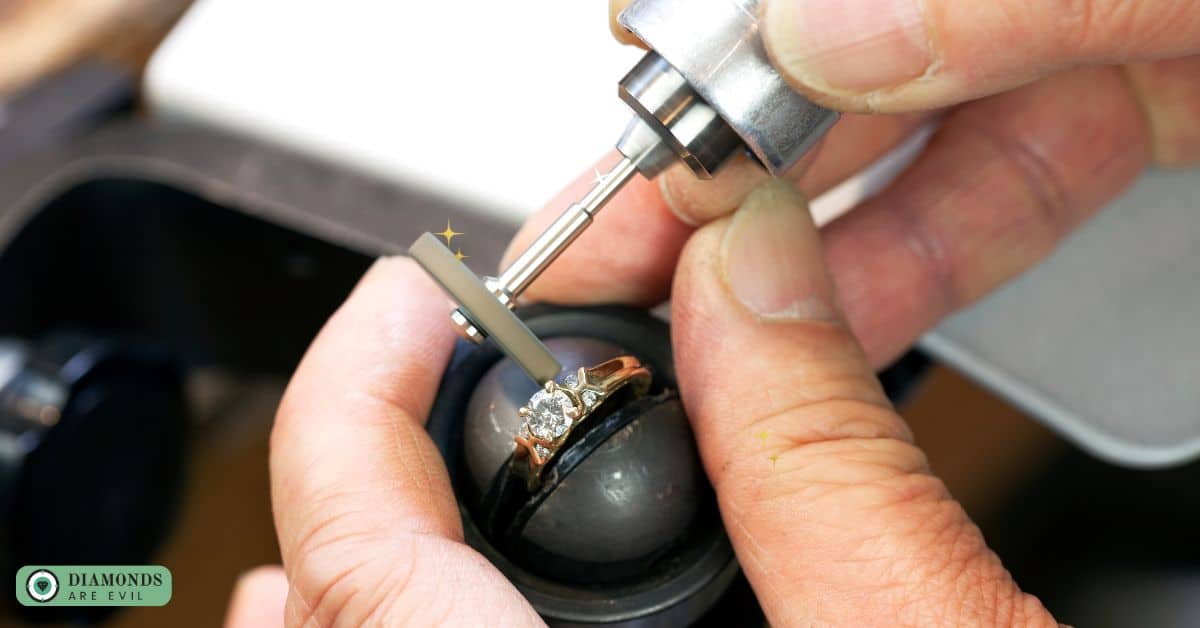
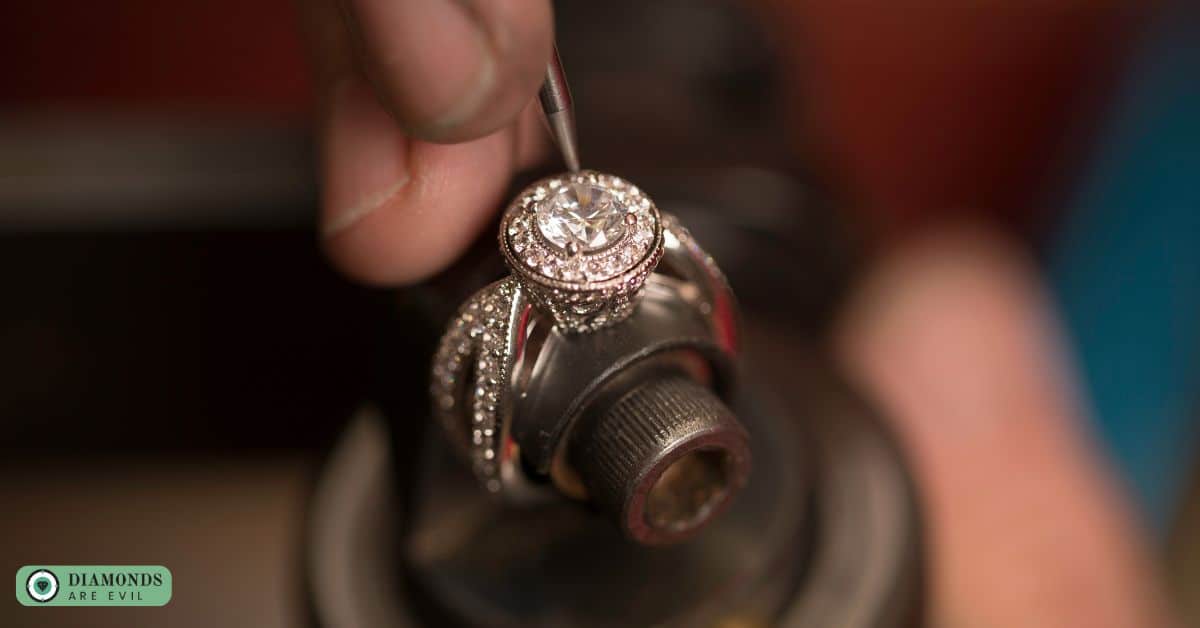
Traditional methods of diamond cutting and setting were labor-intensive and required a great deal of skill and experience. Diamond cutters would use primitive tools such as saws and files to shape the diamonds and create the desired cuts.
Evolution of Technology in Diamond Jewelry Design
The evolution of technology in diamond jewelry design has brought about many changes and advancements. The introduction of computer-aided design (CAD) has allowed jewelry designers to create more precise and intricate designs, as well as to visualize their designs before they are brought to life.
Comparison of Traditional and Modern Methods
When comparing traditional and modern methods of diamond jewelry design, it is clear that technology has greatly improved both the speed and accuracy of the design process. However, traditional methods still hold value, as they often result in unique and handcrafted pieces that are highly prized by collectors and jewelry enthusiasts.
Advancements in Technology and their Impact on Diamond Jewelry Design
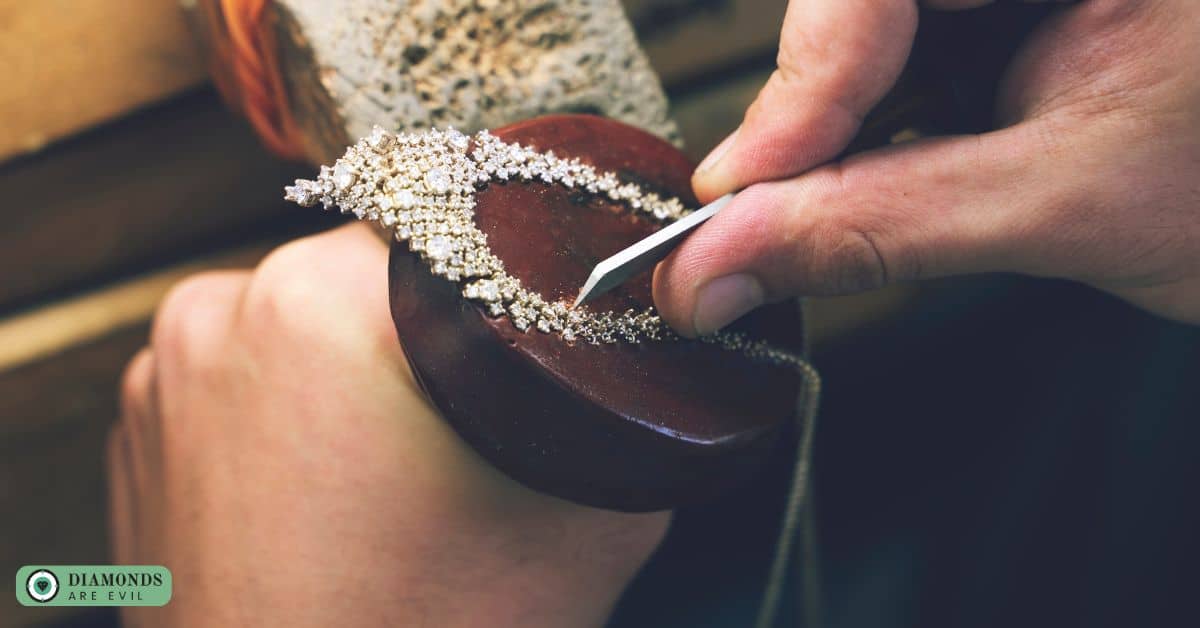
The advancements in technology have greatly impacted the diamond jewelry design industry, leading to significant improvements in both the design process and the final product. From a computer-aided design (CAD) to 3D printing, technology has revolutionized the way diamond jewelry is created.
Computer-Aided Design (CAD)
Computer-aided design (CAD) refers to the use of software and computer technology to create, modify, and optimize designs. In the diamond jewelry design industry, CAD is used to create digital models of jewelry pieces, allowing designers to experiment with different shapes, sizes, and settings before committing to a final design.
Advancements in Cutting and Setting Techniques
Advancements in cutting and setting techniques have also had a significant impact on the diamond jewelry design industry. The use of modern tools and techniques has allowed for more precise and accurate cuts, resulting in diamonds that are more symmetrical and have improved light performance.
Use of 3D Printing in Diamond Jewelry Design
3D printing has also become an important tool in the diamond jewelry design process, allowing designers to create prototypes and test their designs before mass production. 3D printing has greatly improved the speed and efficiency of the design process, as designers can make changes to their designs quickly and easily, without having to start from scratch.
Impact of Technology on Customization and Personalization of Jewelry
The impact of technology on the customization and personalization of jewelry has been significant. With the use of CAD and 3D printing, designers are able to create custom pieces for their clients, allowing them to express their personal style and individuality. Additionally, technology has made it easier for consumers to participate in the design process, allowing them to make changes to their designs and to see their finished pieces before they are produced.

Benefits of Technology in Diamond Jewelry Design
The incorporation of technology in diamond jewelry design has brought about many benefits that have greatly improved the industry. From increased precision and accuracy to enhanced customer experience, technology has revolutionized the way diamond jewelry is created and sold.
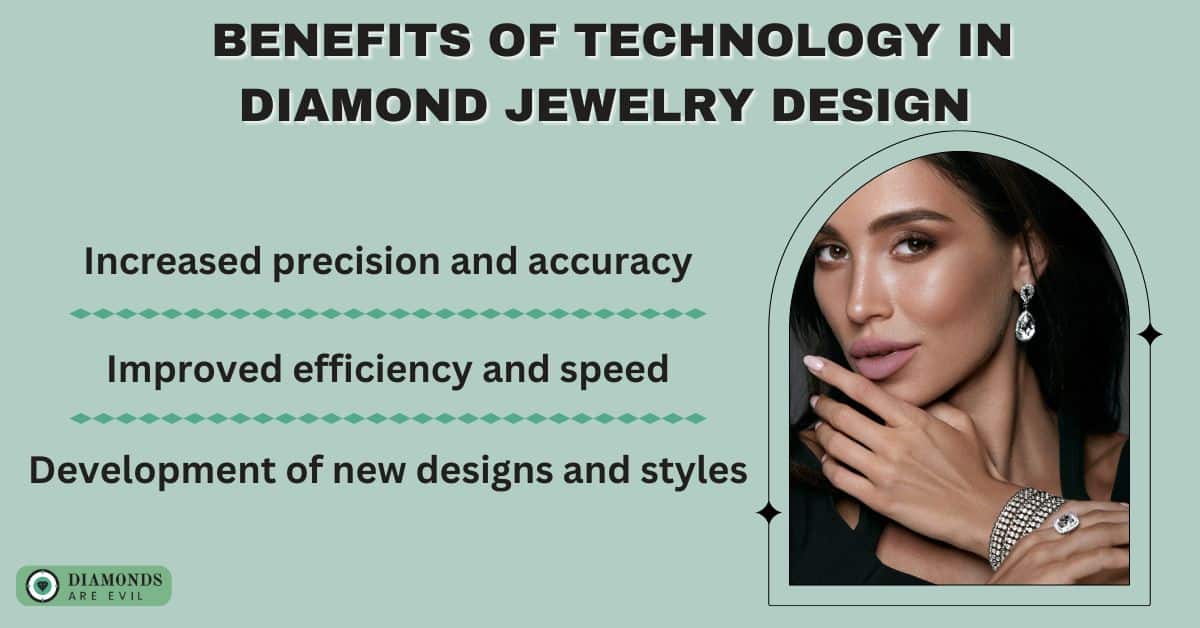
Increased precision and accuracy: One of the biggest benefits of technology in diamond jewelry design. With the use of computer-aided design (CAD) and other advanced tools, designers are able to create more precise and accurate designs, resulting in diamonds that are more symmetrical and have improved light performance.
Improved efficiency and speed: Another important benefit of technology in diamond jewelry design. With the use of CAD and 3D printing, designers are able to create digital prototypes and make changes to their designs quickly and easily. This has greatly improved the speed and efficiency of the design process, as designers can make changes to their designs without having to start from scratch.
Development of new designs and styles: With the use of technology, customers are able to participate in the design process, allowing them to make changes to their designs and to see their finished pieces before they are produced. Additionally, technology has made it easier for designers to create custom pieces for their clients, allowing them to express their personal style and individuality.
Challenges Faced by the Diamond Jewelry Design Industry
The diamond jewelry design industry has been around for centuries and is known for its timeless beauty and elegance. However, this industry also faces numerous challenges that make it difficult to maintain its position in the market. Here, we will discuss four of the main challenges faced by the diamond jewelry design industry: resistance to change and adoption of technology, competition from mass-produced jewelry, maintaining the quality and craftsmanship of traditional methods, and ensuring the ethical and sustainable use of technology.
Resistance to Change and Adoption of Technology: Technology has made it possible to design and produce jewelry more efficiently, but some jewelry designers are resistant to change and are not adopting the latest technologies. This makes it difficult for these designers to keep up with the competition and maintain their market share.
Competition from Mass-Produced Jewelry: The diamond jewelry design industry is facing increasing competition from mass-produced jewelry that is cheaper and readily available. This makes it difficult for traditional jewelry designers to maintain their prices and retain their customers.
Maintaining the Quality and Craftsmanship of Traditional Methods: Despite the advances in technology, traditional methods of jewelry design and production are still valued for their quality and craftsmanship. This is a challenge for the industry, as it is difficult to maintain the quality and craftsmanship of traditional methods while still being efficient and competitive.
Ensuring the Ethical and Sustainable Use of Technology: The diamond jewelry design industry must also ensure that its use of technology is ethical and sustainable. This includes using eco-friendly production methods, using ethical sources for raw materials, and ensuring that workers are paid fairly and work in safe conditions.
In conclusion
The diamond jewelry design industry has a rich and fascinating history that spans thousands of years. Technology has greatly impacted the diamond jewelry design industry, with advancements in cutting and setting techniques, computer-aided design, 3D printing, and customization capabilities allowing for more precise and accurate designs as well as enhanced customer experience.
However, this industry also faces numerous challenges, such as resistance to change and adoption of technology, competition from mass-produced jewelry, maintaining the quality and craftsmanship of traditional methods, and ensuring the ethical and sustainable use of technology. Despite these challenges, technology has revolutionized the way diamond jewelry is designed and sold, allowing for more options that express personal style and individuality.