
The Pricing of Diamond Jewelry Based on Metal Type and Weight
When it comes to buying diamond jewelry, price is an important factor to consider. The cost of diamond jewelry depends on various factors, such as the metal type used in the piece, the weight of the metal, and the quality of the diamonds used. Knowing the advantages and disadvantages of each metal type and weight, as well as their suitability for different types of diamond jewelry.
In this article, we will explore how these factors affect the pricing of diamond jewelry and provide an overview of the average price range for each metal type and weight. By understanding these factors, you can make an informed decision when buying diamond jewelry.
What is Diamond Jewelry
Diamond jewelry refers to pieces of jewelry that feature diamonds as the main or prominent gemstone. Diamonds are prized for their brilliance, clarity, and durability, making them an ideal choice for jewelry. Diamond jewelry can come in a variety of styles and designs, such as necklaces, rings, bracelets, earrings, and pendants.
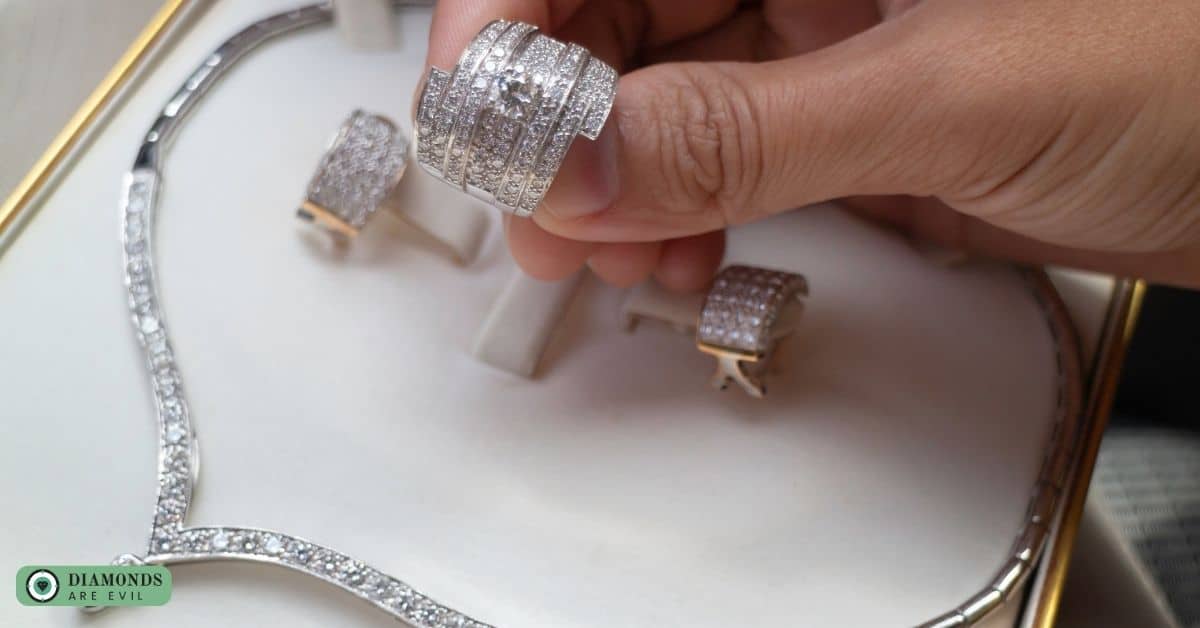
The price of diamond jewelry depends on factors such as the quality of the diamonds, the weight of the diamonds, and the metal used in the jewelry. Some of the most popular metal options for diamond jewelry include platinum, white gold, yellow gold, and rose gold. Diamond jewelry is often given as a gift to commemorate special occasions, such as weddings, anniversaries, and birthdays, and is also a popular choice for self-purchase.
Overview of Factors Affecting the Pricing of Diamond Jewelry
The pricing of diamond jewelry is influenced by a variety of factors, including the 4 Cs of diamonds (cut, color, clarity, and carat weight), the type of jewelry, the brand, and market demand. The cut of a diamond refers to its symmetry, polish, and proportion and can affect the diamond’s overall brightness, fire, and sparkle. The color of a diamond is rated on a scale, with the most valuable diamonds being completely colorless.
Clarity refers to the presence of internal and external flaws, and a higher clarity rating means fewer visible inclusions. Carat weight refers to the size of the diamond, with larger diamonds typically being more valuable. The type of jewelry and the brand can also affect the price, with designer or custom pieces typically costing more. Market demand, economic conditions, and supply and demand also play a role in determining the price of diamond jewelry.
Factors that Affect Diamond Jewelry Pricing
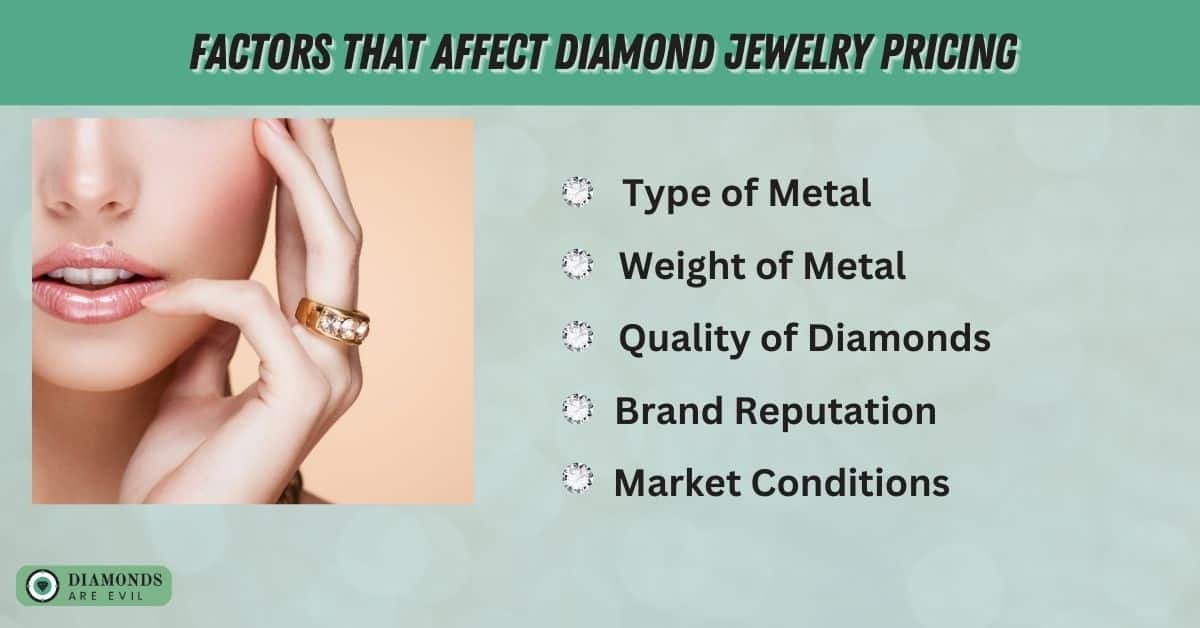
Diamond jewelry is a popular and timeless item that people purchase for a variety of reasons, such as gifts, special occasions, or personal style. However, the price of diamond jewelry can vary greatly based on various factors. In this article, we will explore the five main factors that affect the pricing of diamond jewelry: type of metal, the weight of the metal, quality of diamonds, brand reputation, and market conditions.
Type of Metal:
The type of metal used in a diamond jewelry piece can significantly impact its price. Popular metal choices for diamond jewelry include gold, platinum, and silver. Each metal type has its own unique properties that affect its price, such as durability, color, and rarity. For example, platinum is a rare and durable metal that is more expensive than gold, while silver is a less expensive metal that is not as durable as the other two options.
Weight of Metal:
The weight of the metal used in a diamond jewelry piece also affects its price. Generally, the heavier the metal, the more expensive the jewelry piece will be. This is because more metal means more material cost and a higher manufacturing cost. Popular metal weights for diamond jewelry include 1 gram, 2 grams, and 5 grams, with the average price range increasing as the weight increases.
Quality of Diamonds:
The quality of the diamonds used in a jewelry piece is also a crucial factor that affects its price. The “Four Cs” of diamonds (carat weight, cut, clarity, and color) determines the quality and price of the diamonds. A diamond with higher carat weight, a better cut, increased clarity, and a superior color will generally be more expensive than a diamond with lower quality in these categories.
Brand Reputation:
The reputation and brand name of the jewelry manufacturer can also impact the price of diamond jewelry. Well-known and reputable brands typically offer higher-priced jewelry pieces due to their reputation for quality and craftsmanship. On the other hand, lesser-known brands may offer lower-priced jewelry pieces, but their quality may be questionable.
Market Conditions:
Market conditions can affect the pricing of diamond jewelry. Economic conditions, such as inflation, recession, or changes in consumer spending, can impact the demand for diamond jewelry and thus its price. Additionally, changes in the diamond industry, such as new diamond discoveries or changes in the supply and demand for diamonds, can also affect the price of diamond jewelry.
Pricing of Diamond Jewelry Based on Metal Type
The pricing of diamond jewelry is an important factor to consider when making a purchase. One of the key factors that affect the price of diamond jewelry is the type of metal used in the piece.
Common Metal Types for Diamond Jewelry
Here, we will take a closer look at these popular metal types, their properties, and their suitability for diamond jewelry.
Gold: A traditional metal that is widely used in jewelry making. It is known for its softness and malleability, which makes it easy to work with and creates a comfortable fit for the wearer. Gold also comes in several different colors, including yellow, white, and rose, and is often used to create classic and timeless jewelry designs.
Platinum: A dense, durable metal that is resistant to tarnish and corrosion. This makes it an ideal choice for diamond jewelry, as it provides a strong and secure setting for the gems. Platinum is also known for its bright white color, which is prized for its ability to enhance the brilliance of diamonds.
Palladium: A rare metal that is similar in appearance to platinum. It is lighter in weight and less expensive than platinum, making it a popular choice for those seeking a platinum-like look at a more affordable price. Palladium is also resistant to tarnish and corrosion, making it a durable choice for diamond jewelry.
Silver: A more affordable metal that is popular for diamond jewelry. It is known for its bright and reflective surface, which can enhance the sparkle of diamonds. However, silver is also prone to tarnishing, so it may require more maintenance than other metal types.
Comparison Table of the Advantages and Disadvantages of Each Metal Type
| Metal Type | Advantages | Disadvantages |
| Gold | Durable and Resistant to Tarnish, Widely Available, Available in Various Colors
|
Prone to Scratches and Dents, Soft- So Prone to Damage, Higher Cost Than Other Metal Types |
| Platinum | Durable and Resistant to Tarnish, Hypoallergenic, Rare and Valuable,
|
Expensive Compared to Other Metal Types, Dense- So Heavier Than Other Metal Types, Difficult to Work With |
| Palladium | Durable and Resistant to Tarnish, Hypoallergenic, Less Expensive Than Platinum | Less Rare Than Platinum- So Not as Valuable, Not as Widely Available as Other Metal Types, Not as Easy to Work With as Other Metal Types |
| Silver | Inexpensive Compared to Other Metal Types, Easy to Work With
|
Soft- So Prone to Damage, Prone to Tarnish, Not as Durable as Other Metal Types |
Factors that Affect the Price of Each Metal Type
The prices of precious metals, such as gold, platinum, palladium, and silver, are impacted by various factors. In this article, we will explore the main factors that affect the prices of each metal type.
| Metal Type | Factors Affecting Price |
| Gold | Supply and Demand: If the demand for gold is high and the supply is low, the price will increase. Conversely, if the demand is low and the supply is high, the price will decrease.
Economic Factors: Economic conditions, such as inflation, recession, and changes in consumer spending, can affect the demand for gold and its price.
Political Factors: For example, during times of uncertainty and geopolitical unrest, the demand for gold as a safe haven asset can increase, driving up its price. |
| Platinum | Supply and Demand: If the demand for platinum is high and the supply is low, the price will increase. Conversely, if the demand is low and the supply is high, the price will decrease.
Economic Factors: Economic conditions, such as inflation, recession, and changes in consumer spending, can affect the demand for platinum and its price.
Industrial Demand: Platinum has a variety of industrial uses, including catalytic converters in the automotive industry and electronics manufacturing. Changes in industrial demand for platinum can impact its price. |
| Palladium | Supply and Demand: If the demand for palladium is high and the supply is low, the price will increase. Conversely, if the demand is low and the supply is high, the price will decrease.
Economic Factors: Economic conditions, such as inflation, recession, and changes in consumer spending, can affect the demand for palladium and its price.
Automotive Demand: Palladium is used in catalytic converters in the automotive industry, and changes in demand for automobiles can impact the demand for and price of palladium. |
| Silver | Supply and Demand: If the demand for silver is high and the supply is low, the price will increase. Conversely, if the demand is low and the supply is high, the price will decrease.
Economic Factors: Economic conditions, such as inflation, recession, and changes in consumer spending, can affect the demand for silver and its price.
Industrial Demand: Silver has a variety of industrial uses, including electronics manufacturing and solar panels. Changes in industrial demand for silver can impact its price. |
Average Price Range for Each Metal Type
| Metal Type | Average Price Range |
| Gold | $1,500 – $2,500 per ounce |
| Platinum | $900 – $1,400 per ounce |
| Palladium | $2,500 – $3,500 per ounce |
| Silver | $20 – $30 per ounce |
Pricing of Diamond Jewelry Based on Weight
The weight of the metal used in a diamond jewelry piece can significantly impact its price. Generally, the heavier the metal, the more expensive the jewelry piece will be. This is because more metal means more material cost and a higher manufacturing cost. Here, we will take a closer look at the different weight options and their approximate price ranges.
How Weight Affects Price
The weight of precious metals, such as gold, platinum, palladium, and silver, can greatly affect their price. In this article, we will explore how weight affects the price of these precious metals.
Price per Ounce: The price of precious metals is typically quoted in terms of price per ounce. This means that the heavier the metal, the higher the price. For example, a one-ounce gold bar would be more expensive than a half-ounce gold bar.
Scarcity: Heavier metals are generally scarcer than lighter metals. This scarcity can drive up the price of heavier metals, making them more valuable.
Production Costs: The production costs of extracting and refining heavier metals are often higher than those of lighter metals. This can contribute to the higher price of heavier metals.
Comparison of Popular Weights (1 gram, 2 grams, 5 grams)
| Weight (in grams) | Average Price Range (in USD) |
Comparison | Advantages | Disadvantages |
| 1 | $50 – $250 | Suitable for small and delicate jewelry items, such as stud earrings or a simple pendant. | Affordable
|
May not be suitable for larger jewelry items or for those who prefer a more substantial look
|
| 2 | $100 – $500 | Suitable for slightly larger jewelry items, such as hoop earrings, rings, bracelets or a medium-sized pendant. | Offers a balance between affordability and size, suitable for medium-sized jewelry items
|
May still be too small for those who prefer a more substantial look |
| 5 | $250 – $1500 | Suitable for more substantial jewelry items, such as a bangle bracelet, necklaces, statement rings or a large pendant.
|
suitable for large jewelry items | More expensive than smaller weights |
Note: The above table provides a general comparison of the advantages, disadvantages, and a rough estimate of the average price range of each weight and is intended to provide a general idea of the different weights and their suitability for various types of jewelry. The actual cost and suitability of each weight will depend on various factors, such as the type of metal, the quality of the metal, and market conditions.

In conclusion
The pricing of diamond jewelry can vary significantly based on a variety of factors, such as the 4 Cs of diamonds, the type of metal used in the piece, the weight of the metal, brand reputation, and market conditions. Knowing these factors can help you make an informed decision when shopping for diamond jewelry.
Additionally, understanding the advantages and disadvantages of each metal type and weight, as well as their suitability for different types of jewelry, can help you choose the best option for your needs. With this knowledge, you are sure to find the perfect diamond jewelry piece that meets your budget and needs.