
The Role of Metal Type and Setting in Determining Engagement Ring Style
Choosing an engagement ring is a big decision, and much of the style of the ring will be determined by the type of metal used in its construction. Gold and silver are two popular choices for rings, but there are also other metals to consider such as platinum, titanium, and palladium.
The type of metal used in an engagement ring can greatly influence its style, with options ranging from traditional yellow gold to more contemporary platinum and rose gold. The setting of the ring, such as the prong, bezel, or pavé, also plays a significant role in determining the overall style and design of the ring.
In this article, we will explore the various types of metal and settings available for engagement rings, and how they can influence the look and feel of your engagement ring.
The Importance of Metal Type and Setting When Selecting an Engagement Ring
Choosing the right engagement ring is a major decision that requires careful consideration. One of the most important aspects of selecting an engagement ring is deciding on the metal type. Popular metals include gold, silver, platinum, and titanium, each offering different levels of durability, shine, and cost that should be taken into account when making your selection.
The setting of an engagement ring has a great effect on its look and feel. Settings can range from contemporary to traditional designs and offer various benefits depending on your preference. Consider the shape and size of the stone as well as measurements such as height or depth when selecting a setting for your ideal engagement ring.
When it comes to finding an engagement ring, picking the right combination of metal type and the setting is essential for creating a beautiful piece that you’ll cherish forever. Do some research before making your purchase to ensure you make a selection perfectly suited for a lifetime of love.
Types of Ring Settings
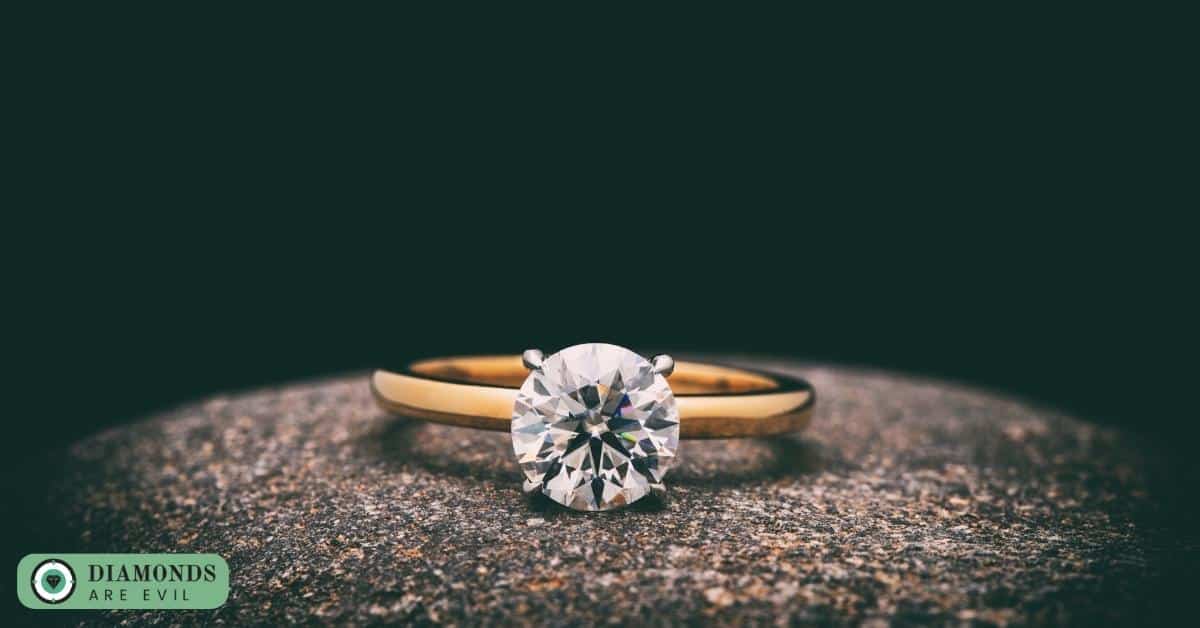
When it comes to selecting a ring setting, many options offer unique benefits and styles. Here’s a brief overview of three popular types of ring settings: Prong, Bezel, and Pavé.
| Setting Type | Description | Benefits |
| Prong | Prongs are metal prongs that hold the stone securely in place, creating a classic look. |
Prongs can showcase the diamond’s brilliance and fire, making them ideal for showcasing larger stones. They also provide good security for valuable gemstones.
|
| Bezel | A bezel consists of metal wrapped all around the stone, providing maximum protection against knocks and scratches. |
Bezels are perfect for those with an active lifestyle as they offer great durability and security for the gemstone. They also have a sophisticated look that will never go out of style.
|
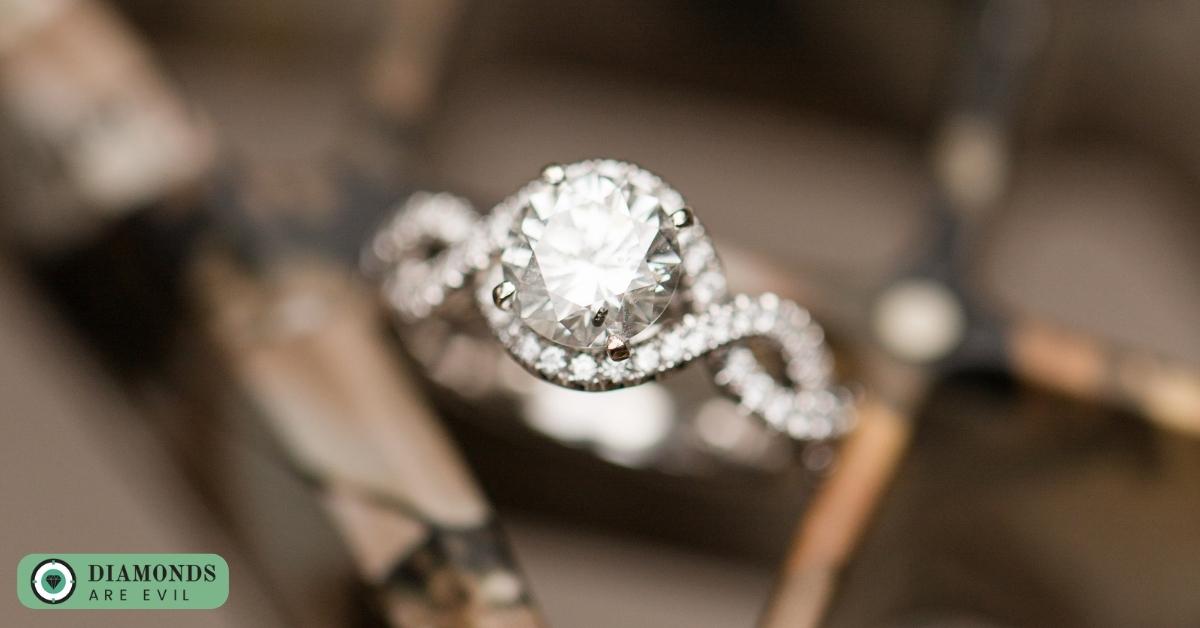
| Pavé | Pavé is a type of setting where multiple small stones are set on top of one another to form a single band. This creates a dazzling effect of glittering sparkle which is perfect for smaller engagement rings. |
Pavé is an eye-catching setting that offers excellent coverage if you want to create more visual impact with your piece without needing to invest in larger diamonds or gemstones. It also offers more stability than other settings such as prongs or bezels.
|
No matter what type of metal type or setting you to decide on when selecting an engagement ring, always research each option thoroughly before making your purchase to ensure your choice is perfectly suited for a lifetime of love!
Types of Metals for Engagement Rings
When it comes to choosing an engagement ring, one of the most important decisions is selecting the type of metal to use. From traditional yellow gold to modern alternatives like platinum and titanium, there are several options available.
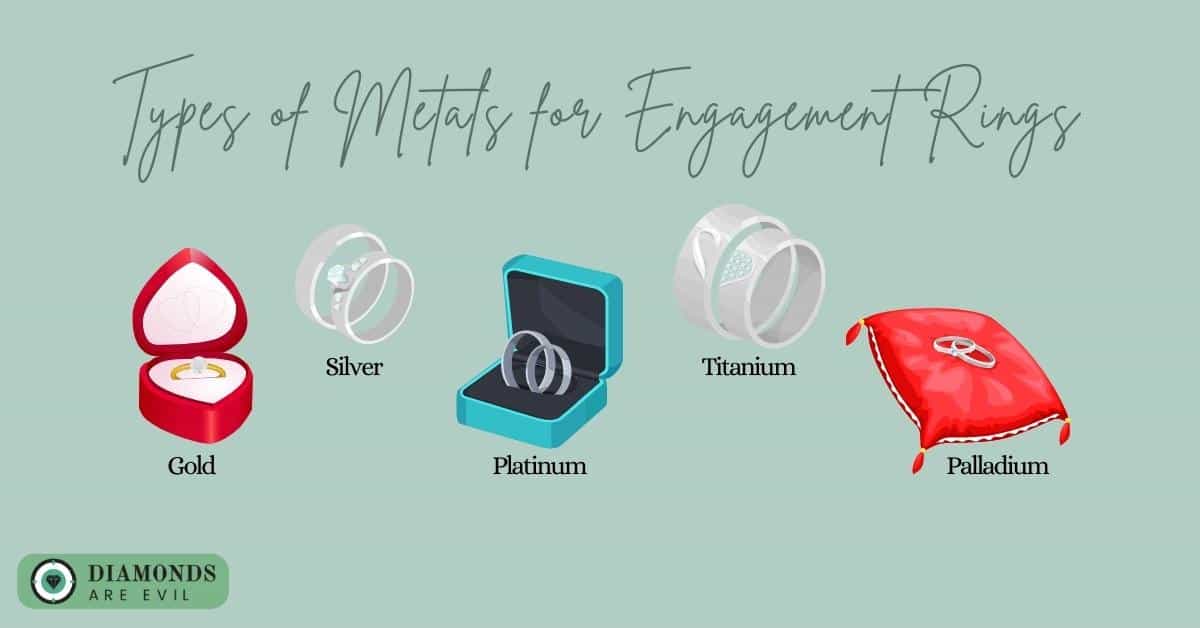
In this table, we will explore the most popular types of metals used in engagement rings.
Gold
Gold has been a popular choice for engagement rings for centuries, due to its warm yellow color and durability. It is also a relatively soft metal, making it easy to work with when designing the ring. There are several different types of gold, including 14K and 18K, with 14K being the most popular engagement ring.
Silver
Silver is a popular alternative to gold due to its lower cost, but it is also a softer metal that can easily scratch or tarnish over time. As a result, silver engagement rings are not as durable as other options, and may require more maintenance over time.
Platinum
Platinum is a popular choice for engagement rings due to its durability and white color, which does not yellow over time like gold can. It is also a denser metal, making it heavier and more substantial than other options. Platinum engagement rings tend to be more expensive than gold or silver, but they are also more durable and long-lasting.
Titanium
Titanium is a modern option for engagement rings and is becoming increasingly popular due to its durability and lightweight. It is also a hypoallergenic metal, making it a good option for those with sensitive skin. However, titanium can be difficult to work with when designing the ring, and may not have the same warm color as gold or platinum.
Palladium
Palladium is similar to platinum in terms of color and durability but is less expensive. It is a dense metal, making it heavy and substantial like platinum, but lighter than gold. Palladium engagement rings are a good option for those who want the durability of platinum without the high cost.
The type of metal you choose for your engagement ring will greatly impact its overall look and durability. From traditional yellow gold to modern alternatives like titanium and palladium, there are many options to choose from. Consider your budget, personal preferences, and lifestyle when making your decision.
How Metal Type and Setting Affect Engagement Ring Style
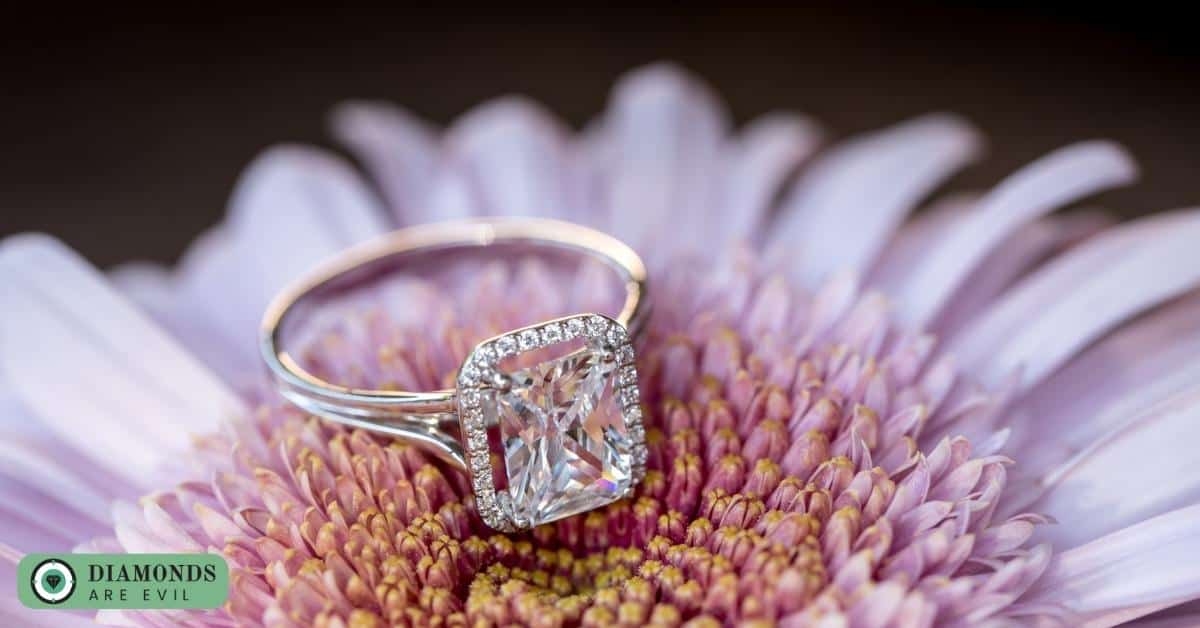
Engagement ring styles have been evolving for centuries and the materials used to make them have a major influence on their look and feel. Metal type and setting are two important factors in determining what kind of engagement ring you go with.
Here’s a closer look at how metal type and setting affect engagement ring style:
| Metal Type | Setting | Look & Feel |
|---|---|---|
| Gold | Prong | Traditional & Sparkly |
| Silver | Bezel | Bright & Subtle Brilliance |
| Platinum | Flush | Dark & Heavyweight |
| Palladium | Mixed | Unique Greyish Hue & Contemporary Vibes |
Choosing an appropriate metal type and setting type can help make your special moment even more extra special by creating a unique look that perfectly fits your needs! With so many options available today it’s easy to find something that reflects your sense of style while also perfectly complimenting your future spouse’s taste as well.
Tips for Choosing the Right Metal and Setting for Your Engagement Ring
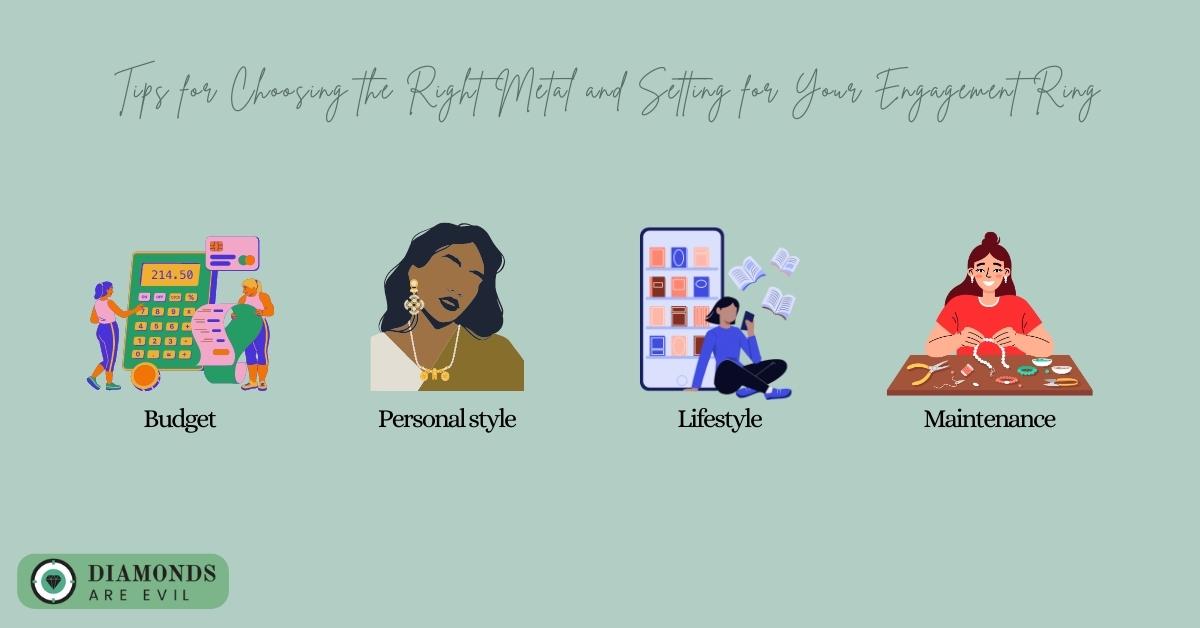
The metal and setting of an engagement ring play a significant role in its overall look and durability. When selecting the metal and setting for your engagement ring, there are several factors to consider to ensure you choose the right one for you.
Budget
Consider your budget when choosing a metal and setting for your engagement ring. Gold and platinum tend to be more expensive than silver or titanium, while unique and elaborate settings can also add to the cost of the ring. Determine what you are comfortable spending and look for options that fit within your budget.
Personal style
Think about your style and the look you want for your engagement ring. If you prefer a classic and timeless look, a yellow-gold band with a simple solitaire setting may be the best option for you. If you prefer a more modern look, consider a platinum or titanium band with a unique setting.
Lifestyle
Your lifestyle should also be taken into consideration when choosing a metal and setting for your engagement ring. If you are active and prone to wear and tear on your jewelry, a durable metal like titanium or platinum may be a better option. If you have sensitive skin, consider a hypoallergenic metal like palladium.
Maintenance
Consider how much maintenance you are willing to do to keep your engagement ring looking its best. Some metals, like silver, may require more frequent cleaning and polishing to prevent tarnishing, while others, like platinum, are more durable and require less maintenance.
Choosing the right metal and setting for your engagement ring is an important decision. Take the time to consider these factors and find the right combination that works best for you.
In Conclusion
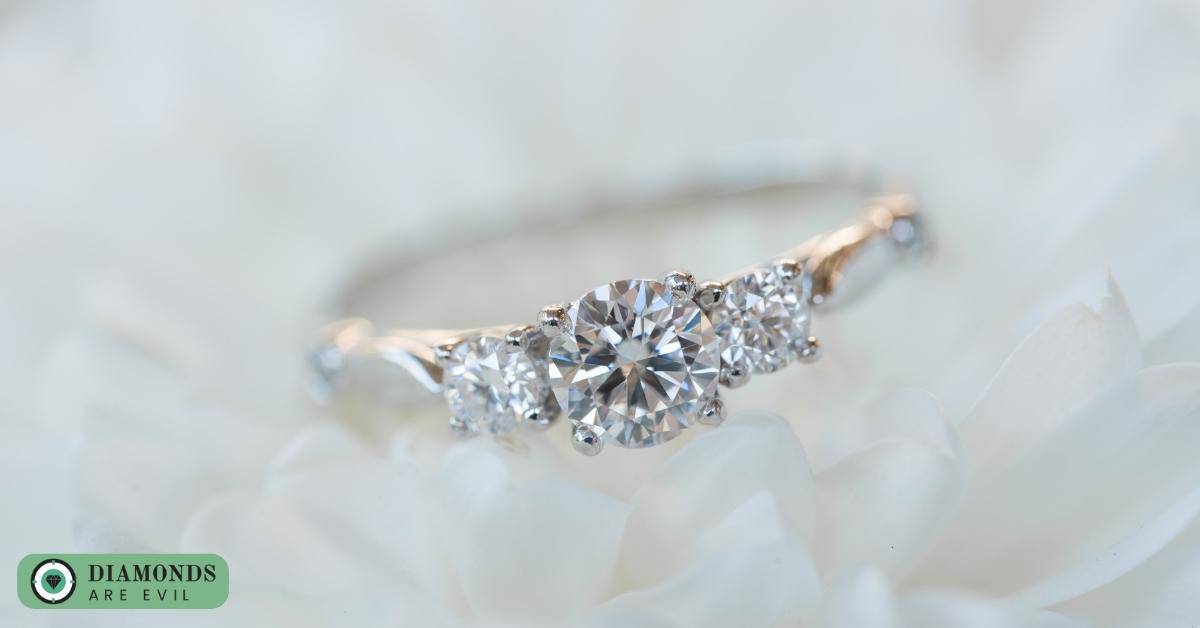
Your engagement ring is a special symbol of your love and commitment, so it’s important to find an option that reflects your style. Choosing the right metal type and setting can help make your ring more unique and personal while also ensuring it meets all of your needs.
Consider budget, personal style, lifestyle, and maintenance when selecting an engagement ring, and be sure to research each option thoroughly before making your purchase. With the right combination of metal type and setting, you can create an engagement ring that will last a lifetime!