
The Role of Mining in Diamond Rarity
Diamond rarity is highly influenced by mining practices. Exploration, extraction, sorting, and grading all affect the quantity and quality of diamonds available in the market. Responsible mining practices and sustainability initiatives play a vital role in maintaining diamond rarity and ensuring the longevity of the industry.
In this blog post, we’ll explore the fascinating relationship between diamond mining and the rarity of these precious stones. From the history of diamond mining to the environmental impact of modern mining practices, we’ll delve into the complex issues surrounding this important industry and its impact on the world of luxury goods.
Diamond Rarity
This refers to the occurrence of diamonds in nature. The rarity of a particular diamond is determined by its color, clarity, cut, and carat weight. A rarer diamond typically has fewer imperfections and provides an exceptional sparkle that stands out from other stones.
Rarity is also determined by how difficult it is to find stones with specific characteristics; for example, it is more difficult to find a high-quality diamond with an intense color saturation. Due to its rarity, diamonds are highly sought after and considered one of the most valuable gems in the world.
The rarity of a diamond can significantly affect its value, helping to make certain stones much pricier than others. Finding rare diamonds is part of the allure of owning a diamond: it takes an experienced eye to identify and appreciate the unique qualities that make certain diamonds stand out from the rest.
Collectors and investors often search for rare diamonds with valuable characteristics in order to build their collection or strengthen their portfolio.
Diamond Mining
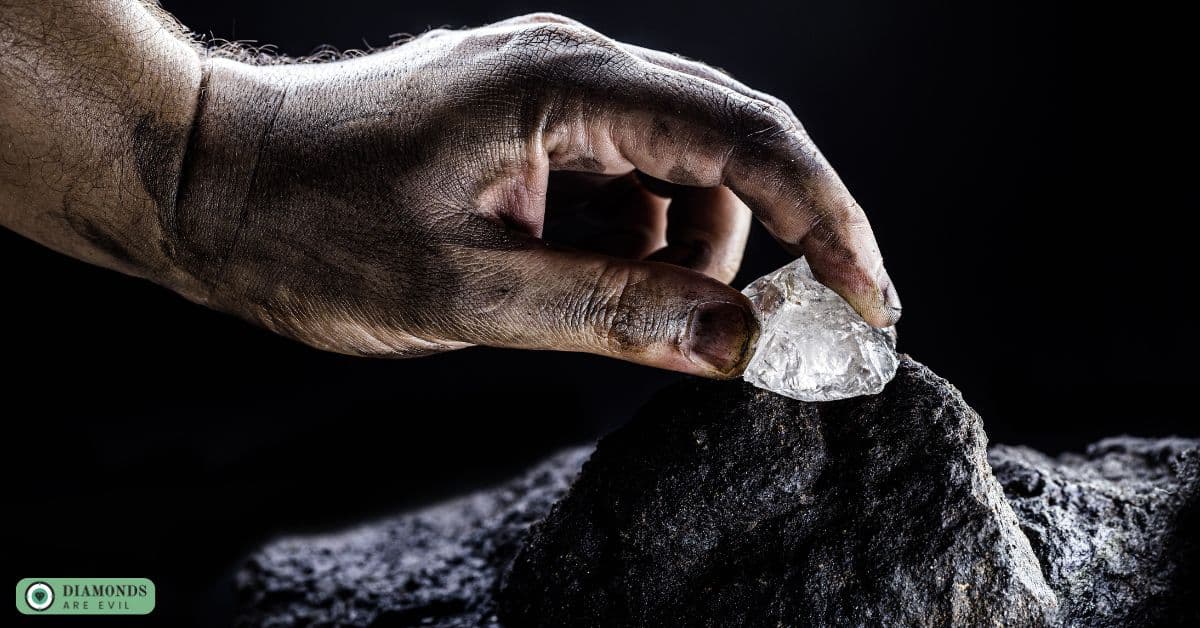
This is a costly and time-consuming endeavor, as it requires special equipment and expertise to find these rare stones. Mining companies that specialize in diamonds have access to the latest technology, allowing them to locate and extract some of the world’s most valuable diamonds.
While a single diamond may take many years to find, they are often worth far more than their weight in gold. Diamond mining has been around for centuries, and continues to be a major source of valuable gems today.
Investing in diamonds can be a lucrative business, as the value of rare stones often increases over time due to their rarity and beauty. As such, diamond miners are constantly on the lookout for new deposits that may yield valuable stones.
Mining is a challenging and potentially dangerous occupation, as miners must work in difficult conditions to find the gems they seek. Despite this, diamond mining continues to be an important part of the global gemstone industry.
Types of diamond mines
Diamonds are one of the most precious and sought-after gems in the world, known for their exquisite beauty and rarity. These dazzling gems are found in diamond mines, which are located in various parts of the world.
There are several types of diamond mines, each with its own unique characteristics and methods of extraction. In this response, we will explore the different types of diamond mines.
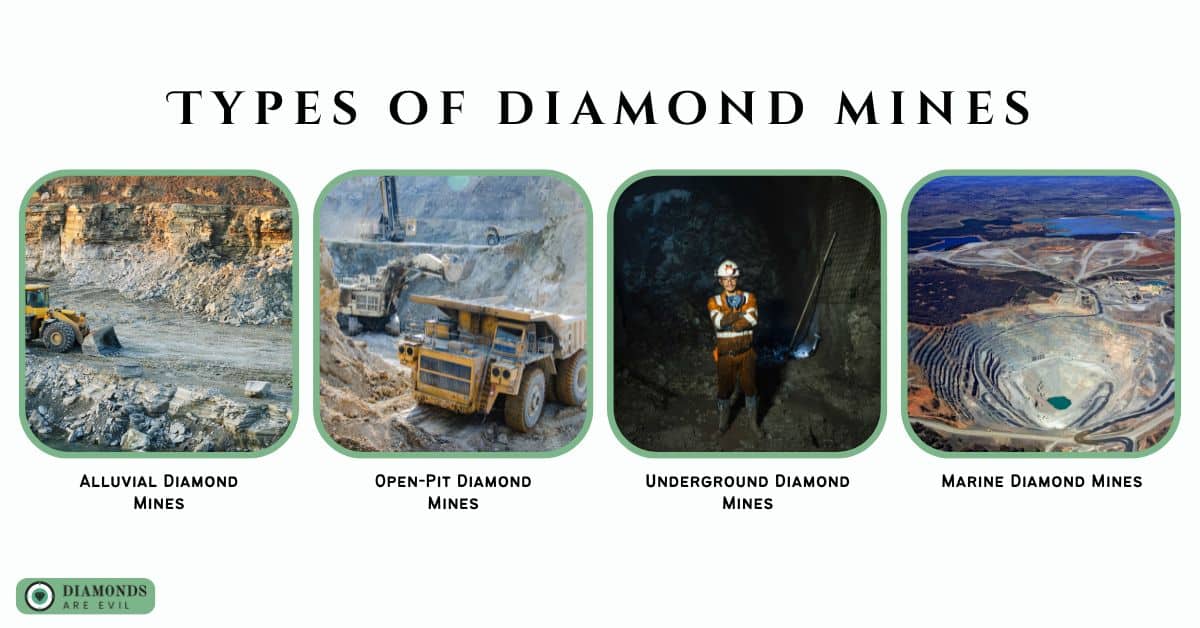
Alluvial Diamond Mines: Alluvial diamond mines are found in riverbeds and along coastlines. They are formed from the erosion of diamond-bearing kimberlite rocks and are typically shallow and easily accessible. These mines require less intensive mining techniques compared to other types of diamond mines.
- Open-Pit Diamond Mines: Open-pit diamond mines are the most common type of diamond mine. They are found in large, open pits that are dug deep into the earth’s surface. Heavy machinery, including trucks and excavators, is used to extract the diamond-bearing ore. This method of mining is expensive and time-consuming but can yield large quantities of diamonds.
- Underground Diamond Mines: Underground diamond mines are located deep beneath the earth’s surface and require extensive tunneling to access. This type of mining is more expensive and dangerous than open-pit mining, but it can yield high-quality diamonds that are not found in other types of mines.
- Marine Diamond Mines: Marine diamond mines are located off the coast of countries such as Namibia and South Africa. These mines use specialized ships to mine the ocean floor for diamonds. This type of mining is complex and expensive, but it can yield large quantities of high-quality diamonds.
Environmental impact
Despite the potential financial gain, diamond mining can have a devastating impact on the environment. The process of extracting diamonds from the earth requires large amounts of energy and water, which can lead to deforestation, land erosion, and air and water pollution.
Additionally, it leaves large areas of barren land that are unable to support new wildlife or vegetation for years afterward.
Therefore, it is essential to ensure that diamond mining is conducted responsibly and with the least amount of disruption to the environment as possible. Many companies have put in place stringent regulations and practices to minimize their impact on nature.
However, it is ultimately up to us as consumers to be mindful of how our choices may affect the environment.

Factors affecting diamond rarity
Diamonds are highly sought-after precious gems, prized for their exceptional beauty and rarity. However, not all diamonds are created equal, and some are rarer than others. The rarity of a diamond is determined by various factors. Here are some of the factors that affect diamond rarity:
Natural factors
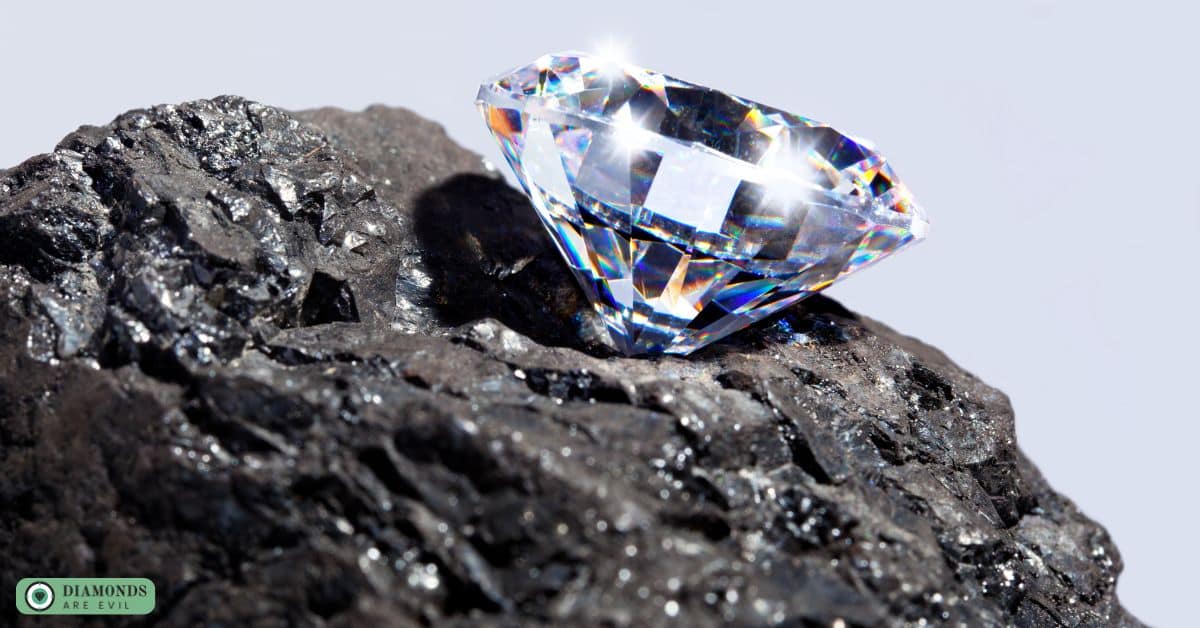
The most significant factor affecting diamond rarity is its natural occurrence. Diamonds are formed deep within the Earth’s crust and can take millions of years to form. As such, it is much more difficult to find diamonds of certain quality and characteristics than others.
Geology
Diamonds are formed in regions of the world where kimberlite rocks are found. These kimberlite pipes contain diamonds and other precious minerals, but are often difficult to access due to geological conditions. Therefore, certain areas may not be able to produce diamonds of the same quality as others.
Volcanic eruptions
Volcanic eruptions can bring diamonds to the surface, making them more easily accessible. However, these diamonds may be of lower quality due to the harsh conditions they have been subjected to. Additionally, these eruptions can cause destruction and disruption in an area—affecting both the environment and the local population.
Climate
The climate of a region can also affect the rarity of diamonds. Diamonds found in regions with warmer climates tend to be more plentiful and of better quality than those found in colder climates. The temperature, humidity, and weather patterns of an area all play a role in the abundance and quality of diamonds available.
Human factors
The rarity of diamonds can also be affected by human factors such as mining and trading. As diamonds are a valuable commodity, they are often subject to illegal mining and smuggling. Additionally, traders may purchase rare diamonds for higher prices than those found in the market, thus artificially creating an environment of high diamond rarity.

Mining practices
Mining practices can also affect diamond rarity, as mining companies may prioritize the extraction of certain types of diamonds over others. This could lead to a scarcity of certain diamonds in the market and an artificial increase in their value.
Market demand
The market demand for certain types of diamonds can also affect their rarity. For example, if a particular type of diamond is highly sought after in the market, then it may be more difficult to find and could become rarer over time due to its popularity.
Supply and demand
The rarity of diamonds can also be affected by the overall supply and demand in the market. If there is a high demand for diamonds but a low supply, this could lead to an increase in prices and a decrease in diamond availability.

How mining affects diamond rarity
Mining is one of the primary ways in which diamonds can be obtained. It involves excavating the earth’s surface to locate and extract diamond-bearing kimberlite rocks. The process of mining diamonds can have a great impact on their rarity, as it often leads to an artificial increase in prices due to higher demand.
Additionally, mining can have a detrimental effect on the environment, as it requires large amounts of energy and water and causes deforestation, land erosion, and air and water pollution. If not done responsibly, diamond mining can lead to an overall decrease in diamond availability due to its adverse effects on nature.
Exploration
The exploration of diamond deposits is a complex and costly process that requires specialized expertise and equipment. Exploration can help to identify new sources of diamonds, allowing mining companies to access areas that may yield more valuable stones.
This helps to increase the overall supply of diamonds in the market, thus reducing their rarity and making them more accessible. Additionally, exploration can help to identify areas that are rich in diamonds and therefore more likely to contain rare gems.

Extraction
Extraction is the process of extracting diamonds from their natural deposits. Depending on the type of deposit, different mining techniques may need to be used in order to extract the diamonds.
This can have a great impact on diamond rarity as it affects both the supply and quality of diamonds available in the market. For example, if a particular type of diamond is difficult to extract, then it could become rarer due to its scarcity in the market.

Sorting and grading
Sorting and grading are important processes that help to determine the rarity of diamonds. After extraction, diamonds are sorted and graded according to their color, clarity, cut, and carat weight.
This is done in order to identify stones with unique characteristics that may be more difficult to find in nature. The sorting and grading process helps to ensure that only the highest-quality diamonds are sold in the market, thus increasing their rarity and value.

The role of mining in maintaining diamond rarity
Mining is one of the primary ways in which diamonds can be obtained. It involves excavating the earth’s surface to locate and extract diamond-bearing kimberlite rocks. The process of mining can have a great impact on the rarity of diamonds, as it often leads to an artificial increase in their prices due to higher demand.
Sustainability practices
In order to ensure that diamond mining is conducted responsibly, many companies have implemented stringent regulations and practices to minimize its impact on the environment. This includes using energy-efficient methods of extraction, such as dredging and hydraulic mining, as well as implementing reclamation plans that help to restore the land after mining operations are completed.

Certification programs
Many diamond mining companies have also implemented certification programs to ensure that they are following ethical and sustainable practices. These programs often involve rigorous testing of the diamonds to ensure their quality, as well as verifying that the company is adhering to strict environmental standards.
This helps to maintain the rarity of diamonds by ensuring that only ethically sourced gems are sold in the market.

Community engagement
Diamond mining companies must also engage with local communities and ensure that they are not adversely affected by the mining process. This can include providing jobs to locals, offering educational opportunities, and helping to improve living conditions in the area.
By engaging with local communities, diamond mining companies can help to ensure a better future for all those involved.

In Conclusion
Diamond mining is an integral part of the global gemstone industry. Properly managed and conducted responsibly, it can help to maintain the rarity of diamonds by providing access to rare stones and ensuring they are ethically sourced.
However, it is essential that sustainable practices are implemented in order to minimize its environmental impact. Additionally, community engagement should be a priority in order to ensure that local communities are not adversely affected by diamond mining operations.