
The Science Behind Lab-Grown Diamonds
Lab-grown diamonds are becoming increasingly popular as an alternative to natural diamonds. The science behind the creation of these diamonds is fascinating, involving two main methods: High-pressure high-temperature (HPHT) and Chemical vapor deposition (CVD).
With the recent advancements in technology, there has been the development of lab-grown diamonds that are physically and chemically identical to natural diamonds. In this blog post, we will explore the science behind lab-grown diamonds, how they are made and the advantages they offer over natural diamonds. So, let’s dive into the fascinating world of lab-grown diamonds!
Popularity of Lab-Grown Diamonds
The popularity of Lab-grown diamonds has been steadily increasing in recent years. The lab-grown diamond sector grew by 24% in 2018 and is estimated to reach $28 billion globally by 2023.
This growth can be attributed to a number of factors including the increased availability of high-quality lab-grown diamonds. Their lower cost compared to mined diamonds and the ethical considerations of not mining diamonds from the earth.
Lab-grown diamonds also have a few advantages over mined diamonds. They are generally more consistent in size and shape. The mined counterparts can be customized to exact preferences with regard to color, clarity and cut.
Lab-grown diamonds are often certified by independent third-party laboratories. This can provide peace of mind for consumers when it comes to the quality and origin of their diamond.
The Science of Lab-Grown Diamonds
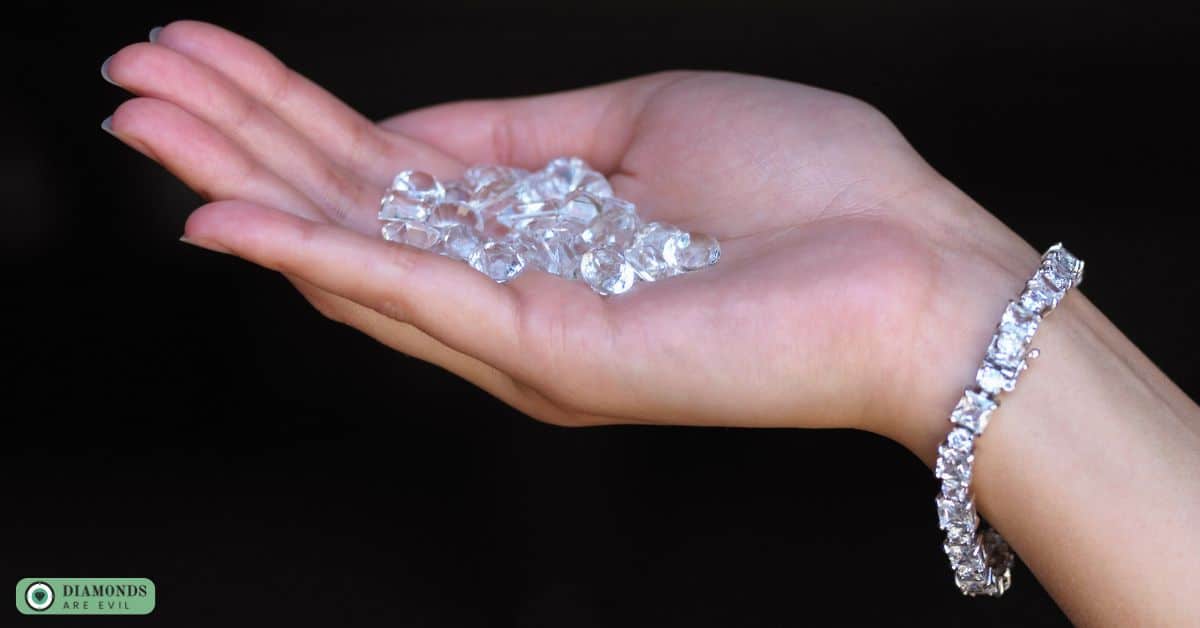
The production of lab-grown diamonds starts with a small diamond seed. It is usually made of type IIa carbon. This is then placed in a chamber where it is subjected to high temperatures and pressures. The result is a genuine diamond, just like those mined from the ground — but without any of the environmental impact.
Modern lab-grown diamonds are created using advanced technology. This includes chemical vapor deposition (CVD). It deposits thin layers of carbon onto a diamond seed in order to create larger stones. This process is often used for gem-quality diamonds and can significantly reduce the time and cost associated with producing them.
The process of creating lab-grown diamonds
The process of creating this diamonds is an impressive feat of science. Not only can it be done in a fraction of the time and cost associated with mined diamonds. Lab-grown diamonds are also conflict-free and eco-friendly alternatives to mined stones. This makes them increasingly popular among consumers who want to make ethical purchases without sacrificing quality or beauty.
High-pressure high-temperature (HPHT) method
The HPHT is the most common process used to create lab-grown diamonds. The HPHT process involves placing a diamond seed in a chamber and exposing it to extremely high temperatures and pressures. This environment replicates the conditions found deep below the earth’s surface, where natural diamonds form over millions of years.
The HPHT method creates genuine diamonds, but in a much shorter amount of time. The process can be used to create diamonds up to 5 carats. The largest single lab-grown diamond weighing over 25 carats. HPHT diamonds are also available in a wide range of colors. From traditional white or yellow diamonds to fancy blue and pink stones.
Chemical vapor deposition (CVD) method
The chemical vapor deposition (CVD) method is a more advanced process used to create gem-quality diamonds. It works by depositing thin layers of carbon onto the diamond seed. Then, slowly building up the stone until it reaches the desired size and shape. The result is a high-quality lab-grown diamond that can be customized with regard to color, clarity and cut.
The CVD process is a relatively new technique that has revolutionized the industry. It can create diamonds up to 10 carats in size and offers consistent results. Additionally, it eliminates the need for mining, making it an ethical alternative to mined diamonds.
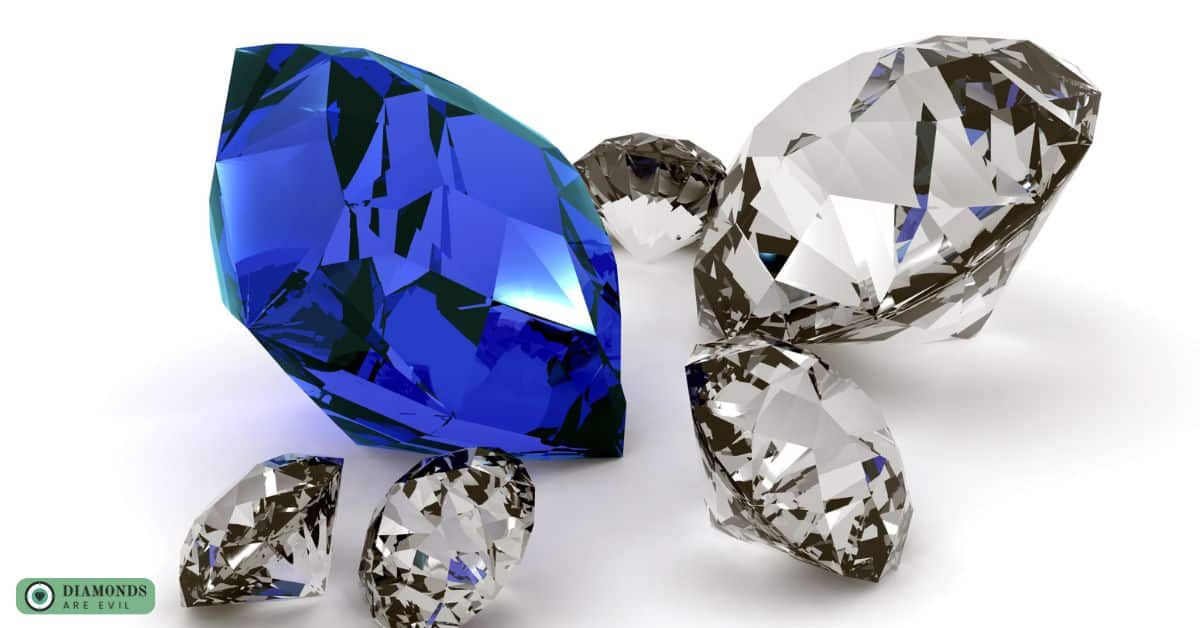
Natural diamonds vs lab-grown diamonds
When it comes to diamonds, consumers have two options: natural diamonds and lab-grown diamonds. Both types of diamonds have unique characteristics. Each comes with its own set of advantages and disadvantages. In this comparison table, we will compare natural diamonds vs lab-grown diamonds.
| Characteristics | Natural Diamonds | Lab-Grown Diamonds |
|---|---|---|
| Physical Properties | Formed under high pressure and temperature for millions of years, resulting in unique imperfections and inclusions. | Created in a controlled environment, resulting in fewer imperfections and inclusions. May have a more consistent appearance. |
| Chemical Composition | Composed of pure carbon and may contain trace elements that affect the diamond’s color. | Composed of pure carbon and may have a different isotopic composition than natural diamonds. |
| Environmental Impact | Mined from the earth, which can have a negative impact on the environment, including land degradation, water pollution, and carbon emissions. | Created in a laboratory, which uses less energy and water than mining. However, the production of lab-grown diamonds may still have an impact on the environment due to the energy required to power the production facilities. |
| Estimated Cost | Generally more expensive than lab-grown diamonds due to their rarity and the cost of mining and processing. ($5,000 – $6,000 for a good value 1-carat diamond) | Generally less expensive than natural diamonds due to the lower cost of production. However, prices may vary depending on the quality and size of the diamond. (50%-60% less than price of natural diamonds) |
As this table shows, there are significant differences between natural diamonds and lab-grown diamonds. While natural diamonds are formed over millions of years and have unique characteristics, lab-grown diamonds are created in a controlled environment and may have a more consistent appearance. Additionally, lab-grown diamonds may have a lower environmental impact and lower cost than natural diamonds.
Advantages of Lab-Grown Diamonds
Lab-grown diamonds offer a variety of advantages over mined diamonds. They are generally more consistent in size and shape than their mined counterparts, they can be customized to exact preferences with regard to color, clarity and cut, and they often come with third-party certifications that provide peace of mind for consumers when it comes to the quality and origin of their diamond.
Ethical considerations
One of the main advantages to choosing a lab-grown diamond is the ethical considerations. Lab-grown diamonds are created without any need for mining, meaning they don’t contribute to environmental degradation or human rights violations associated with traditional diamond mining.
In addition, this production method eliminates any potential conflict associated with mined diamonds and ensures they do not fund any criminal or unethical activities.
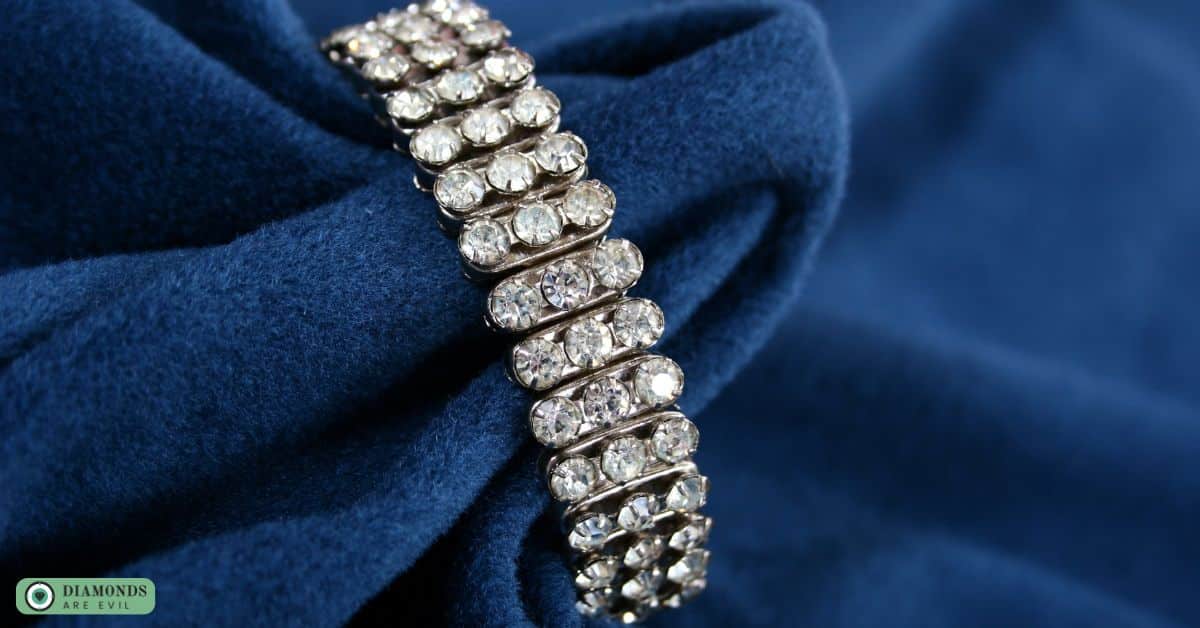
Consistent quality
Lab-grown diamonds also have a few advantages over mined diamonds when it comes to quality. For example, they are generally more consistent in size and shape than their mined counterparts, and can be customized to exact preferences with regard to color, clarity and cut.
Additionally, lab-grown diamonds often come with third-party certifications that provide peace of mind for consumers when it comes to the quality and origin of their diamond.
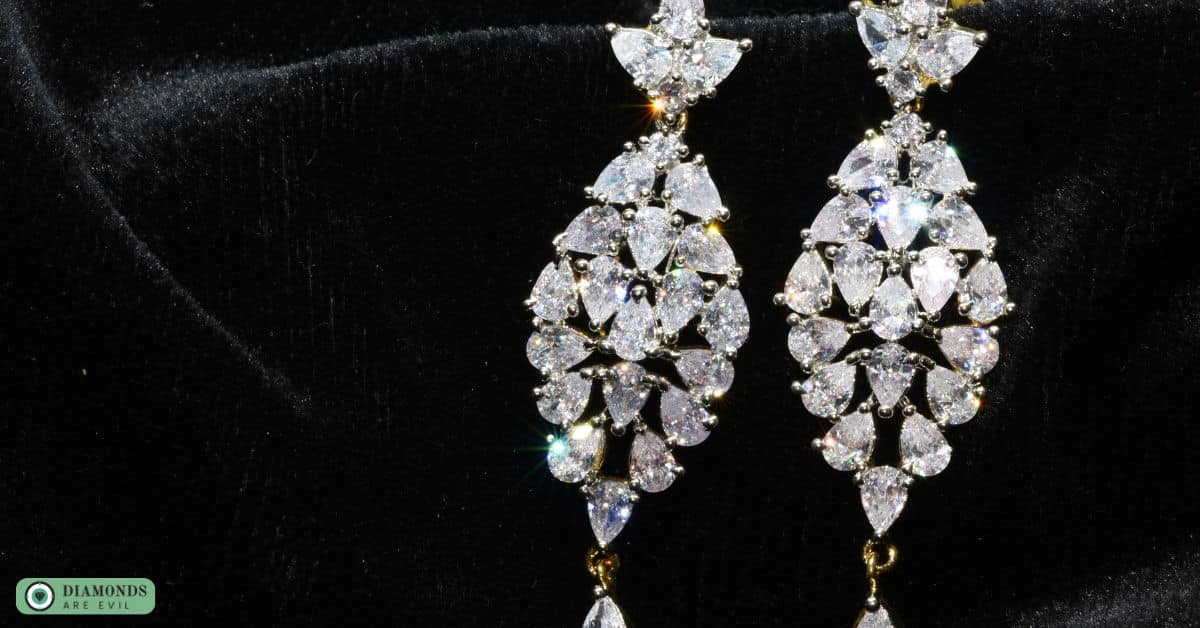
Greater availability
Lab-grown diamonds are also more widely available than mined diamonds, meaning they can be purchased in a variety of shapes, sizes and colors. This increased availability makes it easier for consumers to find the perfect diamond without compromising on quality or value.
Additionally, lab-grown diamonds tend to be less expensive than their mined counterparts because they do not require costly mining and extraction processes.

Lower cost
One of the primary advantages of lab-grown diamonds is their lower cost compared to mined diamonds. Because they do not require the costly mining and extraction processes associated with traditional diamond production, lab-grown diamonds are generally more affordable for consumers. This allows people to purchase beautiful diamonds at a fraction of the cost of mined stones, making them an attractive alternative for those on a budget.

The Future of Lab-Grown Diamonds
The future of lab-grown diamonds looks bright. With a growing number of consumers looking for ethical and eco-friendly alternatives to mined diamonds, there is no question that the demand for lab-grown stones will continue to increase in the coming years. Additionally, with technological advancements making it easier and more cost-effective to create high-quality lab-grown diamonds, the industry is poised for further growth.
Increasing demand for lab-grown diamonds
As more people become aware of the ethical and environmental implications of traditional diamond mining, they are increasingly turning to lab-grown diamonds as an eco-friendly and affordable alternative.
With technological advancements making it easier to create high-quality diamonds in a fraction of the time and cost associated with mined stones, this trend is only likely to continue in the coming years. Lab-grown diamonds are here to stay.
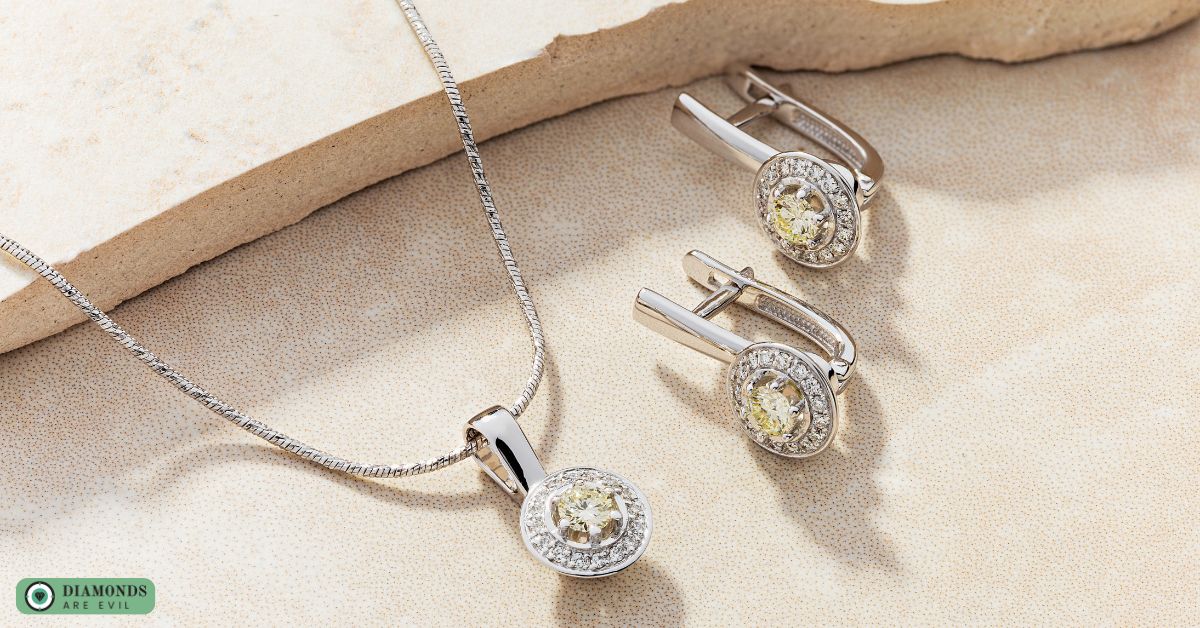
Potential impact on the diamond industry
The growing popularity of lab-grown diamonds could have significant implications for the diamond industry. The increased availability and affordability of these stones could lead to a decrease in demand for mined diamonds, which would have an impact on the industry as a whole.
Additionally, third-party certifications and greater transparency when it comes to the origins of lab-grown diamonds could lead to increased trust in the industry, resulting in more consumers turning to these stones as an ethical and eco-friendly alternative.
The increasing popularity of lab-grown diamonds is sure to have a lasting impact on the diamond industry. Although mined diamonds will continue to remain popular, it is clear that lab-grown stones are here to stay and will continue to be an attractive option for those looking for a beautiful, ethical and eco-friendly alternative. As the industry grows, it will be interesting to see what other impacts lab-grown diamonds have on the diamond market as a whole.
In Conclusion
Lab-grown diamonds are becoming an increasingly popular choice among consumers due to their ethical and eco-friendly origins, consistent quality, greater availability, and lower cost. The process of creating these diamonds is an impressive feat of science that can be done in a fraction of the time and with no environmental impact.
As consumer awareness grows regarding the ethical implications of traditional diamond mining, the demand for lab-grown diamonds is sure to increase in the coming years.
With technological advancements making it easier to create high quality lab-grown diamonds, the industry is poised for further growth and could have a significant impact on the diamond market as a whole.
Lab-grown diamonds are an attractive alternative for those looking for beautiful and ethical diamonds, making them sure to remain popular for years to come.