
The Significance of Diamond Engagement Rings in Modern Society
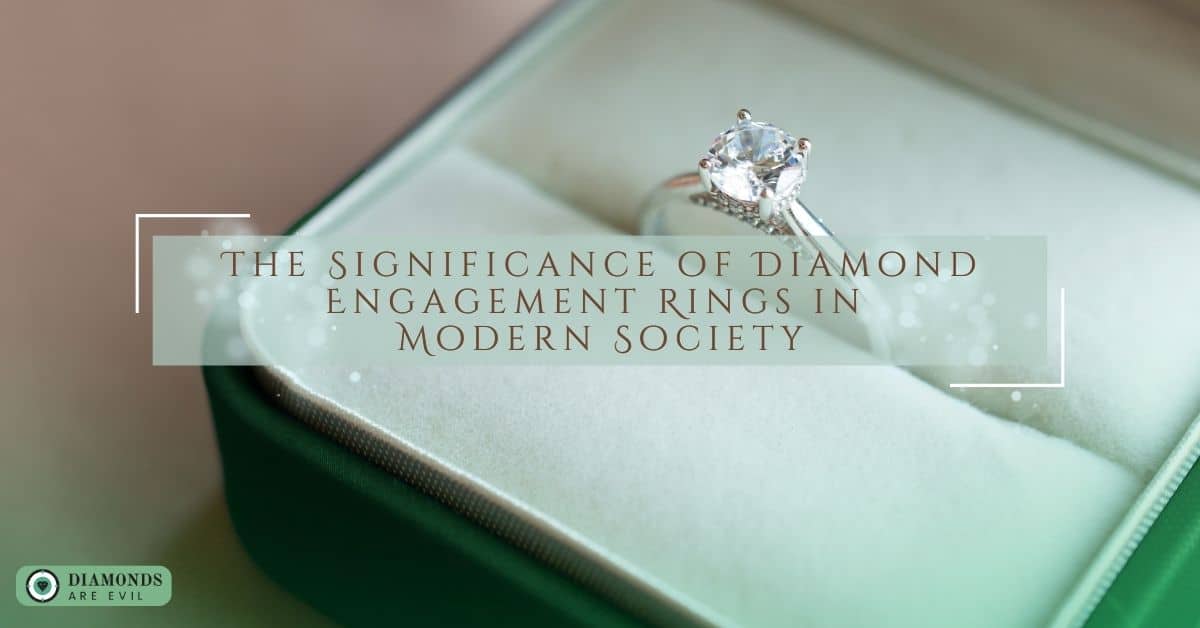
Diamond engagement rings have long been cherished symbols of love and commitment. These beautiful pieces of jewelry are steeped in tradition, often passed down through families as heirlooms to represent the bond between two people. Over the years, diamond engagement rings have become an ever-present feature in modern society, becoming increasingly popular and gaining significance around the world.
This article delves into the history, cultural significance, economic impact, and ethical and environmental concerns associated with diamond engagement rings in modern society.
What are Diamond Engagement Rings
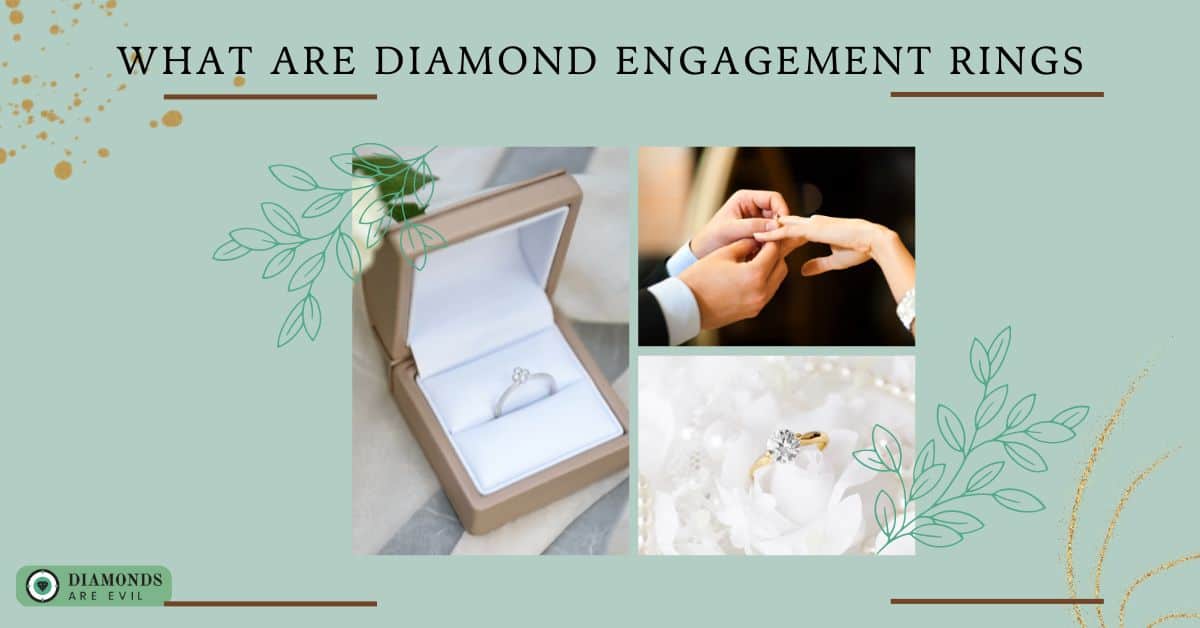
Diamond engagement rings are a symbol of love and commitment in a relationship. They are typically made with a diamond set in a precious metal band, such as gold or platinum. Diamond engagement rings have a long history, with the tradition of giving a ring to symbolize engagement dating back to ancient times.
In modern society, diamond engagement rings are a popular choice for couples getting engaged, and the diamond industry is a significant contributor to the global economy. However, there are also ethical and environmental concerns surrounding the mining and production of diamonds, leading to a growing demand for sustainable and ethically-sourced alternatives. Regardless of the controversies, diamond engagement rings remain a cherished symbol of love and devotion.
Brief History of Diamond Engagement Rings
The history of diamond engagement rings dates back to the 15th century when they were first used as a symbol of love and commitment in a relationship. The trend of giving diamond engagement rings was popularized by archduke Maximilian of Austria, who presented a diamond ring to his betrothed, Mary of Burgundy, in 1477. During the Victorian era in the 19th century, diamonds became more widely available, leading to an increase in their popularity as engagement rings.
Over time, the tradition of giving diamond engagement rings has evolved and expanded to include a variety of styles and designs, from classic solitaires to elaborate multi-diamond settings. Today, diamond engagement rings remain a popular choice for couples getting engaged, and the diamond industry is a significant contributor to the global economy. However, there are also ethical and environmental concerns surrounding the mining and production of diamonds, leading to a growing demand for sustainable and ethically-sourced alternatives.

The Popularity of Diamond Engagement Rings
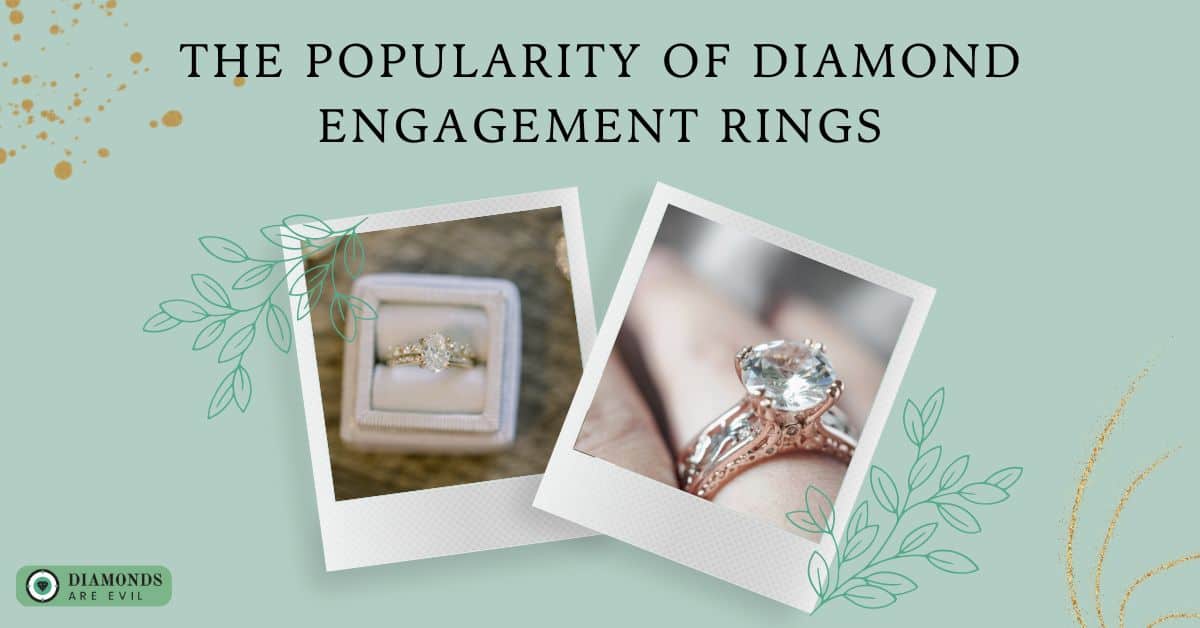
Diamonds have become increasingly popular as engagement rings in modern society. The combination of their beauty, durability, and symbolism make them a coveted choice for couples getting engaged. This popularity has been driven by the diamond industry’s marketing campaigns and celebrity endorsements, as well as the rise of social media which has created an opportunity to share images of stunning engagement rings.
Increase in Demand for Diamond Engagement Rings: Diamond engagement rings have become increasingly popular in recent years, with a steady increase in demand for these luxurious symbols of love and commitment. This popularity can be attributed to a variety of factors, including cultural significance, economic impact, and widespread availability.
Trend: The popularity of diamond engagement rings is driven by a number of factors, including cultural traditions, personal preferences, and the influence of marketing and media. In many cultures, the tradition of giving a diamond engagement ring is deeply rooted and has become an expected part of the engagement process.
Influence of Marketing and Media: The diamond industry has a significant impact on the popularity of diamond engagement rings, with marketing and media playing a major role in promoting their desirability. Advertisements, celebrity endorsements, and romantic movies and television shows often feature diamond engagement rings, further increasing their popularity.
Cultural Significance
Over the years, these beautiful pieces of jewelry have taken on deep cultural significance around the world. They represent not only the couple’s love but also their shared values and commitment to each other.
Representation of Love and Commitment: They serve as a symbol of the couple’s intention to marry and build a life together, and the ring is typically worn by the bride-to-be as a symbol of her engagement. In many cultures, the diamond engagement ring is also seen as a status symbol, reflecting the couple’s financial stability and commitment to each other.
Role in Wedding Traditions: Diamond engagement rings play a significant role in wedding traditions around the world. In many cultures, the ring is given during a formal proposal, marking the beginning of the engagement period. The ring is also often worn by the bride-to-be during the wedding ceremony, serving as a symbol of her love and commitment to her partner. The diamond engagement ring is often viewed as an important symbol of the couple’s union, representing the love and commitment that will endure throughout their lives.
Family Heritage and Personal History: Diamond engagement rings can also hold important personal and family histories. For many couples, the ring is passed down from generation to generation, carrying with it the memories and stories of previous marriages and relationships. The ring becomes a cherished family heirloom, symbolizing the family’s love and commitment to each other, and connecting the couple to their family’s history and heritage.
Economic Impact
The diamond industry has a significant economic impact on the global economy. In recent years, diamonds have become increasingly popular as engagement rings, and this popularity has led to an increase in demand for diamonds around the world.
Contribution to the Global Economy: Diamond engagement rings have a significant impact on the global economy, contributing billions of dollars in revenue each year. The diamond industry is a major player in the global economy, encompassing a wide range of businesses, from mining and manufacturing to retail and marketing. The demand for diamond engagement rings has helped to drive the growth of this industry, creating jobs and supporting economic development in many countries.
Jobs and Industries Associated with Diamond Engagement Rings: Diamond engagement rings are associated with a number of different jobs and industries, including mining, manufacturing, retail, and marketing. The industry provides employment opportunities for a wide range of workers, from miners and cutters to jewelry designers and salespeople. Additionally, the diamond industry has a ripple effect, supporting related industries, such as transportation and logistics, and helping to drive economic growth in many countries.
Cost and Accessibility of Diamond Engagement Rings: The cost of diamond engagement rings can vary widely, depending on factors such as the size and quality of the diamond, the type of metal used for the setting, and the design of the ring. Despite this, diamond engagement rings are widely accessible, with many different price points available to suit a range of budgets. This has helped to make diamond engagement rings a popular choice for couples getting engaged, regardless of their financial situation.

Ethical and Environmental Concerns
As diamond engagement rings become increasingly popular in modern society, there is a growing concern about the ethical and environmental impact of their production.
Issues Surrounding Diamond Mining: Diamond mining can have significant ethical and environmental consequences, with many diamond mines located in areas plagued by conflict, human rights abuses, and environmental degradation. Diamond mining can also lead to soil erosion, water pollution, and other environmental problems, impacting the health and well-being of nearby communities. Furthermore, many diamond miners work in hazardous conditions, earning low wages and facing exploitation and abuse.
Importance of Ethical and Sustainable Sourcing: In light of these concerns, there has been a growing demand for ethical and sustainable diamond sourcing, with consumers becoming more aware of the impact of their purchasing choices. Ethical and sustainable diamonds are sourced from mines that adhere to strict environmental, social, and labor standards, ensuring that the diamonds are produced in a responsible and sustainable manner. These diamonds are often certified by third-party organizations, providing assurance to consumers that they are making an informed and responsible choice.
Consumer Responsibility and Alternative Options: Consumers have a responsibility to educate themselves about the ethical and environmental implications of diamond mining, and to make informed choices about the diamonds they purchase. There are a number of alternative options available, including lab-grown diamonds, which are produced in a controlled environment using advanced technological processes. These diamonds have the same physical and chemical properties as mined diamonds but are often considered a more sustainable and ethical choice, as they do not contribute to the negative impacts of diamond mining.
In conclusion
Diamond engagement rings are a cherished symbol of love and commitment in modern society. They have been a popular choice for couples getting engaged for centuries, and the demand for these beautiful pieces of jewelry continues to grow. Despite ethical and environmental concerns surrounding the mining and production of diamonds, they remain a popular choice, with consumers becoming more aware of the importance of ethical and sustainable sourcing.
Additionally, there is a range of alternative options available, including lab-grown diamonds and diamond alternatives, which offer consumers an opportunity to make responsible choices that still reflect their values and commitment to each other. As such, diamond engagement rings will continue to be cherished symbols of love for many years to come.