
The Ultimate Guide to Diamond Carats and Which Ring is Best
Are you looking for the perfect diamond ring? If so, then it is important to understand the role of carat weight in selecting a diamond.
Carat weight refers to the mass value of a diamond and is one of the most significant factors in determining its value. The higher the carat weight, the larger and more expensive the diamond will be.
In this blog post, we will discuss what carat weight is, the Four Cs of diamond grading, popular diamond carat weights for engagement rings, budgeting for carat weight, setting options for your diamond ring, and other considerations when choosing a diamond carat weight.
Understanding Diamond Carats
Understanding diamond carats is an essential part of the buying process, as this metric heavily affects the value of a stone. Carat is a unit of weight measurement, not size – one carat equals 0.2 grams or 200 milligrams. Identifying diamonds by their carat weight is also practical since individual gems can have significantly different sizes.
For instance, two diamonds with identical measurements but different weights are unlikely to have the same diameter when viewed from the top. Additionally, since larger diamonds tend to be more valuable than smaller ones, greater carat weight usually equates to higher prices. Ultimately, buyers should do their research in order to ensure they make an informed purchase that meets their needs and expectations.
The Relationship Between Carat Weight and Diamond Size
When it comes to diamonds, two terms you may have heard of before are carat weight and diamond size. While people tend to associate the two with each other, they are actually quite different. Carat weight refers to the mass value of a diamond while the diamond size is determined by a combination of both carat weight and the proportions of the stone’s cut.
As diamonds can be shaped in many different ways—from marquise to round—their overall appearance varies alongside their weight alone. Therefore, when selecting a diamond for its size, it is important to keep in mind that carat weight does not necessarily mean it will have the largest surface area. With this in mind, consider both aspects carefully when picking out your perfect gem!
The Four Cs: How Carat Weight Affects Diamond Quality
The Four Cs are the universally accepted standards for assessing the quality of a diamond. These are Cut, Color, Clarity, and Carat Weight. While all of these factors are important, carat weight is perhaps the most well-known and the most misunderstood.
Carat weight
Refers to the weight of a diamond, and it is one of the most significant factors in determining a diamond’s value. However, it’s essential to note that carat weight does not necessarily mean that the diamond is of high quality. A high-carat weight doesn’t always equate to a better diamond, and a lower-carat weight doesn’t always mean a lower-quality diamond.
Cut
The cut of a diamond refers to its proportions, symmetry, and polish while color is graded on a scale from D (colorless) to Z (light yellow or brown).
Clarity
Clarity measures the presence of any inclusions or blemishes in the diamond.
Color
Color is graded on a scale from D (colorless) to Z (light yellow or brown).
Choosing the Best Diamond Carat Weight for Your Ring
Choosing the size of your diamond is an important part of buying that sparkly symbol of love. Depending on your preferences and budget, you will want to select the carat weight that best meets your needs. A higher-carat weight diamond will be larger, heavier, and more expensive; lower-carat diamonds are smaller and lighter in cost.
Determining the best diamond size for a ring depends largely on personal taste – knowing if you desire a large stone or something more subtle is essential to making the right selection. It’s also important to consider not just the face-up size but also how much gold was included in the surrounding setting. If you take all of this into consideration, it won’t be long before you find the perfect diamond for your beautiful new ring!
Popular Diamond Carat Weights for Engagement Rings
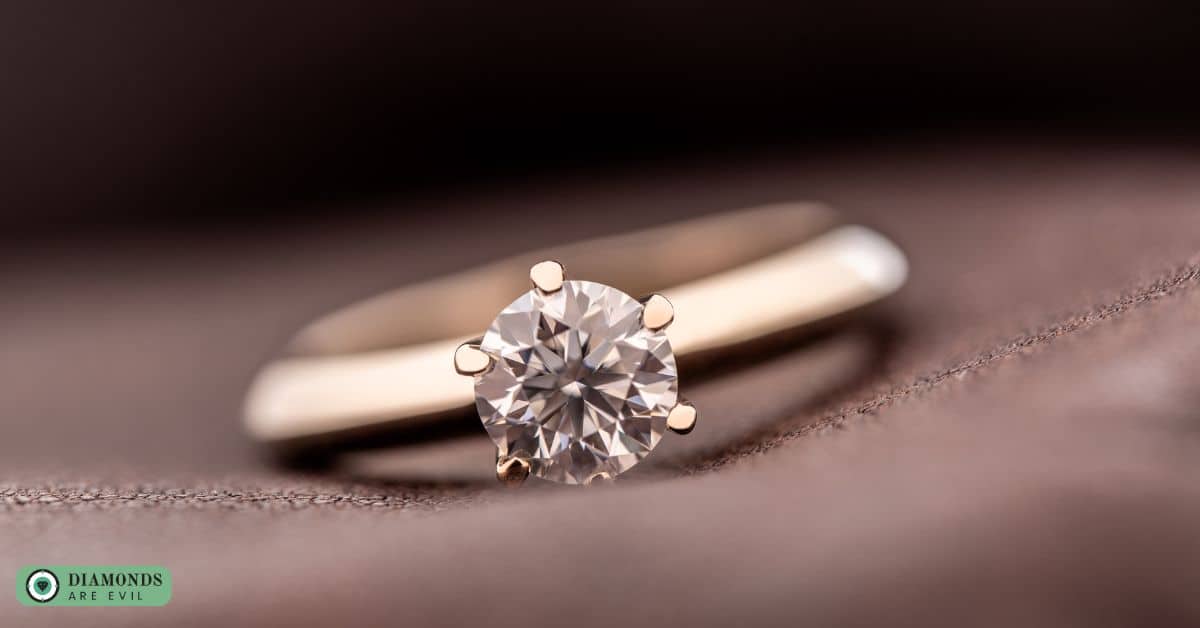
When it comes to selecting an engagement ring, choosing the right diamond carat weight is an important decision. The carat weight of a diamond refers to the weight of the diamond, and it’s often used to determine a diamond’s value. Here are some popular diamond-carat weights for engagement rings:
1/4 Carat: This is a popular choice for those on a budget or for those who prefer a delicate, understated look. A 1/4-carat diamond can still make a beautiful statement, especially when set in a well-designed ring.
1/2 Carat: A 1/2 carat diamond is a classic choice and is often considered the sweet spot for engagement rings. It’s large enough to make a statement but still affordable for many budgets.
1 Carat: A 1-carat diamond is a popular choice for engagement rings and is often considered a symbol of luxury and commitment. This size diamond can be quite stunning and is sure to make an impression.
2 Carats or More: For those looking for something truly impressive, a 2-carat or larger diamond can be a show-stopper. However, diamonds of this size can be quite expensive, and it’s important to ensure that the diamond is of high quality and well-proportioned.
Budgeting for Carat Weight
When it comes to buying a diamond, carat weight is one of the most important factors to consider. However, it can also be one of the most confusing. How do you know what carat weight is right for you? Here are some tips to help you make the right choice.
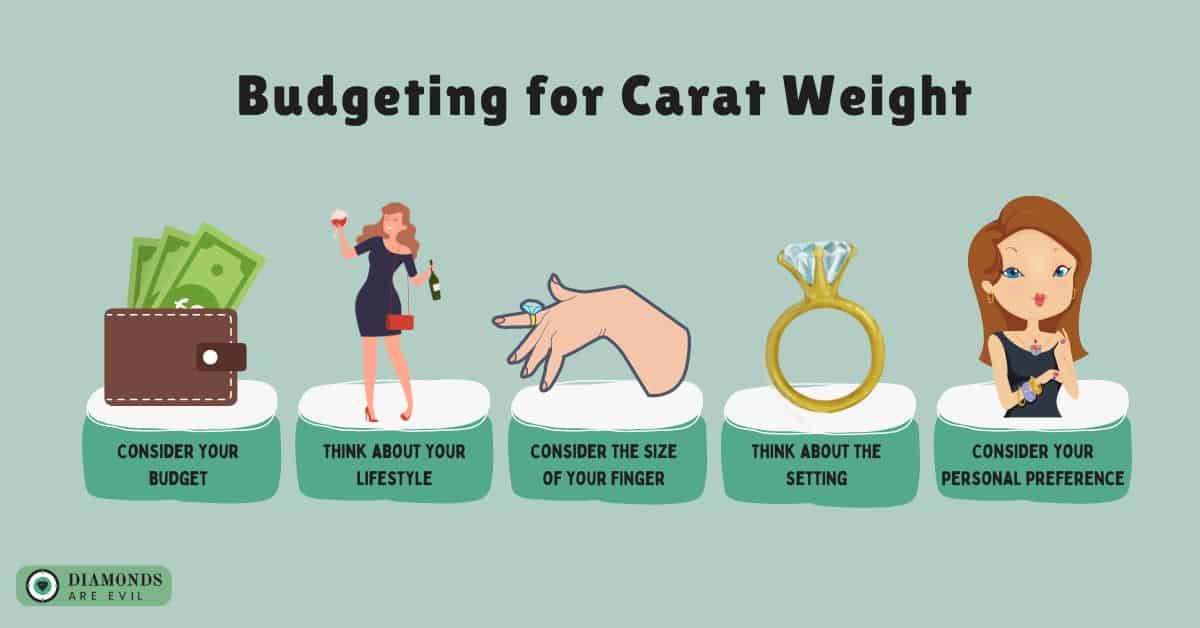
Consider your budget: Carat weight has a significant impact on the price of a diamond. The larger the diamond, the more expensive it will be. Before you start shopping, determine how much you can afford to spend on a diamond. This will help you narrow down your options.
Think about your lifestyle: Do you lead an active lifestyle? Do you work with your hands a lot? If so, you may want to consider a smaller carat weight. Larger diamonds are more likely to get snagged on things or get scratched.
Consider the size of your finger: The size of your finger can also impact the appearance of the diamond. If you have a small finger, a larger diamond may look out of place. Similarly, if you have a larger finger, a small diamond may not make much of an impact.
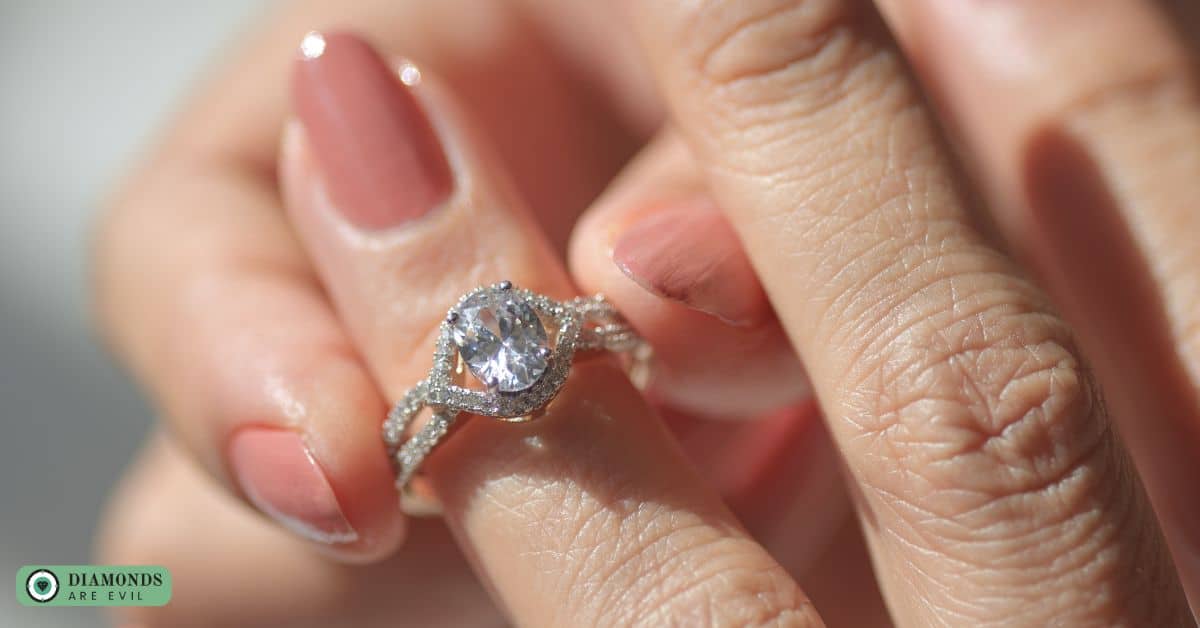
Think about the setting: The setting can also impact the appearance of the diamond. A diamond that is set in a halo or with smaller diamonds around it can appear larger than it actually is. On the other hand, a diamond that is set in a solitaire setting will be more noticeable, even if it is smaller.
Consider your personal preference: At the end of the day, the size of the diamond you choose is a personal preference. Some people prefer larger diamonds, while others prefer smaller ones. Think about what you feel comfortable wearing and what makes you happy.
Setting Options for Your Diamond Ring
When it comes to choosing a setting for your diamond ring, there are many different options to consider. Each setting style has its own unique look and advantages, and certain styles may be better suited to certain carat weights. Here are some setting options to consider and which style may be best for your carat weight:
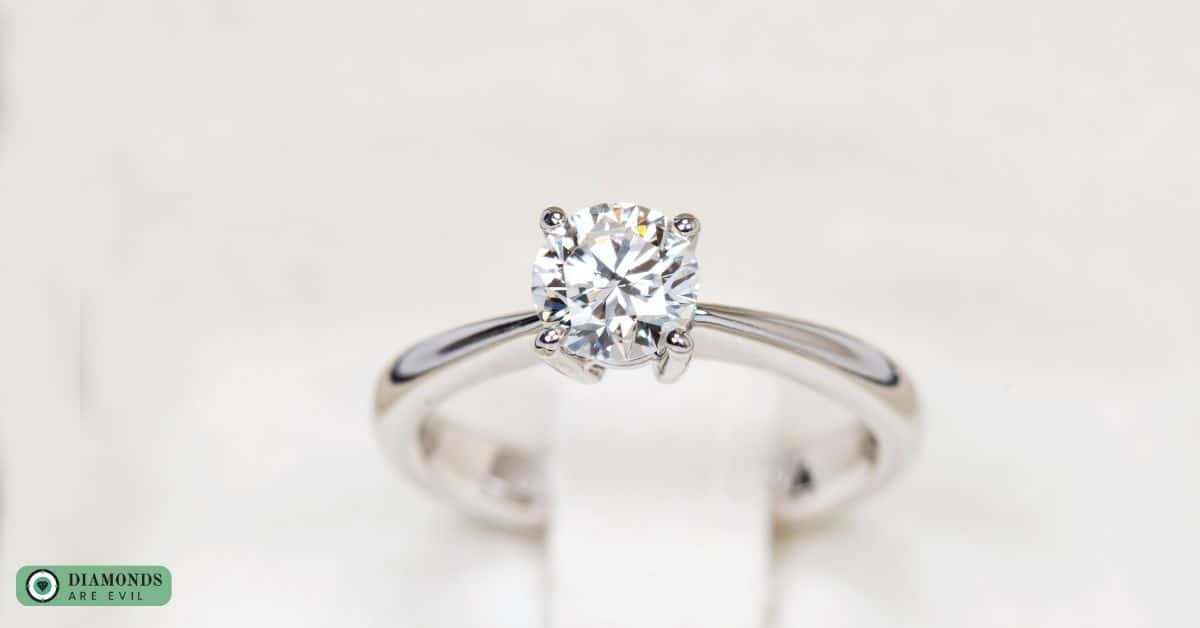
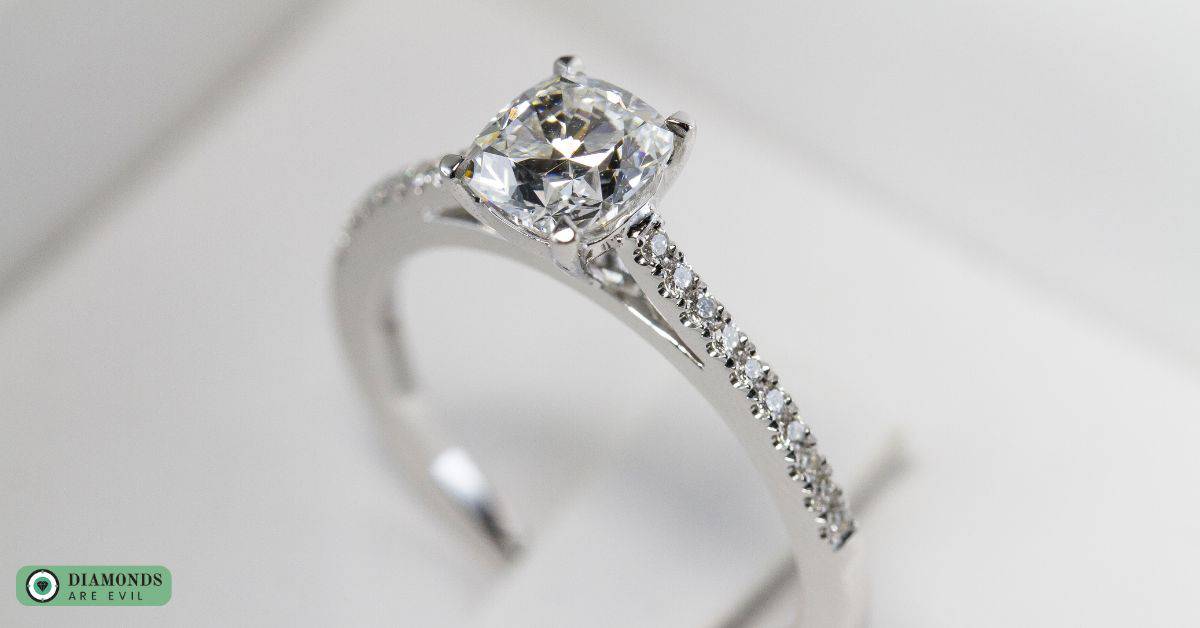
Prong Setting: Prong settings are the most popular option for diamond rings. They consist of small metal prongs that hold the diamond in place. Prong settings allow the diamond to be the focal point of the ring and can work well with any carat weight.
Bezel Setting: A bezel setting is a metal rim that surrounds the diamond. This type of setting is great for protecting the diamond and can make it look slightly larger. Bezel settings can work well with any carat weight but may be particularly suited to smaller diamonds.
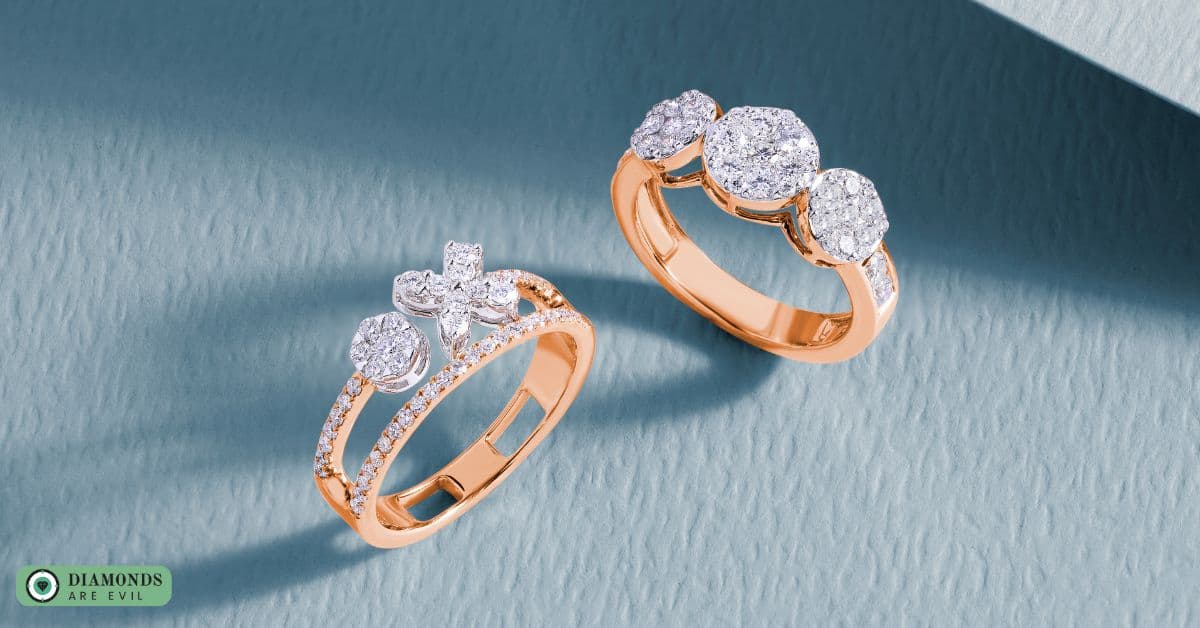
Channel Setting: Channel settings feature small diamonds set in a channel between two metal bands. This type of setting is great for showcasing multiple diamonds and can work well with any carat weight.
Pave Setting: Pave settings feature small diamonds set closely together to create a glittering effect. This type of setting can make the diamond look larger and can work well with any carat weight but may be particularly suited to smaller diamonds.
Tension Setting: Tension settings hold the diamond in place by applying pressure to the sides of the diamond. This type of setting creates a unique look and can make the diamond appear to float in mid-air. Tension settings work best with smaller carat weights.
Other Considerations When Choosing a Diamond Carat Weight
In addition to budget and setting options, there are several other considerations to keep in mind when choosing a diamond-carat weight. Here are a few important factors to consider:
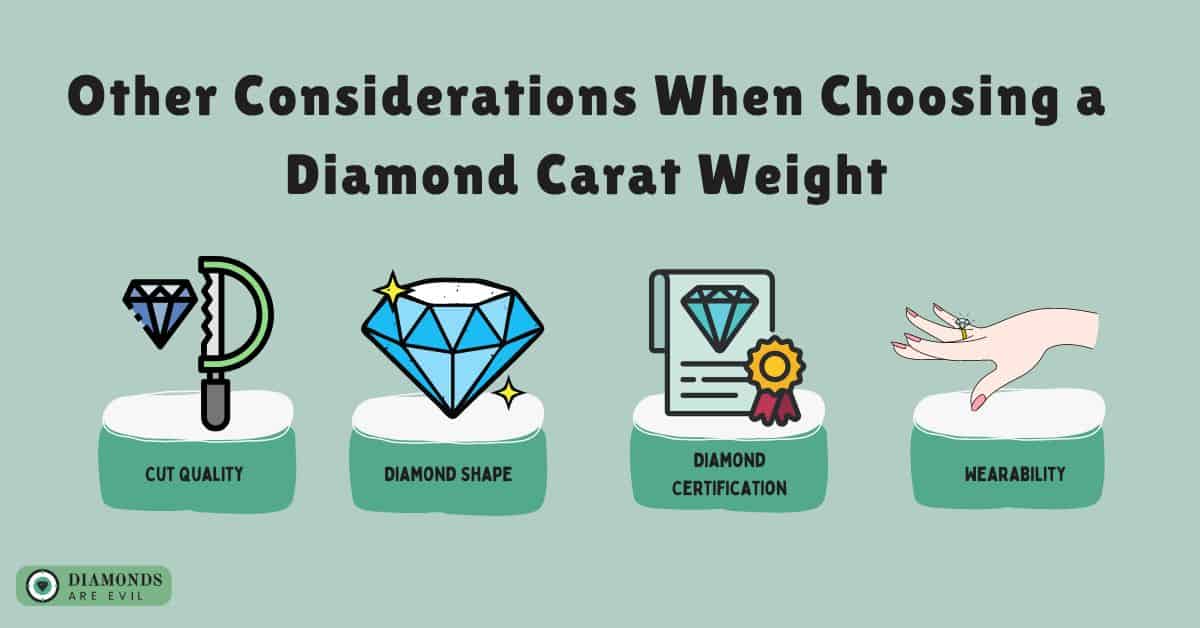
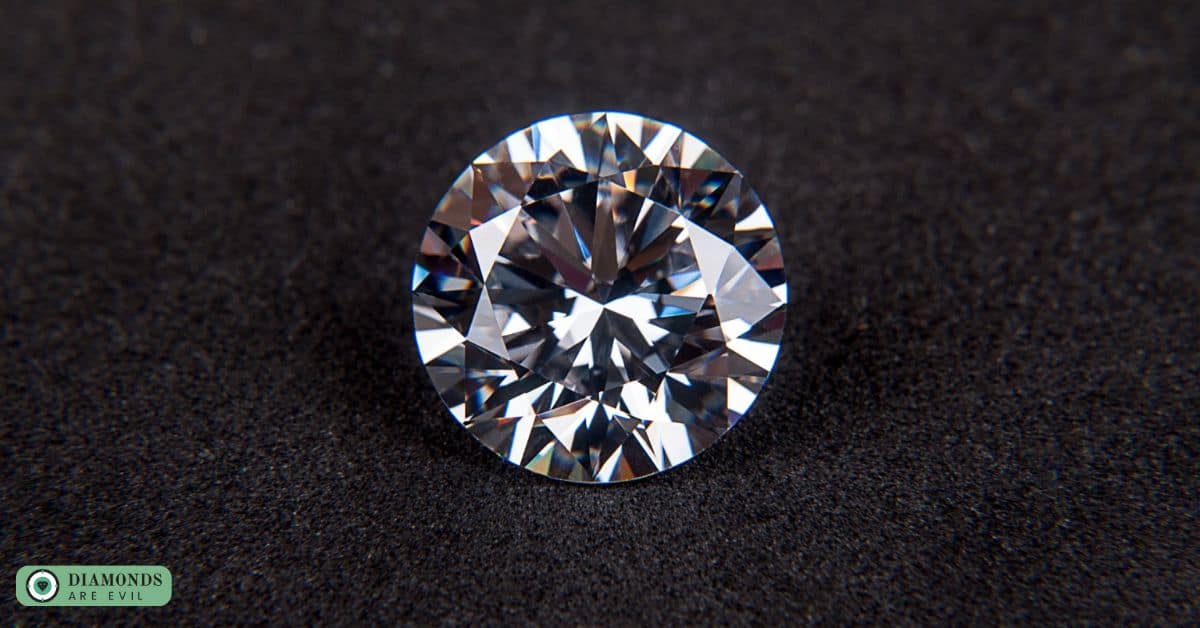
Cut Quality: The cut of a diamond can have a significant impact on its appearance and how it reflects light. A well-cut diamond can appear larger than a poorly cut diamond of the same carat weight. Therefore, it’s important to consider the cut quality of a diamond in addition to its carat weight.
Diamond Shape: Different diamond shapes can appear larger or smaller than their actual carat weight. For example, a marquise or oval-shaped diamond may appear larger than a round diamond of the same carat weight.
Diamond Certification: Make sure to purchase a diamond that has been certified by a reputable organization, such as the Gemological Institute of America (GIA). This will ensure that you are getting a diamond that has been accurately graded for its carat weight, cut, color, and clarity.
Wearability: Diamond sizes above one carat tend to be quite eye-catching and draw attention. Consider how comfortable you will be wearing a larger diamond in public situations if that is important to you.
How to Care for Your Diamond Ring
A diamond ring is one of the most special pieces of jewelry that you could own. It symbolizes love, and commitment and can be a treasured heirloom. But to ensure your diamond’s shine and beauty, it must be well taken care of. Here are some tips on how to properly care for your diamond ring:
Keep it Away From Chemicals: When wearing or cleaning your diamond ring, make sure it does not come into contact with any harsh chemicals such as chlorine bleach, nail polish remover, or dry cleaning solvents. These can harm the stone or damage the setting.
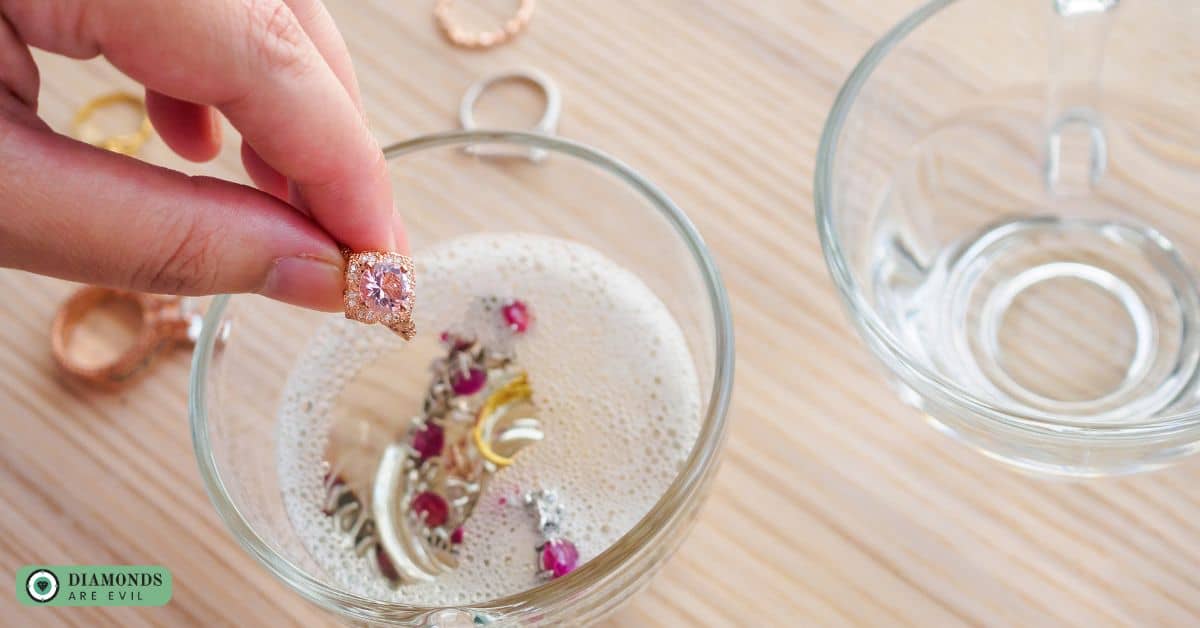
Regular Cleaning: You should have your ring professionally cleaned every 6 months to 1 year in order to keep your diamond bright and sparkling. Have a jeweler or certified professional use an ultrasonic cleaner with a mild detergent solution to scrub off any dirt and oils that may have accumulated over time.
Store Separately: To avoid any scratches and chips, always store your diamond ring separately from other jewelry items in soft pouches or wrapped in tissue paper. This will help protect it from getting tangled up with other pieces which could also cause damage when stored together for extended periods of time.
Avoid Rough Activities: To prevent snagging the prongs which hold the stone in place, try avoiding activities such as gardening, housecleaning, and sports when wearing your diamond ring. These activities can cause vibrations which can dislodge stones from their settings if they are not securely fastened down properly.
In conclusion
Carat weight is an important factor to consider when selecting a diamond for your ring. It’s essential to keep in mind the Four C’s (Cut, Color, Clarity, and Carat Weight) when making your decision. While there is no one perfect carat weight that fits all needs, understanding the different setting options, budget considerations, and other factors can help you find the perfect diamond for your ring. Taking the time to research and make an informed decision will ensure that your beautiful diamond stands the test of time.