
Understanding Diamond Grading: From Flawless to Included
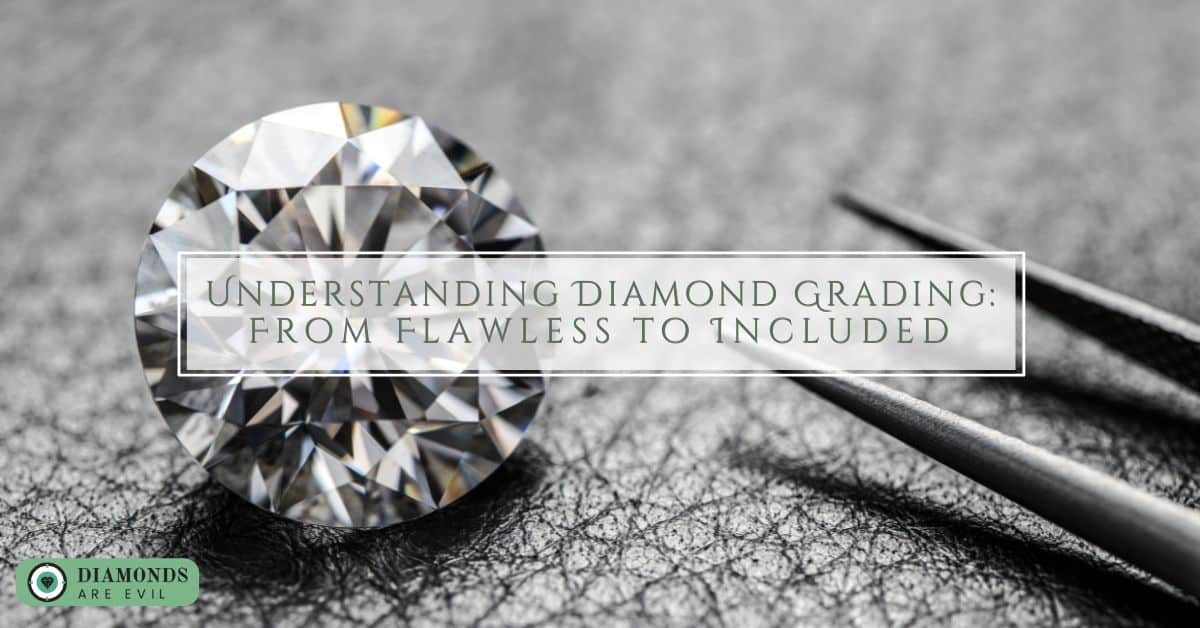
Diamond grading involves evaluating a diamond’s characteristics and assigning it a grade based on cut, color, clarity, and carat weight. Clarity, ranging from flawless to included, is a significant factor that impacts a diamond’s value.
Diamonds are a timeless symbol of love, beauty, and luxury. But understanding diamond grading and its various components, from flawless to included, is essential for anyone shopping for such an important purchase. This blog post will explore the importance of diamond grading in terms of value determination, quality assurance, transparency, investment protection, and consistency.
What is Diamond Grading?
Diamond grading is a critical process in the diamond industry. It involves evaluating a diamond’s quality, measuring its characteristics, and assigning a grade that accurately represents its value.

This grading system allows consumers to understand and compare diamonds they may be interested in purchasing. While some may think diamond grading only involves evaluating a stone’s size or carat weight.
It is actually a complex process that examines the diamond’s cut, color, clarity, and other unique features. Diamond grading ensures that consumers are getting what they pay for and allows them to make informed decisions about purchasing diamonds.
Understanding Diamond Clarity Grading: Flawless to Included
When it comes to understanding diamond clarity grading, there are some important factors to consider.
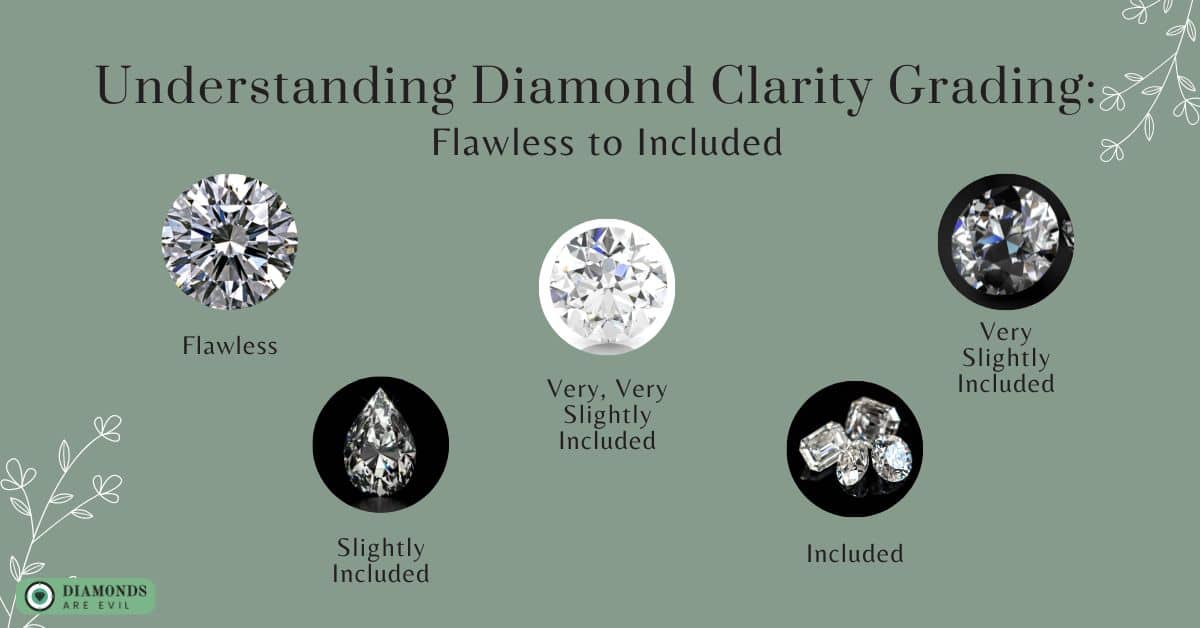
Flawless: The Best Quality of Diamonds
A flawless diamond is the purest and rarest form of a diamond, with no visible flaws or inclusions when viewed under a 10x magnification. Its exceptional clarity produces stunning brilliance and radiance, making it a highly sought-after and valuable choice for those seeking a high-quality diamond that will be treasured for years to come.
Very, Very Slightly Included (VVS) Diamonds
VVS diamonds have tiny inclusions that are hard to see even under 10x magnification, making them nearly flawless and highly valuable. Their exceptional clarity and brilliance make them ideal for exquisite jewelry pieces, including engagement rings or special gifts.
Very Slightly Included (VS) Diamonds
VS Diamonds offer excellent quality at an affordable price. They usually have small inclusions, hard to spot without magnification, yet still, appear dazzling and brilliant. VS Diamonds are ideal for engagement rings or any exquisite jewelry, offering stunning quality and great value.
Slightly Included (SI) Diamonds
May have small inclusions visible under magnification but is still considered good quality. Many jewelers recommend SI diamonds as they offer a great balance of quality and value. However, it’s important to consider other factors like cut, color, and carat weight while shopping for diamonds to determine overall quality and value.
Included (I) Diamonds
Have visible inclusions and blemishes. Though they’re not as valuable as Flawless diamonds, Included diamonds can be unique and breathtaking, offering a one-of-a-kind look. They are worth considering for that shopping for engagement rings or adding to their collection.
How Inclusions and Blemishes Affect Diamond Clarity
Diamonds are a symbol of purity and perfection, but not all diamonds are perfect. Inclusions and blemishes are common occurrences in diamonds, affecting their clarity.
Inclusions are internal flaws, while blemishes are external flaws. These can range from tiny, almost invisible specks to larger, more noticeable marks that affect the diamond’s brilliance and transparency.
The size, location, number, and type of inclusions and blemishes in a diamond determine its clarity grade. The fewer inclusions and blemishes a diamond has, the higher its clarity grade will be.
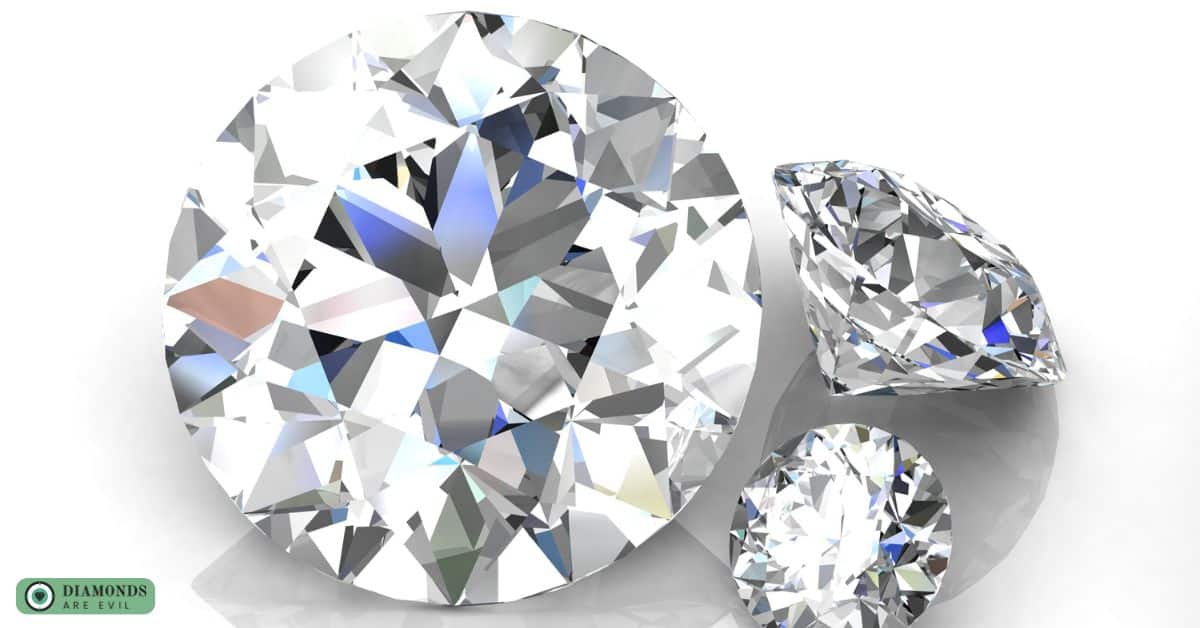
The position of inclusions and blemishes can also have a significant impact on a diamond’s clarity. If the inclusions are located near the center of the diamond, they can be more noticeable and affect its brilliance and sparkle.
The presence of inclusions and blemishes can negatively affect a diamond’s clarity, making it less valuable. However, some inclusions, such as a unique pattern called a “flower,” can add to a diamond’s uniqueness and beauty. Ultimately, the presence of inclusions and blemishes in a diamond is a trade-off between beauty and value.
How Diamond Clarity Affects the Value of a Diamond
Diamond clarity plays a major role in the value of a diamond. A diamond’s clarity refers to the number of blemishes and inclusions within the stone. Inclusions are natural imperfections within the diamond, while blemishes are flaws on the surface of the diamond.
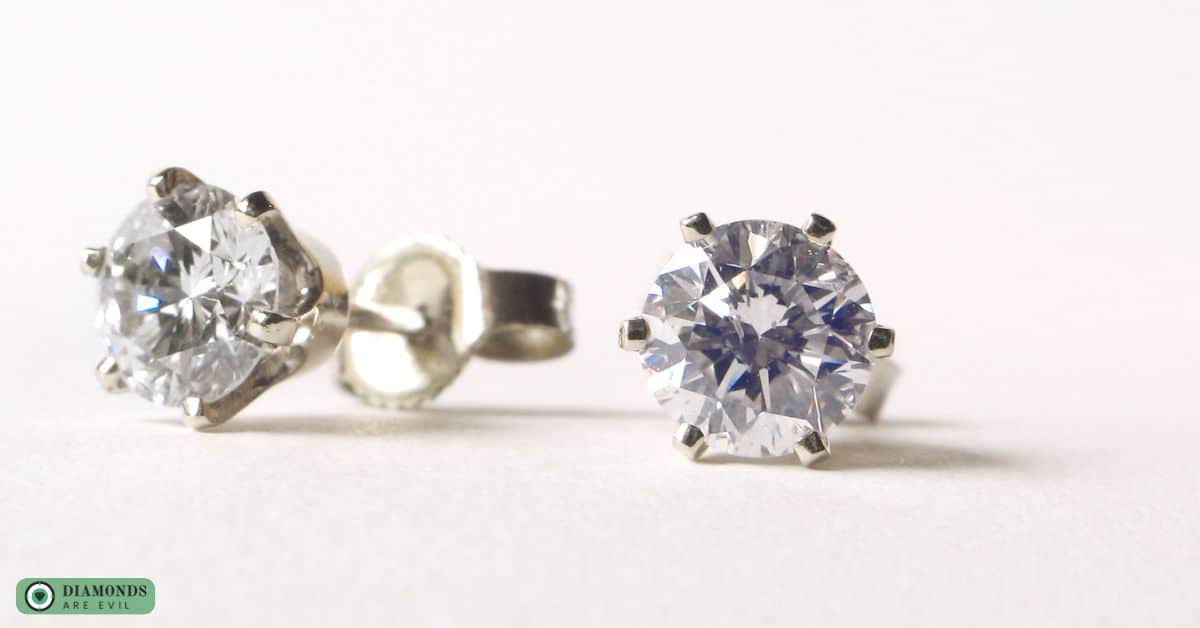
The fewer visible inclusions and blemishes a diamond has, the higher the clarity grade and the more valuable the stone. Diamonds with high clarity grades, such as flawless or internally flawless, are extremely rare and fetch a high price in the market.
While a diamond’s size and cut are important factors, clarity is a key determinant of a diamond’s value. If you’re looking to invest in a diamond, it’s worth taking the time to understand how clarity affects its worth.
Why Diamond Grading is Important for Buyers and Sellers
When it comes to purchasing or selling diamonds, it’s crucial to have a clear and accurate understanding of the diamond’s value. This is where diamond grading comes into play. Diamond grading provides a standardized way to evaluate and communicate the quality of a diamond, based on its characteristics such as clarity, cut, color, and carat weight.
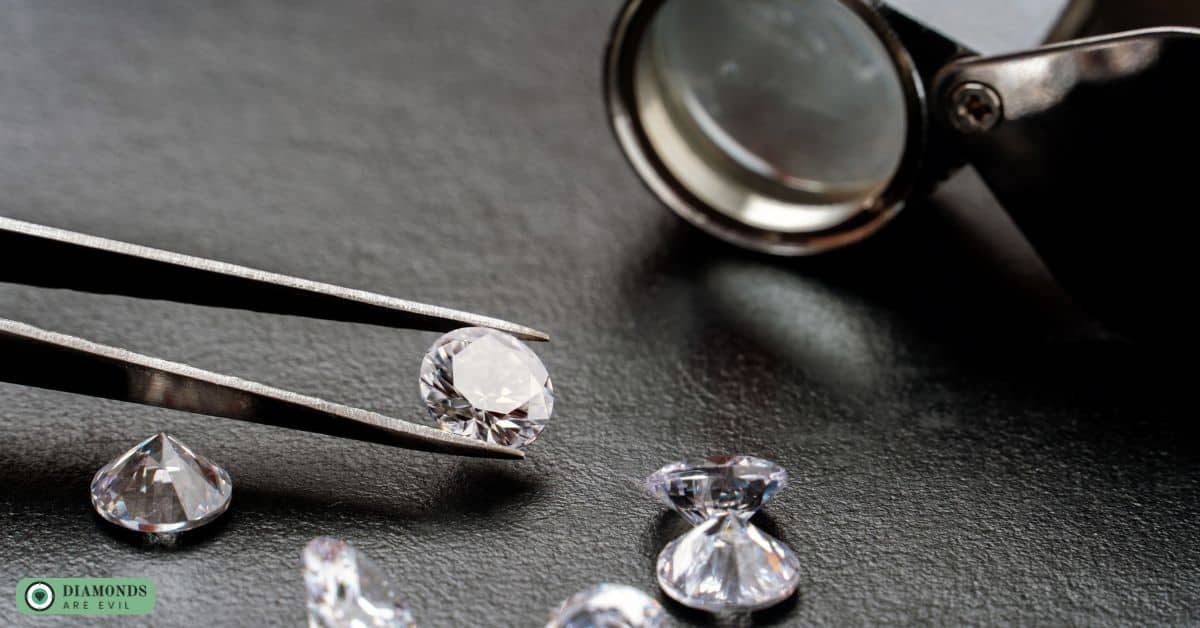
Here are some reasons why diamond grading is important for buyers and sellers:
Accurate Value Determination
Diamond grading ensures accurate value determination based on the diamond’s quality and characteristics.
Quality Assurance
Diamond grading assures buyers of high-quality diamonds and sellers of genuine diamonds.
Transparency
Diamond grading is transparent and provides buyers and sellers with essential diamond characteristics for informed decisions.
Investment Protection
Diamond grading protects investments by ensuring buyers pay appropriate prices and sellers receive fair values for diamond quality.
Consistency
Diamond grading provides a consistent standard for evaluating diamonds, regardless of origin or seller.
In conclusion
Diamond grading is an invaluable tool for buyers and sellers of diamonds to ensure quality and transparency. It provides a standardized system for evaluating a diamond’s characteristics, such as clarity, cut, color, and carat weight, so that buyers can make informed decisions about their purchases.
By understanding the diamond grading process, buyers can be sure that they are getting the highest quality stones and sellers can be confident they are receiving fair market value for their diamonds. Diamond grading is essential for ensuring trust and confidence in the diamond industry.