
Understanding the 4 C’s of Diamonds and Its Effect on Jewelry Price
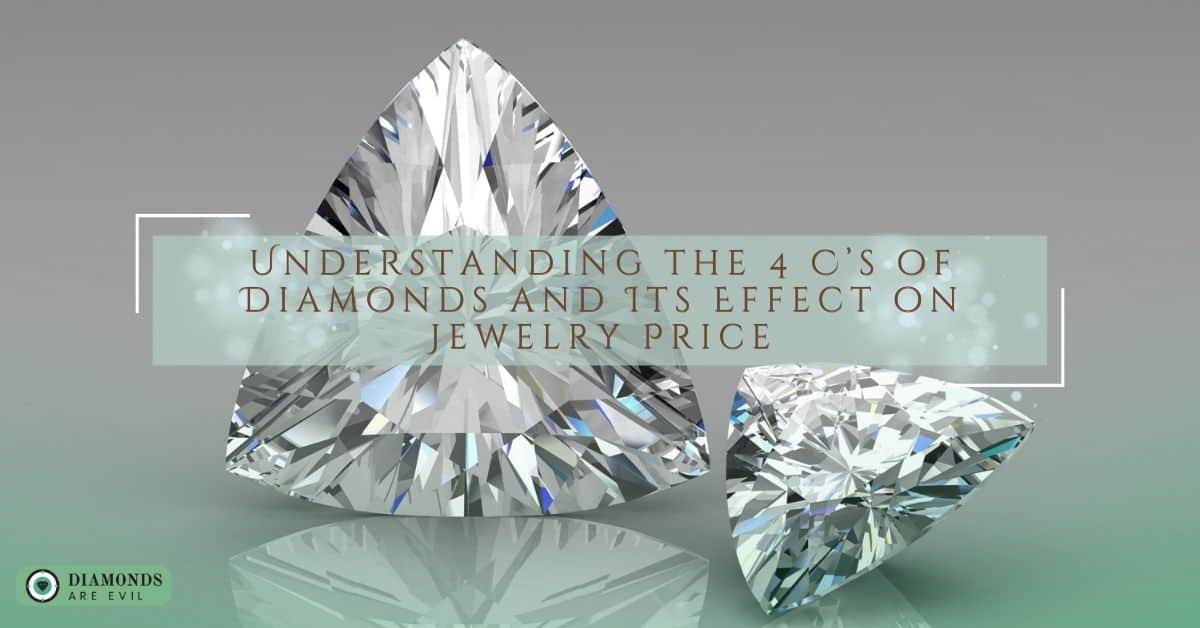
Diamonds are a popular choice for jewelry and have been used as symbols of love, beauty, and commitment for centuries. To ensure you get the most value for your money when buying diamonds, it’s important to understand the 4 C’s – carat, cut, clarity, and color – and how they affect diamond prices.
This article will provide an overview of the effect each of these C’s has on jewelry price, as well as provide a few examples of popular carat weights, cuts, clarity grades, and colors to consider when purchasing diamond jewelry.
What Are the 4 C’s of Diamonds
The 4 C’s of diamonds are Carat, Cut, Clarity, and Color. These characteristics determine the overall value and quality of a diamond. Together they make up what is known as the “diamond grading system”, which is used to evaluate diamonds of all shapes and sizes.
Carat refers to the weight of the diamond, with one carat being equivalent to 0.2 grams. The cut is a measure of how well the facets on the diamond are aligned and how much light is reflected from it. Clarity grades diamonds based on the number and size of inclusions, or flaws, in the stone.
Finally, color grades diamonds based on their shade, ranging from colorless to light yellow or brown. Together, these four characteristics can have a large impact on the price and value of a diamond. When choosing a diamond, it is important to understand each C and how it affects the overall quality of the stone.
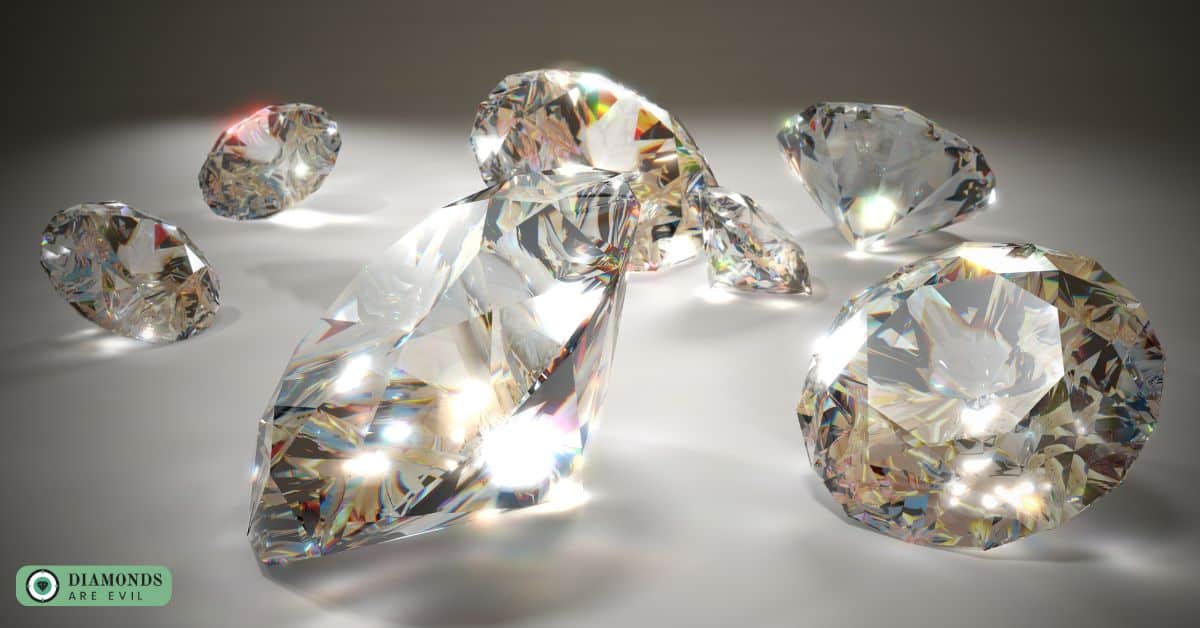
The 4 C’s of Diamonds and Their Effect on Jewelry Price
Diamonds have become a staple part of the jewelry market, and the quality of diamonds can greatly affect their price. But what makes a diamond valuable? Here, we’ll explore each of these four C’s and how they affect the price of the jewelry.
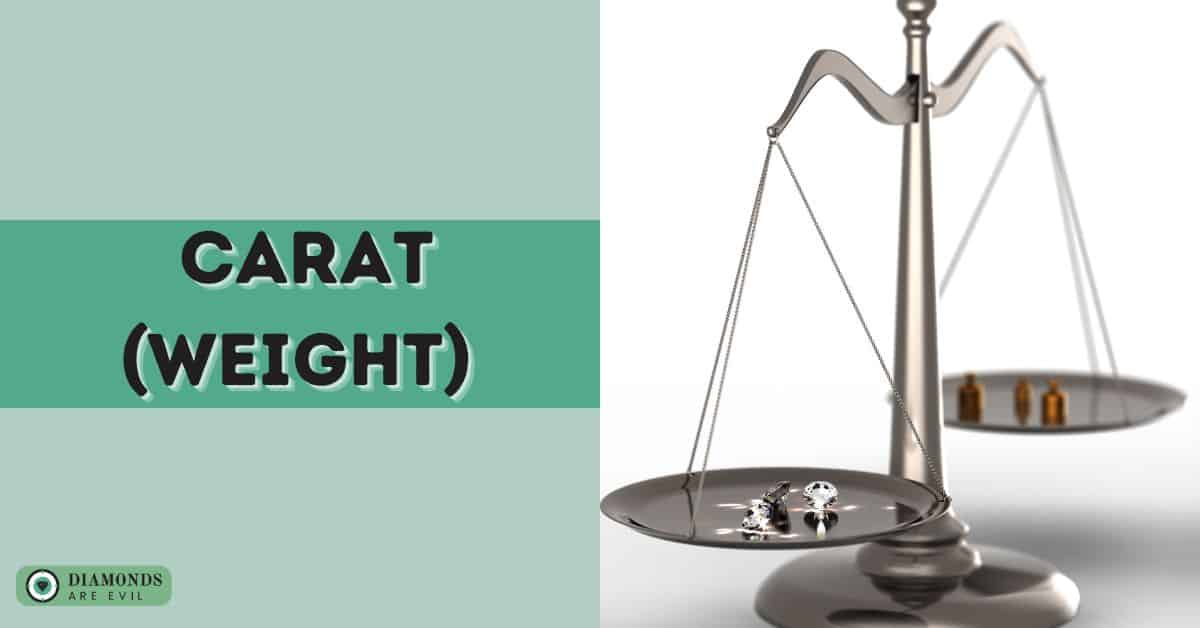
1. Carat (Weight)
Carat (Weight) is the measurement of how much a diamond weighs, and it typically ranges from 0.01ct to 10 carats. The higher the carat weight, the more expensive the diamond will be. While most diamonds come in standard sizes, those that are larger than 1 carat can command a premium price due to their rarity.
How it Affects Jewelry Price
Here, explore how carat weight affects jewelry price, and what you need to know before making a purchase.
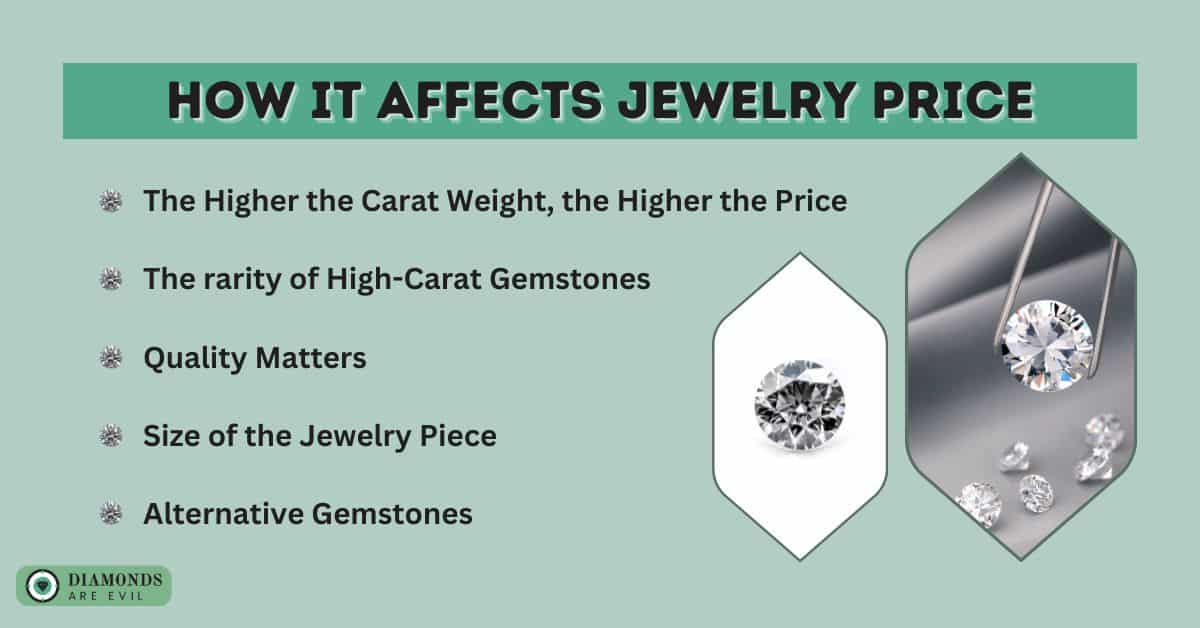
The Higher the Carat Weight, the Higher the Price: Carat weight is one of the primary factors that determine the value of a gemstone. Generally, the higher the carat weight of a gemstone, the more expensive it is. For example, a 1-carat diamond will typically cost more than a 0.50-carat diamond of similar quality.
The rarity of High-Carat Gemstones: High-carat gemstones are rarer than low-carat gemstones, making them more valuable. This is particularly true for diamonds, where large, high-quality diamonds are incredibly rare and therefore command a premium price.
Quality Matters: The quality of the gemstone, including factors such as clarity, color, and cut, also impacts the price. A high-carat gemstone of poor quality will be less valuable than a smaller gemstone of higher quality.
Size of the Jewelry Piece: The size of the jewelry piece also plays a role in how carat weight affects the price. A large necklace or ring will require a higher carat weight to make an impact, while smaller pieces such as earrings may only require a few small gemstones.
Alternative Gemstones: For those looking for a more affordable option, alternative gemstones such as moissanite or cubic zirconia can provide the same look as high-carat gemstones at a fraction of the cost.
Popular Carat Weights
Diamonds are available in a range of carat weights, from small and delicate to large and rare. Here, we will provide a table list of examples of popular carat weights to give you an idea of what to expect when shopping for jewelry.
| Carat Weight | Size | Price Range |
| 0.25 | Small and Delicate | $300 – $1,500 |
| 0.50 | Classic and Popular | $1,500 – $4,000 |
| 1.00 | Sweet Spot for Size and Value | $4,000 – $20,000 |
| 2.00 | Rare and Expensive | $20,000 – $100,000 |
| 5.00 | and above Very Rare and High-End | $100,000 and above |
2. Cut
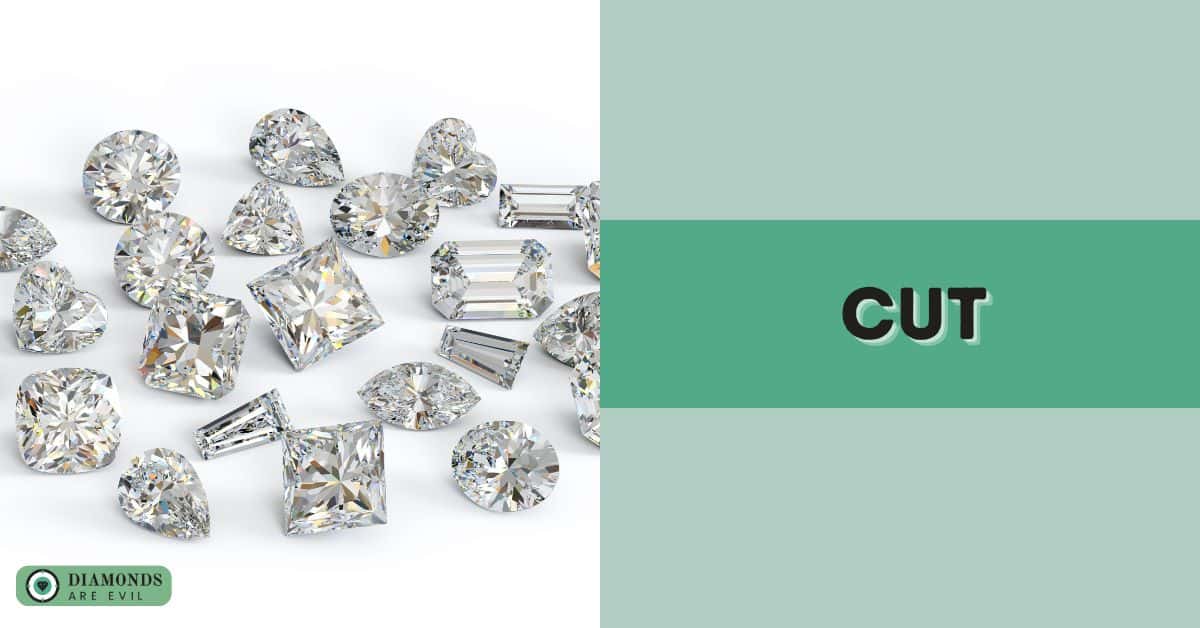
The cut of a diamond is one of the most critical factors that determine its beauty and value. A well-cut diamond will reflect light and sparkle, while a poorly-cut diamond will look dull and lifeless. The cut can also have a significant impact on the price of the diamond.
How it Affects Jewelry Price
Here, we will explore how the cut affects jewelry price and what you should consider when shopping for diamonds.
Cut Quality: The quality of the cut has a significant impact on the price of a diamond. A well-cut diamond will have better light reflection, making it more valuable and expensive than a poorly cut diamond.
Cut Grades: Diamonds are graded on their cut quality, with grades ranging from Excellent to Poor. Diamonds with higher cut grades will be more valuable and expensive than those with lower cut grades.
Proportions: The proportions of a diamond’s cut can also impact its value. Diamonds with optimal proportions will have better light reflection and be more valuable than those with poor proportions.
Carat Weight: The cut can also affect the perceived size of a diamond. A well-cut diamond will appear larger than a poorly cut diamond of the same carat weight, making it more valuable and expensive.
Shape: Different diamond shapes require different types of cuts to maximize their beauty and value. Round diamonds are typically the most expensive due to their popularity and the difficulty in achieving a perfect cut.
Types of Cuts
Here, we will explore the different types of cuts available to help you make an informed purchase decision.
Round Cut: The round cut is the most popular and classic cut for diamonds. It has a circular shape and 58 facets that maximize light reflection, making it very sparkly.
Princess Cut: The princess cut is a square-shaped cut that has become increasingly popular in recent years. It has sharp corners and is often used in engagement rings.
Emerald Cut: The emerald cut is a rectangular-shaped cut that has long, clean lines and fewer facets than other cuts. It highlights the diamond’s clarity and color and is often used in vintage and Art Deco-style jewelry.
Marquise-Cut: The marquise cut is a football-shaped cut that has pointed ends. It elongates the finger and can make the diamond appear larger than its actual carat weight.
Cushion Cut: The cushion cut is a square or rectangular-shaped cut with rounded corners that give the diamond a soft and romantic appearance. It has been popular for over a century and is often used in antique-style jewelry.
Oval Cut: The oval cut is an elongated version of the round cut with similar light reflection properties. It’s a great choice for those who want a classic look but with a unique twist.
Popular Cuts and Their Effects on Price
In this table list, we will explore examples of popular diamond cuts, their corresponding price range, and their effects on the price.
| Diamond Cut | Description | Price Range | Price Impact |
| Round | Classic and most popular | 3,000 – $20,000+ | Highest value and price |
| Princess | Square with pointed corners | $2,000 – $15,000+ | High value and price |
| Cushion | Soft, rounded edges | $1,500 – $10,000+ | High value and price |
| Emerald | Rectangular with long lines | $1,500 – $10,000+ | High value and price |
| Asscher | Square with cropped corners | $1,500 – $10,000+ | High value and price |
| Oval | Elongated round shape | $1,000 – $7,000+ | Medium to high value and price |
| Marquise | Elongated with pointed ends | $1,000 – $7,000+ | Medium to high value and price |
| Pear | Combination of round and marquise | $1,000 – $7,000+ | Medium to high value and price |
| Radiant | Rectangular with trimmed corners | $1,000 – $7,000+ | Medium to high value and price |
| Heart | Symbolic and unique | $1,000 – $7,000+ | Medium to high value and price |
3. Clarity
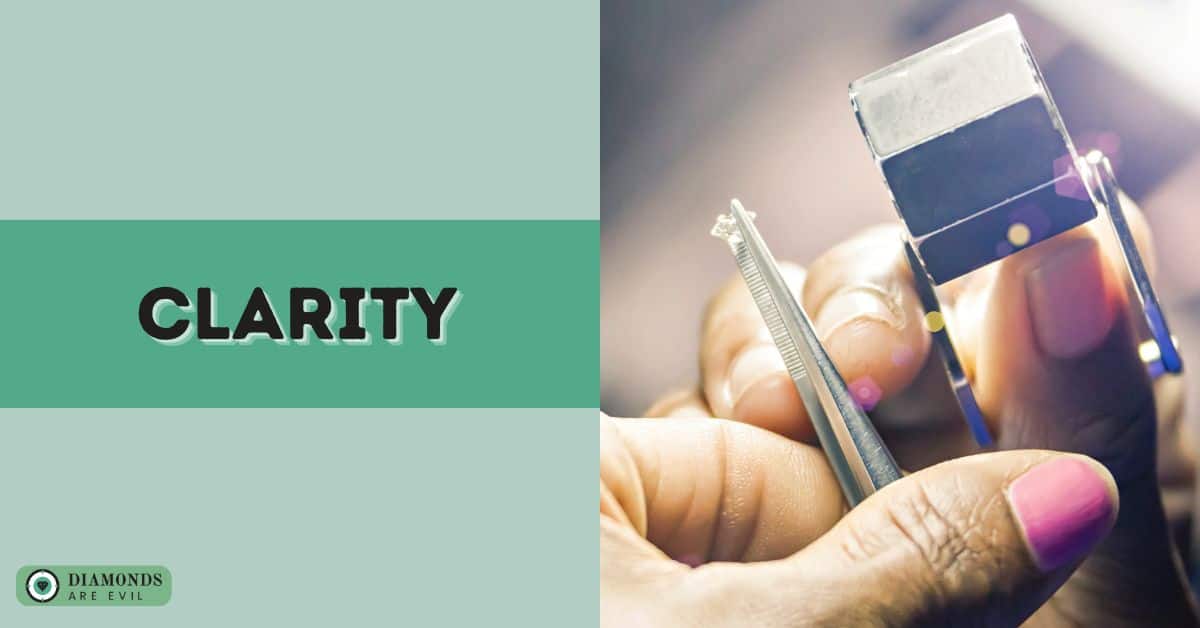
Clarity is one of the four C’s of diamonds, alongside carat weight, cut, and color. It refers to imperfections, or inclusions, in a diamond. The more flawless a diamond is the higher its clarity grade, and the more valuable it is.
How it Affects Jewelry Price
The clarity grade of a diamond can affect its overall value and price. Here, we will explore how clarity affects jewelry prices to help you make an informed purchase decision.
Clarity Grades: Diamonds are graded for clarity on a scale from “Flawless” to “Included.” The higher the clarity grade, the more valuable the diamond is, and the more expensive it will be.
Inclusions: Inclusions are internal characteristics of a diamond, such as air bubbles or tiny crystals, that can affect its clarity grade. The fewer the inclusions, the higher the clarity grade, and the more valuable the diamond.
Flaws: Flaws in a diamond can be visible to the naked eye or only under magnification. The presence of flaws can significantly lower the clarity grade and the overall value of the diamond.
Diamond Certification: A diamond’s certification can also impact its price. Diamonds that are certified by reputable organizations, such as the Gemological Institute of America (GIA), are generally more valuable than uncertified diamonds.
Carat Weight: The carat weight of a diamond can also affect its price. A larger diamond with lower clarity may be less valuable than a smaller diamond with higher clarity.
Popular Clarity and Their Effects on Price
In this table list, we will explore examples of popular diamond clarity grades, their corresponding price range, and their effects on the price.
| Clarity Grade | Description Price Range | Price Impact |
| FL | Flawless – no inclusions or blemishes visible under 10x magnification | $10,000 – $50,000+ Highest value and price |
| IF | Internally Flawless – no inclusions visible under 10x magnification | $8,000 – $45,000+ High value and price |
| VVS1 | Very Very Slightly Included – inclusions are extremely difficult to see | $6,000 – $40,000+ High value and price |
| VVS2 | Very Very Slightly Included – inclusions are very difficult to see | $5,000 – $35,000+ High value and price |
| VS1 | Very Slightly Included – inclusions are difficult to see | $3,500 – $25,000+ Medium to high value and price |
| VS2 | Very Slightly Included – inclusions are somewhat difficult to see | $3,000 – $20,000+ Medium to high value and price |
| SI1 | Slightly Included – inclusions are visible under 10x magnification | $2,000 – $15,000+ Medium value and price |
| SI2 | Slightly Included – inclusions are easily visible under 10x magnification | $1,500 – $10,000+ Medium value and price |
| I1 | Included – inclusions are visible to the naked eye | $1,000 – $7,000+ Lower value and price |
| I2 | Included – inclusions are easily visible to the naked eye | $500 – $3,500+ Lower value and price |
| I3 | Included – inclusions are very obvious and affect the diamond’s beauty | $250 – $2,000+ Lowest value and price |
4. Color
Color is one of the four C’s of diamonds, alongside carat weight, cut, and clarity. It refers to the presence of color in a diamond, with the most valuable diamonds being those that are colorless. The presence of color in a diamond can lower its value and price.
How it Affects Jewelry Price
Here, we will explore how color affects jewelry price to help you make an informed purchase decision.
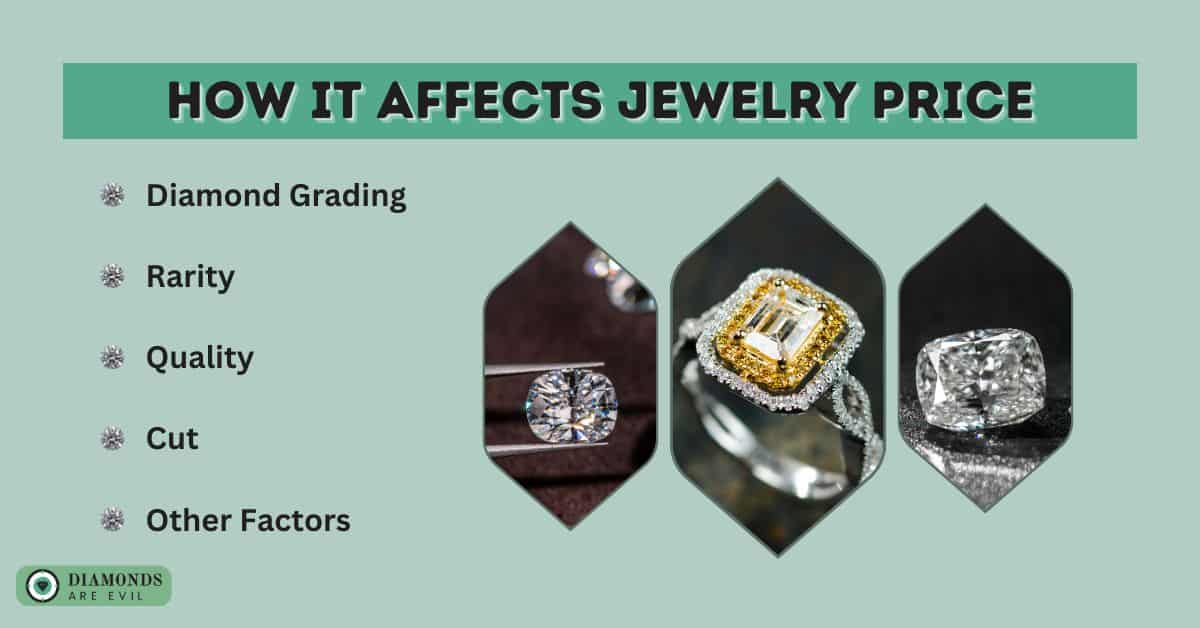
Diamond Grading: Diamonds are graded for color on a scale that ranges from D (colorless) to Z (light yellow). The closer a diamond is to being colorless, the more valuable it is, and the higher its price.
Rarity: Colorless diamonds are rarer and more highly valued than those with visible color. As a result, colorless diamonds command a higher price than diamonds with visible color.
Quality: The quality of a diamond’s color is also a factor in its value and price. The more vibrant and saturated the color, the higher the value and price of the diamond.
Cut: The cut of a diamond can affect how its color is perceived. A well-cut diamond will reflect more light, making the diamond appear brighter and potentially masking any color present. This can impact the diamond’s value and price.
Other Factors: Other factors, such as diamond certification, carat weight, and shape, can also impact the price of a diamond.
Popular Colors and Their Effects on Price
Introduction: In this table list, we will explore examples of popular diamond colors, their corresponding price range, and their effects on the price.
| Diamond Color | Description | Price Range | Price Impact |
| D | Colorless | $10,000 – $20,000+ | Highest value and price |
| E | Near colorless | $7,000 – $15,000+ | High value and price |
| F | Near colorless | $5,000 – $12,000+ | High value and price |
| G | Near colorless | $3,500 – $8,000+ | High value and price |
| H | Near colorless | $2,500 – $6,500+ | Medium value and price |
| I | Near colorless | $1,500 – $4,500+ | Medium value and price |
| J | Slightly yellow | $1,000 – $3,000+ | Lower value and price |
| K | Slightly yellow | $500 – $2,500+ | Lower value and price |
| L | Faint yellow | $250 – $1,500+ | Even lower value and price |
| M | Faint yellow | $100 – $1,000+ | Even lower value and price |
| N-Z | Light yellow or brownish | $50 – $500+ | Lowest value and price |
In conclusion
When shopping for diamonds and jewelry, it’s important to consider the four C’s: carat weight, cut, clarity, and color. Each of these factors can have a significant impact on the price of a diamond or piece of jewelry. It is essential to understand how each factor affects the value and price in order to make an informed purchase decision. By researching and learning about the different factors, you can make sure to get the most value for your money when buying diamonds and jewelry.