
What Is the Content for Diamond?
Discover natural diamonds’ stunning beauty and elegance with a content for diamonds. Find out what makes diamonds so special, why they are considered investments rather than just jewelry pieces and what you need to know when making your purchase decisions.
Diamonds have been treasured for centuries, and their beauty and brilliance make them some of the most desired gems in the world. But what is it that makes diamonds so special? What are the various components that contribute to their value? How can you be sure you’re getting a good deal when buying or selling diamonds?
This article will explore these questions and examine all aspects of diamond content – from color grades to carat weight, clarity levels, shapes and more. This will also explain why diamonds are considered investments rather than just jewelry pieces and what buyers should look for before purchasing. So read on to learn more about this captivating gemstone!
Why Diamonds Are Treasured?
Diamonds have been treasured since ancient times for their mesmerizing beauty and sparkle. With a hardness of 10 on the Mohs scale, diamonds are one of the most resilient gems suitable for everyday wear.
Due to refractive indices and transparency, diamonds have an unmatched fire (sparkle) that creates flashes of rainbow color.
In terms of color, most commercial diamonds range from brilliance-imparting yellow to totally colorless stones. Even though most diamond deposits were produced long below the surface of the Earth more than three billion years ago. The allure of these rare gemstones has fascinated people for millennia. Diamond jewelry has been found as far back as 2700 BC
Many cultures regard diamonds as symbols of strength and invincibility, making them particularly desirable in engagement rings and other luxury items.
What Are Diamonds Made Of?
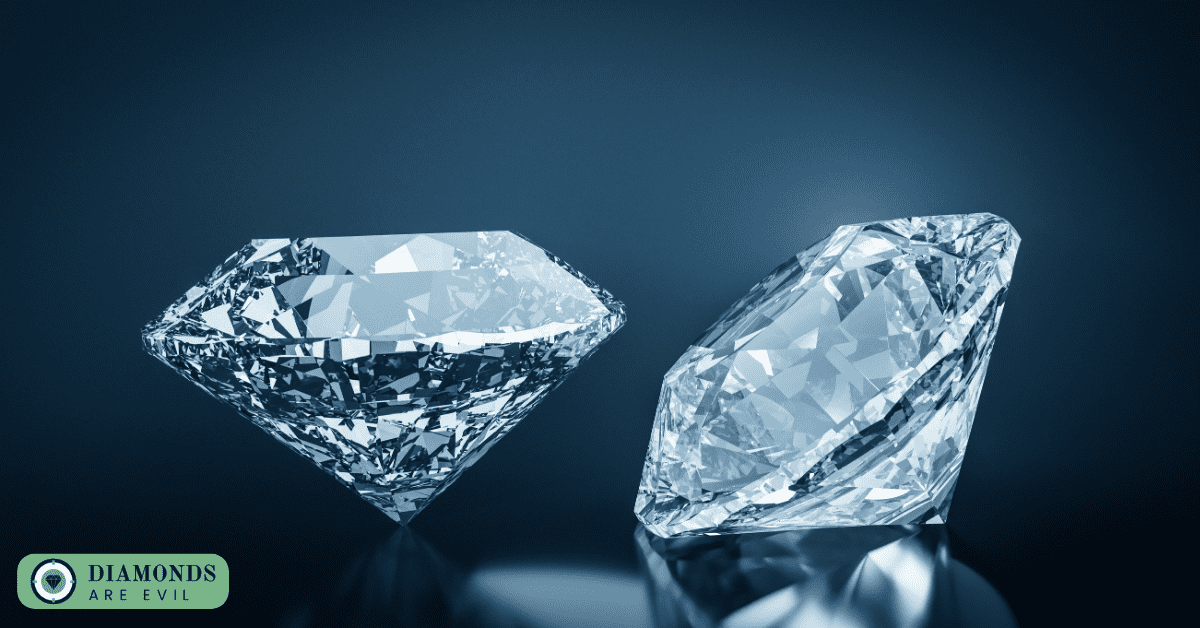
Diamonds have a mystique and beauty unmatched by any other gemstone, but many people are unaware that diamonds are truly remarkable works of nature.
They are formed over millions of years, deep within the earth’s mantle, and contain varying impurities from their construction. Diamond’s unique structure primarily comprises carbon atoms bonded in a “tetrahedral.” These microscopic crystals create a crystal lattice that gives diamonds strength and durability.
Due to the way in which it’s created, diamond is considered the hardest natural substance on the planet. It also has industrial uses ranging from optical devices to thermal conductors because of its strength and stability in harsh environments.
Although diamonds come in different sizes and colors due to their impurities, they all share one thing—their incomparable beauty.
What Are the Factors Contributing to a Diamond Value?
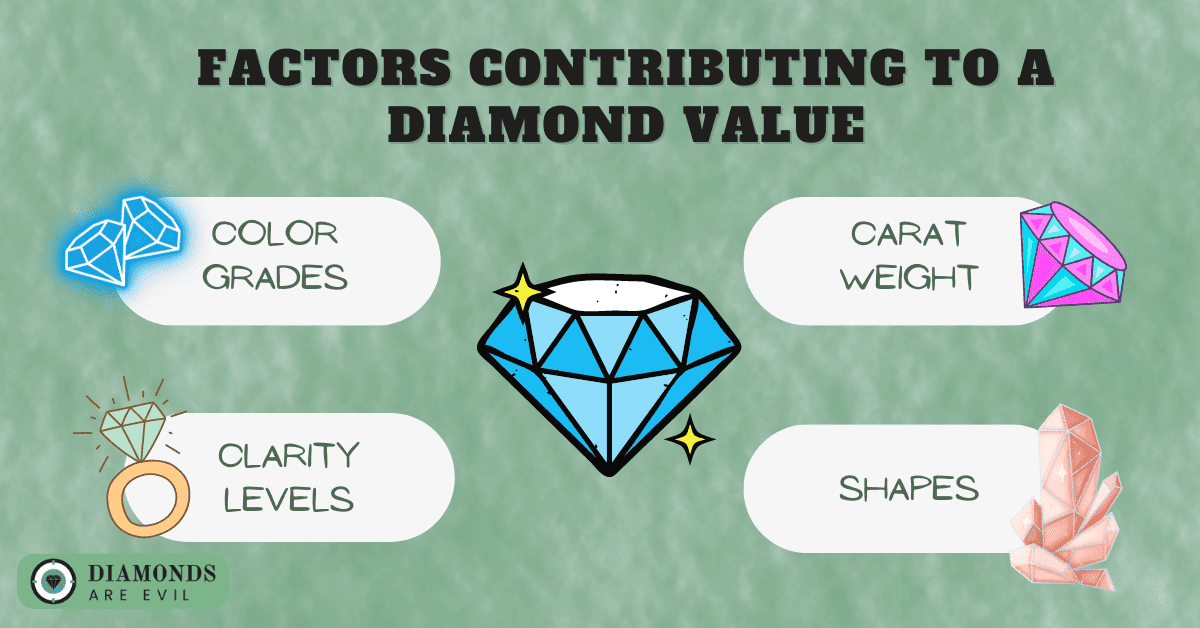
Several factors are at play when it comes to diamond valuation and appreciation. From carat and color, to clarity and shape, knowing exactly what goes into determining a diamond’s value can be tricky – but also incredibly important if you’re looking to make an informed purchase.
Color Grades
The color grading of a diamond is essential in determining its value. Professionals in several businesses perform color grading, which entails comparing the color of a diamond to a set of unambiguous criteria to assess its hue relative to other diamonds on the market.
Professional gemmologists use sophisticated instruments and tools to precisely examine a diamond’s hue, saturation, and shade. Diamonds with strong and attractive color traits, such as vivid yellows or light purples, are rare and valuable, although they are typically more expensive than those without such characteristics.
Carat Weight
Carat weight is an essential factor when considering a diamond’s value. Carats are the form of measurement used to express the weight and size of a diamond, with one carat equal to 0.2 grams.
Larger diamonds will naturally have a higher value than smaller ones, and the cost per carat increases exponentially as the size grows; therefore, paying attention to whether you’re getting good value for the particular diamond you invest in is important.
Clarity Levels
A diamond’s clarity is assessed on how included or clean its surface and internal structure is. A diamond’s clarity grade is based on the presence, size, nature, position, number and color of any inclusions (internal features not visible to the naked eye) or blemishes (surface flaws like scratches).
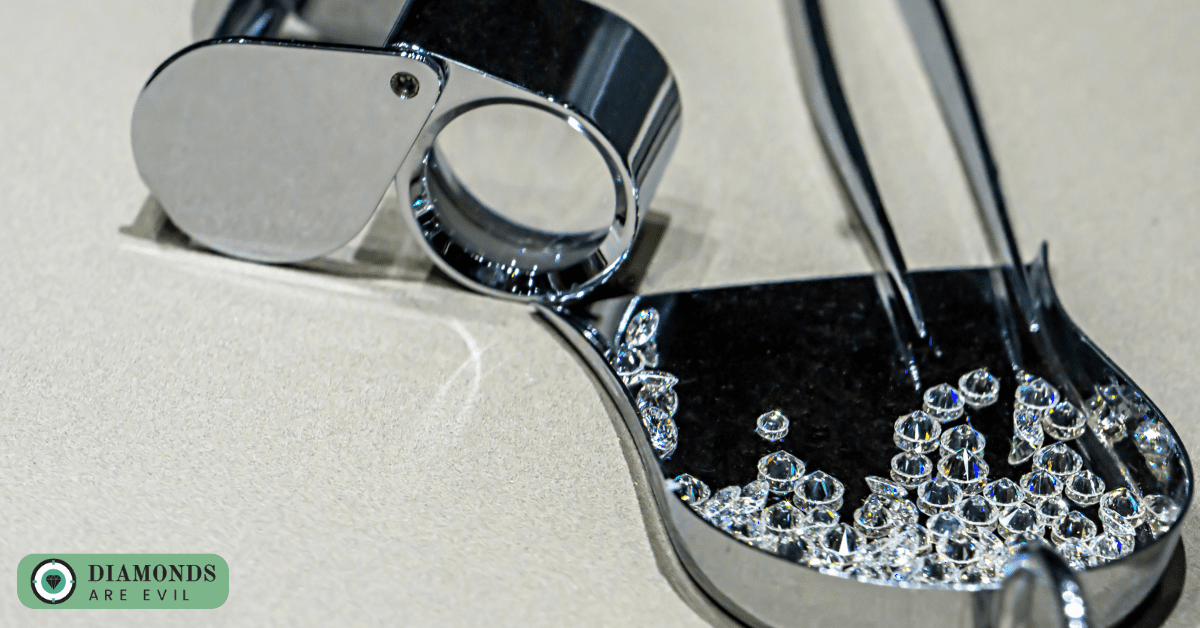
Generally speaking, diamonds with higher clarity grades are much rarer and therefore have a higher value than those with lower clarity grades. When determining whether a certain diamond has enough sparkle or if it contains noticeable inclusions, you should use at least 10x magnifying power.
You can choose which quality level meets your needs and budget by analyzing careful examination reports and reliable certificates for each diamond’s specific characteristics.
Shapes
Determining the value of a diamond starts with understanding its characteristics. The shape of a diamond is an important factor in defining its value, as it greatly affects the appearance and display of brilliance.
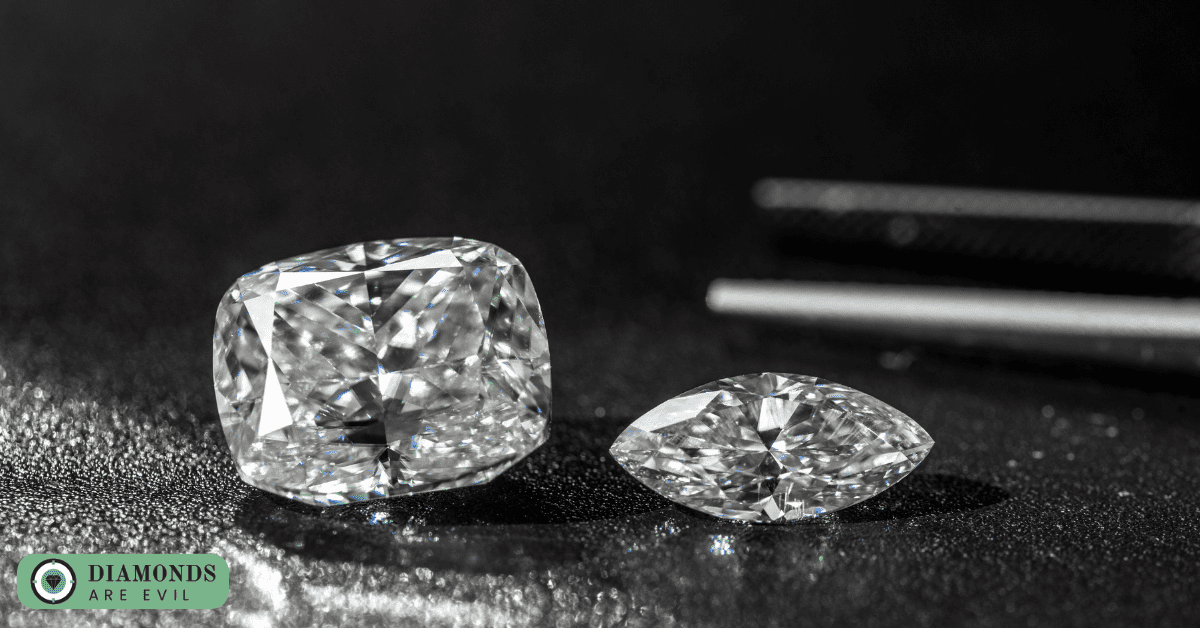
Popular shapes include round, princess, oval, emerald, marquise and pear cut. Each has unique characteristics that will affect the price – for instance, diamonds with sharp corners and slender silhouettes tend to cost more than those in symmetrical shapes with fewer facets.
When determining the cost of a diamond, remember that other facets, such as carat weight and clarity, must also be considered before making your choice.
Diamonds As Investments Rather Than Just Jewelry Pieces
Diamonds have always been perceived as the ultimate symbol of love and luxury. But did you know that diamonds can also be extremely profitable investment vehicles?
As value increases over time and their physical form won’t decline due to a lack of durability, potential investors interested in generating returns from the diamond commodity index should consider investing in diamonds more seriously.
Real diamond jewelry pieces purchased from top-rated jewelers are not only aesthetically beautiful but make smart financial decisions for those looking to safeguard their assets without taking on unnecessary risk.
While stock markets present considerable volatility, investing in diamonds presents a significantly lower risk rate than in other investments.
Furthermore, with so many options to choose from in terms of where to store your diamonds, such as buying jewelry or storing them in Diamond Financial Centers (DFCs), one can find the perfect solution to safeguarding your physical diamond investments while still receiving substantial returns on one’s capital since most people prefer investment-grade diamonds rather than mere trinkets.
Once you understand both the unique beauty and inherent value held within each diamond, it becomes much easier to see them as a safe yet lucrative opportunity for anyone looking for a sound long-term solution to their wealth management strategies.
Tips on Getting a Good Deal When Buying or Selling Diamonds
Buying or selling diamonds is an expensive venture, and it can be difficult to find a good deal. If you want to get the most bang for your buck while acquiring your diamonds, here are some tips to consider:
When Buying Diamonds:
- Research diamond prices and quality before making a purchase. The 4 Cs (carat weight, cut, clarity, and color) determine a diamond’s value.
- Shop around to compare prices and quality from different diamond retailers. Look for stores with good reputations and customer reviews.
- Consider purchasing a diamond with a slightly lower grade than top tier. Small differences in grades can significantly impact the price, and the naked eye may not be able to tell the difference.
- Don’t be afraid to negotiate. Many jewelers are willing to offer discounts or work within your budget.
- Consider purchasing a diamond online. Online retailers often offer lower prices due to lower overhead costs. However, make sure the retailer is reputable and has secure payment options.
- Be aware of sales and discounts, but also beware of overstocked or low-quality diamonds that may be heavily discounted.
When Selling Diamonds:
- Have a certified gemologist or appraiser appraise the diamond to determine its value.
- Consider selling the diamond to a reputable jeweler or diamond dealer with a good reputation and customer reviews.
- Know the market value of the diamond and set a realistic selling price. Don’t let sentimentality affect the price.
- Be willing to negotiate. The price of a diamond is often negotiable, and buyers may try to offer less than the asking price.
- Consider selling the diamond online through reputable diamond-buying websites. However, be cautious and ensure secure payment and a trustworthy buyer.
- Sell the diamond during peak seasons or holidays when there is higher demand for diamonds.
In conclusion
Diamonds have a long, rich history filled with beauty, symbolism, and strength. Despite its complexity and character, the content of a diamond is quite simple – carbon in its purest form.
Its unique physical and chemical make-up makes it the most coveted gemstone in the world, but when crafted into rings and jewelry, they become so much more than just pretty stones. They are marks of commitment and devotion – everlasting symbols of love that will endure through time. Diamonds remain a classic symbol for eternity with their brilliant sparkle and timeless allure.