
What Makes a Diamond Sparkle and Shine?
Diamonds have captivated people for centuries, and one of their most alluring features is their sparkle and shine. The beautiful effect lies in the science of light and the diamond’s unique properties. Factors such as the Four Cs of diamond quality, fluorescence, symmetry, and polish also play a role in diamond sparkle and shine.
In this blog post, we’ll delve into the science behind what gives a diamond its sparkle, and explore some of the factors that contribute to their unique beauty. Whether you’re a diamond enthusiast or simply curious about the chemistry of gemstones, read on to discover what makes these sparkling stones truly shine.
The Diamond’s Sparkle and Shine
The diamond is a precious gemstone known for its sparkle and shine. A diamond’s beauty is measured in terms of four key characteristics: clarity, color, cut, and carat weight. Clarity refers to the absence of inclusions and blemishes that can reduce the stone’s brilliance.
Color refers to how close the diamond is to being colorless, while cut is determined by angles and proportions that maximize the stone’s sparkle. Carat weight refers to the size of the diamond. The larger the carat weight, the more valuable the diamond is generally considered to be.
Diamonds are formed over millions of years under intense pressure and heat underground. When extracted from the Earth, they must be cut and polished to bring out their unique sparkle. Although some diamonds can be found in nature in its rough form, others are cut into different shapes and styles using diamond cutting tools such as lasers and saws.
The science of light and diamonds
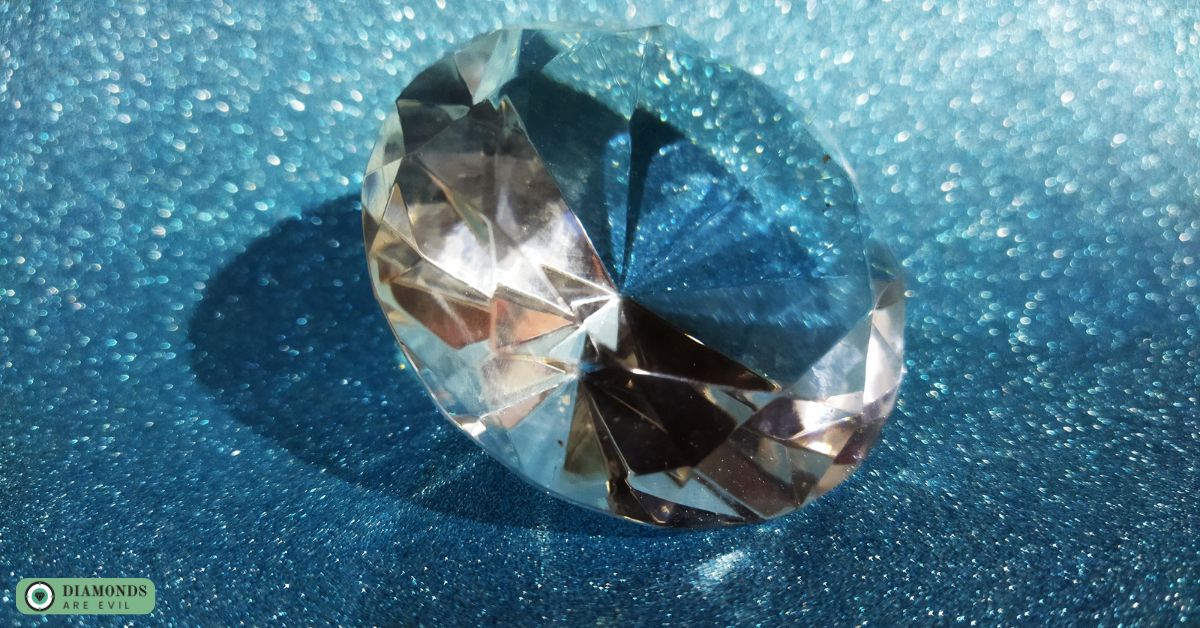
Light behavior plays an important role in how a diamond interacts with light, and how it reflects and refracts off of its surfaces to create the sparkle that makes diamonds so attractive. When visible light enters a diamond, it is split into parts known as spectral colors.
These spectral colors are then reflected off of the diamond’s facets, creating a rainbow of color that can be seen from different angles. The more facets and the better symmetry of the diamond, the more intense and beautiful its sparkle will be.
In addition to visible light, diamonds are capable of reflecting infrared and ultraviolet rays which, together with their spectral color effect, gives diamonds their unique and stunning brilliance. As a result, diamonds are one of the most sought after gemstones in the world, with their beauty and sparkle admired by millions around the globe.
Diamond’s optical properties
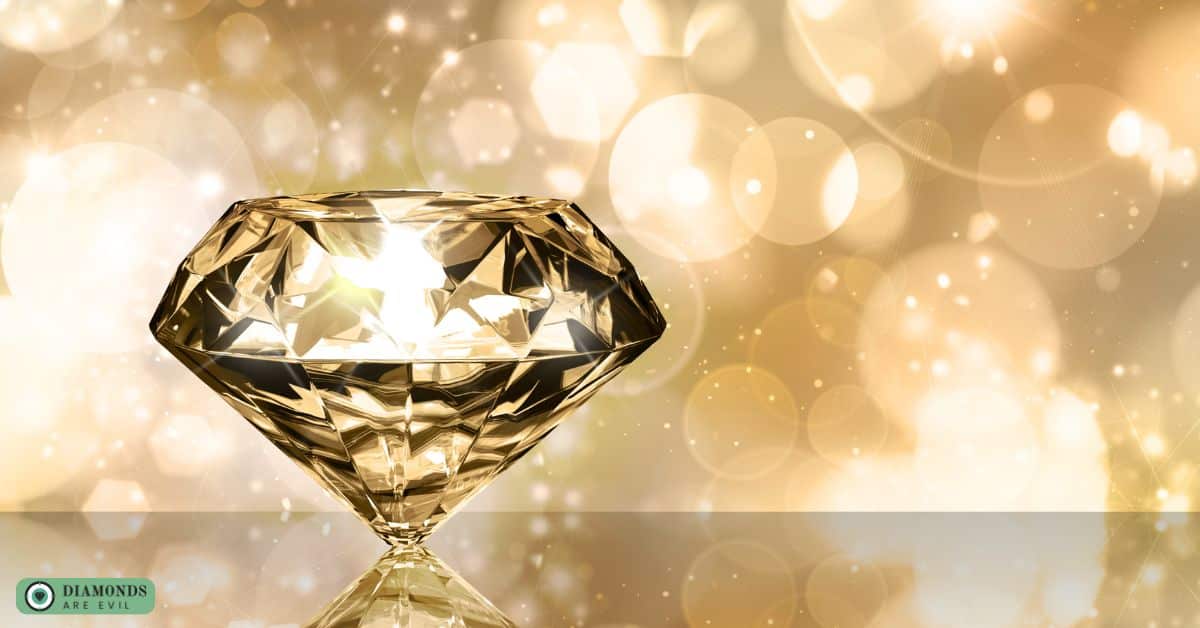
Light plays a vital role in amplifying the diamond’s sparkle, making it one of the most brilliant gems available today. With a combination of expertly cut and polished facets, along with their ability to reflect visible light and ultraviolet rays, diamonds offer an unparalleled level of brilliance that has made them admired and sought after for centuries.
Knowing the science behind a diamond’s optical properties can help you understand and appreciate their beauty even more, making them an invaluable part of any jewelry collection. Whether it’s a brilliant necklace or beautiful engagement ring, diamonds are sure to add sparkle and shine to every outfit and occasion.
The Four Cs of Diamond Quality
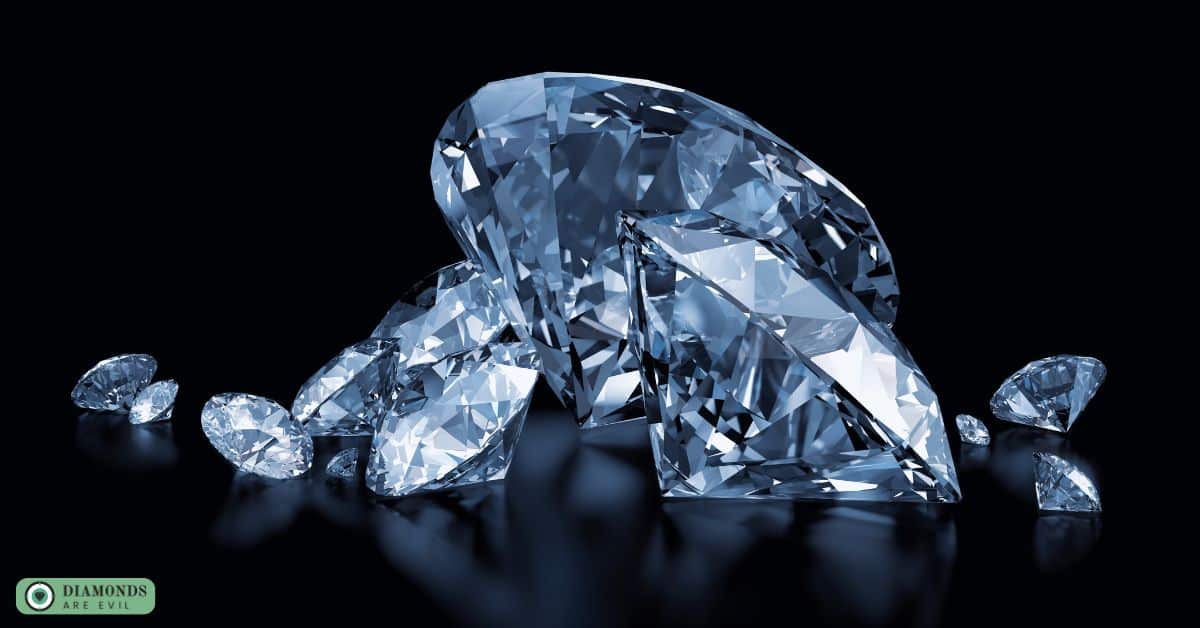
When shopping for diamonds, you may have heard about the “Four Cs” of diamond quality. These are the carat weight, cut, clarity, and color, and they are the most important factors that determine a diamond’s overall value and beauty. Understanding these Four Cs can help you make an informed decision when purchasing a diamond, ensuring that you get the best quality for your money.
Carat weight
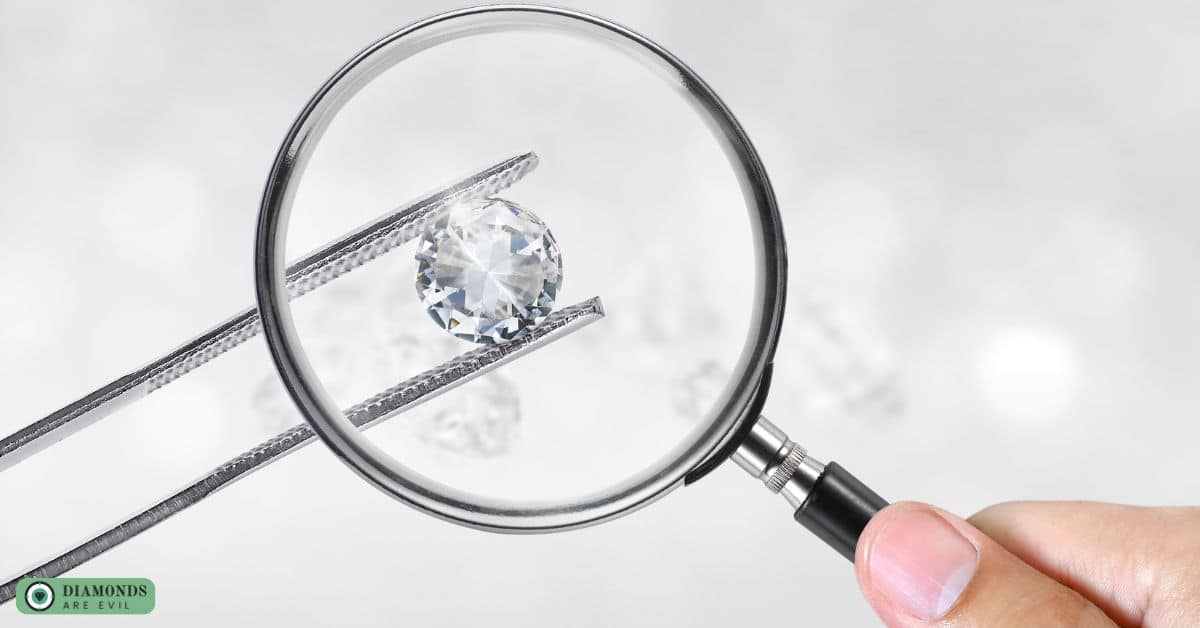
Carat weight is one of the most important factors when it comes to determining the quality of a diamond. The weight of a diamond is measured in carats, with one carat equaling 0.2 grams.
Generally, the higher the carat weight of a diamond, the more valuable it is. However, carat weight should not be the only consideration when determining the value of a diamond.
Cut
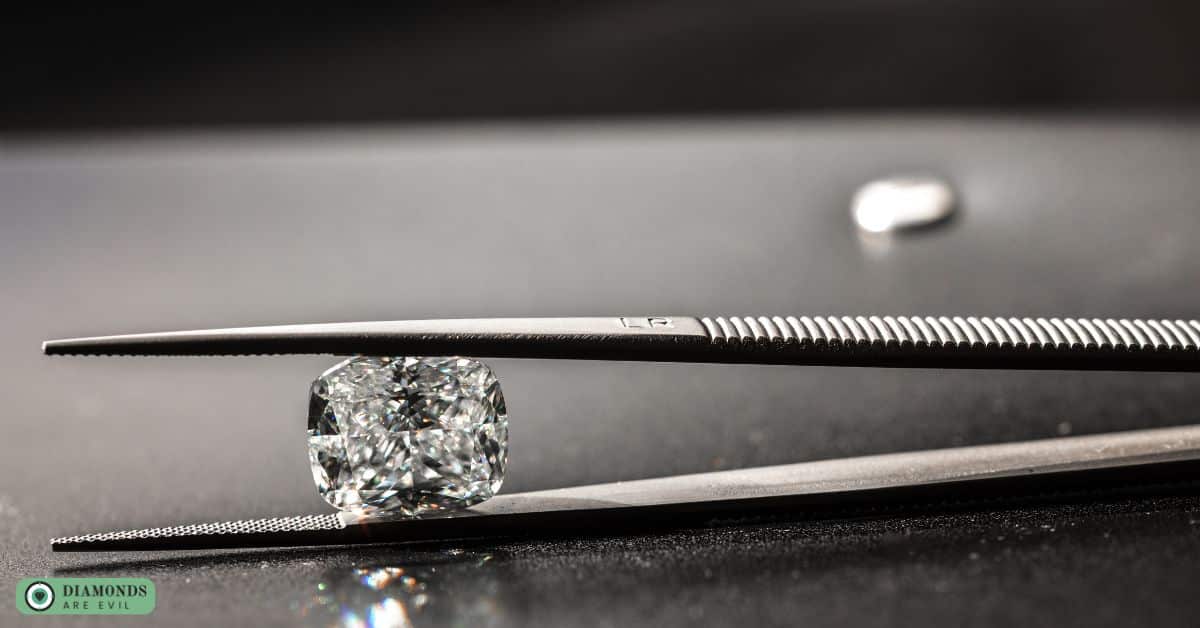
A well-cut diamond reflects light in a way that maximizes its brilliance and sparkle, making it appear more brilliant and valuable. The perfect cut creates symmetry and balance, resulting in a stunning gemstone that appears to have a never-ending fire.
A poorly cut stone can be dull and lifeless, no matter how good its color or clarity might be. So, when selecting a diamond, always pay close attention to the cut, as it plays such a crucial role in its overall quality and beauty.
Clarity
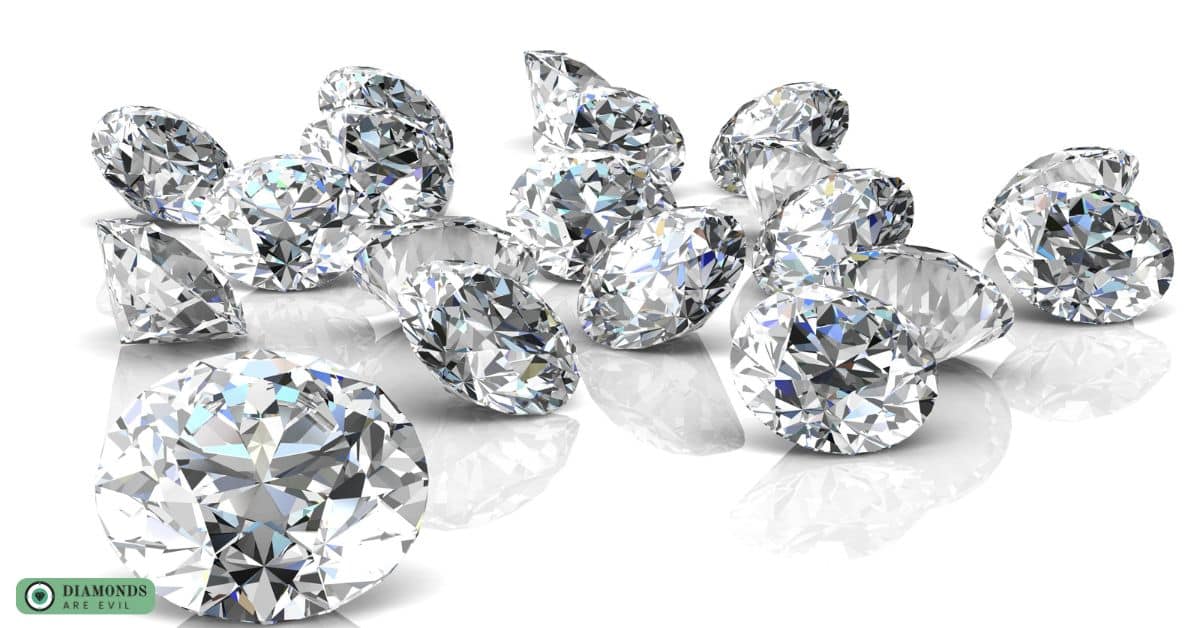
It refers to the absence or presence of blemishes and inclusions in a diamond. Blemishes are surface imperfections such as scratches, nicks, or pits, while inclusions are internal imperfections such as bubbles, minerals, or cracks.
The clarity of a diamond is graded on a scale ranging from Flawless (FL) to Included (I3). A diamond with a higher clarity grade will have fewer blemishes and inclusions, making it more valuable.
Color
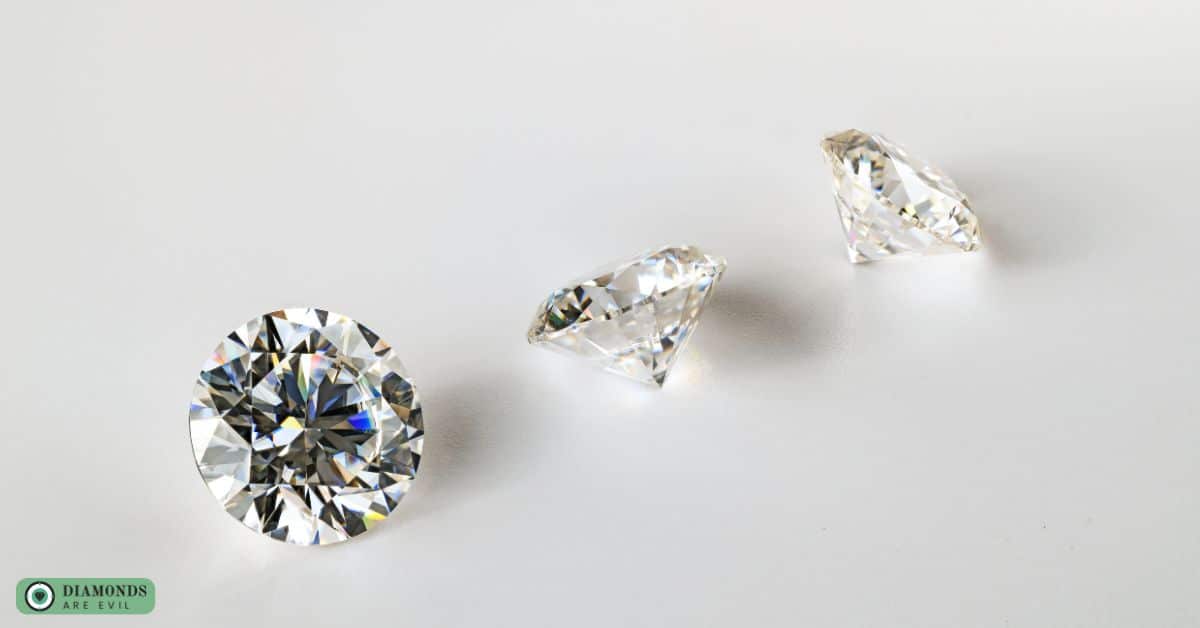
Among these Cs, color is a fundamental factor in determining a diamond’s value. Unlike other gemstones, diamonds are graded on a letter scale from D to Z, with D representing the most colorless and therefore the most valuable diamond. As the letter grade moves down the scale, the presence of color becomes increasingly visible, resulting in a decrease in quality and value.
Other factors affecting diamond sparkle and shine
When it comes to diamond jewelry, one of the most important factors that buyers consider is how much the diamond sparkles and shines. However, there are several other factors that can affect the overall brilliance of a diamond.
The following are factors that affect the diamond’s sparkle and shine. By understanding these additional factors, buyers can make more informed decisions when selecting diamonds that are both beautiful and valuable.
Fluorescence
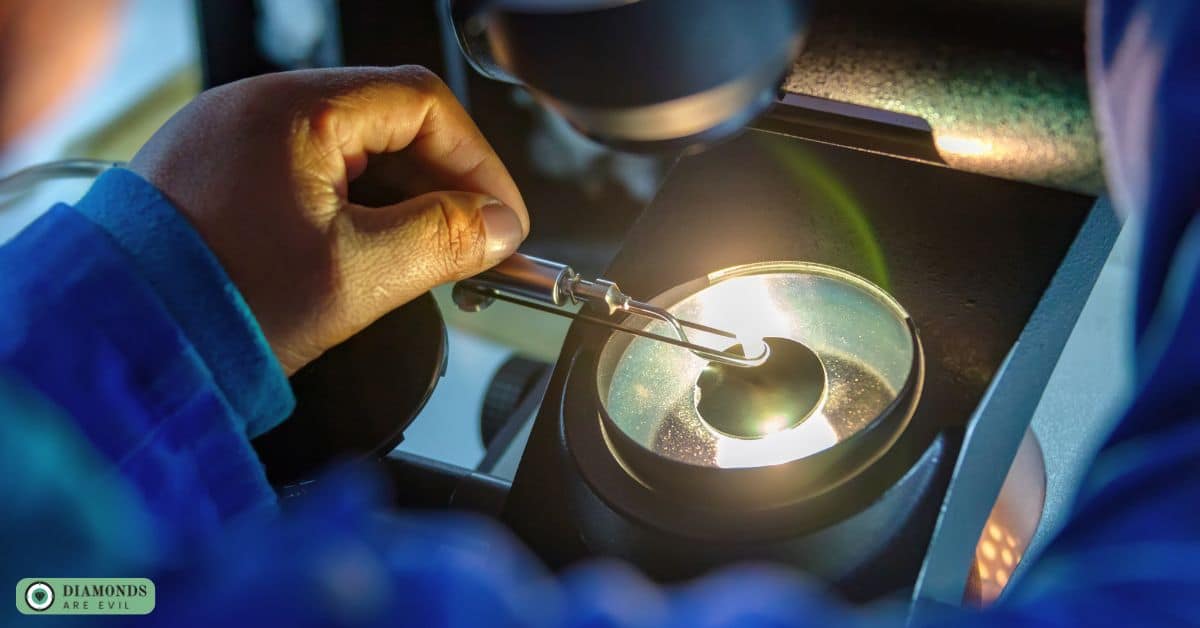
One of these factors is fluorescence, which is the emission of light by a material. When diamonds are exposed to ultraviolet light, some emit a blue or white glow, which can impact their appearance.
While some people appreciate the additional hue, others may prefer diamonds that exhibit no fluorescence. It’s just one of many factors to consider when choosing a diamond that meets your unique preferences. Other factors that affect diamond sparkle and shine include cut, color, and clarity.
Symmetry
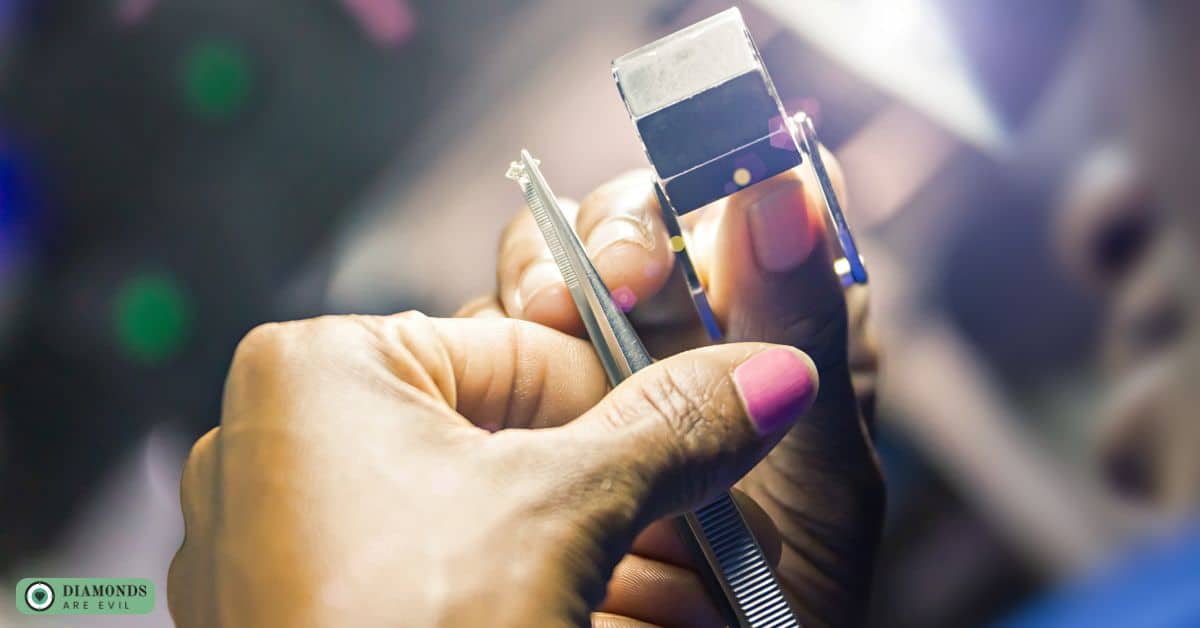
Symmetry plays a significant role in the overall sparkle and shine of a diamond. When a diamond is cut with proper symmetry, it will reflect light evenly, creating a stunning display of brilliance. A diamond with poor symmetry, on the other hand, will have areas where light is not reflecting correctly, resulting in a dull appearance.
Polish
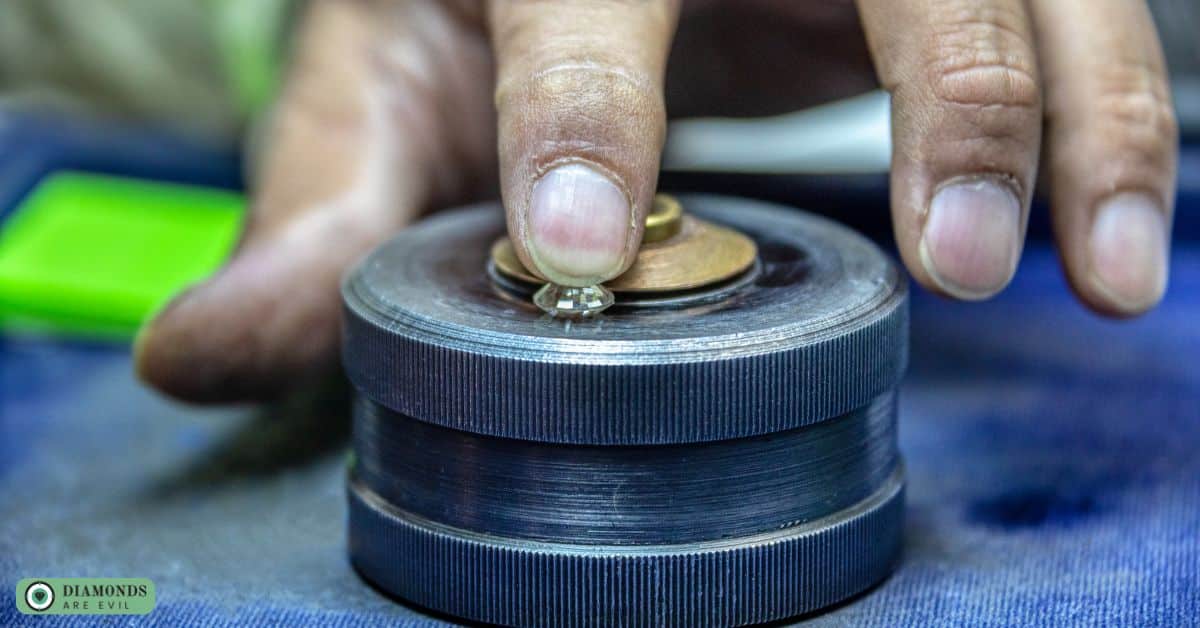
Polish refers to the smoothness and symmetry of a diamond’s surface, which can greatly impact its ability to reflect light. A diamond with excellent polish will appear bright and dazzling, while one with poor polish may look dull and lifeless.
Polish is just one of many factors that contribute to a diamond’s overall quality and value, making it an important consideration when selecting the perfect stone for your needs.
Environmental factors
Environmental factors play an equally important role in determining the sparkle and shine of a diamond. For example, natural light can have a significant impact on a diamond’s appearance, both in terms of color and brilliance.
Similarly, artificial light sources, such as the overhead lighting in jewelry stores, can also affect the way a diamond looks. Climate and temperature can also impact a diamond’s performance, with extreme conditions potentially altering the stone’s properties.
How to enhance diamond sparkle and shine
When it comes to diamonds, sparkle and shine are two essential factors that add to its timeless beauty. However, over time, even the most dazzling diamonds can become dull and lose their luster.
Fortunately, there are several ways to enhance the sparkle and shine of your diamond. With the right care and attention, your diamond can continue to shine bright and make a lasting impression.
Proper cleaning and maintenance
Proper cleaning and maintenance are essential to maintain the sparkle and shine of your diamond. Regular care can help prevent dirt, oil, and other substances from dulling the diamond’s brilliance. Here are three ways to ensure your diamond stays in top condition:

Professional Cleaning: Regular cleaning by a professional jeweler can remove any buildup of dirt or grime from your diamond. They can also check the settings to make sure they are secure and that the diamond is not loose.
Home Cleaning: You can clean your diamond at home using a soft-bristled toothbrush and a solution of warm water and mild dish soap. Gently scrub the diamond, paying close attention to the underside where dirt can accumulate, then rinse and dry with a soft cloth.
Safe Storage: When not wearing your diamond, store it in a soft cloth or jewelry box to protect it from scratches and damage. Avoid storing diamonds together or with other jewelry to prevent scratches and nicks.
Choosing the right setting and metal
The setting and metal of a diamond can also affect its sparkle and shine. A well-crafted setting, crafted from the right material, will help showcase the diamond’s brilliance while protecting it from damage. Popular settings include prong, bezel, pave, and channel.
The type of setting you choose should depend on the design of your jewelry and your lifestyle. For example, if you work in a manual labor job or are very active, a bezel setting is ideal as it offers more protection for the diamond.
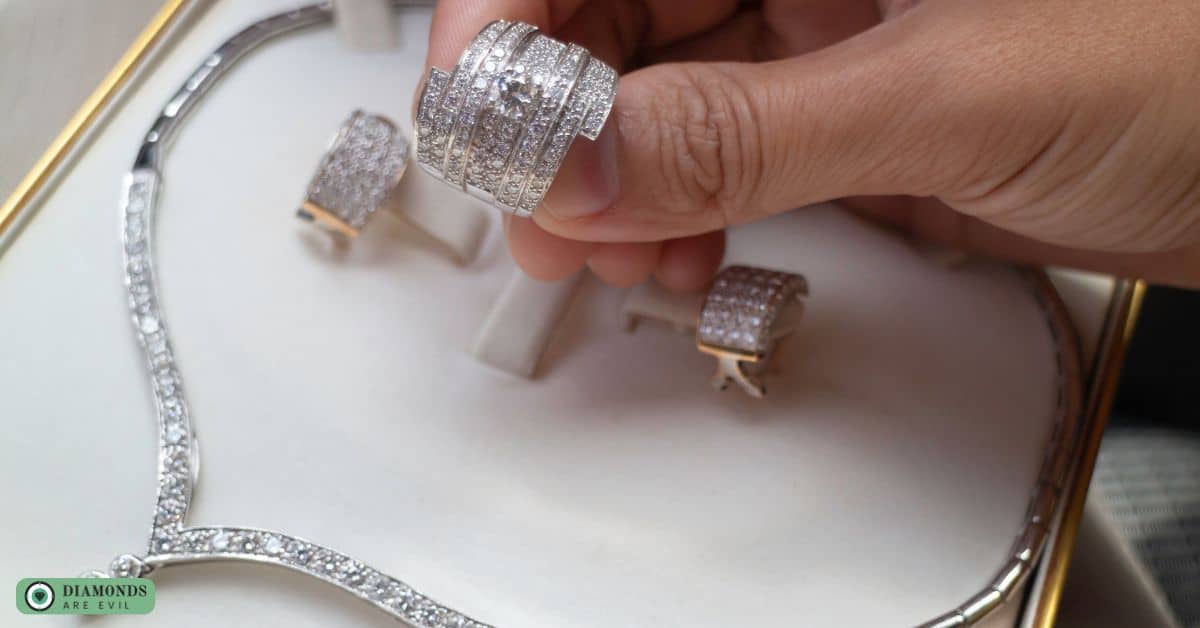
Adding accent stones or using diamond alternatives
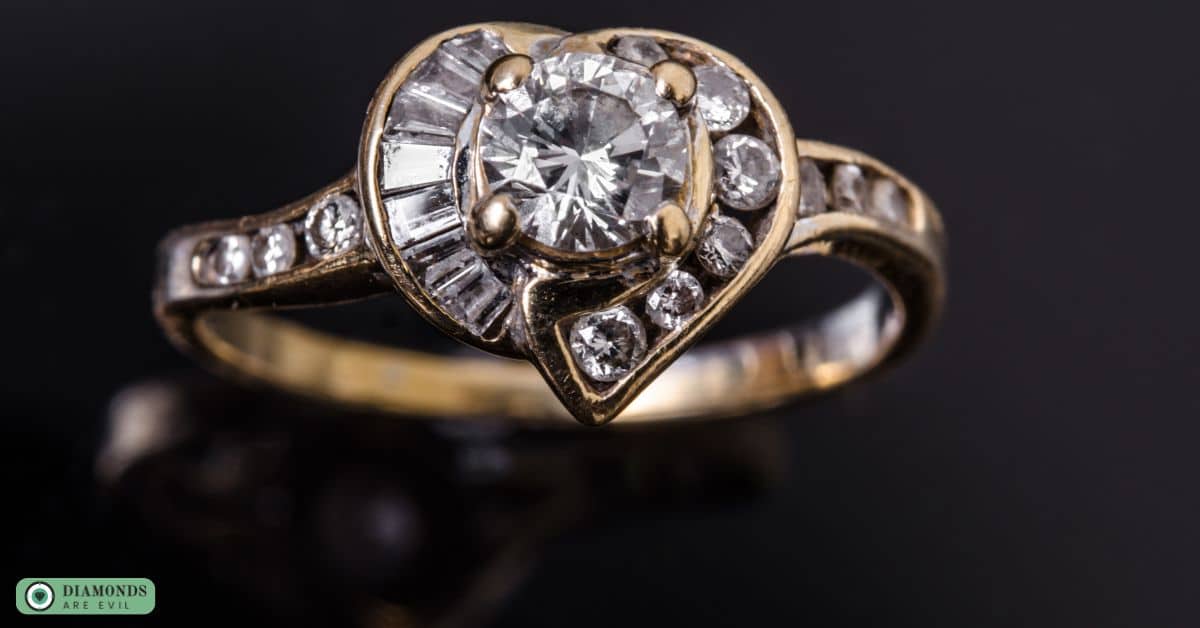
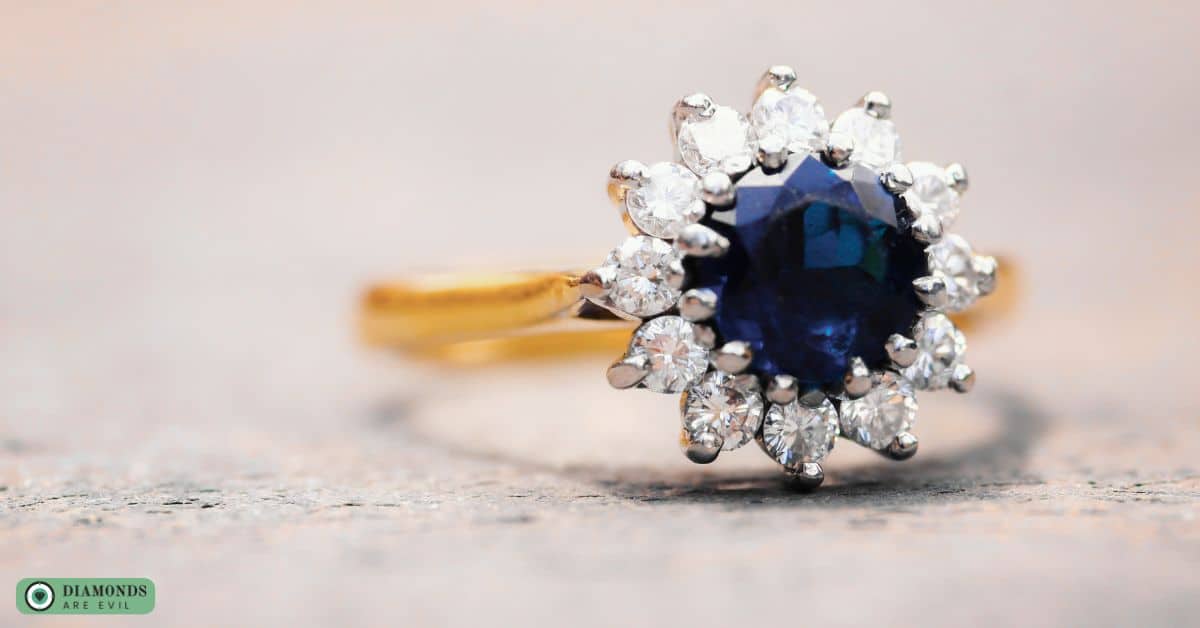
Adding accent stones or using diamond alternatives, such as gemstones, can add an extra layer of sparkle and shine to your jewelry. Accent stones are used to enhance the center stone by adding color and contrast.
Popular accent stones include sapphires, rubies, and emeralds. However, if you’re looking for a more budget-friendly option, there are other diamond alternatives available, such as moissanite and cubic zirconia. These gemstones offer similar sparkle and shine to a diamond but at a fraction of the cost.
In Conclusion
The diamond’s sparkle and shine is determined by several factors, including cut, clarity, color, carat weight, fluorescence, symmetry, and polish. Environmental factors can also affect its brilliance. To keep a diamond sparkling for years to come, proper care and maintenance are necessary.
The right setting and metal choice can help showcase the diamond’s beauty, while accent stones or diamond alternatives can add an extra layer of sparkle. With the right knowledge and care, diamonds will remain a treasured symbol of love and beauty for years to come.