
When Should I Take Off My Diamond Ring?
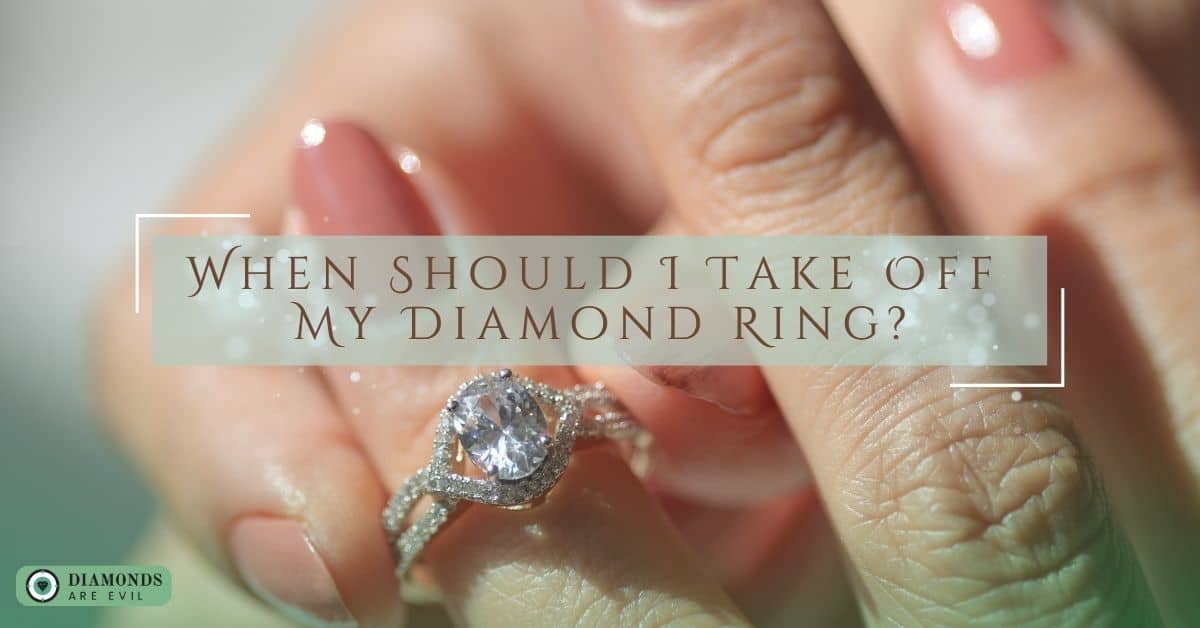
Taking off your diamond ring at the appropriate times is important for its longevity and appearance. This includes during physical activities, cleaning and maintenance, swimming or bathing, and when performing hazardous tasks. By removing your ring in these circumstances, you can prevent damage, maintain the tightness of the setting, and ensure your safety.
In this blog post, we’ll discuss when exactly you should take off your diamond ring to protect it from damage. We’ll cover topics like the importance of diamonds in jewelry culture. During physical activities, when cleaning and maintaining your ring. And when swimming or bathing, when doing hazardous tasks, and when visiting the doctor or dentist. Read on to learn the best times to take off that beautiful diamond ring!
Importance of Diamonds and Diamond Rings in Jewelry Culture
Diamonds have been an emblem of love and commitment. Since time immemorial, throughout many different cultures. From traditional engagement rings to ornate pieces of jewelry such as crowns and tiaras, diamonds signify a lifetime bond of belief, trust and undying admiration. With their incredible hardness and exceptional brilliance, diamonds offer unparalleled beauty and durability when used in jewelry.
As the hardest known metal, diamonds are extremely resistant to scratch or any type of physical damage making them the perfect stones for generations of jewelers to work with. In addition, no two diamonds are exactly alike as each gemstone has its own unique pattern and color.
Consequently, diamond jewelry is appreciated for the individual craftsmanship that goes into each piece. As diamond rings remain an essential part of numerous ceremonies today ranging from marriages to graduations, it’s clear just how important they are in modern-day jewelry culture.
When Do I Take It Off?
A diamond ring is an important piece of jewelry, symbolizing a lifetime commitment and love. It’s also an item that needs to be taken care of properly in order for it to maintain its beauty and shine. This means understanding when it is appropriate to wear your diamond ring and when it should be removed or put away.
During Physical Activities
It is common to take off any jewelry during physical activities such as vigorous exercise or sports. However, the question of whether you should take off your diamond ring still remains.
It is recommended to take off your diamond ring during physical activities for several reasons.
- Protection: Diamonds are precious and valuable gemstones, and they can become damaged or lost if they are exposed to physical stress. Taking off your diamond ring during physical activities can prevent it from being scratched, chipped, or lost.
- Comfort: Diamond rings can become uncomfortable during physical activities, especially if they are tight-fitting. Taking off your ring can prevent discomfort and irritation to your finger.
- Safety: Diamond rings can pose a hazard during physical activities, especially if they get caught on clothing or equipment. Taking off your ring can prevent injury and protect both the ring and your finger.
Examples of physical activities that warrant the removal of a diamond ring include sports, weightlifting, gardening, and housework. If you value your ring greatly, it may be wise to remove it during physical activities for the best preventive results.
When Cleaning and Maintaining Your Ring
Most jewelry aficionados prefer taking off your diamond ring when cleaning and maintaining it is a crucial step in ensuring its longevity and appearance.
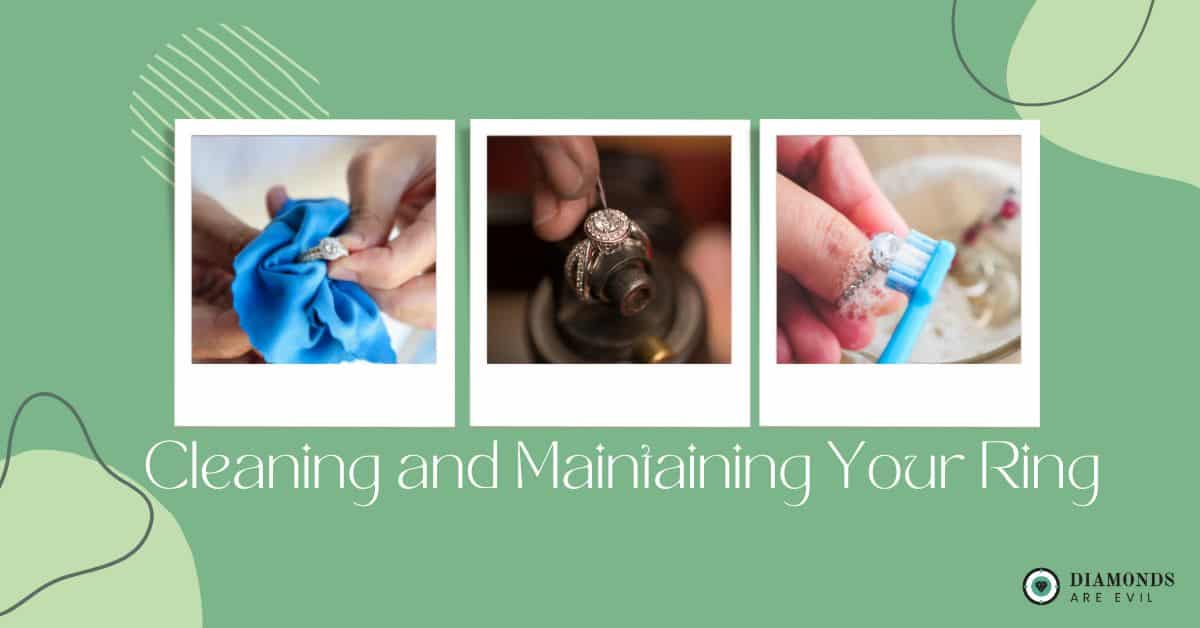
Cleaning your diamond ring can cause damage if not done correctly. Certain cleaning products and methods can cause damage to the metal or loosen the setting, which can result in the diamond falling out. To avoid this, it is best to take off your diamond ring and clean it separately.
Regular maintenance of your diamond ring is important to ensure it stays in good condition. This can include checking the tightness of the setting, cleaning the diamond, and having it professionally inspected. Taking off your ring before maintenance makes it easier to work on and helps prevent accidental damage.
If your diamond ring needs repairs, it is best to take it off before the repairs are made. This allows the jewelry repair specialist to work on the ring without causing any damage to your finger.
When Swimming or Bathing
Diamond rings are a symbol of love and commitment, but there are a few times when it’s best to take them off before going in the water. Swimming pools contain chemicals that can build up and cause residue or dullness in your diamond ring over time.
The same goes for bathing – too much contact with soap, shampoo, and other bathroom products can accumulate on the diamonds. To keep your ring sparkling as long as possible, it’s a good idea to remove it before you get into the pool or tub.
If this isn’t an option, make sure you rinse off any residue from the products that could be sticking to the stones after you’ve finished swimming or bathing.
When Doing Hazardous Tasks
When taking on a hazardous task, it is important to consider safety first. If a task requires you to wear protective gloves throughout its completion. You should take off any jewelry that could potentially snag and become damaged or removed. Removing your diamond ring can spare you the trouble of having to replace costly and meaningful jewelry.
As well as save yourself from possible injury in the event that your ring gets caught while working with certain materials. Additionally, you should also remember to always watch out for any protruding nails, sharp edges, and other potential hazards that could be present on the surface while handling certain tasks.
Taking these simple precautions can ensure that fragile items remain intact so that they may bring beauty and joy for many years to come.
When Visiting the Doctor or Dentist
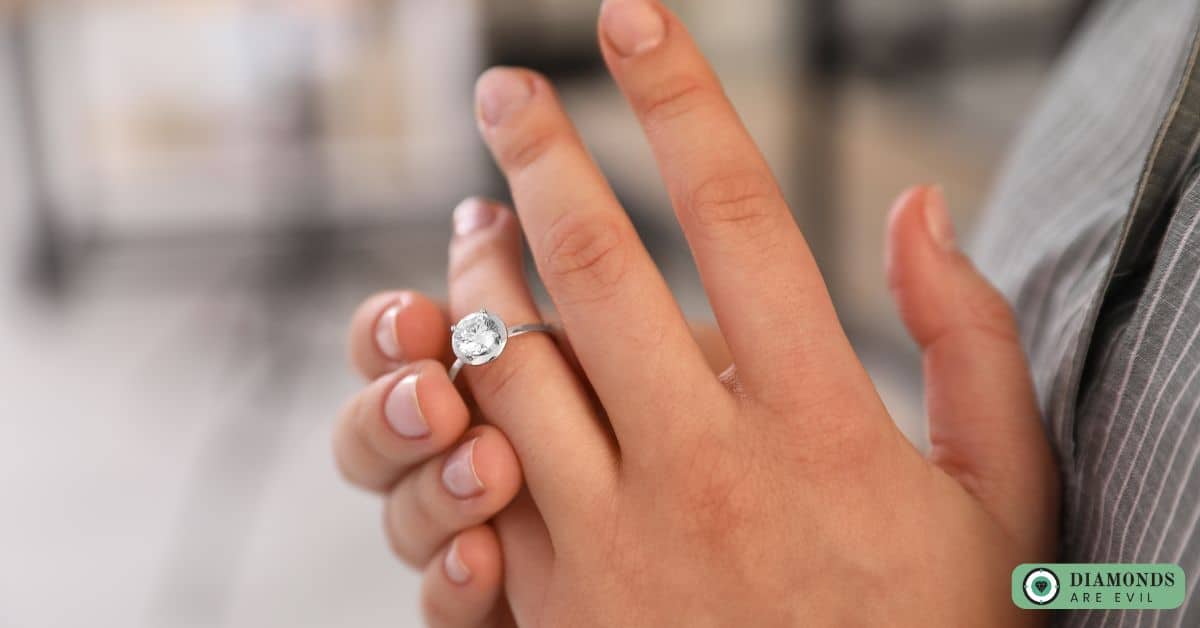
Visiting the doctor or dentist can be a stressful experience, and it’s important to consider every aspect of your outfit. When deciding on jewelry for an appointment, many people wonder if they should take off their diamond rings.
Generally speaking, taking off any jewelry with large stones can be helpful for certain procedures where extra space or movement is needed. For extra precautionary measures, some recommend that you leave your diamond ring at home where it will be safe.
However, metal-free gloves are usually used during medical/dental treatments so as long as you remove other items such as watches and bracelets that contain metal, then wearing a diamond ring should be no problem.
Benefits of Taking off Your Diamond Ring
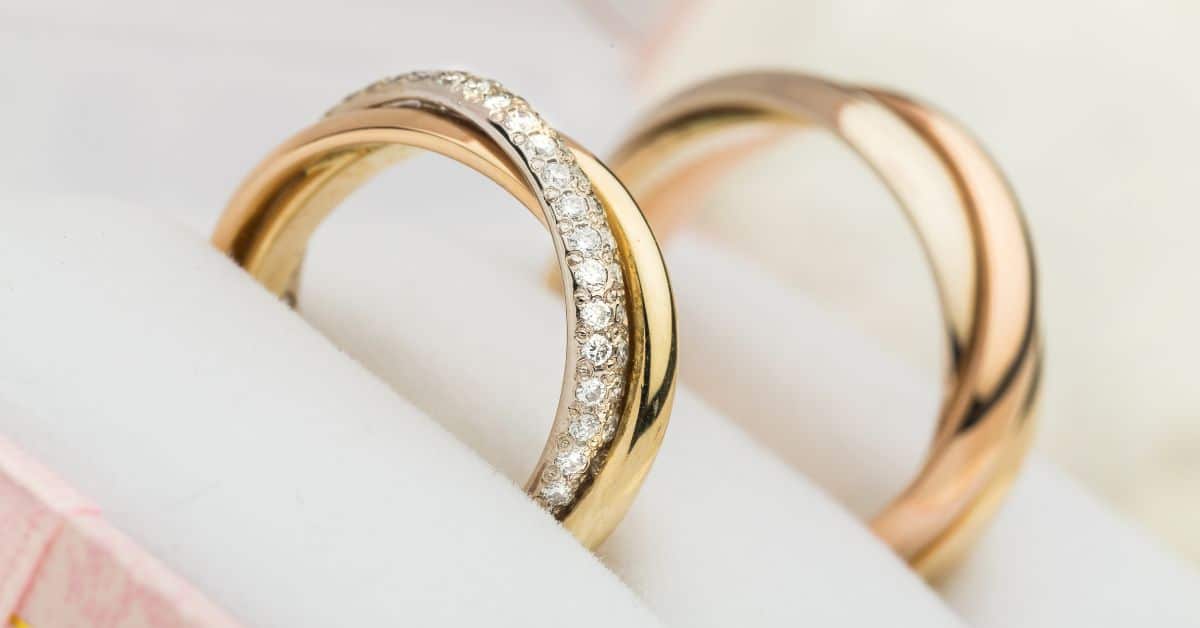
Taking off your diamond ring is an important step in preserving its beauty and value. Along with an extra layer of protection for the ring itself. Removing a diamond ring can offer several benefits, including:
- Skin Health: Wearing a ring constantly can lead to skin irritation and potential infections, especially if the ring is tight or dirty. Taking off the ring allows the skin to breathe and heal.
- Maintenance: Taking off the ring regularly can make it easier to clean and maintain the diamond and the setting, helping to preserve its shine and luster.
- Avoid Damage: Removing the ring during activities such as cooking, cleaning, and manual labor can help to prevent damage to the diamond or the setting.
- Relaxation: Wearing a tight or heavy ring can be uncomfortable, especially for people with joint or circulation issues. Taking off the ring can provide relief and relaxation.
- Emotional detachment: Taking off the ring can be a symbol of emotional detachment, for example when ending a relationship or for special occasions where it is appropriate to not wear the ring.
In conclusion
Diamonds are a precious and timeless symbol of love and commitment that have been used in jewelry throughout many cultures. While they are usually very durable, there are some instances where it is best to take off your diamond ring.
This includes physical activities, cleaning and maintenance, swimming or bathing, hazardous tasks, and when visiting the doctor or dentist. With these simple precautions, you can help ensure that your diamond ring remains in pristine condition for many years to come.