
When the Sky Cracks Your Glass: Weather’s Sneakiest Moves and How to Outsmart Them
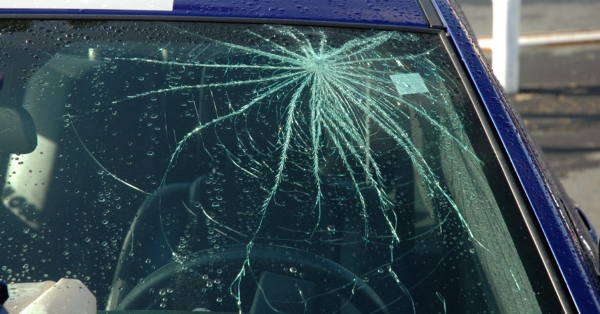
Weather puts a surprising amount of stress on windshields, and it often starts long before a crack ever appears. Tiny chips expand and contract with heat, cold, and vibration until one day a thin line suddenly races across the glass. The good news is that small habits can dramatically cut that risk, turning a fragile pane into a durable daily companion. Stick around for practical tips any driver can use, plus key numbers and care routines that actually make a difference.
Heat Waves and Thermal Shock: The Summer Stress Test for Windshield Replacement in Phoenix
Extreme heat is tough on glass because of thermal expansion, especially when one part of a windshield heats faster than another. Desert sun warms the outer surface while cold air from the A/C chills the inside, creating a temperature gradient that strains the laminated layers. Add a tiny chip near the edge, and that stress can lengthen it into a crack in minutes. It’s the rapid change-not just the high temperature-that often turns a speck into a split.
Parking under direct sun bakes the glass and the surrounding frame, and those metal edges act like a hot ring clamping the windshield. If the cabin cools quickly after startup, the center of the glass shrinks faster than the perimeter, amplifying stress at weak points. Wiper “rest zones” can become hot spots, too, because dark wiper blades absorb heat and transfer it unevenly. A shaded parking spot or windshield shade reduces extreme gradients and buys the glass some relief.
Car washes on scorching days deserve extra caution, because a cold rinse on sun-heated glass is classic thermal shock. The same goes for splashing water bottles or detailer sprays onto a hot windshield, which can trigger visible distortion or a sudden crack. Drivers who roll down windows the first minute of a trip allow heat to escape and lower pressure on the windshield. Think “slow and steady” temperature changes-small gestures that keep stress below the cracking threshold.
Cold Snaps, Defrosters, and That Sneaky Crack: Avoid Winter Glass Stress
Cold makes glass contract, and a blast of hot defrost air on a frozen windshield can create the same kind of gradient seen in summer-just inverted. The outer surface stays frigid while the inner layer warms fast, and any chip or pit can act like a stress riser. Frost also hides damage, so a chip can grow under the ice before anyone notices. Gradual warm-ups protect the laminate and keep tiny defects from turning into visible trouble.
Pouring hot water on the windshield seems tempting, but it’s one of the quickest ways to turn a pinhole chip into a full crack. Aggressive scraping can gouge the glass, especially when grit is trapped under a blade edge. De-icer sprays help, but it’s smart to aim the vents at the floor first and bring the cabin up to temperature bit by bit. That slow approach lets the entire pane expand together instead of fighting itself.
Road salt and winter debris introduce frequent micro-impacts that add up across a season. Chips that might hold in mild weather sometimes propagate during freeze-thaw cycles, especially overnight. Swapping worn wipers and using a winter-rated washer fluid support clear visibility while lowering scratch risk. A quick fingertip check for rough spots at every fuel stop helps catch damage early, before cold stress has its say.
UV Rays, Road Vibration, and Hidden Weak Points: The Slow Wear That Leads to Cracks
Sunlight doesn’t just heat glass; it also degrades plastics and sealants over time. UV exposure can dry out molding, and when edges lose their cushion, impacts travel more harshly into the glass. The PVB interlayer is strong, but heat and UV accelerate aging where chips already exist. Healthy seals and shade are quiet bodyguards-protecting the perimeter is protecting the whole pane.
Daily driving adds vibration from potholes, speed bumps, and washboard surfaces that flex the windshield microscopically. That movement may be small, but it’s constant, and it pushes against flaws again and again. Over months, a harmless-looking chip can spider or creep unexpectedly, especially along the lower corners. Keeping tires properly inflated and slowing for rough patches noticeably reduce that cumulative stress.
Hidden weak points often lurk near edges, around the rearview mirror mount, or where sensors and cameras attach. Modern glass supports ADAS hardware, and recalibration after replacement ensures these systems “see” correctly. If a windshield is replaced, the curing time and correct adhesive thickness matter for both safety and long-term crack resistance. Glass is part of the vehicle’s structure now-fit, seal, and calibration all play into durability.
Monsoon Rains, Hail, and Desert Dust: Surviving the Southwest’s Wild Swings
In places with summer monsoons, sudden downpours bring fast temperature drops, gusty winds, and occasional hail. Water cools the outer surface quickly while the cabin may still be warm, nudging cracks forward if a chip is lurking. Hail impacts are obvious, but many cracks come later from mixed heat-and-cool cycles that follow a storm. Choosing covered parking during storm watches is a small move that pays big dividends.
Dust and sand grind into the glass with each wiper swipe if blades are old or the windshield is dry. A quick rinse before turning on the wipers reduces abrasive friction that leaves faint arcs and micro-scratches. Hydrophobic coatings can help water bead and carry grit off the surface, stretching wiper life and clarity. Drivers who keep a soft microfiber in the door pocket can safely wipe seals and edges after a dusty drive.
When a crack runs or hail leaves a starburst beyond repair size, scheduling professional help quickly prevents leaks and safety issues. In major metro areas, mobile service shortens downtime and helps match OE specs, and many shops back their work with long warranties. For those searching locally, windshield replacement phoenix is a common starting point, especially during active storm periods. Fast action keeps moisture out, preserves ADAS performance, and restores the cabin’s quiet and structure.
Quick-Action Checklists for Everyday Drivers: Keep Stress Off Your Windshield
Small, repeatable habits are the easiest defense against weather-driven stress. The theme is simple: minimize sudden temperature swings and avoid grinding dirt across the glass. With those two ideas, most seasonal risks get cut down to size. Consistency beats intensity-do a little, often, and the windshield stays stronger for longer.
Parking strategy matters more than most drivers think. A carport, a tree’s shade, or a reflective sunshade lowers peak temps while trimming cabin pressure on hot days. In winter, that same planning avoids deep freezes and reduces morning defrost strain. A few minutes spent choosing a spot saves hours and dollars later.
Wiper health is another quiet hero in the fight against cracks and scratches. Fresh blades, a clean reservoir with season-appropriate fluid, and a quick pre-wipe rinse during dusty weeks prevent abrasive wear. Periodic inspections for tiny chips-especially along the edges-catch issues before heat or cold works on them. Early repair turns a $100 fix into a non-event instead of an all-new windshield.
Here’s a simple warm-to-cool routine to protect the glass:
- On hot days, vent the windows for 30-60 seconds before blasting the A/C.
- Use a sunshade when parked; crack windows slightly where safe.
- On cold mornings, start with a low fan and floor vents; ramp defrost slowly.
- Rinse dusty glass before using wipers to avoid abrasive arcs.
- Check for chips weekly; schedule repair before temperature swings hit.
Things to keep in the trunk for windshield emergencies:
- Clear tape or a chip patch to keep dirt and moisture out until repair.
- Microfiber towel and a small spray bottle of water for safe dust removal.
- Spare wiper blades matched to the vehicle’s size.
- Compact sunshade to cut cabin heat on surprise parking stops.
- De-icer spray for winter trips or mountain overnights.
Numbers to Know This Year for Safer Glass Decisions: Costs, Timing, and What to Expect
When damage happens, a few current benchmarks make choices clearer. Costs vary by vehicle and region, but national ranges help drivers plan and avoid surprises. ADAS cameras and sensors increasingly shape both price and downtime, because recalibration adds steps. Knowing the ballpark keeps decisions calm when weather turns a chip into a crack.
Prices and timelines change as technology evolves, but the essentials remain steady: repair small, replace when safety is compromised, and calibrate when required. Here’s a quick snapshot of typical 2024 U.S. ranges and what they mean for everyday decisions.
2024 Windshield Repair and Replacement Cost Guide (U.S.)
| Item | Typical 2024 U.S. range | Notes for drivers |
|---|---|---|
| Rock chip repair (per chip) | $80-$150 | Repair promptly to prevent spreading during heat/cold cycles. |
| Windshield replacement (non-ADAS, common vehicles) | $300-$600 | Prices vary with glass quality and model availability. |
| Windshield replacement (ADAS-equipped or premium) | $600-$1,500+ | Camera/radar integration and OEM glass can raise costs. |
| ADAS camera recalibration | $150-$400 | Required on many vehicles after glass replacement. |
| Mobile service fee | $0-$50 | Often included during high-demand weather seasons. |
| Comprehensive deductible (typical) | $0-$500 | Some policies waive chip-repair deductibles-check coverage. |
| Safe drive-away time | 30-60 minutes | Urethane cure times vary; gentle care for 24 hours is smart. |
| Hail/monsoon peak (Southwest) | July-September | Park under cover during active forecasts to avoid impact damage. |
As the table shows, early repair is the bargain move, while replacement and calibration are investments in safety when cracks go past repair size. Weather often sets the timeline, so treating small damage quickly avoids premium-season bottlenecks. With the right expectations, drivers can plan around storms, heat waves, and cold snaps-and keep the glass ready for the next mile.
Staying Ahead of Cracks and Windshield Replacement in Phoenix: A Simple Plan for Every Season
Weather will keep throwing curveballs-blazing sun, sudden rain bursts, cold nights after warm days-but the windshield doesn’t have to lose the game. Shade, gentle temperature changes, clean blades, and fast chip repair form a simple, reliable playbook. Those small actions cut stress at the edges, where most cracks start, and keep visibility crisp. Think prevention first, and the glass will return the favor with quiet, confident miles.
For drivers in sun-baked cities, the combo of heat and dust makes regular care even more important. A summer of tiny vibrations can do what a single hailstone cannot, especially if a chip is left alone. Shops that handle ADAS calibration and offer mobile service streamline the process when replacement becomes the safe call. Planning ahead-before monsoon season or a cold snap-keeps schedules open and costs predictable.
In short, the sky will do what it wants, but drivers are not powerless. Keep temperatures gradual, keep grit off the glass, and keep an eye on small flaws before the weather finds them first. With that rhythm in place, even the hottest afternoons and the stormiest nights can pass without drama. The payoff is simple: clear sightlines, a stronger cabin, and far fewer surprise cracks.
Related articles
- Cracking the Code: How DNA Analysis is Revolutionizing Personalized Nutrition Today
- Mild, Moderate or Severe? How Long Your Baby Needs to Wear a Pigeon-Toe Brace
- What Makes UNFO the Top-Rated Brace for Metatarsus Adductus in 2026?
- Looking for Judaica Art? Here’s How to Choose the Perfect Piece for Your Home